
Why Protein-Rich Mediterranean Meals Are the New Celebrity Longevity Secret
Protein-Rich Mediterranean Power Bowl (Celebrity-Style Longevity Recipe)
Celebrities, longevity doctors, and biohacking entrepreneurs are quietly converging on the same plate: a protein-rich, Mediterranean-style way of eating that puts brain health, muscle maintenance, and long-term vitality ahead of quick-fix weight loss. This protein-packed Mediterranean Power Bowl captures that “longevity diet” vibe in a colorful, satisfying meal you can cook at home—no private chef, lab testing, or red carpet required.
Built around extra-virgin olive oil, fatty fish or legumes, heaps of vegetables, whole grains, and crunchy nuts and seeds, this bowl reflects the trends you see in celebrity “what I eat in a day” breakdowns: higher protein, smart carbs, and plenty of polyphenol-rich plant foods. It’s flexible, deeply flavorful, and designed to “feed your future self” while still tasting like something you’d happily serve to friends on a relaxed weeknight.
Recipe Overview & Nutrition-Focused Summary
Prep time: 25 minutes
Cook time: 20 minutes
Total time: ~45 minutes
Servings: 4 bowls
Difficulty: Easy–Intermediate
Diet: Mediterranean, high-protein, high-fiber
Great for:
- Longevity-focused eating
- Brain and heart health
- Meal prep & work lunches
This Protein-Rich Mediterranean Power Bowl layers lemony quinoa or farro with grilled salmon or chickpeas, crunchy cucumbers, juicy tomatoes, marinated chickpeas, peppery greens, and a velvety Greek yogurt–tahini–olive oil dressing. Each bowl delivers a generous hit of protein, slow‑digesting carbs, and a rainbow of antioxidant‑rich vegetables—precisely the nutrient-dense pattern celebrated by today’s longevity influencers.
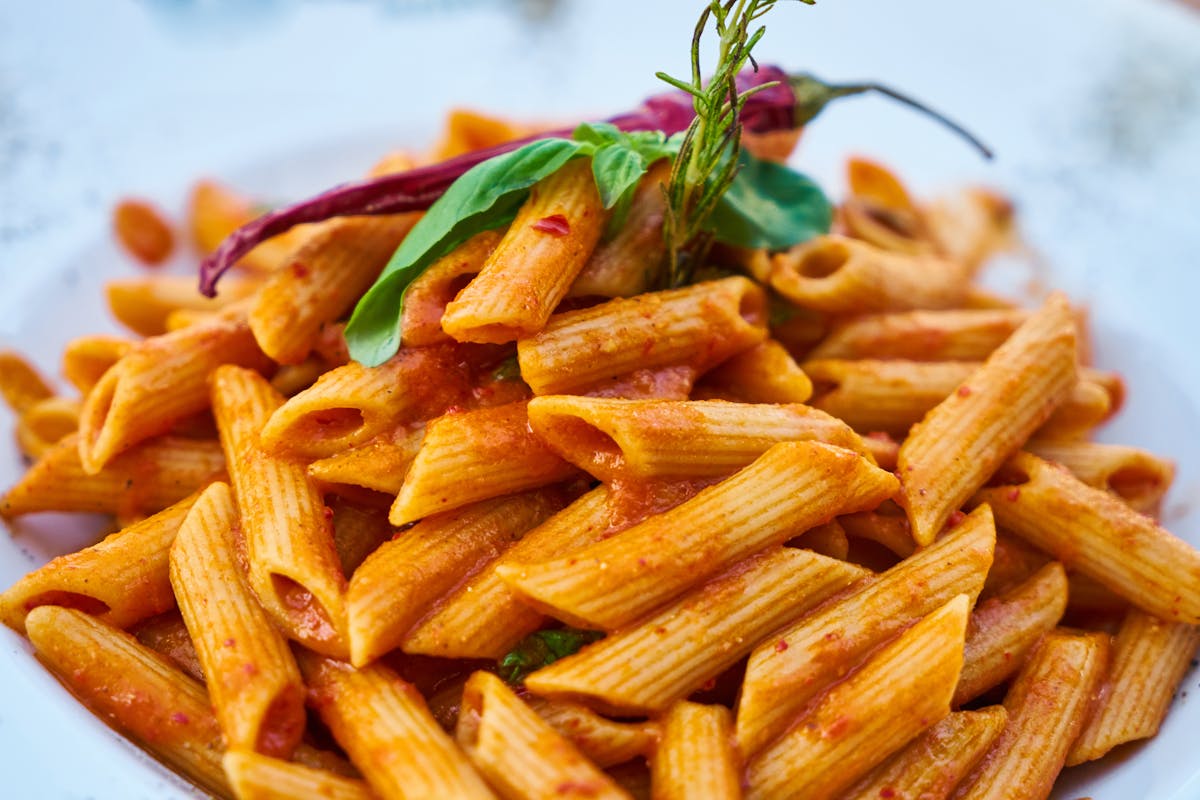
Why Protein-Rich Mediterranean Eating Is Trending in Celebrity Longevity Culture
Scroll through Instagram, TikTok, or your favorite wellness podcast, and a pattern emerges. High-profile actors, musicians, and founders talk less about “getting shredded for a role” and more about:
- Reducing chronic inflammation and supporting heart and brain health
- Preserving muscle, bone, and metabolic health with age
- Tracking biological age, VO₂ max, and lipid panels with wearables and labs
- Eating in a way that feels moderate, social, and sustainable
The Mediterranean pattern—with its olive oil, seafood, vegetables, legumes, and whole grains—has decades of research behind it for heart and brain protection. The modern, celebrity‑driven twist is more protein, often in the range of 1.6–2.0 g per kilogram of body weight, and a stronger focus on preserving lean mass alongside strength training.
This power bowl is a home‑cook‑friendly expression of that pattern. Think of it as the everyday version of the meals you see in celebrity “longevity day on a plate” breakdowns: a protein‑heavy base, colorful plants at every turn, and plenty of extra‑virgin olive oil.
“Feed your future self” is the mantra behind many modern longevity diets. Each thoughtful, Mediterranean-style meal is a small investment in the way you want to move, think, and feel 10, 20, or 30 years from now.
Recipe Structured Data (SEO-Friendly)
The following embedded JSON-LD uses schema.org/Recipe to help search engines understand and feature this high-protein Mediterranean recipe in rich results.
Ingredients for a Celebrity-Style Longevity Bowl
This recipe is built to echo the nutrient density you see in high-profile “longevity diets”: high-quality protein, slow carbs, healthy fats, and a riot of plant colors. Measurements below are for 4 generous bowls.
Base: Whole-Grain Layer
- 1 cup (185 g) uncooked quinoa or farro, rinsed
- 2 cups (480 ml) low-sodium vegetable or chicken broth, or water
- 1/2 teaspoon fine sea salt, divided, plus more to taste
Protein: Mediterranean & High-Protein Options
- 4 small salmon fillets (about 120–140 g / 4–5 oz each)
OR 2 1/2 cups (about 400 g) cooked chickpeas, drained and rinsed, for a vegan version - 1 tablespoon fresh lemon juice
- 2 tablespoons extra-virgin olive oil
- 1 teaspoon dried oregano or Italian herb blend
- 1/2 teaspoon freshly ground black pepper
Veggie & Topping Layer
- 2 cups (about 60 g) baby arugula or mixed leafy greens, loosely packed
- 1 cup (150 g) cherry tomatoes, halved
- 1 cup (130 g) diced cucumber
- 1/2 small red onion, very thinly sliced
- 1/2 cup (80 g) pitted olives, halved (Kalamata recommended)
- 1/4 cup (30 g) crumbled feta cheese or dairy-free feta alternative
- 1/4 cup (30 g) toasted almonds, walnuts, or pumpkin seeds, roughly chopped
- 2 tablespoons chopped fresh parsley or dill
Longevity-Style Yogurt–Tahini–Olive Oil Dressing
- 3/4 cup (180 g) plain Greek yogurt (2% or 5%) or thick plant-based yogurt
- 2 tablespoons tahini (sesame paste)
- 1 tablespoon freshly squeezed lemon juice
- 1 tablespoon extra-virgin olive oil
- 1 small garlic clove, finely grated or minced
- 2–3 tablespoons cold water, as needed to thin
- Pinch of sea salt and black pepper
Equipment & Tools You’ll Need
- Medium saucepan with lid (for quinoa or farro)
- Cutting board and sharp chef’s knife
- Mixing bowls (at least 2: one for marinating, one for dressing)
- Whisk or fork (for the dressing)
- Large nonstick or cast iron skillet or grill pan (for salmon or chickpeas)
- Measuring cups and spoons
- 4 wide, shallow serving bowls
Step-by-Step Instructions (With Sensory Cues)
Think of this as a relaxed, home-cook version of what you might see in a celebrity chef’s meal prep: precise enough to feel professional, forgiving enough for a busy Tuesday.
1. Cook the Whole Grains
- Rinse the quinoa or farro under cold water using a fine-mesh sieve. This removes bitterness (from quinoa’s saponins) and extra starch.
- In a medium saucepan, combine the grains with the broth or water and 1/4 teaspoon salt.
- Bring to a boil over medium-high heat, then reduce to a gentle simmer, cover, and cook:
- Quinoa: 15 minutes, until the little “tails” unfurl and it’s fluffy but still has a tiny bite.
- Farro: 20–25 minutes, until chewy-tender.
- Remove from heat, keep covered, and let rest 5 minutes, then fluff with a fork.
2. Marinate the Protein
- Pat the salmon dry with paper towels, or thoroughly drain and rinse the chickpeas.
- In a small bowl, whisk together:
- 1 tablespoon lemon juice
- 2 tablespoons olive oil
- 1 teaspoon dried oregano
- Remaining 1/4 teaspoon salt and the black pepper
- Toss the salmon or chickpeas in this mixture until well coated.
- Let sit at room temperature for 10–15 minutes while you prep the vegetables. The salmon will take on a glossy sheen and a light citrus-herb aroma.
3. Prep Mediterranean Veggies & Toppings
- Halve the cherry tomatoes—their juices will mingle deliciously with the grains.
- Dice the cucumber into small, crunchy cubes.
- Thinly slice the red onion into half-moons. If you’re sensitive to sharp onion flavor, briefly soak slices in cold water, then drain and pat dry.
- Halve the olives and crumble the feta.
- Roughly chop the nuts or seeds and fresh herbs.
- Lay out the leafy greens and all toppings in small bowls to make assembly easy and fun.
4. Make the Yogurt–Tahini–Olive Oil Dressing
- In a medium bowl, whisk together:
- 3/4 cup Greek yogurt
- 2 tablespoons tahini
- 1 tablespoon lemon juice
- 1 tablespoon olive oil
- Garlic, very finely minced or grated
- Add a pinch of salt and pepper.
- Whisk until smooth and creamy. Slowly add 2–3 tablespoons of cold water, one at a time, until the dressing is thick but pourable, like a luxe sauce.
- Taste and adjust: more lemon for brightness, more olive oil for richness, more yogurt for tang.
5. Cook the Salmon or Chickpeas
- Heat a large nonstick or cast iron skillet over medium heat.
- For salmon:
- Add a thin film of olive oil if the pan isn’t well seasoned.
- Place salmon skin-side down if skin is on.
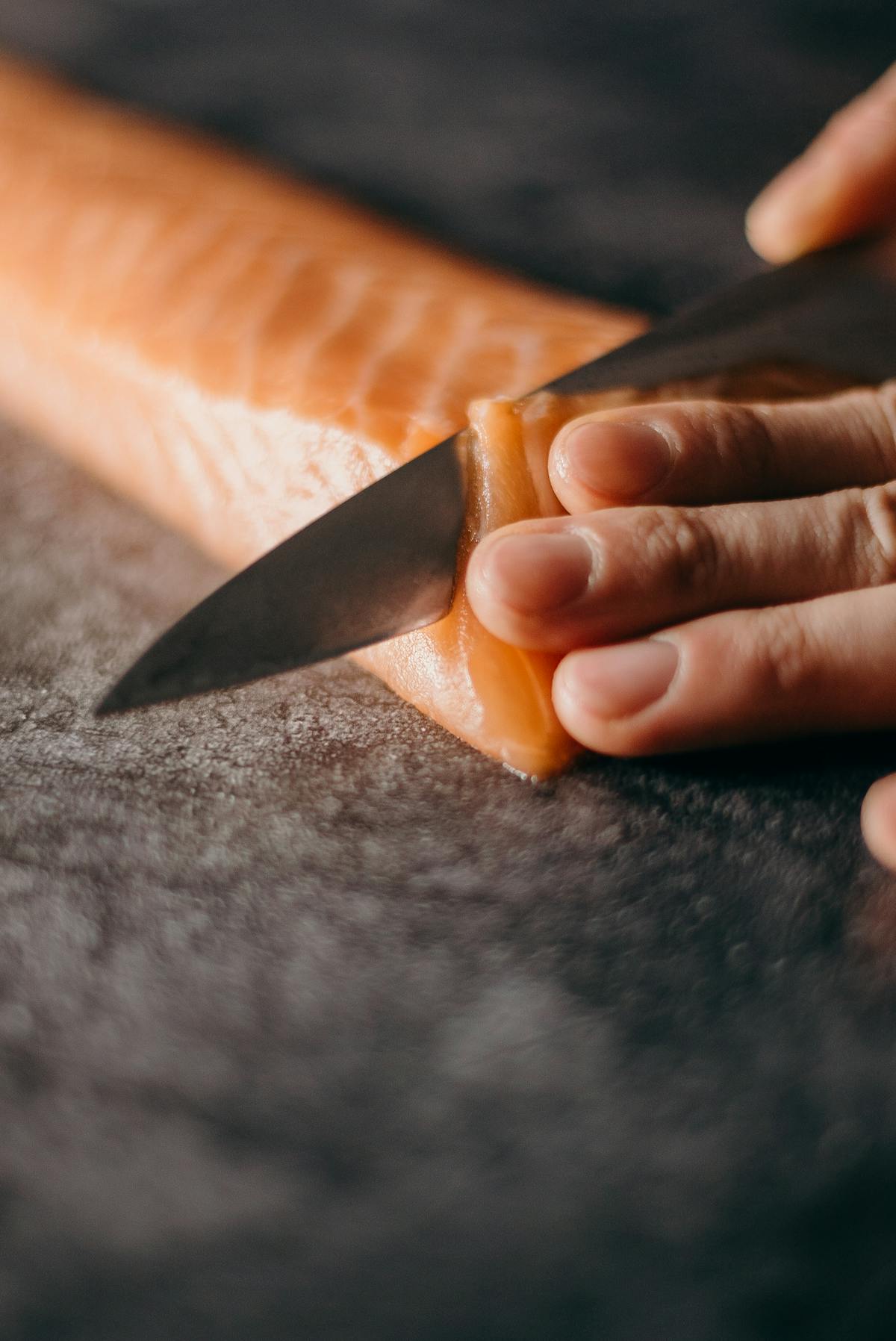
- Cook without moving for 4–5 minutes, until the sides turn opaque and the skin is crisp.
- Carefully flip and cook another 2–4 minutes, depending on thickness, until the center is just opaque but still very moist. The fish should flake easily but remain juicy.
- For chickpeas:
- Pour the marinated chickpeas and marinade into the hot skillet.
- Cook 6–8 minutes, stirring occasionally, until heated through and lightly golden in spots, with a toasty, aromatic coating.
- Set the cooked protein aside on a plate to rest for a couple of minutes.
6. Assemble the Protein-Rich Mediterranean Bowls
- Divide the warm quinoa or farro between 4 wide bowls.
- Add a small handful of arugula or mixed greens to each bowl.
- Top each bowl with:
- 1 salmon fillet or a quarter of the sautéed chickpeas
- A scoop of cherry tomatoes and cucumbers
- A few slices of red onion
- A spoonful of olives and crumbled feta
- Drizzle generously with the yogurt–tahini dressing.
- Finish with chopped nuts or seeds, fresh herbs, and a final thread of extra-virgin olive oil.
7. Taste, Adjust, and Serve
- Take a small bite and tune the flavors:
- Add a squeeze of lemon if it needs brightness.
- Sprinkle a pinch of salt if the grains taste flat.
- Dust with chili flakes or cracked pepper if you like more heat.
- Serve immediately while the protein is warm and the vegetables are crisp and cool.
Variations, Substitutions & Dietary Adaptations
One reason this protein-rich Mediterranean pattern is surging among influencers is its flexibility. You can tweak the bowl to fit different needs without losing the longevity-focused core.
Protein Swaps
- Pescatarian: Use salmon, trout, sardines, or grilled shrimp.
- Vegan: Use chickpeas, lentils, marinated tofu, or tempeh; choose plant-based yogurt and feta.
- Extra protein boost: Add a spoonful of hemp seeds or an extra handful of chickpeas.
Grain & Carb Options
- Gluten-free: Stick to quinoa or brown rice.
- Higher fiber: Use hulled barley, farro, or a brown rice–quinoa mix.
- Lower carb: Use half the grains and add extra greens or cauliflower rice.
Dairy & Flavor Adjustments
- Dairy-free: Swap Greek yogurt for coconut or almond yogurt and use a vegan feta.
- Low-sodium: Use no-salt broth, limit feta and olives, and season with lemon and herbs instead of extra salt.
- Spice lovers: Add chili flakes, harissa, or a pinch of smoked paprika to the marinade.
Storage, Meal Prep & Reheating Tips
Long-term wellness often comes down to what’s easy on a busy day. These bowls are perfect for high-protein meal prep that still feels fresh and vibrant.
Refrigeration
- Cooked grains: Store in an airtight container for up to 4 days.
- Cooked salmon or chickpeas: Up to 3 days for salmon; 4 days for chickpeas.
- Chopped veggies: Tomatoes, cucumber, and onion keep 2–3 days; keep greens and herbs un-dressed until serving.
- Dressing: 4–5 days in a jar; it may thicken—thin with a splash of water or lemon.
Reheating
- Salmon: Reheat gently in a 275°F / 135°C oven for 8–10 minutes or in a covered skillet over low heat with a splash of water, just until warm.
- Chickpeas: Reheat in a skillet over medium heat or in the microwave in 30-second bursts, stirring between each.
- Grains: Add a teaspoon of water and microwave loosely covered, or steam in a pan with a splash of water.
Freezing
- Grains: Freeze in portions for up to 2 months.
- Cooked salmon: Best enjoyed fresh or within 2–3 days from the fridge; texture changes with freezing.
- Chickpeas: Freeze well for up to 2 months; thaw overnight in the fridge.
Serving Ideas & Complementary Dishes
Serve these bowls as a centerpiece in a longer Mediterranean-style, longevity-focused spread, or keep them as a stand-alone, all-in-one meal.
Pairing Suggestions
- Starter: A simple plate of raw veggies (carrots, radishes, bell peppers) with hummus and olives.
- Side: Light lemony lentil soup or a fennel and citrus salad.
- Drink: Sparkling water with lemon and fresh mint, or a small glass of red wine if it suits your health needs and preferences.
- Dessert: Fresh berries with a spoonful of Greek yogurt and a drizzle of honey or date syrup.
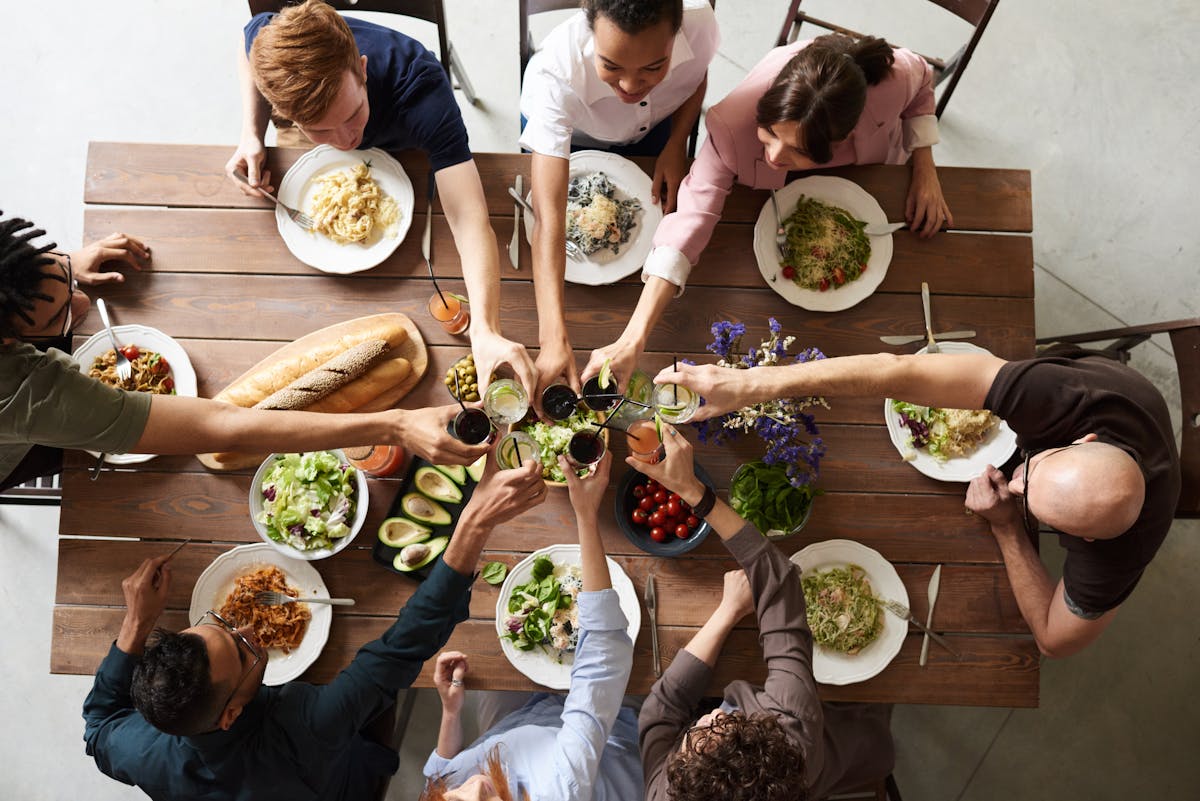
To echo the “celebrity longevity” vibe, focus on leisurely meals, conversation, and plenty of plants. The research on Blue Zones suggests it’s not just what you eat, but how you enjoy it—with community, movement, and moderation.
Bringing Celebrity Longevity Eating Into Your Home Kitchen
You don’t need a private chef, a wearable on every limb, or a stack of lab reports to embrace the upsides of the protein-rich Mediterranean diets dominating celebrity wellness culture. With one simple bowl, you’re already leaning into the same principles: plentiful plants, smart protein, whole grains, and olive oil as a daily ritual.
Use this recipe as a template, not a rulebook. Swap ingredients based on the season and what you love, keep your pantry stocked with Mediterranean staples, and let each bowl be a small, delicious investment in your future self.
