
Metabolic Flexibility on a Plate: A Glucose‑Friendly Sheet‑Pan Salmon Power Bowl
Continuous glucose monitor culture has quietly rewritten the way many of us think about dinner. Instead of chasing carb crashes, we’re building glucose‑friendly, metabolically flexible meals that keep energy steady: plenty of protein, piles of colorful vegetables, slow‑burning carbs, and just enough healthy fat to make everything taste luxurious.
This sheet‑pan salmon & veggie power bowl is a love letter to that CGM‑inspired way of eating. You’ll start with a tangle of roasted fiber‑rich vegetables, add juicy, omega‑3‑rich salmon, spoon on a lemony yogurt‑tahini drizzle, and nestle everything over a bed of warm lentils or quinoa. Every bite is creamy, bright, herb‑speckled, and deeply satisfying—and built to be kind to your blood sugar.
Quick Snapshot
Prep time:
Cook time:
Total time:
Servings: 4 bowls
Difficulty: Easy–Moderate
Glucose‑friendly • High fiber • High protein • Gluten‑free


Ingredients for a Glucose‑Friendly Salmon Power Bowl
These amounts make 4 generous bowls. Everything is chosen to promote steady glucose: quality protein, high fiber, low‑GI carbs, and heart‑healthy fats.
For the sheet‑pan salmon & vegetables
- 4 salmon fillets (about 140–150 g / 5 oz each), skin on or off
- 2 cups (about 300 g) broccoli florets
- 1 medium red bell pepper, sliced into strips
- 1 small red onion, cut into wedges
- 1 small zucchini, sliced into half‑moons
- 2 tbsp extra‑virgin olive oil
- 1 tsp fine sea salt, divided (more to taste)
- 1/2 tsp freshly ground black pepper
- 1 tsp smoked paprika or sweet paprika
- 1 tsp garlic powder or 2 cloves garlic, finely minced
- 1 lemon, zested and cut into wedges
For the glucose‑friendly grain & legume base
- 1 cup dry green or brown lentils, rinsed or 1 1/2 cups cooked lentils
- 1/2 cup dry quinoa, rinsed (optional but recommended for texture)
- 3 cups low‑sodium vegetable or chicken broth (or water)
- 1 bay leaf (optional)
For the lemony yogurt‑tahini drizzle
- 3/4 cup plain Greek yogurt (2% or whole‑milk for best texture)
- 2 tbsp tahini (sesame paste)
- 2–3 tbsp fresh lemon juice (about 1 lemon)
- 1 small garlic clove, finely grated or minced
- 2–3 tbsp water, to thin as needed
- 1/4 tsp fine sea salt
Fresh toppings (highly recommended)
- 1 small cucumber, diced
- 1/4 cup fresh parsley, dill, or cilantro, chopped
- 2 tbsp toasted pumpkin seeds or chopped walnuts
- Mixed salad greens or arugula, for serving (adds a “veggie starter” layer)
Equipment
- 1 large rimmed sheet pan (or 2 smaller pans)
- Parchment paper (optional, for easier cleanup)
- Medium saucepan with lid
- Mixing bowls
- Whisk or fork (for the sauce)
- Cutting board and sharp knife
How to Make a CGM‑Inspired Salmon Power Bowl
Follow these steps in order—each one is designed to layer flavor while staying gentle on blood sugar. The instructions are written so that newer cooks can feel confident, and more experienced cooks can move quickly.
Preheat and prep your pan.
Heat your oven to 400 °F (200 °C). Line a large sheet pan with parchment paper for easier cleanup. This higher heat helps vegetables caramelize—deep flavor without added sugar.Start the lentils and quinoa base.
In a medium saucepan, combine 1 cup lentils, 1/2 cup quinoa (if using), and 3 cups broth. Add the bay leaf if you like. Bring to a boil over medium‑high heat, then reduce to a gentle simmer, cover, and cook for 18–22 minutes, until lentils are tender but not mushy and liquid is mostly absorbed. Turn off the heat and let stand, covered.Toss the vegetables.
On the sheet pan, combine broccoli, bell pepper, onion, and zucchini. Drizzle with 2 tbsp olive oil, then sprinkle with 3/4 tsp salt, black pepper, smoked paprika, and garlic. Toss with your hands or a spatula until everything is evenly coated, then spread into a single layer, leaving space in the center for the salmon you’ll add later.Roast the vegetables.
Roast the veggies for 10 minutes on the middle rack. This gives them a head start so they’ll be perfectly tender when the salmon is done.Season the salmon.
While the vegetables roast, pat the salmon fillets dry with paper towels. Lightly sprinkle both sides with the remaining 1/4 tsp salt, a pinch of pepper, and a little smoked paprika if you like. Rub a few drops of olive oil over each fillet and sprinkle with a little lemon zest.Add salmon to the pan.
After the vegetables have roasted for 10 minutes, pull out the pan. Gently push the veggies toward the edges and nestle the salmon fillets, skin‑side down if using, in the center. Return the pan to the oven.Roast until just cooked.
Roast for another 10–12 minutes, depending on thickness, until the salmon flakes easily with a fork but is still moist in the center. The vegetables should be tender with golden edges and a slightly sweet, caramelized aroma.Mix the yogurt‑tahini sauce.
While the salmon finishes, whisk together Greek yogurt, tahini, lemon juice, garlic, salt, and 2 tbsp water in a small bowl. Add more water, a teaspoon at a time, until the sauce is creamy and pourable. Taste and adjust with a pinch more salt or lemon if desired. The sauce should taste bright, nutty, and tangy.Fluff the lentils & quinoa.
Uncover the saucepan, remove the bay leaf, and fluff the lentil‑quinoa mixture with a fork. If it looks dry, stir in a spoonful of olive oil or a splash of broth. Season lightly with salt and pepper to taste.Prepare fresh toppings.
Dice the cucumber, chop the herbs, and set out your pumpkin seeds or walnuts. These add crunch, freshness, and even more fiber without overloading carbs.Build your glucose‑friendly bowls.
In each bowl, start with a handful of salad greens—this acts like the “veggie starter” you see in CGM videos. Add a generous scoop of the warm lentil‑quinoa mixture. Top with roasted vegetables and a salmon fillet. Spoon over the yogurt‑tahini sauce, then finish with cucumber, herbs, and seeds. Serve with lemon wedges for squeezing.
Why This Bowl Is Glucose‑Friendly & Metabolism‑Smart
This recipe translates CGM trends—veggie starters, carb pairing, and meal timing—into a single pan:
- Protein at the center: Salmon and lentils provide steady fuel and help tame glucose spikes.
- Fiber everywhere: Lentils, quinoa, and vegetables slow digestion and improve satiety.
- Low‑GI carbs: Lentils and quinoa digest more slowly than white rice or bread, reducing rapid spikes.
- Healthy fats: Olive oil, tahini, salmon, and seeds support hormones and further moderate glucose responses.
- Veggie “starter” layer: Eating the greens and some veggies first can flatten the post‑meal glucose curve for many people.
Remember that individual responses vary—even in CGM wearers. But the broad pattern here—more fiber, more protein, fewer ultra‑processed carbs—is strongly aligned with long‑term metabolic health.
Substitutions, Variations & Dietary Adaptations
You can easily adapt this bowl to your preferences or dietary needs while keeping it blood sugar friendly.
Make it dairy‑free
- Use a thick unsweetened coconut yogurt or almond yogurt in place of Greek yogurt.
- Add an extra spoonful of tahini for richness, and season with a bit more lemon and salt.
Make it fully pescatarian or flexitarian
- Already pescatarian‑friendly; to go plant‑based, swap salmon for roasted chickpeas or tofu tossed in olive oil, paprika, and salt.
- Bake tofu cubes or chickpeas alongside the veggies until golden and crisp at the edges.
Different carb bases (still low‑GI)
- Use all lentils or all quinoa if you don’t want both.
- Try barley, farro, or wild rice if you tolerate gluten and want a chewy, nutty base.
- For lower carb, use mostly cauliflower rice plus a small scoop of lentils.
Vegetable swaps
- Broccoli → Brussels sprouts or green beans.
- Zucchini → eggplant or yellow squash.
- Bell pepper → carrots (cut into thin coins) or cherry tomatoes added in the last 10 minutes.
Storage, Meal Prep & Reheating
This bowl is a meal‑prep dream: it keeps well, reheats beautifully, and still feels vibrant the next day.
Storing leftovers
- Cooked salmon & vegetables: Store together in an airtight container in the fridge for up to 3 days.
- Lentil‑quinoa base: Keeps in the fridge for up to 4–5 days.
- Yogurt‑tahini sauce: Store separately in a jar or container for up to 4 days. It may thicken; thin with a spoonful of water or lemon juice before serving.
- Fresh toppings: Keep cucumber and herbs in separate small containers and add just before eating for maximum crunch and brightness.
Reheating tips (for best texture & glucose response)
- Oven or toaster oven: Reheat salmon and veggies at 325 °F (165 °C) for 8–10 minutes, just until warmed through. This keeps the salmon moist.
- Stovetop: Gently warm lentils and quinoa with a splash of water or broth over low heat.
- Microwave (fastest): Place lentils, veggies, and salmon in a microwave‑safe dish. Cover loosely and heat in 30–45 second bursts until warm. Add sauce and fresh toppings after reheating.
Serving Suggestions & Complementary Dishes
Turn this into a full, glucose‑friendly menu by pairing the bowls with simple sides that keep fiber high and refined carbs low.
- Pre‑meal veggie plate: Offer sliced carrots, cucumber, and bell pepper with a small bowl of hummus. Eating these first mimics the “fiber starter” technique often highlighted in CGM videos.
- Light dessert option: Fresh berries with a dollop of Greek yogurt or a small handful of nuts—sweet, satisfying, and gentle on blood sugar.
- Drink pairings: Sparkling water with lemon, herbal tea, or unsweetened iced green tea. Skip sweetened drinks, which can spike glucose even when the meal is balanced.
- After‑dinner ritual: A short walk around the block—10 to 15 minutes is enough to noticeably improve post‑meal glucose for many people.
Over time, these small, delicious habits—smart bowls like this, veggie starters, balanced desserts, and easy walks—add up to the kind of metabolic flexibility that CGM charts keep making visible.
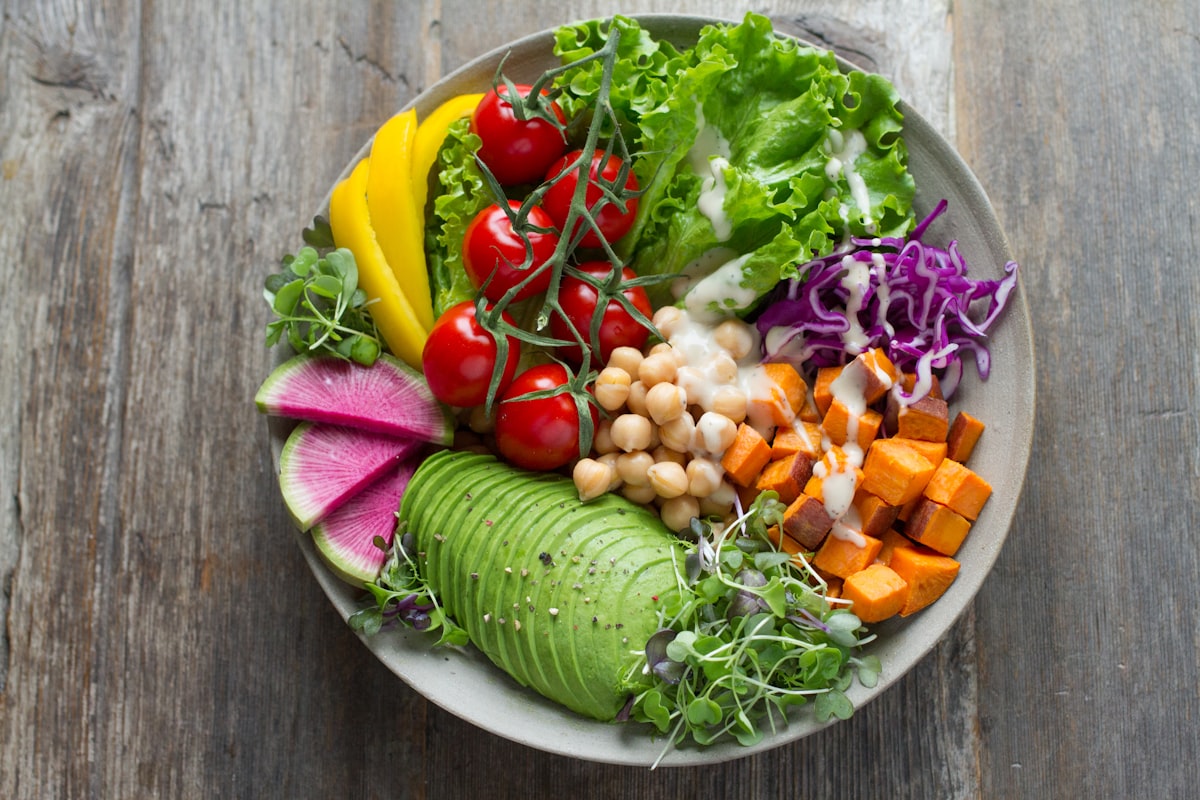
A Visual Glucose‑Friendly Cooking Walkthrough
Use these images as a visual guide as you cook—especially helpful if you’re still getting comfortable with sheet‑pan dinners.
Nutrition & Health Notes
For most generally healthy people, occasional glucose spikes are normal. The power of “glucose‑friendly” recipes like this lies less in chasing perfect numbers and more in building everyday patterns that support:
- More consistent energy and fewer mid‑afternoon crashes
- Reduced cravings for ultra‑processed, sugary foods
- Better long‑term markers of metabolic health when combined with movement and sleep
If you live with diabetes, prediabetes, or another medical condition, work with your healthcare team when making dietary changes. This bowl is designed to be nutrient‑dense, high‑fiber, and moderate in carbohydrates, but individual needs and medication regimens can differ.
