
Feed Your Feel-Good Biome: How Fiber & Fermented Foods Support the Gut–Brain Axis
Interest in gut health has evolved into a broader trend linking diet, microbiome diversity, and mental health, with fiber-rich and fermented foods positioned as everyday “super-foods” for mood and cognition. This article explores how the gut–brain axis works, why fiber and fermented foods matter, and how to build simple, delicious routines that may help support both digestion and emotional well-being.
The Gut–Brain Axis: How Your Microbiome Talks to Your Mood
Imagine your digestive tract as a bustling food city: millions of tiny residents (microbes) tucked into every corner, feeding on the scraps of what you eat and sending chemical “text messages” to your brain all day long. This two‑way communication system is called the gut–brain axis, and it’s one of the big reasons food can influence how clear, calm, or wired you feel.
While research is still evolving, scientists and dietitians increasingly highlight that a more diverse microbiome is often linked with better mental health markers, lower inflammation, and more resilient digestion. The delicious twist? Everyday foods—especially fiber‑rich plants and fermented favorites like yogurt, kimchi, and kefir—seem to help support that diversity.

If you’ve seen “happy gut, happy mind” posts on TikTok or YouTube, this is the science they’re gesturing toward. The goal isn’t perfection or a rigid diet. It’s about building tasty, repeatable habits that feed both you and your microbes.
What Exactly Is the Gut–Brain Axis?
The gut–brain axis is the communication network linking your digestive system and central nervous system. Think of it as a multi‑lane highway:
- Nerve signals: The vagus nerve sends rapid‑fire messages between your gut and brain—like a direct phone line.
- Chemical messengers: Gut microbes help produce or modulate neurotransmitter precursors (such as tryptophan, involved in serotonin production) and short‑chain fatty acids (SCFAs) that can influence inflammation and brain function.
- Immune pathways: Around 70% of your immune system lives near the gut, so inflammation there can have body‑wide effects, including on the brain.
You may not control every factor that shapes your mental health—but meal by meal, you can support the internal environment that your brain depends on.
Early studies—especially from the last decade—suggest that people with higher microbial diversity and more SCFA‑producing bacteria often have better markers for mood and cognition. That doesn’t mean food replaces therapy or medication, but it can be a powerful teammate in your mental‑health toolkit.
The Rise of “Mood‑Support” Diets on Social Media
If your feed is suddenly full of chia puddings, overnight oats, and mason jars of kombucha, you’re watching the gut–brain trend unfold in real time. Creators are reframing meals as daily inputs for mood, focus, and sleep—not just weight or lab numbers.
Three themes tend to pop up again and again:
- “Happy gut, happy mind” messaging
Snack‑sized videos explain how gut microbes can influence serotonin, GABA, and other mood‑related compounds. The tone is often playful but rooted in emerging research. - Daily gut‑health routines
Morning lemon water, fiber‑rich breakfasts, and “one fermented food a day” show up as simple rituals to try rather than strict diets. - Personal stories
Many people share anecdotal improvements in bloating, brain fog, energy, and mood after increasing fiber and fermented foods while cutting back on ultra‑processed foods and excess alcohol.
Three Gut–Brain Food Pillars: Fiber, Ferments, and Polyphenols
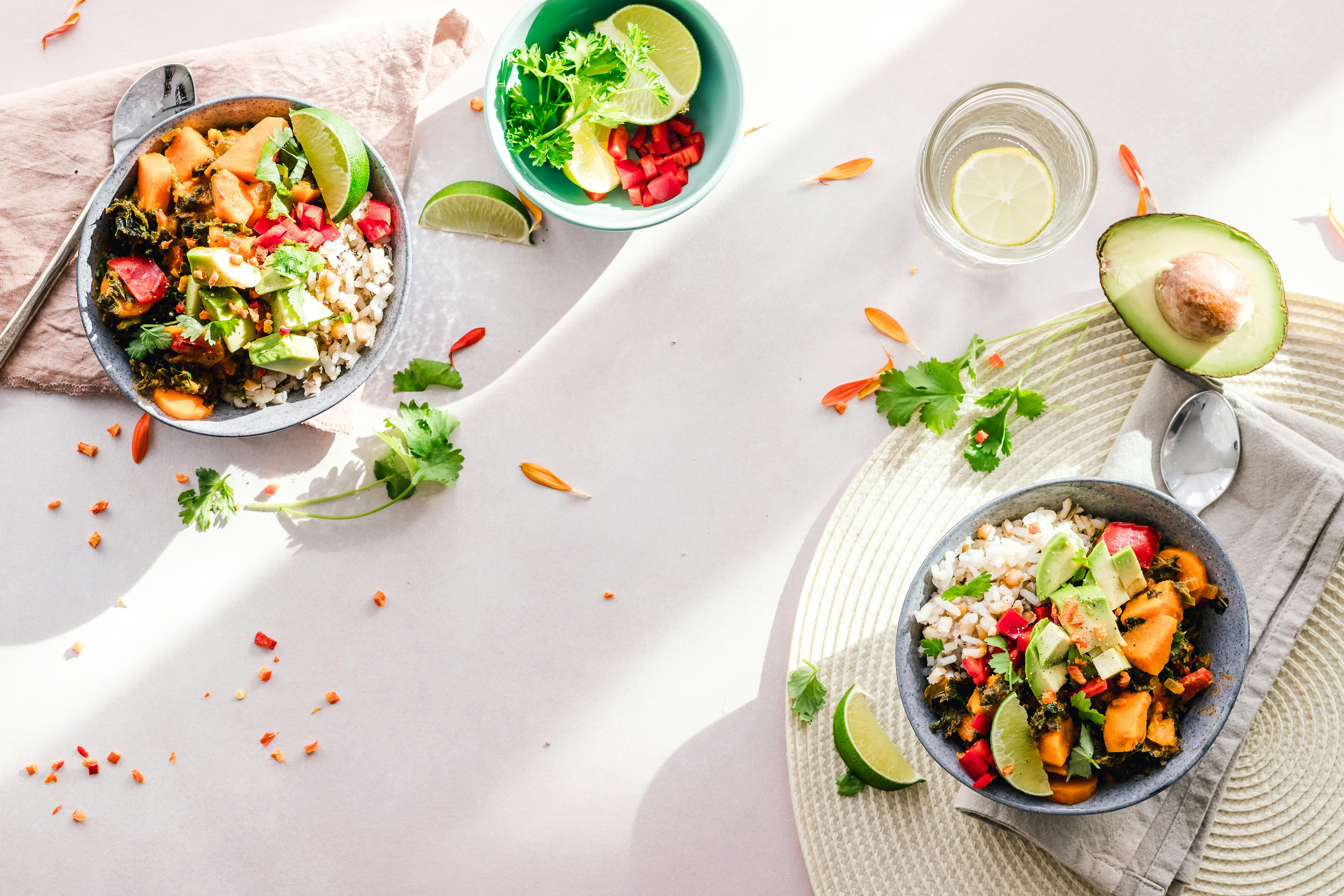
Many “gut–brain” eating patterns, including Mediterranean and plant‑forward diets, rest on three delicious pillars:
1. Prebiotic Fiber: Microbe Fuel
Prebiotic fibers are specialized fibers your body can’t digest but your microbes adore. When they ferment these fibers, they produce SCFAs like butyrate, which help nourish gut cells and may influence inflammation and brain health.
Common prebiotic‑rich foods include:
- Onions, garlic, leeks, asparagus
- Bananas, especially slightly green
- Oats, barley, and other whole grains
- Beans, lentils, chickpeas, and peas
- Resistant starches like cooled potatoes or rice
2. Fermented Foods: Live Cultures in Every Bite
Fermented foods are made by friendly microbes that transform sugars and starches, creating tangy flavors and intriguing textures. Some of these foods contain live and active cultures at the time you eat them.
Popular fermented foods include:
- Yogurt and kefir
- Kimchi and sauerkraut
- Miso and tempeh
- Kombucha (fermented tea)
3. Polyphenol‑Rich Plants: Color as a Clue
Polyphenols are plant compounds that act as antioxidants and also serve as food for certain gut microbes. The more variety of colors on your plate, the more kinds of polyphenols you’re likely getting.
Great sources include:
- Berries (blueberries, raspberries, strawberries)
- Extra‑virgin olive oil
- Green tea and high‑cocoa dark chocolate
- Colorful vegetables like red cabbage, carrots, and leafy greens
Building a Daily Gut‑Health Routine (Without Diet Culture)
Instead of rigid rules, think in terms of little “anchors” throughout your day. Here are examples of gentle, gut‑friendly habits many people find sustainable:
- Morning: Start with water (lemon optional), then a fiber‑rich breakfast—overnight oats, chia pudding, or a smoothie with greens, oats, and seeds.
- Midday: Add at least one plant‑based side: a bean salad, lentil soup, or colorful salad with olive oil.
- Afternoon pick‑me‑up: Swap a sugary snack for yogurt with berries and nuts, or apple slices with peanut butter.
- Evening: Include a fermented component like kimchi, sauerkraut, or miso soup alongside a balanced meal.

The “30 Plants Per Week” Challenge for Microbiome Diversity
A popular, research‑inspired challenge on social media is to aim for 30 different plant foods per week. The idea is simple: each new plant offers slightly different fibers and polyphenols, which may support a more diverse microbiome.
You can count:
- Fruits and vegetables (fresh, frozen, or canned in water)
- Legumes: beans, lentils, chickpeas, peas
- Whole grains: oats, barley, quinoa, brown rice
- Herbs and spices: basil, cilantro, turmeric, cumin, etc.
- Nuts and seeds: almonds, walnuts, chia, flax, pumpkin seeds
Many people keep a running note on their phone and “tick off” each new plant they eat during the week—turning diversity into a fun game rather than a strict rulebook.

Recipe: Gut–Brain Nourishing Kimchi Brown Rice Bowl
To bring all of this to life, here’s a cozy, deeply flavorful bowl that layers fiber, fermented foods, and colorful plants. It’s adaptable, budget‑friendly, and perfect for lunch prep.
Quick Recipe Snapshot
Prep time: 20 minutes
Cook time: 25 minutes
Total time: ~45 minutes
Servings: 2 hearty bowls
Difficulty: Easy
Diet: Vegetarian, easily vegan

Ingredients
For the base
- 1 cup cooked brown rice, cooled (for extra resistant starch)
- 1/2 cup cooked lentils (green or brown), drained
- 1 teaspoon sesame oil or olive oil
- 1 teaspoon low‑sodium soy sauce or tamari (gluten‑free if needed)
For the toppings
- 1/2 cup chopped kimchi (look for unpasteurized for live cultures)
- 1 small carrot, cut into matchsticks or grated
- 1/2 cup cucumber, sliced
- 1 small avocado, sliced
- 2 eggs, soft‑boiled or fried (omit or use tofu for vegan)
- 2 tablespoons roasted seaweed strips (optional)
- 1 tablespoon toasted sesame seeds or crushed peanuts
- 2 spring onions, finely sliced
For the sauce
- 1 tablespoon extra‑virgin olive oil
- 1 tablespoon rice vinegar or apple cider vinegar
- 1 teaspoon soy sauce or tamari
- 1 teaspoon honey or maple syrup
- 1 teaspoon gochujang or chili paste (optional, to taste)
- 1 teaspoon grated ginger or 1/2 teaspoon ground ginger
Equipment
- Medium saucepan (for eggs and rice, if not pre‑cooked)
- Non‑stick skillet or frying pan
- Cutting board and sharp knife
- Small bowl for sauce
- Two serving bowls
Step‑by‑Step Instructions
- Cook and cool the grains (if needed).
Prepare brown rice according to package directions. Let it cool until just warm or room temperature; this helps form more resistant starch, which your gut microbes love. - Prep your toppings.
Slice the cucumber and avocado, cut the carrot into matchsticks, chop the kimchi, and slice the spring onions. Keep each topping in its own little pile for easy bowl assembly. - Cook the eggs.
For soft‑boiled eggs, simmer in gently boiling water for about 6–7 minutes, then transfer to cold water and peel. For fried eggs, add a little oil to a hot pan and cook until the whites are set and the yolks are still soft. - Warm the rice and lentils.
In a skillet over medium heat, add sesame oil. Stir in the cooked rice and lentils with soy sauce, cooking for 3–4 minutes until warmed through and lightly fragrant. - Whisk the sauce.
In a small bowl, whisk together olive oil, vinegar, soy sauce, honey or maple syrup, gochujang (if using), and ginger until smooth and slightly thickened. - Assemble the bowls.
Divide the warm rice‑lentil mixture between two bowls. Arrange carrot, cucumber, avocado, kimchi, and seaweed on top in separate sections, then add an egg to each bowl. - Finish and serve.
Drizzle each bowl with the sauce, then sprinkle with sesame seeds and spring onions. Taste and adjust with extra soy sauce or chili if you like more punch.

Storage, Meal Prep & Reheating Tips
This bowl is wonderfully meal‑prep friendly if you store components separately to protect texture and the live cultures in kimchi.
- Rice & lentils: Store in an airtight container in the fridge for up to 3–4 days. Reheat gently on the stove or in the microwave with a splash of water.
- Veggies: Keep sliced veggies in separate containers; most will stay crisp for 2–3 days.
- Kimchi: Store in its own jar and add just before serving to keep its crunch and maintain live cultures.
- Eggs: Soft‑boiled eggs can be kept in the shell in the fridge for up to 3 days; peel just before serving.
For an easy work lunch, pack rice, lentils, and sauce in one container and toppings (including kimchi) in another. Warm the grains, then assemble your bowl fresh.

Serving Suggestions & Complementary Dishes
To turn your kimchi brown rice bowl into a full “mood‑support” meal, pair it with:
- A small bowl of miso soup with tofu and seaweed
- A side of lightly steamed broccoli or bok choy drizzled with sesame oil
- A cup of green tea for extra polyphenols
- A square of dark chocolate (70% cocoa or higher) for dessert
Each element adds fiber, ferments, or polyphenols, gently nudging your gut–brain axis in a supportive direction while still feeling indulgent and deeply satisfying.
A Gentle Reality Check: What the Science Can and Can’t Promise
Studies on the gut–brain axis are exciting, but they’re still developing. Most research so far shows associations—like higher microbiome diversity being linked with better mood markers—rather than simple cause‑and‑effect rules.
- Food can be a meaningful support for mental well‑being, but it does not replace therapy, medication, or professional care.
- If you live with anxiety, depression, or another mental health condition, consider nutrition one helpful layer of a broader care plan.
- Always check with a healthcare provider before making major dietary changes, especially if you have digestive conditions (IBS, IBD, celiac disease) or are on medications.
Bringing It All Together
The gut–brain trend isn’t just hype; it reflects a shift in how we think about food—as daily nourishment for both body and mind. Fiber‑rich plants, fermented foods, and colorful, polyphenol‑packed ingredients are emerging as accessible, everyday tools to support microbiome diversity and, potentially, emotional resilience.
You don’t have to overhaul your life overnight. Start with a cozy kimchi rice bowl, a big handful of berries, or a spoonful of yogurt with seeds. These tiny, delicious acts of care add up—to a happier gut, and maybe, over time, a steadier, more supported mind.
