
Why the ‘Protein Everything’ Trend Is Taking Over Your Feed (and How to Make It Delicious)
The ‘Protein Everything’ Movement: From Protein Coffee to Cottage Cheese Creations
Protein has stepped out of the bodybuilding niche and into everyday kitchens, powering everything from frothy protein coffee to dreamy cottage cheese cheesecake. Scroll any social feed and you’ll see high‑protein recipes, macro breakdowns, and creators turning humble ingredients like Greek yogurt and beans into satisfying, muscle‑friendly meals that still feel indulgent. This isn’t just a fad—it’s a full‑on “protein everything” movement changing how people eat at breakfast, snack time, and late‑night dessert.
As a home cook, this is incredibly exciting. Protein‑rich foods tend to be deeply satisfying: think creamy yogurt bowls, chewy high‑protein wraps, and velvety sauces that happen to be built on cottage cheese instead of heavy cream. The best part? You don’t need a fitness background or fancy supplements to join in—just a few smart swaps and a willingness to experiment.

Why the “Protein Everything” Trend Is Booming
Behind the endless proffee videos and cottage cheese hacks, there are some very real reasons people are leaning into higher‑protein meals—especially in 2025, as conversations around healthy aging and sustainable fitness deepen.
- Weight‑management focus: Many creators explain that higher protein intake helps you feel full longer, supports lean muscle during fat loss, and may slightly increase the energy your body burns digesting food.
- Fitness & longevity narratives: Strength training and muscle preservation into midlife and beyond are trending hard. Protein is framed as a non‑negotiable ingredient for aging well, not just bulking up.
- Convenient products everywhere: From gas stations to supermarket end‑caps, you can now find protein‑fortified yogurts, puddings, bars, chips, and ready‑to‑drink shakes. Influencers love to taste‑test and compare labels.
- Algorithm‑friendly recipes: Quick videos show clever ways to “protein‑boost” everyday foods. A 30‑second clip of a two‑ingredient protein wrap is basically guaranteed to go viral.
More than a diet, the protein movement is a shift toward meals that keep you energized, satisfied, and strong—even during busy weeks.
How Much Protein Do People Aim For?
Nutrition‑aware creators often cite a daily protein target of about 1.6–2.2 g of protein per kilogram of body weight for active individuals. To make it simpler, they translate this into:
- Roughly 25–40 g of protein per meal for most adults
- Even distribution across the day instead of cramming it all into dinner
There’s also a renewed focus on protein quality:
- Complete proteins: Animal sources (eggs, dairy, meat, fish) and soy provide all essential amino acids.
- Complementary plant proteins: Pairs like rice + beans or hummus + whole‑grain pita work together to cover your amino acid bases.
Protein Coffee (“Proffee”): A Viral Morning Ritual
Protein coffee—affectionately called proffee—is the poster child of the movement. Instead of cream and sugar, you blend your espresso or cold brew with a protein shake or flavored protein powder. The result: a drink that smells like your favorite café latte, tastes like a light milkshake, and delivers a solid protein boost with your caffeine.
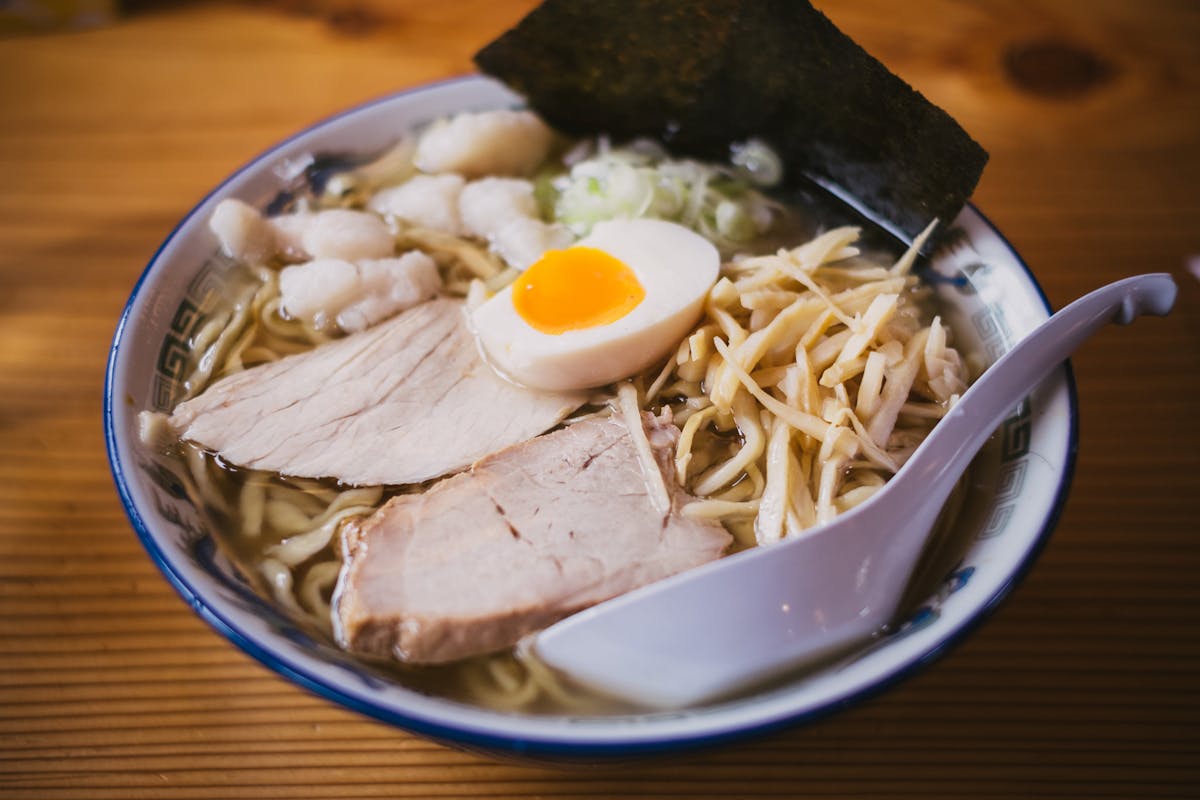
Home baristas love to customize it: some use vanilla whey with hot espresso for a café‑au‑lait vibe, others shake chocolate protein with cold brew over ice for a mocha‑style treat. For many, it’s an easy way to hit that 25–30 g morning protein benchmark without cooking a full breakfast.
Cottage Cheese Everything: Creamy, High‑Protein Magic
Cottage cheese has gone from retro diet food to full‑blown social media star. Thanks to its mild flavor and high protein content, creators are blending it into everything:
- High‑protein ice cream with frozen fruit and a splash of sweetener
- No‑bake cheesecakes that are tangy, creamy, and surprisingly light
- Savory dips and pasta sauces blended silky‑smooth with herbs or roasted garlic
- Breakfast bowls topped with fruit, granola, and nuts for added crunch

If you’ve only ever eaten cottage cheese straight from the tub, blending it will change everything. It turns luxuriously smooth—more like ricotta or Greek yogurt—without losing that lovely, subtle tang.
Greek Yogurt Hacks: From Breakfast to Dessert
Greek yogurt has long been a nutrition darling, but the protein movement has taken it to a new level. Social feeds are full of:
- High‑protein desserts: Thick yogurt whipped with cocoa powder, peanut butter powder, or sugar‑free pudding mix for a mousse‑like treat.
- Parfaits: Layered with fruit, crunchy toppings, and a drizzle of honey for texture and contrast.
- Overnight oats: Oats soaked in a mix of milk and Greek yogurt for a creamy, protein‑rich grab‑and‑go breakfast.

The texture is what makes Greek yogurt so magical: thick, spoonable, and satisfying. With the right toppings and flavorings, it easily replaces sugary puddings or ice cream on a weeknight.
High‑Protein Wraps & Pizzas: Comfort Food with a Protein Twist
Another viral segment of the trend: turning comfort food into high‑protein weeknight heroes. Think:
- Egg‑white wraps used as tortillas or pizza bases
- Chickpea or lentil tortillas for extra plant protein and fiber
- Protein‑enriched flatbreads topped with lean meats, cheese, and lots of veggies
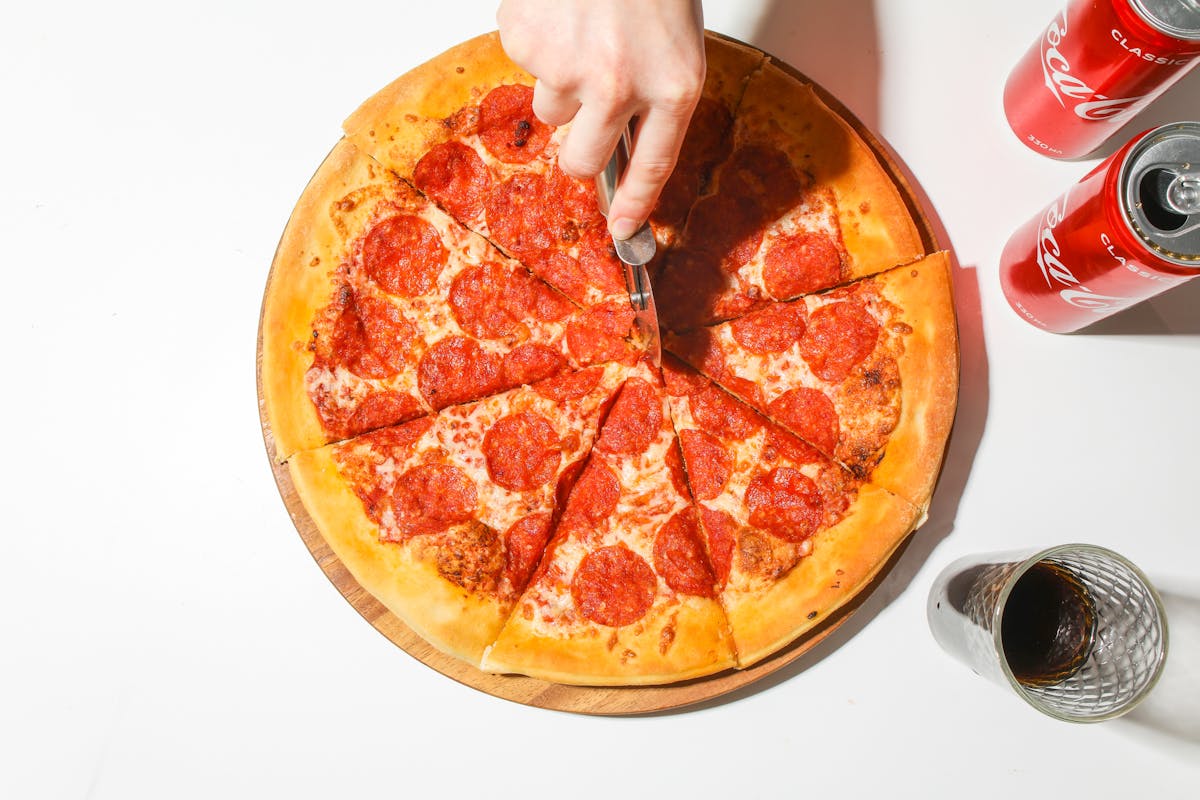
These recipes let you keep the joy of gooey cheese and crisp edges, while quietly boosting both protein and fiber. For busy nights, they’re a game‑changer: quick, fun to assemble, and endlessly customizable.
A Balanced View: Benefits and Caveats
Dietitians joining the conversation tend to cheer the shift toward more satisfying, nutrient‑dense meals—but they also highlight a few important cautions.
- More isn’t always better: Going far beyond your needs doesn’t automatically mean more muscle and may be inappropriate for people with kidney disease or certain medical conditions.
- Don’t forget fiber and micronutrients: A plate of protein without colorful plants can miss key vitamins, minerals, and gut‑friendly fiber.
- Watch ultra‑processed protein snacks: Some bars, chips, and ready drinks sneak in high sodium, added sugars, or artificial flavors.
Sustainable Protein: High Protein, Lower Footprint
As the protein conversation grows, so does interest in sustainable protein sources. People are asking how to hit their targets without relying solely on resource‑intensive animal foods.
This is where legumes, tofu, tempeh, seitan, and mycoprotein shine. When paired thoughtfully, they provide plenty of high‑quality protein with a lighter environmental footprint.

Many creators now share “flexitarian” high‑protein meal preps: bean‑rich salads instead of plain pasta, tofu stir‑fries with plenty of vegetables, and snack boxes combining edamame, nuts, and fruit.
Recipe: High‑Protein Cottage Cheese Yogurt Bowl
To bring the “protein everything” movement into your own kitchen, here’s a simple, customizable bowl that layers two of the biggest stars: cottage cheese and Greek yogurt. It’s thick, creamy, and tastes like a breakfast sundae—yet it’s loaded with protein and fresh fruit.
Quick Summary
Prep time: 10 minutes
Cook time: 0 minutes
Total time: 10 minutes
Servings: 1 large or 2 small bowls
Difficulty: Easy
Diet: High‑protein, gluten‑free (if toppings are GF)
Equipment
- Small blender or food processor (for ultra‑smooth texture)
- Mixing bowl
- Spatula or spoon
- Serving bowl
Ingredients
For the protein base:
- 1/2 cup (120 g) low‑fat cottage cheese
- 1/2 cup (120 g) plain Greek yogurt (2% or 0%)
- 1–2 teaspoons honey, maple syrup, or sweetener of choice, to taste
- 1/2 teaspoon vanilla extract (optional)
- 2–3 tablespoons milk or water, only if needed to loosen
Topping ideas (mix and match):
- 1/2 cup mixed berries (strawberries, blueberries, raspberries)
- 1–2 tablespoons granola or toasted oats
- 1 tablespoon chopped nuts (almonds, walnuts, pistachios)
- 1 teaspoon chia seeds or flaxseeds
- 1 tablespoon nut butter for extra richness
Method
- Blend the base.
Add the cottage cheese, Greek yogurt, sweetener, and vanilla (if using) to a blender or food processor. Blend until completely smooth and creamy, 20–40 seconds. Scrape down the sides once if needed. If it’s very thick, add a splash of milk or water and blend again. - Taste and adjust.
Taste the mixture. Add a bit more sweetener if you prefer it sweeter, or a tiny pinch of salt to enhance the flavors, then blend briefly again. - Prepare toppings.
Wash and slice fruit, and gather your granola, nuts, seeds, and any other toppings you love. Keeping a small “topping station” in your pantry makes this step very quick on busy mornings. - Assemble the bowl.
Spoon the blended protein base into your serving bowl. Swirl the top with the back of a spoon to make soft peaks—it’s a small touch, but makes it feel café‑worthy. - Add toppings for texture and color.
Arrange berries, sprinkle granola, nuts, and seeds, and finish with a drizzle of nut butter or honey if you like. Aim for a mix of textures: creamy, crunchy, juicy. - Serve and enjoy.
Eat right away, or chill for 10–15 minutes if you enjoy it extra cold and thick.
Tips, Variations & Dietary Swaps
- Vegan version: Replace cottage cheese and Greek yogurt with thick plant‑based yogurt and a scoop of plant protein powder; adjust sweetness and liquid to taste.
- Lower‑sugar option: Skip added sweetener and rely on ripe fruit and a dusting of cinnamon or cocoa powder.
- Dessert twist: Add cocoa powder and a spoonful of peanut butter for a “chocolate peanut butter cheesecake” style bowl.
- On‑the‑go meal prep: Make 2–3 servings of the blended base, portion into jars, and add fresh toppings just before eating.
Storage & Serving Suggestions
Storage: The blended cottage cheese–yogurt base keeps in an airtight container in the fridge for up to 3 days. Stir before serving.
Reheating: No reheating needed—simply serve chilled. If it thickens too much in the fridge, loosen with a splash of milk or water.
Serving ideas: Pair your bowl with:
- A slice of whole‑grain toast for extra complex carbs
- A small side of scrambled eggs or tofu for an ultra high‑protein brunch
- Coffee or proffee for the full “protein everything” breakfast experience
How to Join the Protein Movement—Without Going Overboard
You don’t need to overhaul your life to benefit from the “protein everything” trend. A few strategic tweaks can make your meals more satisfying and supportive of your goals.
- Aim for a source of protein at every meal—dairy, eggs, beans, tofu, fish, or lean meats.
- Use high‑protein “anchors” like Greek yogurt, cottage cheese, or tofu as your base, then build around them.
- Favor minimally processed protein sources most of the time, keeping bars and chips as occasional extras.
- Keep a rotation of easy protein staples in your fridge and pantry for busy days.
Most importantly, let your meals be pleasurable. The real success of the protein movement is that it shows you can enjoy creamy, crunchy, and deeply satisfying food while taking care of your body—no joyless dieting required.
Recipe Structured Data
The following JSON‑LD provides structured data for the High‑Protein Cottage Cheese Yogurt Bowl recipe:
{
  "@context": "https://schema.org",
  "@type": "Recipe",
  "name": "High-Protein Cottage Cheese Yogurt Bowl",
  "description": "A thick, creamy, high-protein breakfast or snack bowl made by blending cottage cheese and Greek yogurt, then topping with fresh fruit, nuts, and seeds.",
  "keywords": "high-protein recipe, cottage cheese bowl, Greek yogurt bowl, protein breakfast, protein snack, gluten-free",
  "recipeYield": "1 large or 2 small bowls",
  "prepTime": "PT10M",
  "cookTime": "PT0M",
  "totalTime": "PT10M",
  "recipeCategory": "Breakfast",
  "recipeCuisine": "American",
  "image": [
    "https://images.pexels.com/photos/1435893/pexels-photo-1435893.jpeg?auto=compress&cs=tinysrgb&w=1200"
  ],
  "author": {
    "@type": "Person",
    "name": "Home Cooking Guide"
  },
  "recipeIngredient": [
    "1/2 cup (120 g) low-fat cottage cheese",
    "1/2 cup (120 g) plain Greek yogurt (2% or 0%)",
    "1–2 teaspoons honey, maple syrup, or sweetener of choice, to taste",
    "1/2 teaspoon vanilla extract (optional)",
    "2–3 tablespoons milk or water, as needed to loosen",
    "1/2 cup mixed berries (strawberries, blueberries, raspberries)",
    "1–2 tablespoons granola or toasted oats",
    "1 tablespoon chopped nuts (almonds, walnuts, pistachios)",
    "1 teaspoon chia seeds or flaxseeds",
    "1 tablespoon nut butter (optional, for topping)"
  ],
  "recipeInstructions": [
    {
      "@type": "HowToStep",
      "text": "Add cottage cheese, Greek yogurt, sweetener, and vanilla to a blender or food processor. Blend until completely smooth and creamy, 20–40 seconds. Add a splash of milk or water if needed to loosen."
    },
    {
      "@type": "HowToStep",
      "text": "Taste the mixture and adjust sweetness. Add a tiny pinch of salt if desired to enhance flavor, then blend briefly again."
    },
    {
      "@type": "HowToStep",
      "text": "Prepare toppings: wash and slice fruit, and gather granola, nuts, seeds, and any other toppings."
    },
    {
      "@type": "HowToStep",
      "text": "Spoon the blended base into a serving bowl and swirl the surface with the back of a spoon."
    },
    {
      "@type": "HowToStep",
      "text": "Top with berries, granola, nuts, and seeds. Drizzle with nut butter or honey if desired. Serve immediately."
    }
  ],
  "nutrition": {
    "@type": "NutritionInformation",
    "servingSize": "1 bowl",
    "calories": "350",
    "proteinContent": "30 g",
    "fatContent": "10 g",
    "carbohydrateContent": "35 g",
    "fiberContent": "5 g",
    "sugarContent": "20 g"
  }
}
