
Gut Health 2.0: A Flavor‑Packed Day of Microbiome‑Friendly Meals
Gut Health 2.0: A Full Day of Microbiome‑Friendly Recipes (Fermented, Prebiotic & Fiber‑Rich)
Gut health isn’t just about popping a probiotic capsule anymore. The new “Gut Health 2.0” movement is all about food‑first, microbiome‑friendly eating: fermented foods rich in live cultures, prebiotic fibers that feed those microbes, and colorful, Mediterranean‑style meals that feel joyful—not restrictive.
This page brings that trend into your kitchen with a full day of recipes: a creamy fermented overnight oats breakfast, a crunchy chickpea and sauerkraut lunch bowl, a cozy miso‑tempeh vegetable dinner, and a sparkling kombucha chia drink. Each recipe layers in probiotics, prebiotics, and plenty of plant diversity—so you can nourish your gut while eating genuinely delicious food.
Recipe Day Overview
- Breakfast: Fermented Berry Overnight Oats with Kefir (probiotic + prebiotic)
- Lunch: Mediterranean Chickpea & Sauerkraut Bowl (fiber‑rich, plant‑forward)
- Dinner: Miso‑Ginger Tempeh & Veggie Skillet (fermented soy + colorful veg)
- Drink/Snack: Kombucha Chia Seed Refresher (lightly effervescent, hydrating)
What Is “Gut Health 2.0”? (Fermented Foods, Prebiotics & Microbiome‑Friendly Diets)
“Gut Health 2.0” reflects how our understanding of digestion has evolved. Instead of focusing only on single probiotic supplements, more people are building an everyday gut‑supportive pattern: diverse plant foods, fermented staples, and minimally processed ingredients.
Core Gut‑Friendly Concepts
- Probiotics (live microbes) – Naturally present in many fermented foods like yogurt with live cultures, kefir, kimchi, sauerkraut, miso, tempeh, and some pickles. Not all fermented foods still contain live cultures (e.g., shelf‑stable, heat‑treated products), so labels matter.
- Prebiotics (microbe “food”) – Special fibers that resist digestion and reach the colon, where beneficial microbes ferment them. Great sources: onions, garlic, leeks, asparagus, Jerusalem artichokes, bananas (especially slightly green), oats, barley, beans, and lentils.
- Postbiotics – The beneficial compounds microbes create when they ferment fiber, including short‑chain fatty acids (butyrate, acetate, propionate). These are linked with gut barrier integrity and anti‑inflammatory effects.
Breakfast: Fermented Berry Overnight Oats with Kefir
This creamy jar of overnight oats with kefir tastes like a softly tangy parfait. Rolled oats and chia seeds bring satisfying chew and omega‑3s, kefir contributes live cultures, and berries add a juicy burst of color and antioxidants. It’s a classic “what I eat in a day for gut health” staple: fast, fridge‑friendly, and deeply comforting.
Prep time: 10 minutes
Chill time: 8 hours (overnight)
Total time: ~8 hours 10 minutes
Servings: 1
Difficulty: Easy
Ingredients
- 1/2 cup (45 g) rolled oats (gluten‑free if needed)
- 1/2 cup (120 ml) plain kefir (dairy or dairy‑free if cultured)
- 1/4 cup (60 ml) unsweetened plant milk or milk of choice
- 2 tablespoons plain yogurt with live cultures (optional, for extra probiotics)
- 1 tablespoon chia seeds
- 1 teaspoon ground flaxseed
- 1/2 small banana, sliced (slightly green for more prebiotic starch, optional)
- 1/3–1/2 cup mixed berries, fresh or frozen
- 1–2 teaspoons honey, maple syrup, or date syrup, to taste (optional)
- Pinch of cinnamon and a small pinch of salt
Equipment
- 1 jar or container with lid (about 12–16 oz / 350–475 ml)
- Measuring cups and spoons
- Spoon for stirring
Instructions
- Combine dry ingredients. In your jar, add rolled oats, chia seeds, ground flaxseed, cinnamon, and a tiny pinch of salt.
- Add fermented goodness. Pour in the kefir, plant milk, and yogurt (if using). Stir well so the oats and seeds are fully soaked.
- Layer fruit. Add the banana slices and berries. If you prefer a sweeter jar, drizzle in honey or maple syrup. Give everything a very gentle stir.
- Chill overnight. Seal the jar and refrigerate for at least 4 hours, ideally overnight, until thick, creamy, and softly tangy.
- Serve. In the morning, stir, adjust thickness with a splash of milk if needed, and top with extra berries or nuts for crunch.
Storage & Make‑Ahead
Store overnight oats in the refrigerator for up to 3 days. The texture will continue to thicken; loosen with a splash of milk or kefir just before eating.
Lunch: Mediterranean Chickpea & Sauerkraut Gut‑Friendly Bowl
This vibrant bowl brings together fiber‑rich chickpeas, chewy whole grains, crunchy vegetables, and a bright spoonful of raw sauerkraut for a hit of living cultures. A lemony olive oil dressing mirrors a Mediterranean diet pattern—one of the best studied for overall gut and metabolic health.

Prep time: 15 minutes
Cook time: 15 minutes (for grains, can be pre‑cooked)
Total time: 30 minutes
Servings: 2
Difficulty: Easy
Ingredients
For the bowl
- 1 cup cooked whole grains (e.g., barley, farro, or brown rice)
- 1 can (15 oz / 400 g) chickpeas, drained and rinsed
- 1 cup finely chopped cucumber
- 1 cup cherry tomatoes, halved
- 1/4 cup finely sliced red onion (or scallions for milder flavor)
- 1 cup baby spinach or mixed salad greens
- 1/3–1/2 cup raw, unpasteurized sauerkraut (with live cultures)
- 2–3 tablespoons chopped fresh parsley or cilantro
- 2 tablespoons toasted seeds (sunflower, pumpkin, or sesame)
For the lemon‑olive oil dressing
- 3 tablespoons extra virgin olive oil
- 2 tablespoons fresh lemon juice
- 1 teaspoon Dijon mustard
- 1 small garlic clove, very finely minced or grated
- 1/2 teaspoon dried oregano (or 1 teaspoon fresh, finely chopped)
- Salt and freshly ground black pepper, to taste
Equipment
- Medium saucepan (if cooking grains)
- Cutting board and knife
- Large mixing bowl
- Small jar or bowl for dressing
Instructions
- Prepare the grains (if needed). Cook grains according to package directions, then let cool slightly. For a cold bowl, cool completely in the fridge.
- Make the dressing. In a small jar, combine olive oil, lemon juice, Dijon mustard, garlic, oregano, salt, and pepper. Shake or whisk until emulsified.
- Assemble the base. In a large bowl, combine cooked grains, chickpeas, cucumber, tomatoes, and red onion.
- Dress the salad. Pour most of the dressing over the grain and chickpea mixture and toss well to coat. Taste and adjust seasoning.
- Plate with greens and kraut. Divide spinach or mixed greens between two bowls. Top with the dressed grain‑chickpea mixture.
- Add fermented topping. Just before serving, add a generous spoonful of sauerkraut to each bowl and sprinkle with fresh herbs and toasted seeds.
Storage & Meal‑Prep
Store the dressed grain‑chickpea mixture separately from the greens and sauerkraut for best texture. It keeps in the refrigerator for up to 3 days. Add fresh greens and sauerkraut just before serving.
Dinner: Miso‑Ginger Tempeh & Vegetable Skillet
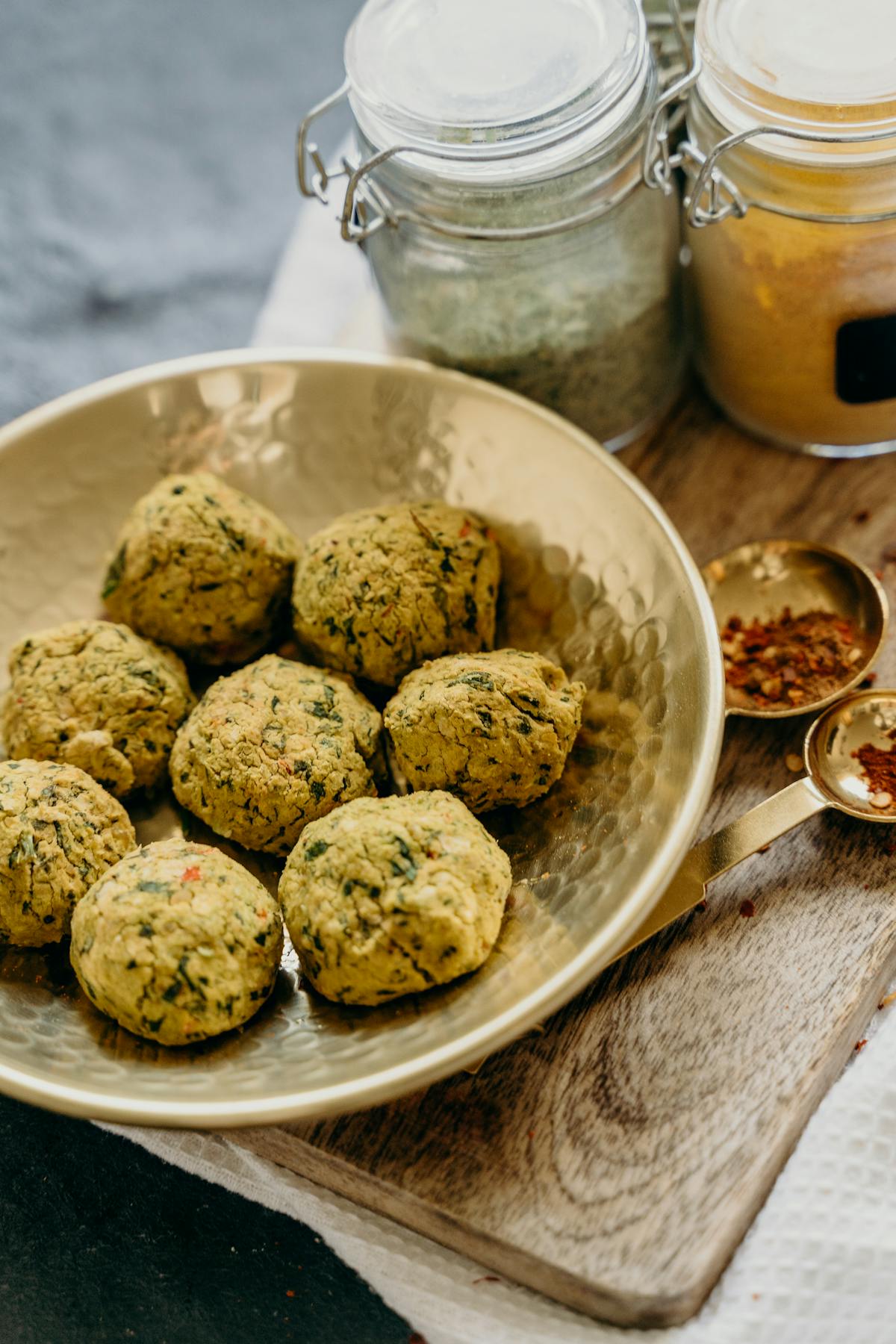
For dinner, we lean into fermented soy with tempeh and miso paste, nestled among a rainbow of vegetables. The tempeh brings nutty, satisfying protein; the miso glaze is savory, a little sweet, and aromatic with ginger and garlic. Serve this skillet over brown rice or soba noodles for a cozy, microbiome‑friendly end to the day.
Prep time: 20 minutes
Cook time: 20 minutes
Total time: 40 minutes
Servings: 3
Difficulty: Medium
Ingredients
For the miso‑ginger sauce
- 2 tablespoons miso paste (white or yellow)
- 2 tablespoons tamari or low‑sodium soy sauce
- 1 tablespoon rice vinegar or apple cider vinegar
- 1 tablespoon maple syrup or honey
- 1 tablespoon grated fresh ginger
- 1–2 garlic cloves, grated or minced
- 1/3 cup (80 ml) water
- 1 teaspoon toasted sesame oil
For the skillet
- 8 oz (225 g) tempeh, cut into bite‑size cubes or strips
- 2 tablespoons neutral oil (e.g., avocado, grapeseed)
- 1 small red onion, sliced
- 1 cup broccoli florets
- 1 cup carrot slices (thin on the diagonal)
- 1 small red bell pepper, sliced into strips
- 1 cup shredded cabbage or bok choy
- 1 tablespoon sesame seeds (for garnish)
- Cooked brown rice, quinoa, or soba noodles, for serving
Equipment
- Large skillet or wok
- Small bowl for sauce
- Cutting board and knife
- Spatula or tongs
Instructions
- Mix the sauce. In a small bowl, whisk together miso paste, tamari, vinegar, maple syrup, ginger, garlic, water, and sesame oil until smooth. Set aside.
- Brown the tempeh. Heat 1 tablespoon neutral oil in a large skillet over medium‑high heat. Add tempeh pieces and cook 5–7 minutes, turning occasionally, until golden on most sides. Transfer to a plate.
- Sauté the aromatics & veggies. In the same pan, add remaining 1 tablespoon oil. Add red onion and cook 2 minutes. Add broccoli and carrots; cook 3–4 minutes, stirring frequently. Add bell pepper and cabbage/bok choy; cook another 2–3 minutes until crisp‑tender.
- Glaze with miso sauce. Return tempeh to the skillet. Pour in the miso‑ginger sauce, stirring to coat everything evenly. Simmer 2–3 minutes until the sauce thickens slightly and the vegetables are glossy.
- Serve. Spoon over warm brown rice, quinoa, or soba noodles. Garnish with sesame seeds and extra scallions if you like.
Storage & Reheating
Store leftovers in an airtight container in the refrigerator for up to 3 days. Reheat gently in a skillet over medium heat with a splash of water to loosen the sauce, or in the microwave until hot.
Snack/Drink: Kombucha Chia Seed Refresher
Inspired by “gut‑friendly swaps” on social media, this bubbly drink replaces sugary sodas with kombucha, water, and plumping chia seeds. The drink is lightly tart, gently sweet, and pleasantly textured—almost like a sparkling, tea‑flavored chia fresca.

Prep time: 5 minutes
Rest time: 10 minutes
Total time: 15 minutes
Servings: 1
Difficulty: Very easy
Ingredients
- 1/2–3/4 cup (120–180 ml) plain or lightly flavored kombucha
- 1/2 cup (120 ml) cold water or sparkling water
- 1 tablespoon chia seeds
- 2–3 thin slices of lemon, lime, or orange
- Ice cubes, as desired
- Optional: a few fresh mint leaves or a couple of raspberries for color
Equipment
- 350–400 ml glass
- Spoon for stirring
Instructions
- Combine liquids. Add kombucha and water (still or sparkling) to your glass.
- Add chia and citrus. Stir in chia seeds, then add citrus slices and ice.
- Let it thicken slightly. Allow the drink to sit for about 10 minutes, stirring once or twice, until chia seeds become slightly gelatinous.
- Garnish & sip. Add mint or berries if using. Taste and adjust with a splash more kombucha for tang or water if it’s too strong.
How to Turn These Recipes into a “Gut Health 2.0” Day of Eating
Put together, these recipes echo popular “what I eat in a day for gut health” videos—only here, you have clear measurements, cooking instructions, and options to personalize.

Sample Day Outline
- Breakfast: Fermented Berry Overnight Oats with Kefir
- Mid‑morning: A handful of nuts and a piece of fruit (like kiwi or orange)
- Lunch: Mediterranean Chickpea & Sauerkraut Bowl
- Afternoon: Kombucha Chia Seed Refresher
- Dinner: Miso‑Ginger Tempeh & Vegetable Skillet over brown rice
Remember: you don’t need to eat perfectly for your gut to thrive. Aim for plant diversity, fermented foods you actually enjoy, and a pattern you can live with.
Meal Prep, Storage & Gentle Gut Transition Tips
If your current diet is lower in fiber or fermented foods, easing into “Gut Health 2.0” recipes can help minimize discomfort like bloating. Think of this as a friendly training plan for your microbiome.
General Storage Guidelines
- Overnight oats: 2–3 days in the fridge in a sealed jar.
- Chickpea bowl components: Grains and chickpeas keep 3 days in the fridge; add fresh greens and kraut just before eating.
- Miso‑tempeh skillet: 3 days refrigerated; reheat gently with a splash of water.
- Kombucha drink: Best made fresh; chia can sit in the liquid for several hours but will continue to thicken.
