
Build-Your-Own High-Protein Weight-Loss Bowls: Colorful Meal-Prep You’ll Actually Crave
High-Protein, High-Fiber Weight-Loss Bowls (Meal-Prep Friendly)
High-protein, high-fiber “weight-loss bowls” have quietly become the default way many of us eat: a cozy bowl piled with juicy marinated chicken or beans, nutty whole grains, crisp veggies, and a punchy sauce that pulls everything together. Inspired by burrito bowls, Buddha bowls, and Mediterranean mezze, these nutrient-dense bowls are tailor‑made for busy weeks, fitness goals, and that simple joy of opening the fridge to find real food ready to go.
In this recipe, we’ll build a flexible, macro‑friendly bowl template—plus a detailed Mediterranean‑style chicken & chickpea bowl you can meal‑prep for 4–5 days. You’ll get big flavors, 30+ grams of protein, plenty of fiber, and the kind of colors that make your social feed (and your gut) very happy.
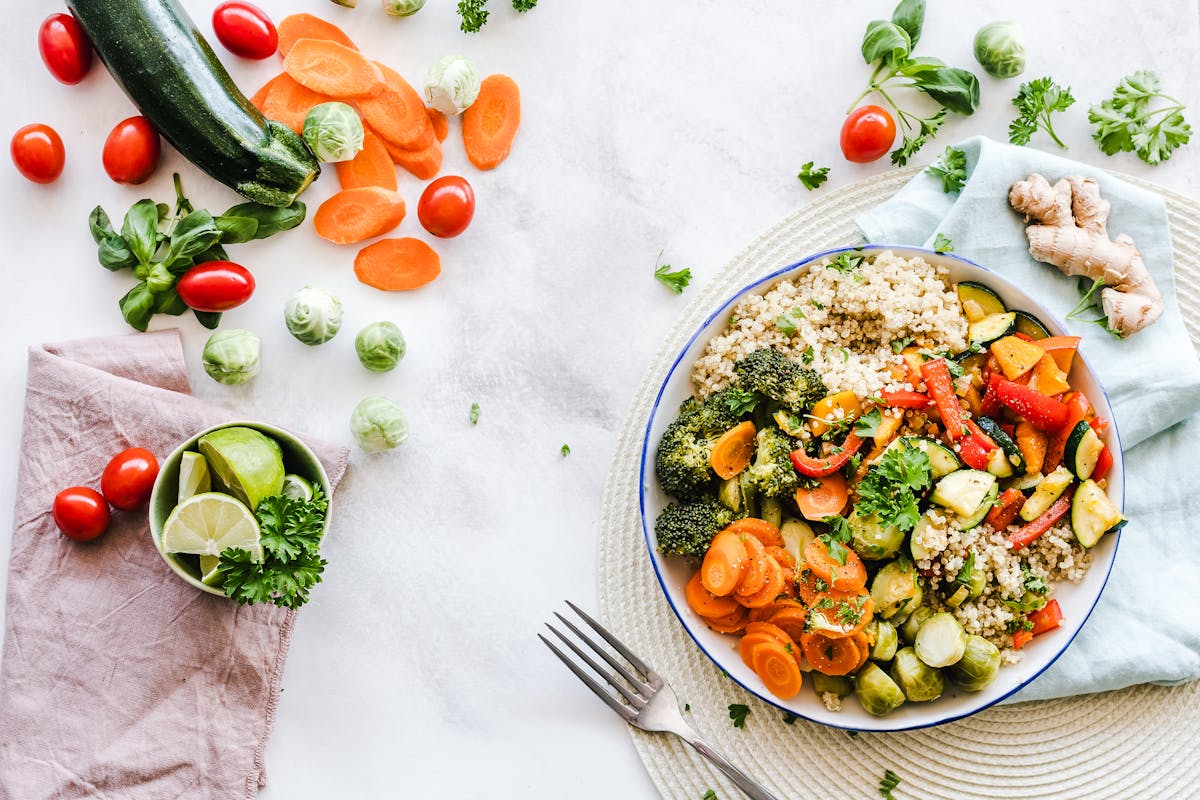
Why High-Protein, High-Fiber Bowls Are Everywhere Right Now
Scroll through TikTok, Instagram Reels, or YouTube Shorts and you’ll see the same pattern: a tray of roasted vegetables, containers of cooked grains, juicy sliced chicken or tofu, and then the assembly montage—scooping, drizzling, sprinkling. These “weight-loss bowls” hit a sweet spot between nutrition, convenience, and pure visual satisfaction.
- Macro awareness: Bowls make it easy to see your plate balance—roughly a quarter lean protein, a quarter high‑fiber carbs, and half non‑starchy vegetables with a little healthy fat.
- Meal-prep friendly: You cook your base elements once, then mix-and-match bowls all week in 5 minutes.
- Aesthetic & algorithm-friendly: Highly colorful ingredients and overhead shots make bowls social‑media gold.
- Diet-flexible: They adapt beautifully to high-protein, Mediterranean, plant-based, gluten-free, or even lower-carb plans with tiny tweaks.
A good bowl isn’t a rigid recipe—it’s a framework: protein + fiber‑rich carbs + lots of veggies + healthy fats + a craveable sauce.
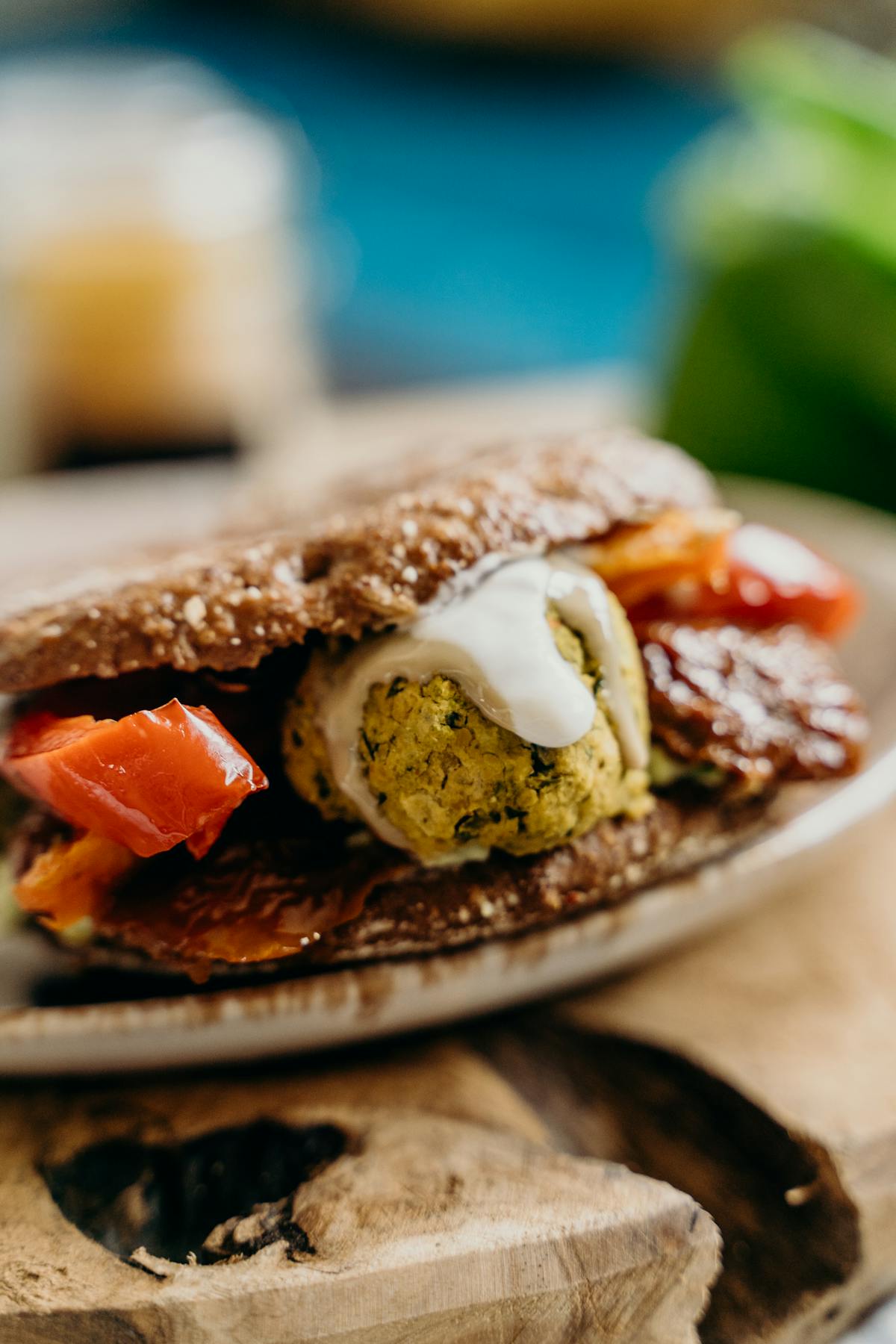
The Basic Weight-Loss Bowl Framework
Before we dive into the specific recipe, here’s the simple template many nutrition‑minded creators use. This makes building (or customizing) your own bowls almost effortless:
- Protein (25–40 g): grilled chicken, turkey, salmon, tuna, tofu, tempeh, shrimp, beans, lentils, or cottage cheese.
- High-fiber carbs: quinoa, farro, brown rice, barley, bulgur, lentil or chickpea pasta, roasted sweet potato.
- Vegetables (at least 2–3 types): roasted broccoli or cauliflower, bell peppers, zucchini, carrots, leafy greens, shredded cabbage, pickled onions, cucumber.
- Healthy fats: avocado, extra-virgin olive oil, nuts, seeds, tahini, olives, or a yogurt‑tahini dressing.
- Flavor drivers: salsa, herb pesto, yogurt-tahini sauce, chili crisp, gochujang dressing, feta, kimchi, fresh herbs, citrus.
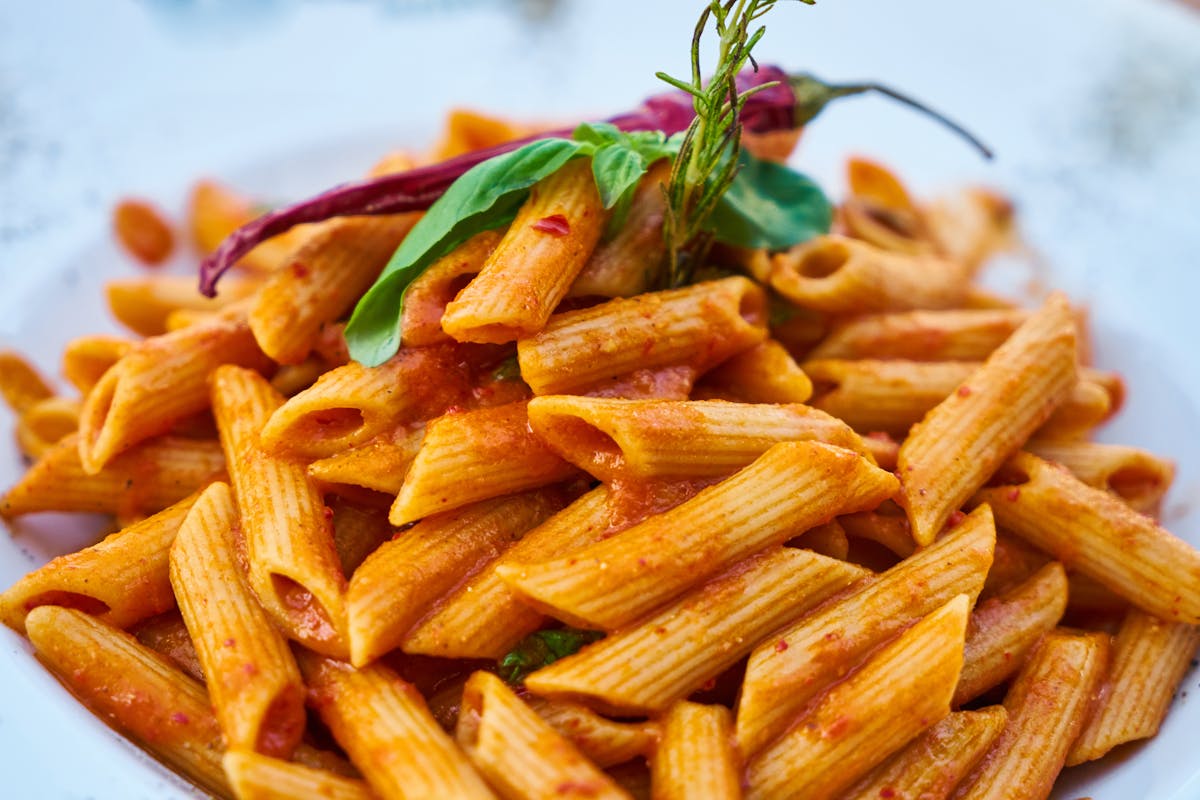
Mediterranean High-Protein Weight-Loss Bowl Recipe
This Mediterranean-inspired bowl hits all the current trends: lean herby chicken, fiber‑rich chickpeas and quinoa, roasted veggies, and a silky lemon yogurt‑tahini sauce. It’s designed for meal prep, travels well, and tastes even better as the flavors mingle in the fridge.

Servings: 4 large bowls
Protein: ~30–35 g per bowl (depending on toppings)
Fiber: ~10–14 g per bowl
Best for: Meal-prep lunches, high-protein dinners, Mediterranean diet, weight-management-friendly meals
Equipment You’ll Need
- 1 medium saucepan with lid (for quinoa or grain of choice)
- 2 large sheet pans (for roasting chicken and vegetables)
- Mixing bowls (1 large, 2 medium)
- Sharp chef’s knife and cutting board
- Measuring cups and spoons
- Whisk or fork (for the sauce)
- Meal-prep containers with lids (4–5; ideally microwave-safe and BPA-free)
Ingredients (High-Protein Mediterranean Bowls)
For the Protein & Chickpeas
- 1.5 lb (about 680 g) boneless, skinless chicken breast or thighs, trimmed
- 1 can (15 oz / 425 g) chickpeas, drained and rinsed
- 2 tbsp extra-virgin olive oil
- 2 tsp smoked or sweet paprika
- 1.5 tsp ground cumin
- 1 tsp dried oregano
- ¾ tsp garlic powder
- ¾–1 tsp fine sea salt (to taste)
- ½ tsp freshly ground black pepper
- Juice of ½ lemon
For the High-Fiber Grain Base
- 1 cup uncooked quinoa (or brown rice / farro)
- 2 cups low-sodium vegetable or chicken broth (or water)
- ½ tsp fine sea salt (omit if broth is salty)
For the Roasted Vegetables
- 1 medium head broccoli, cut into small florets
- 1 red bell pepper, sliced into strips
- 1 yellow or orange bell pepper, sliced into strips
- 1 small red onion, sliced into thick wedges
- 1 medium zucchini, halved lengthwise and sliced into half-moons
- 1–2 tbsp extra-virgin olive oil
- ½ tsp fine sea salt
- ½ tsp dried oregano or Italian seasoning
- ¼ tsp black pepper
For the Lemony Yogurt-Tahini Sauce
- ¾ cup plain Greek yogurt (2% or 0%)
- 2 tbsp tahini (sesame paste)
- 2–3 tbsp fresh lemon juice (about 1 lemon)
- 1 small garlic clove, finely grated or minced
- 2–3 tbsp water, to thin
- ¼ tsp fine sea salt, plus more to taste
- 1–2 tbsp chopped fresh parsley or dill (optional but lovely)
Toppings & Finishing Touches (Optional but Recommended)
- ½–1 avocado, sliced (add just before serving)
- ¼ cup crumbled feta cheese
- Cherry tomatoes, halved
- Cucumber slices or diced cucumber
- Fresh herbs (parsley, mint, dill)
- Lemon wedges for serving
Step-by-Step Instructions (With Meal-Prep Tips)
- Cook the Quinoa (or Grain Base)
Rinse the quinoa under cold water in a fine-mesh strainer to remove bitterness. In a medium saucepan, combine quinoa, broth (or water), and salt. Bring to a boil over medium-high heat, then reduce to low, cover, and simmer for 15 minutes, or until liquid is absorbed.
Remove from heat and let sit, covered, for 5 minutes. Fluff with a fork and set aside to cool slightly.

Fluffy quinoa: a nutty, fiber-rich base that holds up beautifully for meal prep. - Marinate the Chicken & Season the Chickpeas
Preheat your oven to 400°F (200°C). Line 2 sheet pans with parchment paper for easier cleanup.
In a large bowl, whisk together olive oil, paprika, cumin, oregano, garlic powder, salt, pepper, and lemon juice. Add the chicken and toss to coat thoroughly. If you have time, marinate for 15–30 minutes (even 10 minutes helps).
In a small bowl, toss the rinsed chickpeas with 1–2 tablespoons of the marinade from the chicken bowl so they pick up the same smoky, zesty flavor.

A quick lemon, paprika, and cumin marinade gives the chicken deep Mediterranean flavor with minimal effort. - Prep and Season the Vegetables
On one sheet pan, spread out the broccoli, bell peppers, red onion, and zucchini. Drizzle with olive oil, sprinkle with salt, oregano, and pepper, and toss directly on the pan until everything is lightly coated.
Make sure the vegetables have a little breathing room; crowded veggies steam instead of caramelizing.
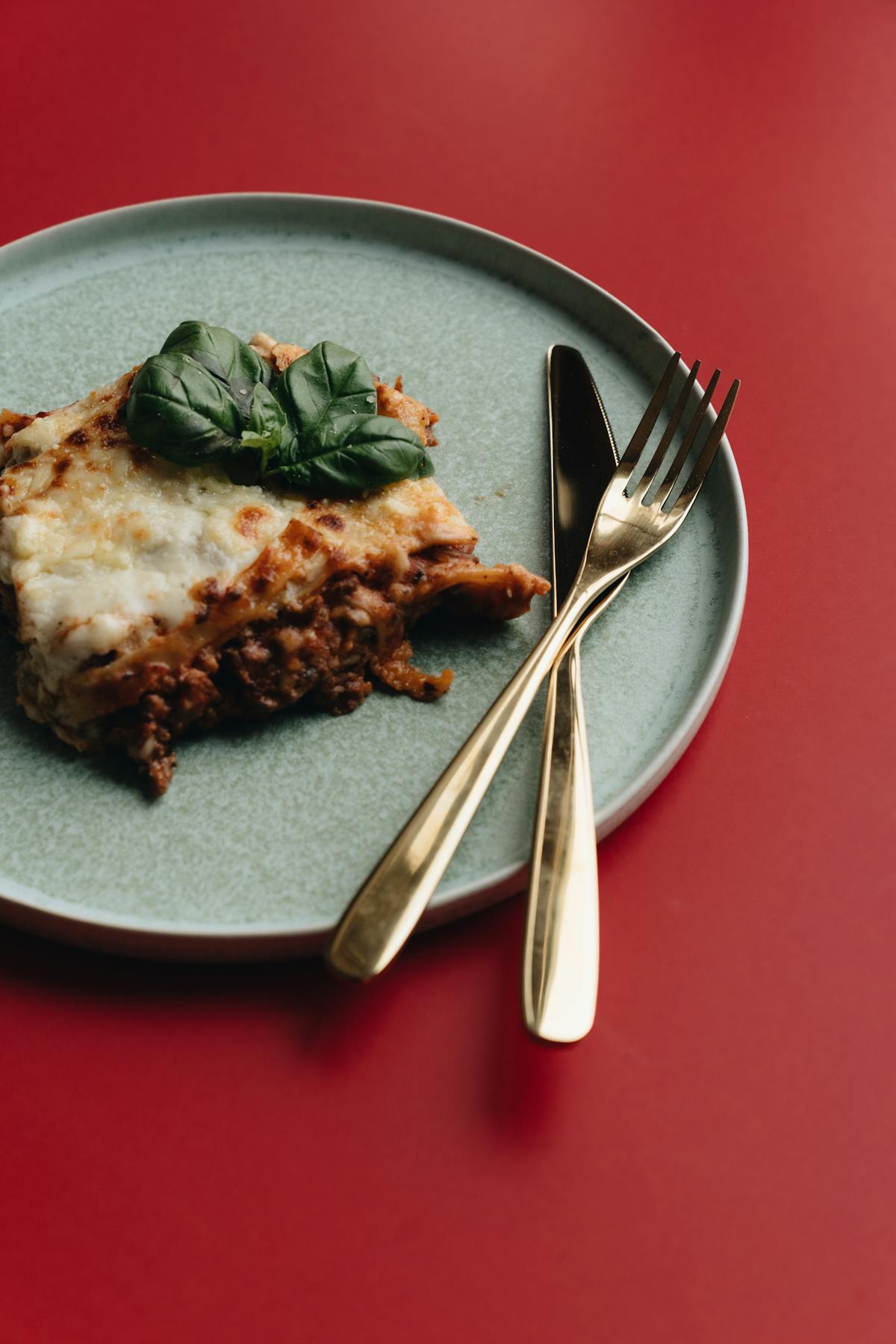
Spread vegetables in a single layer so they roast and caramelize instead of steaming. - Roast the Chicken, Chickpeas, and Vegetables
On the second sheet pan, arrange the marinated chicken in a single layer and scatter the seasoned chickpeas around it.
Place both sheet pans in the preheated oven. Roast for 20–25 minutes, rotating pans halfway through, until:
- Chicken is cooked through (internal temperature 165°F / 74°C) and lightly browned.
- Vegetables are tender with golden edges.
- Chickpeas are lightly crisped on the outside.
Transfer the cooked chicken to a cutting board and let it rest for 5 minutes before slicing into strips or bite-sized pieces.
- Make the Lemony Yogurt-Tahini Sauce
While everything roasts, whisk together Greek yogurt, tahini, lemon juice, minced garlic, and salt in a medium bowl. Add 2–3 tablespoons of water, a little at a time, until the sauce is thick but pourable. Stir in chopped herbs if using. Taste and adjust salt and lemon.
The sauce should be bright and tangy with a gentle creaminess and a whisper of garlic—something you’d happily eat on almost anything.
- Assemble the Bowls (for Immediate Eating)
To serve right away, divide the quinoa among 4 bowls. Top with sliced chicken, a scoop of chickpeas, and a generous pile of roasted vegetables. Add fresh toppings like cherry tomatoes, cucumber, herbs, avocado slices, and feta.
Drizzle everything with the lemony yogurt-tahini sauce and finish with a squeeze of fresh lemon if you like.
Aim for lots of color and texture in every bowl: tender grains, juicy protein, crunchy veg, and a creamy sauce. - Meal-Prep Assembly (for Fridge Storage)
For make-ahead bowls, let the quinoa, chicken, chickpeas, and vegetables cool until just slightly warm (this helps reduce condensation in containers).
Divide quinoa evenly among 4–5 meal-prep containers. Top with sliced chicken and chickpeas on one side and roasted veggies on the other. Keep sauce and fresh toppings (like avocado and cucumber) in separate small containers to maintain texture.
Ingredient Swaps, Variations & Dietary Adaptations
This is where these bowls become truly “you.” Use this recipe as a flavorful base, then play with the components depending on your preferences, season, or dietary needs.
Protein Swaps
- Vegetarian / Vegan: Replace chicken with extra-firm tofu or tempeh, marinated in the same spices and roasted until golden and crisp at the edges. Use a dairy-free yogurt for the sauce.
- Seafood: Swap chicken for salmon or shrimp. Shorten cooking time: roast salmon or shrimp on a separate pan for 8–12 minutes, depending on size.
- Budget-friendly: Double the chickpeas or add lentils for extra plant protein, and reduce the amount of chicken.
Grain & Carb Swaps
- Gluten-free: Stick with quinoa, brown rice, or buckwheat.
- Higher-fiber: Try farro, barley, or a mix of quinoa and lentils.
- Lower-carb: Use cauliflower rice or shredded cabbage as part (or all) of the base and add a bit more non‑starchy veg.
Vegetable & Flavor Variations
- Seasonal twist: In winter, swap zucchini and peppers for roasted carrots, Brussels sprouts, or squash. In summer, add grilled eggplant, tomatoes, or corn.
- Spice route: Add a spoonful of harissa or use a shawarma spice blend instead of paprika and cumin.
- Sauce alternatives: Try a herb pesto yogurt, garlic hummus thinned with lemon juice, or a spicy chili-yogurt drizzle.
Storage, Food Safety & Reheating Tips
Safe, tasty meal prep is all about cooling properly, storing smartly, and reheating in a way that keeps textures pleasant.
Fridge Storage
- Let cooked components cool until just warm, then pack into airtight containers.
- Store bowls in the fridge for up to 4 days for best quality (and food safety).
- Keep sauce in a separate small container and add just before eating.
- Add cut avocado the day you plan to eat to avoid browning.
Freezer Storage
- You can freeze the cooked chicken and quinoa in separate containers for up to 2–3 months.
- Skip freezing the roasted veggies if you’re picky about texture—some can become mushy. Instead, freeze just the protein and grains and roast fresh veggies later.
- Do not freeze the yogurt sauce; dairy-based sauces often separate.
Reheating Guidelines
- Microwave: Reheat the grain, chicken, chickpeas, and roasted veggies together for 1–2 minutes, until hot. Add fresh toppings and sauce after heating.
- Stovetop: Warm components in a covered skillet over low heat with a splash of water or broth to keep moisture.
- Eat cold: These bowls are also delicious cold—especially in warmer months. Just drizzle the sauce and go.
How to Serve & What to Pair With Your Bowls
These high-protein bowls are a complete meal on their own, but you can build them into a fuller spread or tweak them for different occasions.
- Light lunch: Serve with a simple side salad of greens, cucumber, and tomatoes dressed in olive oil and lemon.
- Hearty dinner: Add a side of warm whole-grain pita or a cup of lentil soup for extra comfort.
- Snack-y spread: Deconstruct the bowl on a platter with separate piles of chicken, veggies, grains, olives, and dips like hummus and tzatziki.
- Post-workout: Go a little heavier on the quinoa and chicken to boost carbs and protein for recovery.
Meal-Prep Culture: Practical Tips to Make It Sustainable
The goal isn’t to eat “perfectly” every day—it’s to make it easy to eat in a way that supports your health, energy, and goals most of the time. High-protein, high-fiber bowls do exactly that when you turn them into a gentle Sunday ritual.
- Batch basics, not full meals: Cook a big tray of protein, a pot of grains, and a mountain of veggies. Assemble bowls differently each day to avoid boredom.
- Change the sauce weekly: Yogurt-tahini this week, salsa-verde yogurt next week, then a peanut-lime sauce. Same base, totally different vibe.
- Invest in containers: Shallow, glass or sturdy BPA-free containers help portions look inviting and reheat evenly.
- Use leftovers creatively: Toss extra roasted veggies into omelets, wraps, or salads. Use extra chicken for quick pastas or soups.
