
Ozempic, Wegovy & the New GLP‑1 Diet Culture: How Weight‑Loss Drugs Are Changing the Way We Eat
Ozempic, Wegovy & the Rise of GLP‑1 Diet Culture
Ozempic, Wegovy, Mounjaro, Zepbound—these GLP‑1 medications have leapt from clinic charts to red carpets, podcasts, and “what I eat in a day” videos. Originally designed to manage type 2 diabetes, they are now widely used—on‑label and off‑label—for weight loss, stirring up a brand‑new kind of “GLP‑1 diet culture” that is changing how people talk about food, bodies, and health.
At the center of this shift is a complicated mix of medical promise and social pressure: celebrity transformations, social media diaries, fears about drug shortages, and honest questions about what happens to our relationship with food when hunger almost disappears.

Below is a clear, accessible guide to what’s happening: why GLP‑1s are everywhere, how they affect appetite and nutrition, and how to think about food, mental health, and ethics in this new landscape.
What Are GLP‑1 Medications Like Ozempic and Wegovy?
GLP‑1 medications mimic a hormone called glucagon‑like peptide‑1 (GLP‑1) that helps:
- Regulate blood sugar after meals
- Slow stomach emptying, so food stays in the stomach longer
- Signal fullness to the brain, reducing appetite
The major names in this space include:
- Ozempic – semaglutide, approved for type 2 diabetes
- Wegovy – higher‑dose semaglutide, approved for chronic weight management
- Mounjaro – tirzepatide, for type 2 diabetes
- Zepbound – tirzepatide, for weight management
In clinic settings, these drugs can be powerful tools for people living with obesity and/or diabetes. The controversy comes from how quickly they’ve become associated with aesthetic weight loss goals and celebrity body standards.
Why GLP‑1 Diet Culture Is Trending Now
Several forces have pushed GLP‑1s into the spotlight and reshaped the broader diet culture conversation.
1. Celebrity and Influencer Visibility
Rumors, red‑carpet before‑and‑after photos, and candid podcast confessions have turned GLP‑1s into a glamorous—and sometimes intimidating—symbol of rapid change. Viewers see dramatic transformations without always hearing the nuanced medical context.
2. Massive Social Media Storytelling
Platforms like TikTok, Instagram, and YouTube host:
- “Week on Ozempic” or “Month on Wegovy” vlogs
- Side‑effect diaries focused on nausea, fatigue, constipation, or reflux
- “What I eat in a day on GLP‑1s” clips with tiny portions and protein‑heavy snacks
This flood of personal narratives can feel more persuasive than clinical trials, even though it’s deeply anecdotal and often curated.
3. Diet Industry Disruption
Many people describe years of trying keto, paleo, juice cleanses, and intermittent fasting without lasting change. GLP‑1s are now framed as a “post‑diet era” solution—a biological reset instead of another restrictive plan.
This raises a key question: Is this a medical breakthrough for obesity, or simply diet culture in a syringe?
The reality is often somewhere in between: a legitimate treatment being marketed into a lifestyle accessory.
4. Health, Ethics, and Access Debates
Clinicians and ethicists are deeply engaged in debates about:
- How intensified weight loss messaging affects people in larger bodies
- Drug shortages for individuals who need GLP‑1s for diabetes management
- Long‑term safety, cost, and what happens when someone stops the medication
There’s growing recognition that weight often returns after discontinuation, especially without ongoing lifestyle support and follow‑up care.
5. The Rise of “GLP‑1‑Friendly” Eating Content
As appetite shrinks, people ask, What do I eat when I rarely feel hungry?
A new wave of nutrition content focuses on:
- High‑protein mini‑meals
- Micronutrient‑dense smoothies and soups
- Hydration and fiber strategies for constipation
- Gentle movement and strength training to preserve muscle
How GLP‑1 Drugs Change Appetite and Nutrition Needs
Many people on GLP‑1s describe a surreal quieting of cravings: The food noise is gone.
That can feel freeing—especially if food felt compulsive or overwhelming before—but it comes with nutritional challenges.
Protein: Protecting Muscle While Losing Weight
With a sharply reduced appetite, it’s easier than you’d think to under‑eat protein. That matters because:
- Weight loss without enough protein increases the risk of losing muscle mass
- Muscle supports metabolic health, strength, balance, and long‑term mobility
- Older adults are especially vulnerable to muscle loss
Micronutrient Density: Making Every Bite Count
Fewer meals mean less room for empty calories. Nutrient‑dense foods become crucial: colorful vegetables, fruits, beans, nuts, seeds, whole grains, dairy or fortified alternatives, and high‑quality proteins.
Some people use smoothies, blended soups, and Greek yogurt bowls as convenient “nutrition packs”—easy to sip or spoon even when appetite is low.
Fiber and Gut Health: Managing Constipation
GLP‑1s slow digestion, which can mean constipation, gas, or bloating. Gentle strategies include:
- Gradually increasing fiber from fruits, vegetables, oats, beans, and chia or flax seeds
- Drinking enough water throughout the day
- Adding light daily movement like walking, stretching, or yoga
Your Relationship with Food: When Cravings Go Quiet
For some, the silence around cravings feels peaceful. For others, it can feel like a loss—food used to be comfort, culture, celebration. Therapists and dietitians now help clients navigate questions like:
- Who am I when food is no longer my main coping tool?
- How do I still enjoy social meals when I eat so little?
- Am I allowed to eat for pleasure, not just for fuel?
From Keto to “Post‑Ozempic”: How Diet Culture Is Evolving
Past decades brought waves of diet trends—low‑fat in the ’90s, low‑carb in the 2000s, keto and intermittent fasting more recently. GLP‑1s shift the focus from what you choose to eat to how your body biologically responds to food.
Some commentators call this a “post‑diet era”. Yet many of the old patterns remain:
- Thinness still gets praised and rewarded
- Larger bodies remain stigmatized
- People feel pressure to justify their size, whether they use medication or not
The risk is that GLP‑1s become another way diet culture polices bodies: you’re “disciplined” if you’re on the drug, “lazy” if you’re not, “a failure” if you regain weight after stopping. None of these judgments are fair—or medically accurate.
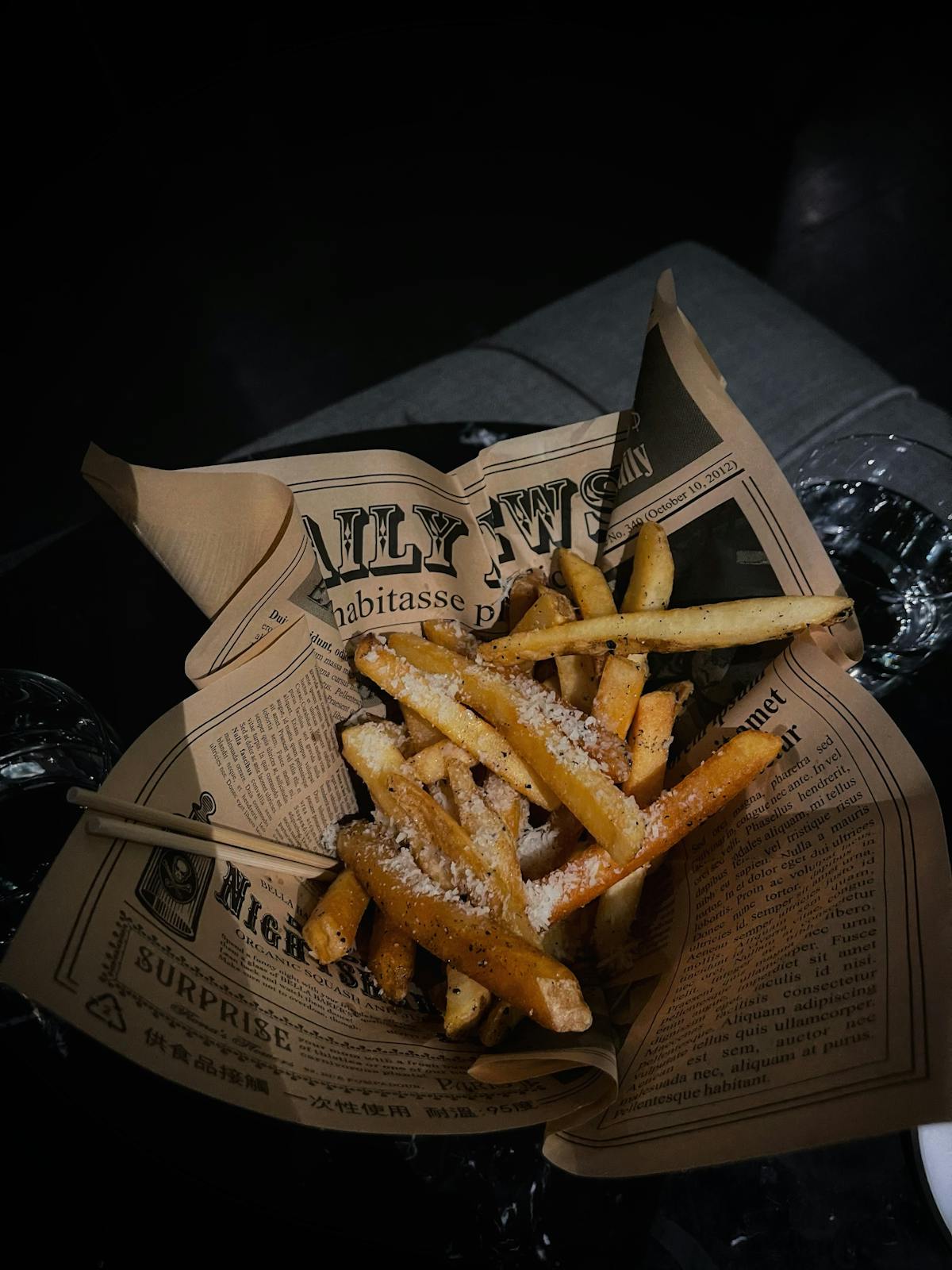
GLP‑1s don’t erase diet culture on their own. They simply move the battle lines—often from the plate to the pharmacy.
Safety, Side Effects, and Long‑Term Questions
While GLP‑1s can be transformative for many, they are not side‑effect‑free and not appropriate for everyone. Known issues and concerns include:
- Common GI side effects: nausea, vomiting, diarrhea, constipation, abdominal pain
- Potential gallbladder problems and pancreatitis (less common but serious)
- Injection site reactions and, rarely, allergic responses
- Interactions with other medications or specific medical conditions
There are also open questions around:
- How long most people will need to stay on these medications
- What happens to weight, appetite, and metabolic health years after stopping
- Access and affordability, especially for marginalized communities
Eating Well on GLP‑1s: Practical, Gentle Guidance
If you and your clinician decide a GLP‑1 medication is right for you, food can shift from an adversary to an ally. The goal isn’t perfection; it’s giving your body what it needs, even in small amounts.
Simple Nutrition Strategies
- Anchor each small meal with protein – eggs, Greek yogurt, tofu, beans, cottage cheese, fish, poultry, or lean meats.
- Add color – a few cherry tomatoes, sliced cucumber, berries, or frozen vegetable blends can boost vitamins and fiber.
- Stay hydrated – small, frequent sips of water, herbal tea, or broth help support digestion and reduce headaches.
- Plan for snacks – cheese and fruit, hummus with crackers, or a small smoothie can prevent blood sugar dips.
Honoring Emotional and Social Eating
Food is more than fuel; it’s connection. You’re still allowed to:
- Share a slice of birthday cake even if you’re not very hungry
- Have comforting soup when you’re sad or stressed
- Enjoy family recipes that tie you to your culture or heritage
The key is listening to your body’s signals and respecting medical guidance while preserving the joy and meaning that food can carry.
Equity, Access, and Stigma: Who Gets GLP‑1s—and How We Talk About Them
GLP‑1s sit at the intersection of science and society. They can significantly improve health outcomes for some, but only if people can access them safely and affordably—and without shame.
- Cost and coverage – Insurance coverage varies widely, leaving many unable to afford treatment.
- Shortages – High demand for weight loss has, at times, strained supply for people with diabetes.
- Stigma – People in larger bodies may be pushed toward medication when they don’t want it, while others are criticized for “taking the easy way out.”
A compassionate approach recognizes that:
- Obesity is influenced by genetics, environment, metabolism, stress, sleep, and more.
- No one owes thinness—or medication—to anyone.
- Everyone deserves respectful, evidence‑based care, at any size.
The Future of GLP‑1 Diet Culture: Beyond “Best Diet” Debates
Conversations about health are slowly shifting from What’s the best diet?
to more nuanced questions:
- How do we integrate powerful medications with sustainable nutrition and movement?
- How do we protect mental health and body image along the way?
- How do we make sure access is fair, and people with medical need aren’t left behind?
Whether you personally use a GLP‑1 or not, you’re living in a culture shaped by them. You can push that culture in a healthier direction by:
- Avoiding comments on other people’s bodies and weight changes
- Being cautious about medical advice from influencers or unverified sources
- Centering health, function, and quality of life over appearance

GLP‑1s may be changing the tools we use, but the heart of the journey is the same: finding ways of eating, moving, and caring for ourselves that are sustainable, nourishing, and kind.
Practical Next Steps and Resources
If you’re curious about GLP‑1 medications—or already using one—these steps can support safer, more informed choices:
- Talk with a qualified clinician about your health history, medications, and goals. Ask about benefits, risks, and what long‑term care might look like.
- Consult a registered dietitian who understands GLP‑1s, especially if you’re struggling with appetite, side effects, or nutrient intake.
- Consider mental health support if body image, emotional eating, or social pressure feel overwhelming.
- Be selective with online content; prioritize reputable medical sources over sensational or extreme social media posts.
You deserve care that sees all of you—not just a number on the scale, and not just your prescription list.
