
Why Mediterranean & Blue Zones Eating Is the Calm Anti‑Fad “Forever” Diet
Mediterranean and Blue Zones–style eating are having a quiet revolution: instead of demanding quick fixes and willpower, they invite you to sit down, share a beautiful meal, and play the long game for health and longevity.
Streaming documentaries, podcasts, and recipe creators have pushed these traditional ways of eating back into the spotlight as the “anti‑fad celebrity diet.” No detox teas, no bizarre food rules—just abundant vegetables, legumes, whole grains, good fats, and everyday joy on the plate.
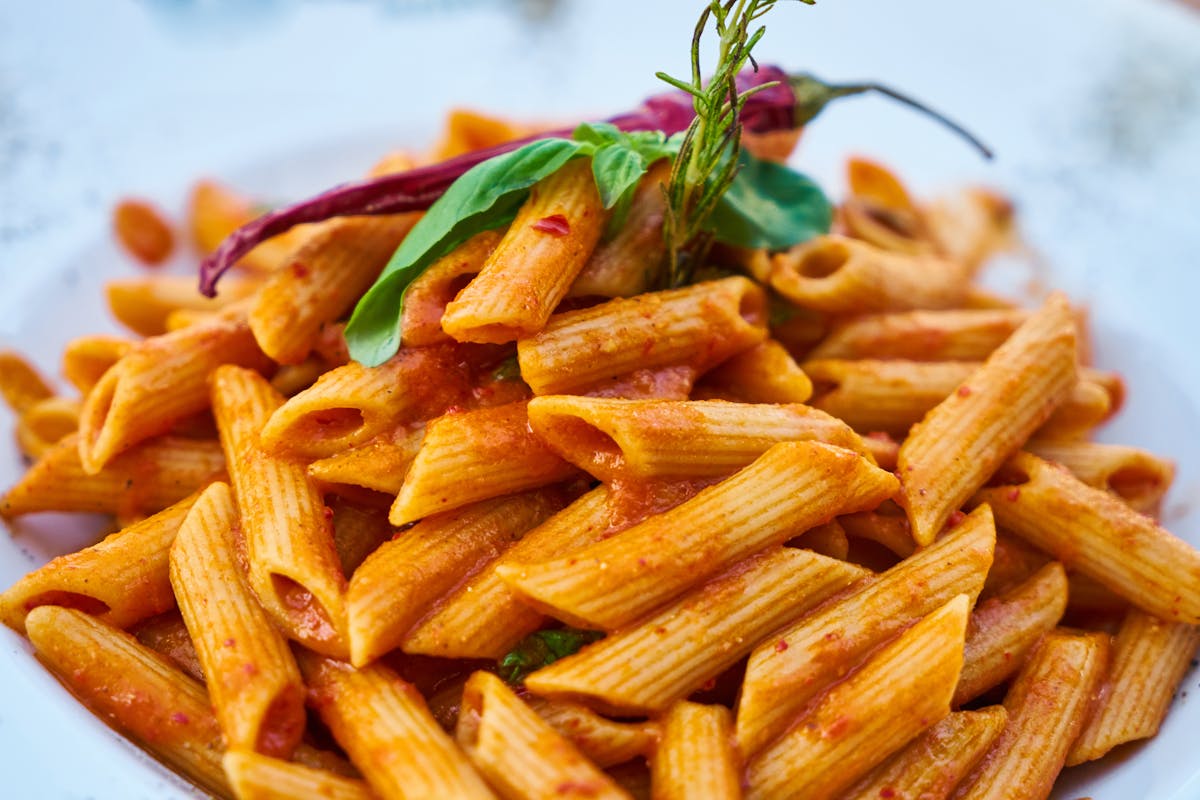
If you’ve ever felt exhausted by conflicting diet advice, this way of eating can feel like a deep breath: flavorful, flexible, and backed by decades of research instead of weeks of hype.
Quick Snapshot: Mediterranean & Blue Zones Eating
Focus: Longevity, heart health, everyday energy
Style: Plant‑forward, minimally processed, flexible
Key foods: Vegetables, fruits, legumes, whole grains, nuts, seeds, olive oil, modest fish
What’s limited: Red & processed meat, sugary drinks, ultra‑processed snacks
Best for: All levels—from busy beginners to seasoned home cooks
Seasonality: Shines with seasonal produce; easily adapted year‑round
Where This Way of Eating Comes From: Mediterranean & Blue Zones
Mediterranean and Blue Zones eating didn’t start in a lab or on a red carpet—they grew out of real communities where people live long, active lives. Blue Zones are regions identified for especially high rates of people who reach 90 or 100 in good health, such as:
- Okinawa, Japan – Sweet potatoes, soy, sea vegetables, and gentle daily movement.
- Ikaria, Greece – Vegetable‑rich dishes, beans, olive oil, and lingering over meals.
- Sardinia, Italy – Whole grains, beans, goat’s milk, and a strong culture of walking.
- Nicoya, Costa Rica – Corn tortillas, beans, squash, and tight‑knit communities.
- Loma Linda, California – Predominantly plant‑based, nuts, whole grains, and social support.
The Mediterranean diet, famously studied in parts of Italy, Greece, and Spain, overlaps heavily with these patterns: generous olive oil, vegetables, fruits, whole grains, nuts, seeds, and regular but moderate seafood.
Instead of chasing the newest detox, people in these regions quietly built a culture around slow cooking, shared food, and movement woven into everyday life.
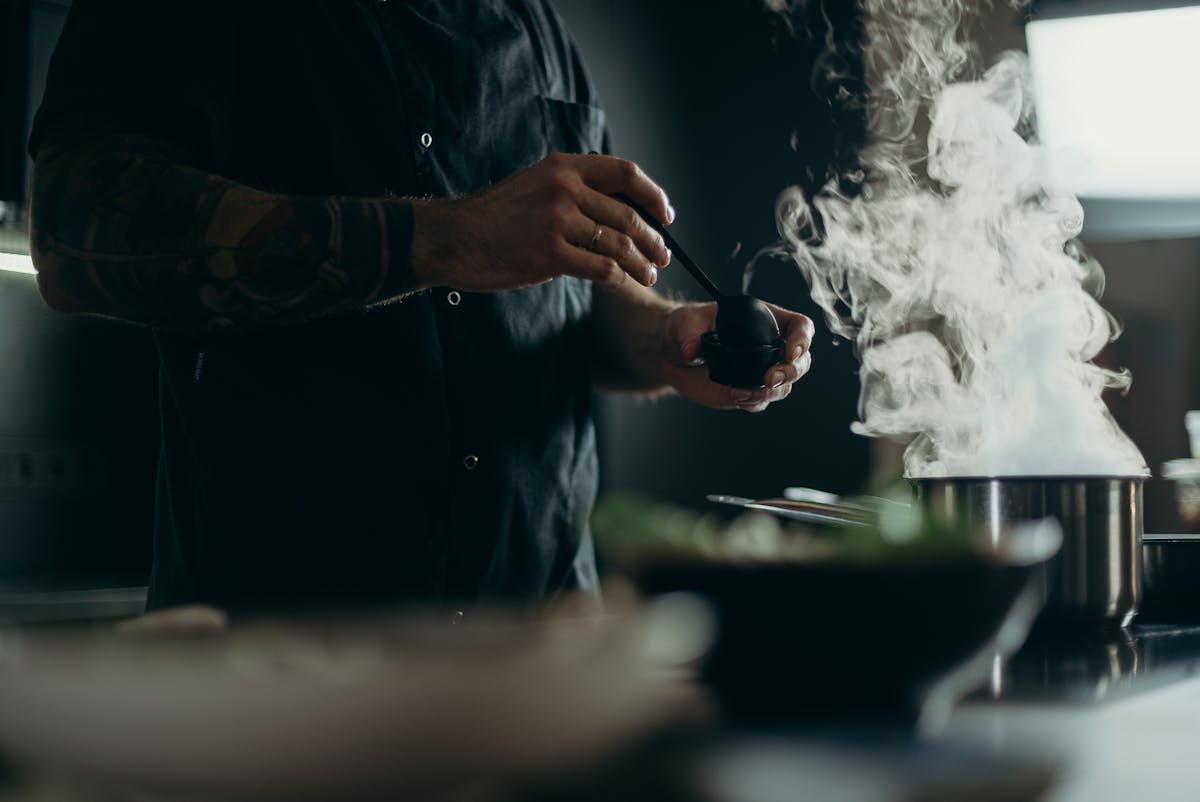
The Anti‑Fad Celebrity Diet: Why This Trend Feels Different
While celebrity diets often promise dramatic changes in a few weeks, Mediterranean and Blue Zones eating patterns are framed as “forever” styles of eating—something you could happily keep doing for decades.
On social platforms and long‑form podcasts, nutrition experts and creators emphasize:
- No strict calorie counting – You focus on food quality and satisfaction.
- No food group is demonized – Carbs, fats, and even dessert can all have a place.
- Real meals, not “diet food” – Think lentil stews, chickpea salads, grilled fish, and roasted vegetables.
- Lifestyle, not hacks – Walking, cooking at home, eating with others, and cutting back on ultra‑processed foods.
Many celebrities now talk about this style of eating as their “maintenance” or “off‑duty” approach—more about feeling good on stage at 70 than fitting into a costume on Friday.

What the Science Says: Longevity, Heart Health & Brain Benefits
Rather than riding on hype, Mediterranean and Blue Zones–inspired patterns are grounded in decades of research. Large observational studies and randomized trials (like the PREDIMED trial and its follow‑ups) have linked Mediterranean‑style eating with:
- Lower risk of cardiovascular disease (heart attack and stroke)
- Reduced incidence of type 2 diabetes and better blood sugar control
- Lower risk of some cancers
- Better cognitive aging and slower decline in memory
- Healthier weight stability without extreme restriction
The magic isn’t a single “superfood.” It’s the entire pattern:
- High fiber from vegetables, beans, and whole grains
- Healthy fats, especially monounsaturated fats from olive oil and omega‑3s from fish and some nuts
- Fewer ultra‑processed foods that are heavy in refined sugars and industrial fats
- Regular movement and strong social ties around food
How Social Media Turned Longevity Eating into a Trend
On TikTok, Instagram, and YouTube, “Mediterranean meal prep” and “Blue Zones breakfast” videos pull in millions of views—not by showing deprivation, but by showcasing generous plates of colorful, comforting food.
Popular dishes include:
- Overnight oats with nuts, seeds, and seasonal fruit
- Bean‑based soups and stews simmered with olive oil, garlic, and herbs
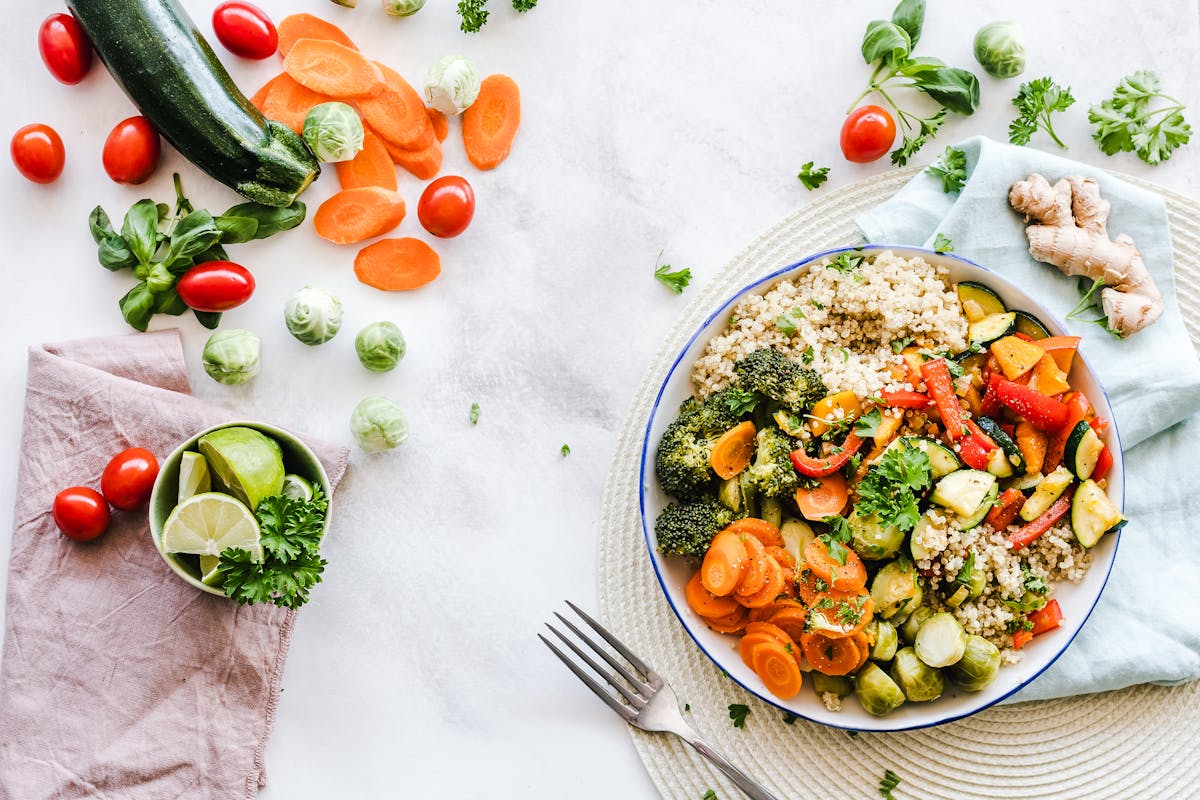
- Vegetable‑heavy grain bowls featuring quinoa, farro, or bulgur
- Simple desserts like fresh fruit with toasted nuts and a drizzle of honey
This trend also meshes with sustainability: plant‑forward, minimally processed foods tend to have a lower environmental footprint than meat‑heavy diets, making this approach appealing for both personal health and the planet.
Featured Recipe: One‑Pot Mediterranean Lentil & Vegetable Stew (Blue Zones Inspired)
This cozy, olive‑oil‑kissed lentil stew brings together the spirit of Ikaria and Sardinia in one pot: tender lentils, sweet tomatoes, silky greens, and plenty of herbs. It’s naturally vegan, high in fiber, and deeply satisfying—the kind of meal you can imagine simmering away in a hillside kitchen while friends drift in for dinner.

Ingredients
For the stew:
- 2 tbsp extra‑virgin olive oil
- 1 medium yellow onion, finely chopped
- 2 medium carrots, diced
- 2 celery stalks, diced
- 3 cloves garlic, minced
- 1 tsp ground cumin
- 1 tsp smoked paprika (or sweet paprika)
- 1 tsp dried oregano
- 1 cup (200 g) brown or green lentils, rinsed
- 1 can (400 g) diced tomatoes (no salt added if possible)
- 4 cups (1 L) low‑sodium vegetable broth (plus more as needed)
- 1 bay leaf
- 2 cups chopped leafy greens (kale, chard, or spinach)
- Salt and freshly ground black pepper, to taste
To finish & serve:
- 2–3 tbsp extra‑virgin olive oil, for drizzling
- Juice of 1/2 lemon
- 2 tbsp chopped fresh parsley or dill
- Crusty whole‑grain bread, for serving (optional)
Equipment
- Large, heavy‑bottomed pot or Dutch oven with lid
- Cutting board and sharp knife
- Wooden spoon or heat‑safe spatula
- Ladle for serving
Step‑by‑Step Instructions
- Build the aromatic base.
Warm 2 tbsp olive oil in your pot over medium heat. Add the chopped onion, carrot, and celery. Cook, stirring occasionally, until the vegetables soften and the onion turns translucent, about 6–8 minutes. You should smell a sweet, savory aroma as the vegetables gently sizzle. - Add garlic and spices.
Stir in the minced garlic, cumin, smoked paprika, and oregano. Cook for 1 minute, just until fragrant. Be careful not to let the garlic brown—it should smell warm and toasty, not sharp or burnt. - Add lentils and tomatoes.
Add the rinsed lentils and canned tomatoes (with juices). Stir to coat the lentils in the spiced oil and vegetables so every lentil gets a bit of flavor right from the start. - Pour in broth and simmer.
Add the vegetable broth and bay leaf. Increase the heat to bring to a gentle boil, then reduce to a steady simmer. Cover partially with a lid and cook for 25–30 minutes, stirring occasionally, until the lentils are tender but still hold their shape. Add a splash more broth or water if the stew looks too thick before the lentils are done. - Add the greens.
Stir in the chopped greens. Simmer another 5–8 minutes, until the greens are velvety and the stew is thick and glossy. Remove the bay leaf. Taste and season with salt and black pepper. - Finish with lemon, herbs, and olive oil.
Off the heat, stir in the lemon juice and fresh herbs. Ladle the stew into warm bowls. Drizzle each serving with a generous thread of olive oil—that final, fragrant sheen is very Mediterranean. - Serve.
Enjoy with crusty whole‑grain bread, or spooned over a scoop of cooked barley, brown rice, or farro. Eat slowly, ideally with someone you enjoy talking to—this is as “Blue Zones” as the ingredients themselves.

Storage, Meal Prep & Reheating
This stew is a meal‑prep dream—like many Mediterranean and Blue Zones–inspired dishes, it tastes even better the next day as the flavors mingle.
- Fridge: Store in an airtight container for up to 4–5 days.
- Freezer: Freeze in portions for up to 3 months. Leave a little room at the top of the container for expansion.
- Reheating on the stove: Warm gently over medium‑low heat with a splash of water or broth, stirring occasionally until hot.
- Microwave: Reheat in short intervals, stirring in between so it heats evenly.
- Freshen it up: Just before serving leftovers, add a squeeze of lemon and a drizzle of olive oil to bring the flavors back to life.

Serving Ideas & Complementary Dishes
To create a full Mediterranean or Blue Zones–inspired meal around this stew, try pairing it with:
- Simple tomato & cucumber salad with red onion, olive oil, and vinegar
- Roasted seasonal vegetables like eggplant, zucchini, bell peppers, or fennel
- Whole‑grain side such as barley, farro, or brown rice
- Small plate of olives and nuts for healthy fats and a bit of crunch
- Fruit‑forward dessert like orange slices with a sprinkle of cinnamon and chopped pistachios
If you enjoy wine and it fits your health needs, a small glass of red wine with a leisurely dinner is common in many Mediterranean regions—but never required for the benefits of this pattern.
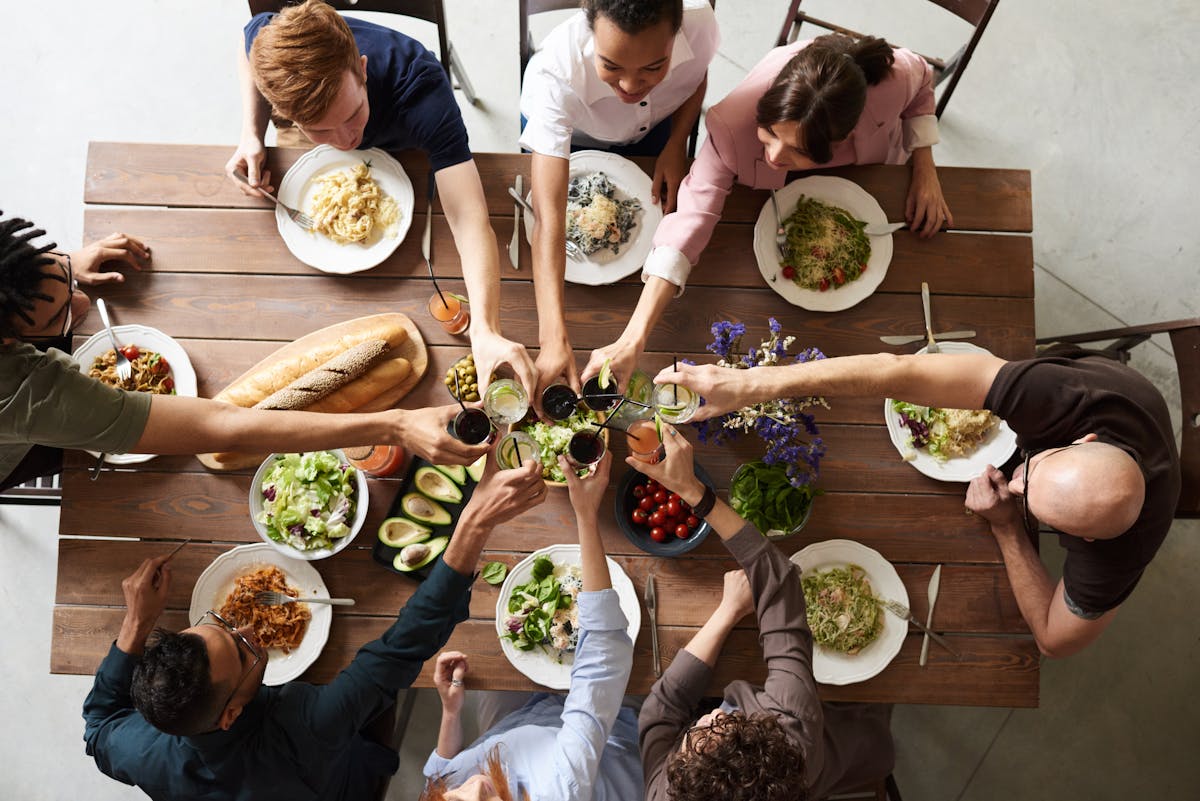
How to Ease into Mediterranean & Blue Zones Eating
You don’t have to overhaul your life overnight. Small, consistent shifts add up beautifully—very much in the spirit of these long‑lived communities.
- Start with one meal. Make a plant‑forward dinner like this lentil stew once a week.
- Add a daily plant “booster.” A handful of nuts, an extra serving of vegetables, or swapping refined grains for whole grains.
- Cook with olive oil. Make it your main cooking and finishing fat where possible.
- Walk more. Add short walks after meals, or build errands into walking distance when you can.
- Eat with others. Even one more shared meal a week can shift the emotional tone of your eating habits.
Most of all, let this pattern feel generous, not restrictive. The guiding question isn’t “What do I have to cut?” but “What delicious, colorful foods can I add that help me feel good now and later?”
