
Gut Health 2.0: How Fermented Foods and Fiber‑Rich Recipes Can Feed Your Microbiome
Gut Health 2.0: From Probiotic Hype to Real-World Cooking
Gut health has entered a more nuanced “Gut Health 2.0” phase, moving beyond generic probiotic supplements into a delicious world of fermented foods, fiber diversity, and gently pro‑metabolic meals. Instead of chasing quick fixes, home cooks are leaning into everyday habits: eating lots of colorful plants, enjoying tangy ferments like kimchi and kefir, and building satisfying, minimally processed plates that support both the microbiome and metabolic health.
You’ll see these ideas everywhere—from TikTok “what I eat in a day” videos to long-form podcasts unpacking the gut–brain axis. Here, we’ll translate that buzz into something you can actually cook: a cozy, vibrant Gut-Friendly Fermented Veggie & Fiber Power Bowl that’s packed with plant variety, fermented toppings, and metabolism-supportive ingredients.
What Is “Gut Health 2.0”?
The new wave of gut health content is less about “take this probiotic and forget it” and more about whole‑food patterns you can repeat every day. A few ideas show up again and again:
- Fermented foods like kefir, yogurt, kimchi, sauerkraut, miso, tempeh, and kombucha.
- Diverse plant fibers from oats, beans, lentils, nuts, seeds, fruits, and vegetables.
- The “30 plants a week” challenge, encouraging people to count how many different plant foods they eat.
- A gentle, pro‑metabolic style of eating that avoids extremes, crash diets, and chronic under‑fueling.
Long-form YouTube explainers and podcasts hosted by physicians, dietitians, and researchers are popular, then sliced into snackable TikToks that amplify phrases like “heal your gut,” “support your metabolism,” and “feed your microbiome.” While not every claim matches the science perfectly, the overall pattern—more whole plants, more ferments, fewer ultra‑processed foods—is strongly aligned with established nutrition guidance.
The Pro‑Metabolic Plate: Gentle, Not Extreme
The “pro‑metabolic” or “metabolism‑supportive” way of eating that’s trending—especially in women’s health spaces—varies from creator to creator, but there are some shared themes:
- Regular meals with enough calories and protein to avoid constant energy crashes.
- Quality carbohydrates—fruit, root vegetables, intact whole grains—rather than chronic low‑carb restriction.
- Healthy fats from olive oil, avocado, nuts, and seeds instead of trans fats and heavily refined oils.
- Minimal ultra‑processed foods and very aggressive fasting protocols.
For many people, this style of eating feels nourishing rather than punishing. Instead of obsessing over what to cut, the focus is on what to add: more color, more fiber, more fermented foods, more satisfying meals.
“Think of a pro‑metabolic, gut‑friendly plate as a generous bowl: a base of whole grains or roots, a heap of colorful veggies, a good handful of beans or quality protein, and something tangy and fermented on top.”
Recipe: Gut-Friendly Fermented Veggie & Fiber Power Bowl
This vibrant bowl is a love letter to Gut Health 2.0: a cozy, customizable meal that layers whole grains, beans, rainbow vegetables, and a punchy hit of fermented kimchi or sauerkraut. It’s naturally high-fiber, rich in plant diversity, and can easily be made vegan and gluten‑free.
Prep Time: 20 minutes
Cook Time: 25 minutes
Total Time: ~45 minutes
Servings: 2–3 generous bowls
Difficulty: Easy
Dietary: High-fiber, gut-friendly, vegetarian (easily vegan & gluten‑free)

Equipment You’ll Need
- Medium saucepan with lid (for grains)
- Baking tray (for roasting vegetables)
- Mixing bowl (for dressing and assembling)
- Cutting board and sharp knife
- Measuring cups and spoons
- Optional: glass jars for storing leftover components
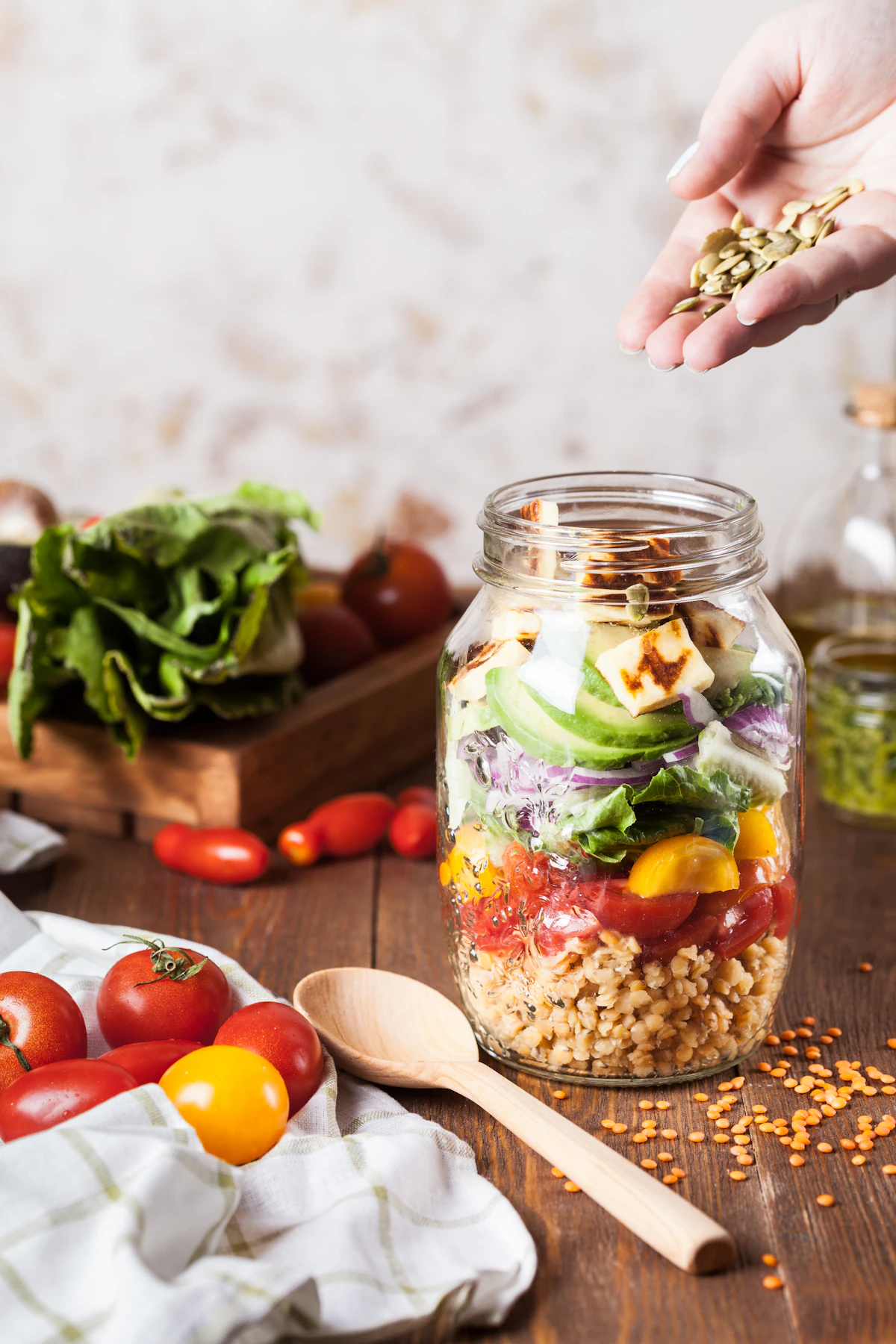
Ingredients
For the Bowl Base
- 1 cup (185 g) cooked whole grains such as brown rice, quinoa, or buckwheat
- 1 cup (160 g) cooked beans or lentils (e.g., chickpeas, black beans, green lentils), drained and rinsed if canned
- 1 small sweet potato (about 150 g), diced into 1.5 cm cubes
- 1 cup (100 g) broccoli florets or cauliflower florets
- 1 medium carrot, sliced or cut into matchsticks
- 1 tbsp olive oil or avocado oil (for roasting)
- Pinch of sea salt and freshly ground black pepper
Fermented & Fresh Toppings
- 1/2 cup (70 g) kimchi or unpasteurized sauerkraut
- 1/2 cup (40 g) mixed leafy greens (spinach, arugula, or salad mix)
- 1/4 cup (30 g) red cabbage, finely shredded
- 2 tbsp fresh herbs (parsley, cilantro, or chives), chopped
- 1 tbsp toasted seeds (pumpkin, sunflower, or sesame)
- 1 tbsp ground flaxseed or chia seeds
Pro‑Metabolic Dressing
- 2 tbsp extra virgin olive oil
- 1 tbsp apple cider vinegar or fresh lemon juice
- 1 tsp Dijon mustard
- 1 tsp honey or maple syrup (optional, for balance)
- 1 small garlic clove, finely minced or grated
- 1–2 tbsp plain yogurt or kefir (use coconut yogurt for vegan)
- Pinch of sea salt and pepper, to taste
Step-by-Step Instructions
1. Cook the Whole Grains
- Rinse your chosen grain under cold water. In a saucepan, combine 1/2 cup (uncooked) grain with water according to package directions.
- Bring to a boil, then reduce to a gentle simmer. Cover and cook until tender: about 15 minutes for quinoa, 25–30 minutes for brown rice, or as directed.
- Fluff with a fork and let it steam off the heat, lid on, for 5 minutes. This gives you a soft, chewy base that soaks up the dressing beautifully.
2. Roast the Vegetables
- Preheat your oven to 200 °C / 400 °F. Line a baking tray with parchment paper for easy cleanup.
- On the tray, toss the sweet potato cubes, broccoli florets, and sliced carrot with 1 tbsp olive oil, a pinch of salt, and pepper. Spread into a single layer.
- Roast for 18–22 minutes, stirring once halfway through, until the sweet potato is tender and the edges of the vegetables are lightly browned. The kitchen will smell warm and slightly caramelized.
3. Make the Pro‑Metabolic Dressing
- In a small mixing bowl, whisk together olive oil, apple cider vinegar (or lemon), Dijon mustard, honey (if using), garlic, and yogurt or kefir.
- Season with a pinch of salt and pepper. Taste and adjust: add more acid for brightness, more yogurt for creaminess, or a touch more honey for balance.
- The dressing should taste tangy, slightly creamy, and gently garlicky—designed to complement the sourness of the fermented veggies without overpowering them.
4. Prepare the Fermented & Fresh Toppings
- While the vegetables roast, finely shred the red cabbage, rinse and pat dry your leafy greens, and chop the fresh herbs.
- Measure out the kimchi or sauerkraut. If it’s very sour or spicy and you’re new to ferments, start with a smaller amount (2–3 tbsp per bowl).
- Toast the seeds in a dry pan over medium heat for 2–3 minutes, stirring frequently, until fragrant and lightly golden.

5. Assemble Your Gut-Friendly Bowl
- Divide the warm grains between bowls. Spoon the roasted vegetables on top.
- Add a generous scoop of beans or lentils to each bowl.
- Tuck in handfuls of leafy greens and a nest of shredded red cabbage for crunch and color.
- Add the kimchi or sauerkraut in a small pile rather than stirring it in completely—this helps preserve texture and flavor.
- Drizzle with the dressing, then sprinkle with herbs, toasted seeds, and ground flax or chia.
The first bite should be a joyful mix of textures: creamy grains, sweet roasted veg, earthy beans, crisp cabbage, and that electric, tangy pop of fermented goodness. Aromas of garlic, olive oil, and toasted seeds round everything out.

Substitutions & Dietary Adaptations
- Gluten‑free: Choose gluten‑free grains like quinoa, buckwheat, or certified gluten‑free oats.
- Vegan: Use coconut or almond yogurt in the dressing and swap honey for maple syrup.
- Lower FODMAP (for sensitive guts): Use small portions of canned lentils or firm tofu, skip the garlic, and choose sauerkraut over kimchi (which often contains garlic and onion). Always follow your individual plan.
- Protein boost: Add grilled salmon, tempeh, tofu, or a soft‑boiled egg to support satiety and muscle maintenance.
- Milder flavor: If kimchi is too spicy, try plain sauerkraut or fermented carrots for a gentler tang.
Storage & Reheating
One of the joys of this recipe is how beautifully it works for meal prep. To keep textures and microbes happy, store components separately when possible.
- Cooked grains & beans: Store in airtight containers in the fridge for up to 4 days. Reheat gently on the stovetop with a splash of water, or in the microwave until just warm.
- Roasted vegetables: Refrigerate for 3–4 days. Reheat in a pan or oven to crisp them back up if you like.
- Fermented toppings: Keep in their brine in the original jar in the fridge. They usually last for weeks to months—always follow the product label.
- Dressing: Store in a sealed jar in the fridge for up to 4 days. Shake well before using.
- Fully assembled bowl: If you need to pack everything together, keep the dressing and ferments in separate small containers and add just before eating.
Serving Ideas & Complementary Dishes
This gut-friendly power bowl can easily anchor a whole pro‑metabolic day of eating. Here are a few ways to round out your menu:
- Breakfast: Overnight oats with chia seeds, ground flax, berries, and a spoonful of yogurt or kefir.
- Side dish: A simple mixed‑leaf salad with olive oil and lemon, sprinkled with nuts and seeds.
- Drink pairing: A small glass of kombucha or sparkling water with citrus and mint for a refreshing acid kick.
- Snack: Sliced apples with nut butter and a dusting of cinnamon, or carrot sticks with hummus.
Remember, no single recipe “fixes” the gut—but a pattern of colorful, fiber‑rich, minimally processed meals builds a foundation for better digestion, steadier energy, and even mood support over time.
Gut Health 2.0 in Everyday Life
As search interest for terms like “gut health recipes,” “fermented foods benefits,” and “pro‑metabolic diet” rises, it’s easy to feel overwhelmed by claims and trends. Use them as inspiration, not pressure. Let this fermented, fiber‑rich bowl be one repeating character in your weekly story: an approachable, comforting dish that quietly checks all the Gut Health 2.0 boxes while still tasting like something you genuinely crave.
Cook it once, tweak it often, and notice how many different plants you can sneak in. Your microbiome—and your taste buds—will thank you.
Recipe Structured Data
The following JSON-LD provides structured data for this recipe to support rich results in search engines.
