
Why F1’s 2026 Revolution Will Change Everything on the Grid
Formula 1’s 2026 season is shaping up as a full‑scale reset: lighter, more agile cars, the most radical power-unit overhaul since the hybrid era began, a fresh team joining the championship and a new British rookie stepping into the spotlight. The competitive order that has settled over the past few years could be ripped apart as the sport leans into sustainability, efficiency and closer racing.
2026 F1 Technical Revolution: Smaller, Lighter, Smarter
The 2026 Formula 1 regulations, confirmed by the FIA and teams, represent the sport’s boldest step in years. Cars will be roughly 30kg lighter and around 10cm narrower, with overhauled aerodynamics and a transformed hybrid power unit aimed at improving racing and sustainability while maintaining the sport’s trademark speed.
The regulations target what the FIA calls “nimble cars” that rely less on outwash and turbulent air and more on smart aero and mechanical grip. That translates into better following performance, more overtaking opportunities and less tyre abuse in dirty air.
| Feature | 2025 Cars | 2026 Cars |
|---|---|---|
| Minimum weight | ~798kg | ~30kg lighter |
| Car width | 2000mm | ~1900mm (–10cm) |
| Downforce profile | High ground-effect, turbulent wake | Reduced wake, more neutral air |
| ERS contribution | ~20% of power | ~50% of total power |
| Fuel | Fossil fuel with some bio content | Fully sustainable, synthetic/bio fuel |
The rule-makers are trying to avoid the ultra-heavy, ultra-wide feel that has defined the current generation. A more compact footprint should let drivers attack tighter lines, use more of the track and lean on their tyres without the same mass working against them.
“These are the most ambitious technical regulations Formula 1 has ever attempted – more sustainable, more efficient and designed from the ground up to improve racing,” said an FIA technical representative after the package was signed off.
Hybrid Power 2.0: The 2026 Engine and Sustainable Fuel Era
The 2026 power units keep F1 hybrid, but the balance shifts dramatically toward electric power. The internal combustion engine remains a 1.6‑litre V6, but with less reliance on the MGU‑H and a much more powerful energy recovery system, closer to a 50/50 split between electric and combustion power.
- Fully sustainable fuel designed to be carbon-neutral from well to wheel.
- Massively uprated ERS for longer deployment down straights and out of slow corners.
- Stricter fuel-flow and efficiency targets to reward engineering innovation.
This shift has attracted major automotive players and convinced existing partners to double down. The headline is relevance: F1 wants the tech developed on Sundays to matter on the road cars that manufacturers sell on Mondays.
Expect new strategic layers around battery usage and lift‑and‑coast techniques. Drivers will have to balance outright aggression with energy conservation, and teams that can simulate these choices most accurately will gain a crucial edge.
Aerodynamics, DRS and Active Tricks: Will Racing Truly Improve?
On the aero side, Formula 1 is doubling down on cleaner racing. The ground‑effect philosophy introduced in 2022 stays, but the rules further limit outwash and turbulent vortices, aiming to make following another car less punishing on tyres and downforce.
One major talking point is how the Drag Reduction System – or its successor – will function. The sport is experimenting with:
- Reworked DRS zones, or potential alternatives, that are less artificial but still aid overtaking.
- Limited active aero elements to balance straight‑line speed with cornering grip.
- Strict safety thresholds to ensure moving parts can’t lead to failures at high speed.
The challenge is clear: make the racing closer without turning F1 into a push‑to‑pass video game. Fans, drivers and teams are aligned on what they want – a bigger window where a faster car can actually make a move when it closes up, not just sit in a long DRS train.

A New Team on the Grid: Fresh Colours, Fresh Storylines
Beyond the rulebook, the 2026 Formula 1 grid will welcome a new team, adding another layer of intrigue. Whether it is a full factory entry or a rebranded operation, a fresh team always shifts the political and competitive balance – new sponsors, new staff, and another technical direction to study.
For fans, a new entry means:
- An extra pair of drivers, bringing new rivalries and intra‑team dynamics.
- A different design language on the grid – from livery to chassis philosophy.
- Potential opportunities for young drivers and engineers to break into F1.
History suggests that new teams usually need time to find their feet, but modern cost caps and wind‑tunnel/CFD limits should at least prevent a massive resource gap. If the newcomer can hit the ground running, the midfield battle could become the fiercest part of the 2026 narrative.

Spotlight on the British Rookie: The Next Home‑Grown Hope
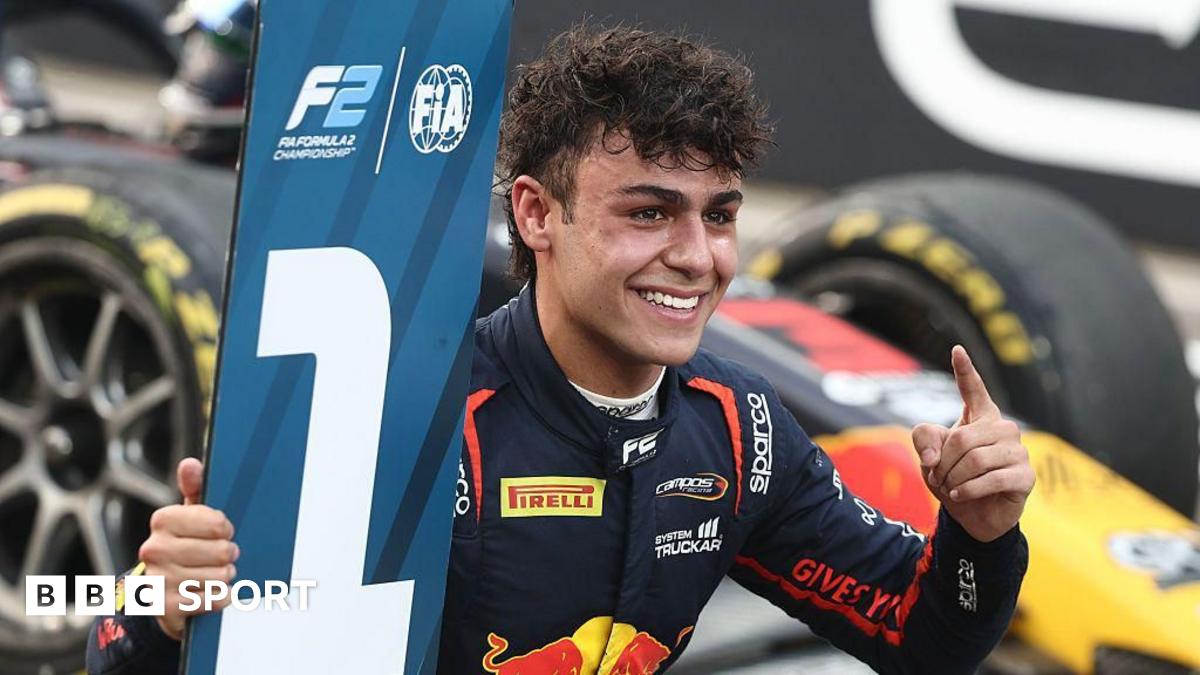
Britain’s production line of Formula 1 talent is set to continue in 2026 with a new rookie joining the grid. Coming through the junior ranks with strong results and modern racecraft, the newcomer will carry the weight of expectation from a fanbase used to seeing British drivers fight at the front.
Key questions heading into that debut season include:
- How quickly can they adapt to the more complex 2026 hybrid systems and energy management?
- Will they land in a team capable of fighting for points immediately, or is it a long‑term project?
- How will they cope with the pressure of racing at Silverstone in front of a partisan home crowd?
“Jumping into Formula 1 is never easy, but doing it as the rules reset gives you a chance to grow with the car,” one leading junior‑series coach noted of the British prospect’s promotion.

Who Gains, Who Loses? Predicting the 2026 Competitive Shake‑Up
Major regulation changes have a habit of reshuffling the pecking order. 2014’s hybrid overhaul propelled Mercedes into a new era of dominance, while the 2022 ground‑effect reboot eventually allowed Red Bull to seize control. 2026 could be another flashpoint moment.
Factors likely to decide the winners of this reset:
- How early teams switched significant resources to 2026 development.
- The quality of manufacturer integration between chassis and power unit.
- Simulation tools and correlation – wind tunnel, CFD and real‑world testing data.
| Team Group | Likely Strength | Key Risk |
|---|---|---|
| Established title contenders | Deep resources, strong driver line‑ups, proven simulation tools. | Potentially slower to pivot away from current‑era concepts. |
| Upper‑midfield challengers | Hungry for breakthrough, aggressive innovation culture. | Resource limits if early concepts miss the mark. |
| New team | Clean‑sheet thinking, no legacy design compromises. | Lack of historical data and established processes. |
| Customer teams | Access to top power units, lower development overhead. | Rely heavily on supplier direction and update timing. |
It would be risky to predict another single‑team domination given cost caps and aerodynamic testing restrictions. The safer expectation is a compressed field, with more surprise podiums and a season where development wars swing momentum back and forth.

Human Stories Behind the Tech: Drivers, Engineers and Fans
Beneath the regulation sheets and CAD drawings, 2026 will be a test of people as much as machinery. Senior engineers face career‑defining gambles on aero concepts and hybrid layouts. Experienced drivers must unlearn some instincts built over years in heavier cars and adjust to a more agile, energy‑sensitive style of racing.
For fans, especially those heading to classic venues like Silverstone, Monza and Suzuka, the appeal lies in seeing something genuinely new at the limit. The sound may evolve, the shapes may change, but the emotional hook is the same: the fastest drivers in the world dealing with the unknown at 300km/h plus.
The 2026 season will also be a measuring stick for Formula 1’s promises on sustainability. Fully sustainable fuel and greater electrical power must deliver real‑world impact, not just marketing headlines. How transparently the sport reports those gains will go a long way to convincing sceptical fans.
Looking Ahead: Key Storylines to Watch in the 2026 F1 Season
As the 2026 Formula 1 campaign approaches, testing times, early reliability runs and long‑run pace will only tell part of the story. The real verdict will come when the lights go out for the opening grand prix and 20‑plus cars dive into Turn One under the new rules.
- Do the lighter, narrower cars genuinely transform wheel‑to‑wheel racing?
- Can the new power‑unit formula deliver both performance and sustainability?
- Will the new team and British rookie become instant fan favourites or slow‑burn success stories?
- And crucially, does the field compress enough to produce a multi‑team title fight?
However it plays out, 2026 is more than just another season; it is a statement about what Formula 1 wants to be in the next decade – fast, fierce and, if the rulemakers get it right, closer than ever.
For official information on the 2026 regulations and calendar, visit the FIA Formula One World Championship page and the official Formula 1 website.
