
Why Experts Say We’re Sleeping on Bird Flu – And What You Can Calmly Do About It Today
The World Is Sleeping on Bird Flu: What You Really Need to Know (Without Panic)
Many people feel emotionally exhausted by talk of pandemics and just want to tune out. At the same time, infectious‑disease experts are quietly raising their voices: the world may be underestimating the risk from bird flu (H5) and other influenza viruses that move between animals and humans. The goal of this guide is not to scare you—it’s to explain, in plain language, what’s going on and what you can reasonably do about it.
You’ll learn why scientists are worried, what evidence they’re watching most closely, and how you can protect yourself and your family with the same calm, layered approach that works for seasonal flu and many respiratory viruses. We’ll focus on practical, evidence‑based steps—no hype, no overpromises.
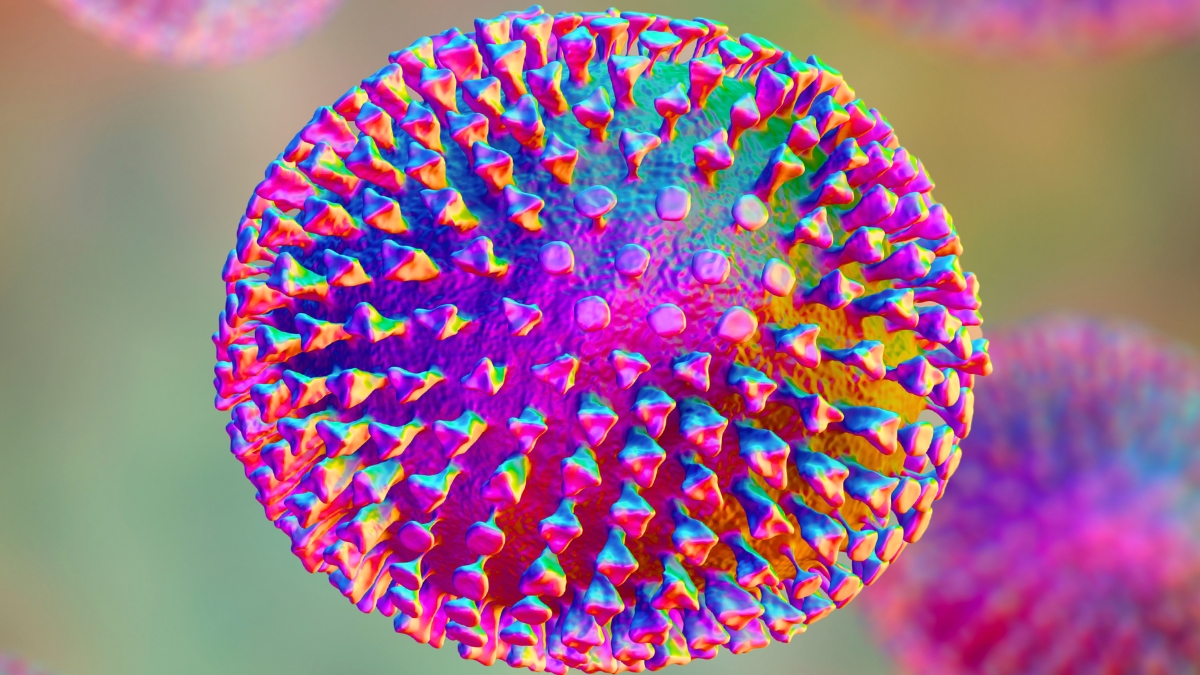
Why Experts Are Worried About Bird Flu Now
Bird flu—especially strains like H5N1—has circulated in wild birds and poultry for decades. What’s changed in recent years is:
- Scale and spread: Large outbreaks in birds on multiple continents.
- Species jumps: Infections reported in mammals such as sea lions, mink, and cattle in some regions.
- Occasional human infections: Rare, but closely watched because they reveal how the virus behaves in people.
When a virus that thrives in animals starts infecting many species, scientists pay attention. Each new infection is another chance for the virus to learn how to spread more efficiently in humans. That doesn’t mean it will, but it raises the probability.
“We are seeing levels of animal influenza activity that are historically high. The risk to the general public is still low, but from a public‑health perspective, the situation demands vigilance, not complacency.”
— Infectious‑disease epidemiologist, summarizing recent WHO and CDC briefings
Pandemic Fatigue Is Real: Why You Want to Tune It Out
After years of COVID‑19 news, many people feel a mix of anxiety, grief, frustration, and simple burnout. It’s understandable that headlines about “the next pandemic” can feel overwhelming—or like background noise you’d rather ignore.
In conversations with readers and patients, a few themes come up again and again:
- “I can’t live in constant fear anymore.”
- “I did everything right before and still got sick.”
- “I don’t know which warnings to trust.”
- “I just want clear, practical guidance, not panic.”
The goal here is to give you exactly that: clear, honest context and doable actions that don’t take over your life. Think of bird‑flu preparedness as part of general health resilience—like having a first‑aid kit or smoke detector.

What the Science Says About Bird Flu Risk (In Plain Language)
Bird flu viruses are influenza A viruses that primarily infect birds. Strains like H5N1 and H5N6 are known as highly pathogenic avian influenza (HPAI) in birds because they can cause severe disease in poultry flocks. Disease severity in humans, however, varies by strain and by individual.
Current evidence, summarized
- Human infections are still rare. Most reported human cases have been linked to close contact with infected birds or contaminated environments.
- Limited human‑to‑human spread. So far, sustained transmission between people has not been documented for the dominant bird‑flu strains under watch, although isolated clusters are investigated closely.
- Severity can be high in some strains. Historically, certain H5N1 infections in humans have had high case‑fatality rates, but these numbers are based on detected cases and likely overestimate true risk because mild or asymptomatic infections are often missed.
- Viruses evolve. Influenza viruses naturally mutate and can exchange genetic material with other flu viruses, especially when multiple strains infect the same host.
Public‑health agencies like the World Health Organization (WHO) and the U.S. Centers for Disease Control and Prevention (CDC) continuously monitor:
- Genetic changes that might make a virus spread more easily in humans.
- Unusual clusters of respiratory illness.
- Animal‑outbreak patterns that suggest increased spillover risk.
“Right now, the risk to the general public from avian influenza remains low. However, because influenza viruses constantly evolve, we must maintain strong surveillance in animals and humans and be prepared to adapt quickly.”
— Paraphrased from WHO and CDC risk‑assessment statements
Practical Ways to Lower Your Risk Without Living in Fear
The good news: many of the same habits that protect you from seasonal flu and other respiratory infections also help reduce bird‑flu risk, especially if the virus ever adapts to spread more widely among humans. Think of this as a “no regrets” toolkit—helpful even if a bird‑flu pandemic never occurs.
1. Keep your vaccines up to date
- Seasonal flu vaccine: Recommended annually for most people. While it doesn’t target bird‑flu strains directly, it lowers your risk of regular flu and can reduce the chance of being co‑infected with multiple flu viruses—one pathway for viral evolution.
- Other routine vaccines: Keeping your general vaccination schedule up to date supports overall health and can reduce strain on health systems during outbreaks.
2. Strengthen everyday infection‑control habits
- Stay home when sick as much as your circumstances allow, especially with fever, cough, or sore throat.
- Improve ventilation where you live and work:
- Open windows when weather and air quality permit.
- Use HEPA or high‑quality air purifiers in frequently used rooms if feasible.
- Avoid crowded, poorly ventilated indoor spaces when respiratory viruses are surging locally.
- Hand and respiratory hygiene:
- Wash hands with soap and water for at least 20 seconds, especially after being in public spaces.
- Use alcohol‑based hand sanitizer when washing isn’t possible.
- Cough or sneeze into your elbow or a tissue, then discard the tissue promptly.
- Keep high‑touch surfaces clean in shared spaces during respiratory‑virus season.
3. Know when masks make sense
Evidence from COVID‑19, influenza, and other respiratory infections suggests that well‑fitted masks (such as respirators like N95/FFP2 where available and appropriate) can lower risk, especially:
- In crowded indoor settings with poor ventilation.
- When caring for someone with respiratory symptoms.
- If you’re at higher risk of severe illness and can’t avoid risky environments.
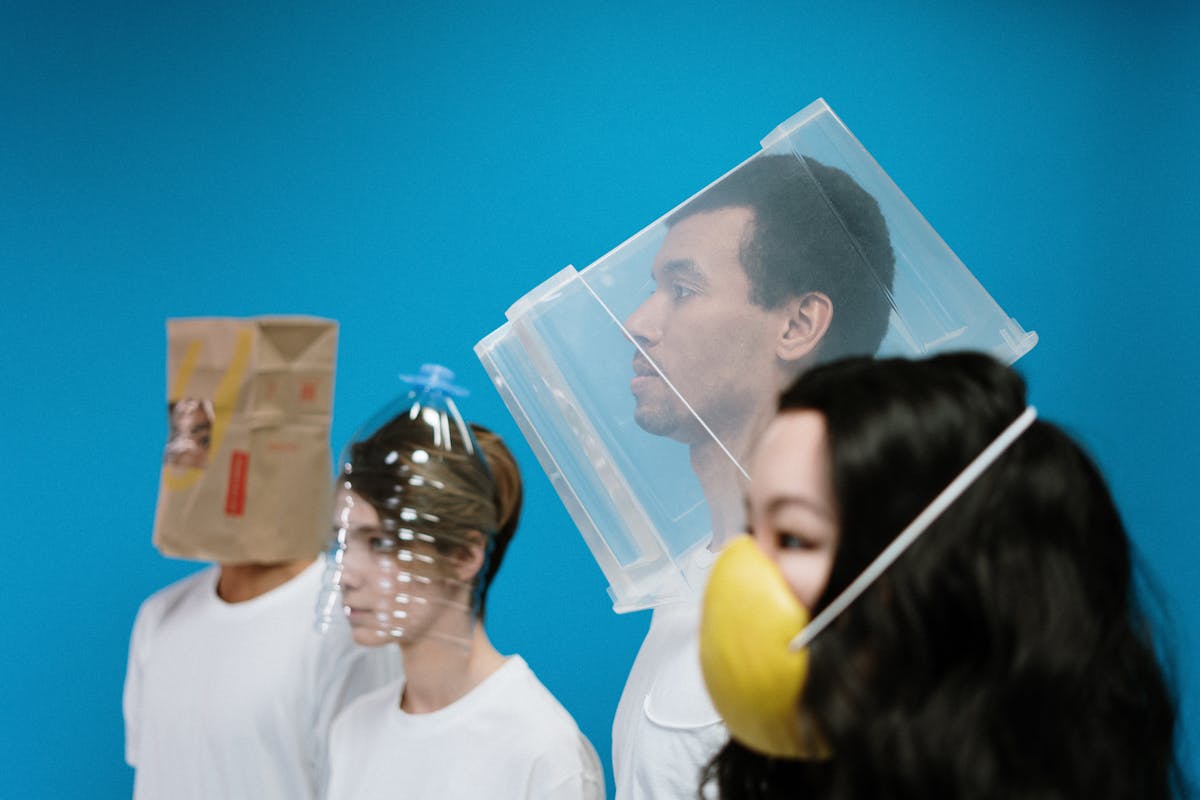
Extra Precautions If You Live or Work Around Birds and Animals
Most people have very low direct exposure to bird flu. The risk is higher if you:
- Work in poultry farms, live‑bird markets, or slaughterhouses.
- Handle wild birds or sick/dead animals.
- Work in veterinary medicine, wildlife rescue, or animal research.
Practical safety measures
- Use appropriate protective equipment (gloves, masks/respirators, eye protection) as recommended for your workplace.
- Avoid direct contact with sick or dead birds; never handle them bare‑handed.
- Follow local reporting rules for unusual bird deaths or respiratory illness in flocks or herds.
- Cook poultry and eggs thoroughly. Proper cooking kills influenza viruses. Avoid raw or undercooked poultry products.

What Governments and Health Systems Are Doing (and Why It Matters to You)
No individual can prevent a pandemic alone. Bird‑flu preparedness depends heavily on public‑health systems. While details vary by country, key strategies include:
- Surveillance: Testing birds, animals, and people with unusual respiratory illness.
- Genomic sequencing: Analyzing virus samples to detect concerning mutations early.
- Vaccine development: Creating and updating candidate vaccines that could be scaled up quickly if needed.
- Stockpiling antivirals and PPE: Maintaining emergency supplies of medicines and protective equipment.
- International coordination: Sharing data and resources through networks like WHO’s Global Influenza Surveillance and Response System.
“Pandemic preparedness is not prediction; it’s insurance. The question is not if we will see another influenza pandemic, but whether we are ready when it arrives.”
— Public‑health preparedness specialist
Staying informed through reputable sources—and supporting policies that fund surveillance, research, and health‑system strengthening—may be one of the most impactful things you can do as a citizen.
Common Obstacles: Anxiety, Confusion, and Misinformation
Even when people genuinely want to be prepared, several obstacles get in the way:
- Information overload: Too many headlines, not enough clarity.
- Sensationalism: Scary language that doesn’t reflect actual risk.
- Outdated rumors: Old information recirculated without context.
- All‑or‑nothing thinking: Feeling like you must do “everything” or “nothing.”
Strategies to navigate this calmly
- Pick 2–3 trusted sources (e.g., WHO, your national public‑health agency, a local academic medical center) and largely ignore the rest.
- Set news boundaries: Check updates once a day or a few times a week instead of refreshing constantly.
- Focus on what’s actionable: If a piece of information doesn’t change what you do, it may not deserve your daily attention.
- Talk it out: If anxiety is high, discussing your concerns with a healthcare provider or therapist can help you find a balanced approach.

Before and After: What Preparedness Looks Like in Everyday Life
It can be hard to picture what “being prepared but not panicked” actually looks like. Here’s a simplified before/after comparison many readers find helpful:
| Before | After |
|---|---|
| Skips annual flu shots and doesn’t think about respiratory viruses until sick. | Gets seasonal flu shot most years and checks if any extra recommendations apply (e.g., pregnancy, chronic conditions). |
| Keeps windows closed and rarely thinks about air quality indoors. | Opens windows when possible, considers an air purifier for main living space, and avoids very crowded indoor events during peak virus season. |
| Reads every dramatic headline and feels overwhelmed. | Follows 1–2 trusted sources, checks periodically, and focuses on specific recommendations. |
| Has no supplies on hand and scrambles during outbreaks. | Keeps a modest stock of essentials: a thermometer, basic medicines, a few quality masks, and enough food for a few extra days at home. |
Moving Forward: Stay Calm, Stay Curious, Stay Prepared
Bird flu deserves our attention—but not our constant fear. Experts sounding the alarm are asking for preparedness, not panic. By strengthening basic infection‑control habits, staying current on vaccines, and following trustworthy information, you’re already doing a lot of what public‑health professionals hope to see.
You don’t need to read every new study or track every outbreak map. A few thoughtful choices, repeated over time, will matter far more than late‑night doom‑scrolling. Your future self—facing whatever the next few years bring—will likely be grateful you laid that groundwork now.
Your next small step
- Choose one trusted source (e.g., WHO, CDC, your national health agency) and bookmark it.
- Check your vaccination status and schedule any needed appointments.
- Assemble a simple home “respiratory kit” with masks, sanitizer, a thermometer, and basic over‑the‑counter medications as advised by your healthcare provider.
Preparedness is an act of care—for yourself, your loved ones, and your community. You don’t have to do it perfectly; you just have to begin.
Article Metadata (SEO & Schema)
Meta Title: The World Is Sleeping on Bird Flu: Expert Warnings, Real Risks, and How to Prepare Calmly
Meta Description: Bird flu experts warn the world is underprepared—but that doesn’t mean you need to panic. Learn what avian influenza is, what current science says about the risk, and practical, evidence‑based steps you can take today to protect yourself and your family.
