
Intermittent Fasting 2.0: How Time‑Restricted Eating Supercharges Metabolic Health
Intermittent Fasting 2.0: From Diet Fad to Metabolic Health Tool
Intermittent fasting (IF) is having a second life. Instead of crash challenges and “how long can you go without eating?” bravado, a new wave of research and real‑world practice is steering IF toward something gentler, smarter, and far more sustainable: time‑restricted eating (TRE) aligned with your body’s circadian rhythm.
On podcasts, YouTube, and social feeds, doctors and nutrition researchers now talk less about extreme 24‑hour fasts and more about practical, everyday rhythms—like a 14:10 or 16:8 eating window that starts in the morning and winds down well before bedtime. Alongside this shift comes a deeper focus on metabolic health, insulin sensitivity, muscle preservation, and food quality, not just the number on the scale.
Think of Intermittent Fasting 2.0 as a framework that helps you eat earlier, better, and more intentionally, without needing perfection. If you love food—and still want to care for your blood sugar, hormones, and long‑term health—this evolution of IF is designed for you.

What Is Intermittent Fasting 2.0?
Intermittent Fasting 2.0 is less about white‑knuckle restriction and more about structured, predictable eating windows that respect your biology. Instead of OMAD (one meal a day) or marathon fasts, the spotlight is now on:
- Time‑restricted eating (TRE): Eating within a daily window, most commonly 14:10 (14 hours fasting, 10 hours eating) or 16:8 (16 hours fasting, 8 hours eating).
- Early TRE: Placing that window earlier in the day—like 7 a.m.–3 p.m. or 10 a.m.–6 p.m.—instead of late‑night dinners and snacks.
- Circadian alignment: Matching your food intake to your body’s internal clock, which prefers calories when the sun is up and rest when it’s dark.
- Metabolic health first: Focusing on blood‑sugar control, blood pressure, inflammation, and long‑term resilience, not just rapid weight loss.
In other words, Intermittent Fasting 2.0 is about using meal timing as a simple, repeatable tool to support overall wellness—especially when paired with satisfying, nutrient‑dense meals.
Why Early Time‑Restricted Eating Matters
Our bodies aren’t neutral machines; they run on a rhythm. Hormones, digestion, blood‑sugar handling, and even how hungry you feel are all tied to your circadian clock. Recent human studies suggest that shifting your calories earlier in the day—rather than saving them for late‑night dinners—can improve:
- Blood‑sugar control: We generally handle carbohydrates better earlier in the day, when insulin sensitivity is higher.
- Blood pressure: Early TRE has been linked to modest improvements in blood pressure in some participants.
- Appetite and cravings: Eating more of your calories earlier can reduce evening “munchies” and late‑night binges.
- Sleep quality: Stopping food intake at least 3 hours before bed often leads to more restful sleep.
Common social‑media advice like “front‑load your calories” and “stop eating three hours before bed” is rooted in this circadian science: fuel your active hours, let your body rest at night.
Popular Time‑Restricted Eating Patterns
You don’t need a perfect schedule to benefit from time‑restricted eating. What matters most is consistency and choosing a pattern that fits your lifestyle. Here are some common approaches:
- 12:12 (gentle reset)
12 hours fasting, 12 hours eating—for example, 7 a.m.–7 p.m.
Ideal for beginners or anyone focusing on simply cutting late‑night snacking. - 14:10 (intermediate)
14 hours fasting, 10 hours eating—such as 8 a.m.–6 p.m.
A realistic long‑term pattern that many people find sustainable. - 16:8 (classic TRE)
16 hours fasting, 8 hours eating—often 10 a.m.–6 p.m. or 9 a.m.–5 p.m.
Very popular in “What I eat in a day (16:8)” content, especially when focused on nutrient‑dense meals. - Early TRE (e.g., 7 a.m.–3 p.m.)
A more “research‑grade” pattern frequently used in circadian and metabolic studies.
Can be powerful, but socially tricky if your dinners tend to be late.
Beyond the Eating Window: Nutrient Quality Comes First
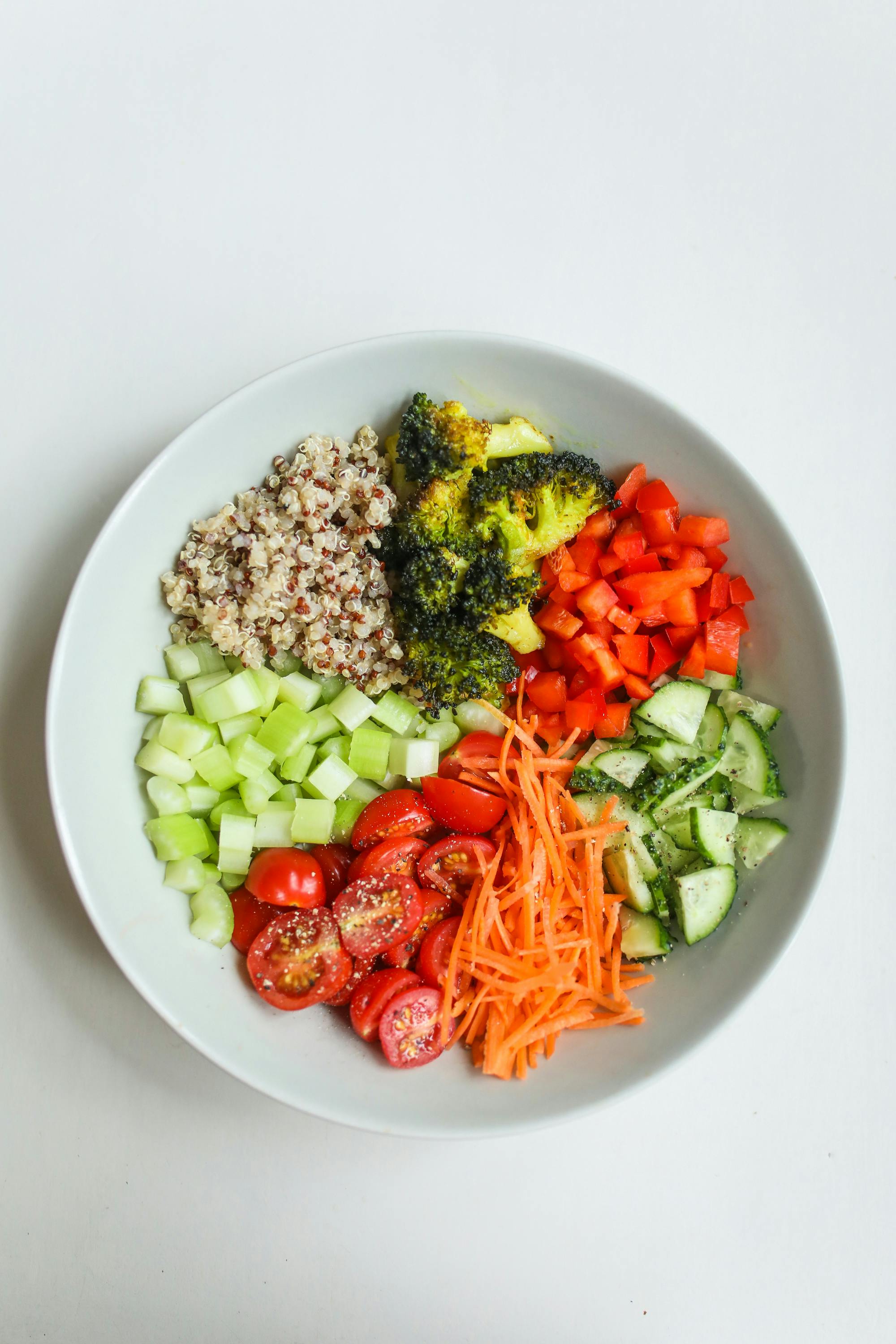
The old idea that “you can eat anything in your window” is fading fast. Today’s IF conversation puts food quality front and center:
- High‑quality protein: Eggs, fish, poultry, tofu, lentils, Greek yogurt, and tempeh help stabilize blood sugar and protect muscle.
- Fiber‑rich plants: Vegetables, fruits, beans, and whole grains support digestion, satiety, and a healthy gut microbiome.
- Healthy fats: Olive oil, avocado, nuts, seeds, and fatty fish promote hormone health and make meals more satisfying.
- Minimal ultra‑processed foods: Reducing sugary drinks, refined snacks, and fast food can amplify the benefits of your fasting routine.
Many people now use TRE as a behavioral anchor—a simple rule that naturally trims grazing and mindless snacking—while filling their eating window with meals that are colorful, hearty, and legitimately delicious.
Muscle Preservation & Metabolic Flexibility
A major upgrade in Intermittent Fasting 2.0 is the emphasis on protecting muscle, especially for people in midlife and beyond. Losing weight at the expense of lean mass can slow your metabolism and make you feel weaker, not healthier.
That’s why current advice often pairs fasting with:
- Resistance training: Lifting weights or doing bodyweight exercises 2–4 times per week to signal the body to preserve (or build) muscle.
- Adequate daily protein: Often in the range of 1.2–1.6 g of protein per kilogram of body weight per day for active adults (individual needs vary).
- Evenly spaced protein: Aiming for 20–40 g of protein at each meal instead of front‑loading or back‑loading all at once.
Alongside muscle preservation, many creators now talk about metabolic flexibility—your body’s ability to smoothly transition between burning glucose and burning fat as fuel. Regular fasting periods, combined with a diet rich in whole foods, may:
- Improve insulin sensitivity over time.
- Reduce chronic low‑grade inflammation.
- Help stabilize energy levels rather than peaking and crashing.
Personalization, Safety & Who Should Be Cautious
One of the healthiest changes in IF content is a growing recognition that intermittent fasting is not for everyone. More professionals now emphasize personalization and medical guidance when needed.
Extra caution—or medical supervision—is particularly important if you:
- Have a history of eating disorders or disordered eating patterns.
- Are pregnant, trying to conceive, or breastfeeding.
- Take medications that affect blood sugar (such as insulin or certain diabetes drugs).
- Have underweight, significant unintentional weight loss, or chronic illness.
- Are an adolescent, still growing, or have high training volumes as an athlete.
Instead of one rigid template, Intermittent Fasting 2.0 encourages you to treat TRE as a dial, not a switch. You can:
- Adjust your window on social days (e.g., later dinners with friends).
- Use a shorter fast (like 12:12) during stressful periods.
- Pause fasting entirely when life or health requires it—without guilt.
The goal is not perfection; it’s a pattern you can live with for years while still enjoying social meals, celebrations, and the pure joy of good food.
How Social Media Is Reframing Intermittent Fasting
Intermittent fasting has become highly “shareable” online because it’s easy to explain and film. Yet the tone of the content is evolving. Instead of extreme “no food for 48 hours” challenges, you’re more likely to see:
- “What I eat in a day (16:8)” videos that showcase balanced meals during an 8‑hour window.
- “Fasting‑friendly breakfast ideas” that break the fast with protein, fiber, and healthy fats.
- “Breaking a fast for blood‑sugar stability” content focused on how to reduce glucose spikes.
This shift runs alongside a much broader conversation about:
- Ultra‑processed foods and their role in metabolic disease.
- GLP‑1 medications (like semaglutide) and how behavior‑based tools like TRE might work alongside or instead of them, under medical guidance.
- Metabolic syndrome and prevention strategies that combine nutrition, movement, and sleep.
At its best, IF content is moving away from all‑or‑nothing thinking and toward gentle structure: fewer late‑night snacks, more nutrient‑dense meals, and a rhythm that feels doable for real life.

What the Critics Say: Is IF Really Better?
Not everyone is convinced that intermittent fasting is uniquely powerful. Critics point out that when total calorie intake and diet quality are matched, IF often performs similarly to traditional calorie‑reduction approaches in research.
Concerns include:
- The potential to encourage rigid, all‑or‑nothing thinking (feeling like you “failed” if you eat outside your window).
- Social friction if your preferred eating window clashes with family or cultural meal times.
- Overeating or bingeing inside the window if you approach it with a “make up for lost time” mentality.
Supporters counter that IF’s biggest advantage is behavioral simplicity. Many people find it easier to follow a clear rule like “no food after 8 p.m.” than to constantly count calories or track every bite.
The most balanced view? Treat IF as one tool among many. It can be incredibly helpful for some, neutral for others, and counterproductive for a few—especially if it worsens your relationship with food.
Practical Guide: Building Your Own TRE Routine
If you’re curious about trying Intermittent Fasting 2.0, you can start with small, approachable tweaks. Here’s a simple roadmap:
- Start with your bedtime.
Decide when you usually go to sleep and aim to stop eating 3 hours before. If you sleep at 11 p.m., close the kitchen by 8 p.m. - Anchor your first meal.
Choose a consistent time to break your fast, like 8–10 a.m., depending on your schedule and hunger patterns. - Prioritize your “break‑fast” meal.
Break your fast with protein + fiber + healthy fat—for example, eggs with veggies and avocado, or Greek yogurt with berries and nuts. - Front‑load your calories.
Aim to eat a solid share of your daily calories at breakfast and lunch, with a lighter, earlier dinner. - Stay flexible.
If a special event, travel day, or holiday shifts your routine, enjoy it fully and simply return to your usual window the next day.

Eating Windows That Celebrate Food, Not Fear It
Intermittent Fasting 2.0 doesn’t have to make your life smaller. Used thoughtfully, it can actually highlight your meals—turning them into intentional, satisfying experiences instead of scattered bites between meetings.
Imagine sitting down to a late‑morning “break‑fast” when you’re truly hungry: the aroma of freshly brewed coffee or tea, the sizzle of eggs in a pan, the sweetness of ripe berries, the creamy richness of yogurt or avocado. A short fast beforehand can heighten your appreciation of those flavors and textures.
The key is to let your eating window be abundant, not restrictive:
- Build plates that are colorful, varied, and deeply satisfying.
- Include cultural or family dishes you love, adjusting portions or sides if helpful.
- Savor your food—put down your phone, slow your chewing, and really taste what you’ve prepared.

Intermittent Fasting 2.0 in One Glance
Intermittent fasting has moved far beyond “skip breakfast to lose weight.” The new, research‑informed wave emphasizes:
- Earlier eating windows that respect circadian rhythms.
- Metabolic health—blood sugar, blood pressure, and inflammation—over short‑term weight loss alone.
- Nutrient‑dense, whole‑food meals instead of “anything goes” during the eating window.
- Muscle preservation through resistance training and adequate protein.
- Personalization and safety, especially for those with medical conditions or past disordered eating.
If you choose to experiment with time‑restricted eating, let it support your life—not control it. Start gently, stay curious, and keep tuning into your body’s feedback. With the right balance of structure and flexibility, Intermittent Fasting 2.0 can be less of a fad and more of a long‑term ally for metabolic health.
