
Why a Deadly Measles Outbreak Left One Texas Community Even Less Likely to Vaccinate
After a large measles outbreak in a West Texas Mennonite community killed two children and sickened hundreds of Texans, many might assume it would dramatically increase support for vaccination. Instead, many in that community emerged from the crisis even less likely to vaccinate. This painful paradox reveals how fear, mistrust, and identity can shape health decisions just as powerfully as scientific evidence.
In this article, we’ll walk through what happened in West Texas, why measles remains so dangerous, how vaccine hesitancy can deepen after a tragedy, and what practical, evidence-based approaches can help protect communities while still respecting people’s beliefs and lived experiences.
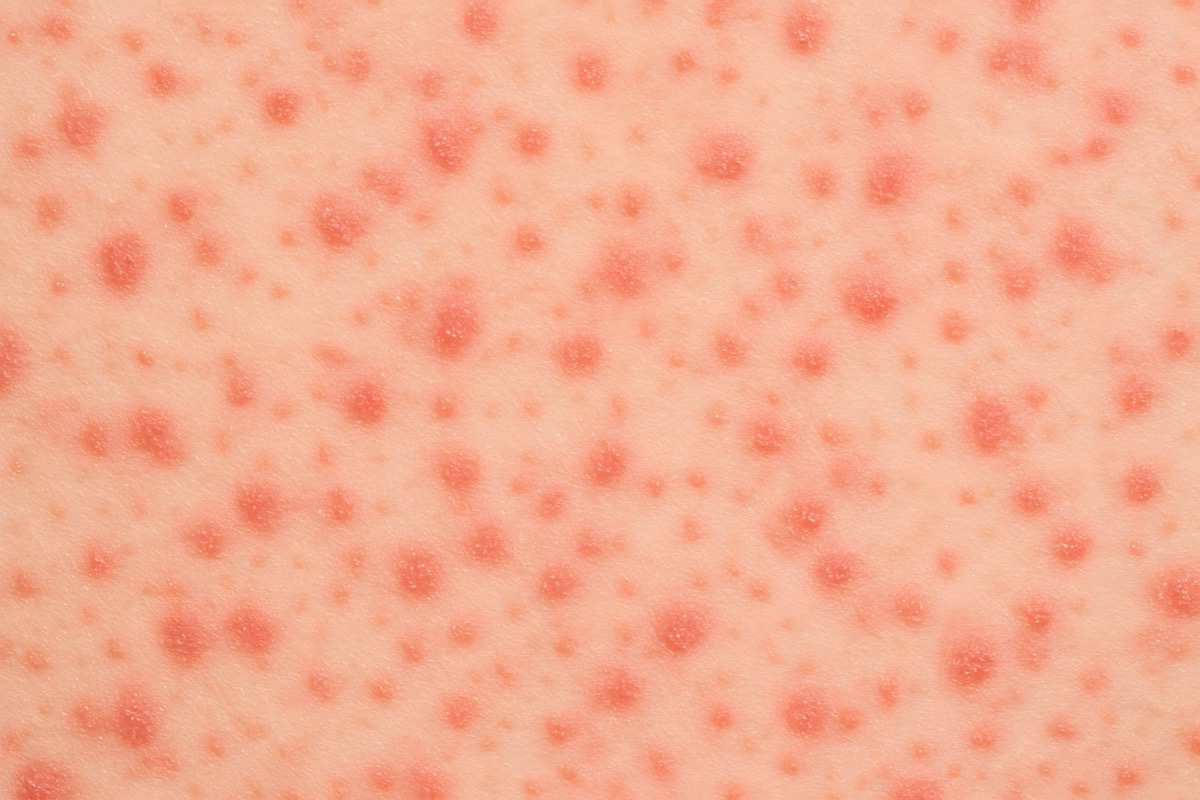
What Happened in the West Texas Mennonite Measles Outbreak?
Earlier in 2025, a measles outbreak swept through parts of West Texas, particularly affecting a Mennonite community near Seminole, a town of about 7,000 people. According to reporting summarized by Boing Boing and public health updates from Texas authorities:
- At least 762 Texans were infected.
- Two children died from complications.
- 99 people were hospitalized, some with severe pneumonia.
- More than half of all cases occurred around Seminole, where vaccination coverage was notably low.
Many families in this community had chosen not to vaccinate, often for religious, cultural, or trust-related reasons. When measles arrived, it found a large pool of susceptible people, including infants too young to be fully vaccinated and adults whose immunity had waned or who had never been immunized.
“Measles will always look for the pockets of people who aren’t vaccinated. When it finds one, outbreaks can explode very quickly—especially in close-knit communities.”
— Infectious disease specialist commenting on recent Texas outbreaks
What surprised many observers was not just the size of the outbreak, but that some residents became more skeptical of vaccines afterward, not less. To understand why, we need to look at both the science of measles and the psychology of vaccine hesitancy.
Why Measles Is Still So Dangerous—and So Preventable
Measles is not “just a rash.” It’s one of the most contagious viruses ever documented. In a totally unvaccinated population, one sick person can infect 12–18 others on average. That’s far more contagious than seasonal flu and comparable to or higher than many COVID-19 variants.

The complications can be severe, especially in children under 5 and adults:
- Pneumonia is the most common cause of measles-related death in children.
- Encephalitis (brain swelling) can cause seizures, deafness, or long-term disability.
- Subacute sclerosing panencephalitis (SSPE) is a very rare but fatal brain disease that can appear years after infection.
The good news is that the MMR vaccine (measles, mumps, rubella) is one of the most studied vaccines in history. Large, long-term studies in millions of children worldwide have consistently found:
- Very high effectiveness: About 97% protection against measles with two doses.
- Strong safety profile: Serious side effects are extremely rare—far rarer than serious complications from measles itself.
- Community benefits: High coverage helps protect infants, people with cancer, and others who can’t be vaccinated.
Why Some Communities Become Less Likely to Vaccinate After an Outbreak
From the outside, it seems obvious: a deadly measles outbreak happens, so more people vaccinate. But human behavior—especially around deeply held beliefs—is rarely that linear. In the West Texas Mennonite community, several forces likely interacted:
- Mistrust of outside institutions: Historically, many religious or tight-knit communities have had complicated relationships with government, mainstream health systems, and media. When those groups arrive in a crisis, they may be perceived as threatening, not helpful.
- Feeling blamed or judged: If community members feel shamed for their beliefs, they may double down on them rather than reconsider.
- Conflicting narratives: When a child dies, people naturally search for meaning. Some may hear leaders suggest that “it was God’s will” or that medical interventions caused harm, even if evidence indicates otherwise.
- Fear of side effects: Stories (even unproven ones) about “a neighbor’s child reacting badly to a shot” can seem more real than statistics showing vaccine safety.
“Once people have organized their identity around being ‘the kind of person who doesn’t vaccinate,’ new facts alone rarely change their minds. You have to speak to their values, not just their data.”
— Behavioral scientist specializing in health communication
This doesn’t mean people in hesitant communities don’t care about their children. They often care so deeply that they’re willing to stand against overwhelming social pressure to protect them the way they believe is right. Understanding that motivation—rather than dismissing it—is crucial for any honest, respectful conversation about vaccines.
A Case Study: How One Family’s Decision Shifted After the Outbreak
Consider a composite story drawn from interviews with healthcare workers and families in similar communities across North America:
A Mennonite mother of four—let’s call her Anna—had always declined childhood vaccines. She’d heard stories in her circle about children who “changed” after shots, and she believed that living simply, eating well, and trusting God would keep her family safe.
When measles came to her town, her youngest son became seriously ill. He survived, but spent a week in the hospital with high fevers and difficulty breathing. During that week:
- Some relatives urged her to “stay strong” and not let doctors “bully” her.
- Clinicians focused on persuading her to vaccinate all four children immediately once he recovered.
- Several staff, exhausted and scared, bluntly asked why she hadn’t vaccinated them in the first place.
Anna left the hospital feeling both grateful and deeply judged. When she returned to her community, she heard sermons and conversations suggesting that outside authorities were trying to “control” their way of life. Instead of softening, her resistance hardened—at least for a time.
Months later, one family physician in a nearby town tried a different approach. She asked Anna:
“Can you tell me what worries you most about vaccines, and what you most hope for your children’s health? I’d like to understand before I say anything.”
Over several unhurried visits—with more listening than lecturing—Anna eventually agreed to start vaccines for her youngest, one shot at a time. It wasn’t instant. It wasn’t perfect. But it moved her family, and eventually a few friends, toward better protection.
How Health Professionals Can Build Trust After an Outbreak
For clinicians, public health workers, and community leaders, measles outbreaks are emotionally draining. It can be heartbreaking to watch children suffer from a preventable disease. Yet anger and frustration—understandable as they are—rarely change minds.

Evidence from behavioral science and vaccine communication research suggests that some approaches work better than others:
- Lead with empathy, not statistics.
Acknowledge fears and losses first. For example:
“You went through something terrifying with your child. I’m sorry you had to experience that.” - Ask open-ended questions.
“What concerns you most about vaccines?” or “What have you heard in your community?” can reveal the real barriers. - Affirm shared values.
Emphasize common ground: love for children, desire to protect the vulnerable, respect for community traditions. - Provide clear, honest information.
Be upfront about common side effects (like sore arms and low fevers) and extremely rare serious risks. Overreassurance can backfire. - Offer small, concrete steps.
Instead of “You must catch up on every vaccine now,” consider:- Starting with the most urgent vaccines (like MMR in the middle of a measles outbreak).
- Scheduling follow-up visits to continue the conversation.
Practical Steps Communities Can Take to Prevent Future Outbreaks
Whether you live in West Texas or halfway around the world, the same principles apply: measles thrives wherever vaccination rates drop. Here are practical, respectful ways communities can strengthen protection without ignoring real concerns or experiences.
1. Make Vaccination Logistically Easy
- Offer low-cost or free vaccination clinics at times that work for working families.
- Bring mobile clinics to rural or geographically isolated communities.
- Coordinate with schools, churches, and community centers as familiar, trusted sites.
2. Partner With Trusted Local Voices
- Engage pastors, elders, and respected community members early—not just after an outbreak.
- Invite them to help design outreach, not just deliver pre-written messages.
- Listen seriously to their feedback on tone, language, and timing.
3. Share Real Stories, Not Just Numbers
- With consent, share stories of children affected by measles and families who chose vaccination after seeing its impact.
- Highlight “before and after” community-level changes: for example, how previous outbreaks disappeared when vaccination rates rose.
4. Monitor and Respond Early
- Track local vaccination rates and share them transparently with the community.
- When outbreaks begin elsewhere, use that as a prompt for gentle reminders—not panic-driven messaging.
If You’re a Parent Feeling Torn About Vaccines
If you’re reading about the West Texas Mennonite outbreak and feeling afraid, conflicted, or even defensive, you’re not alone. Many parents quietly worry about making the “wrong” decision—on both sides.

Here are some compassionate, science-informed steps you can take:
- Find a clinician you can talk openly with.
Let them know up front: “I’m hesitant about vaccines but I want to understand the risks and benefits better.” - Ask for evidence in plain language.
Request that they explain common side effects, serious but rare risks, and what happens in your community when measles spreads. - Start with what feels possible.
If you’re overwhelmed by the full vaccine schedule, talk about prioritizing—for example, starting with MMR in the middle of a measles outbreak, then planning the rest over time. - Use trustworthy resources.
Review information from sources that are transparent about both benefits and risks, such as:
What the Latest Research Tells Us About Measles and Vaccination (as of Late 2025)
As of late 2025, several trends and findings are especially relevant to the Texas outbreak and similar events:
- Measles is resurging in multiple countries where vaccination rates have dipped, including parts of the United States, Europe, and Asia.
- Outbreaks cluster in undervaccinated communities, often defined by shared identity (religious, cultural, or political), not just geography.
- MMR vaccine effectiveness remains high, and studies continue to find no credible evidence of widespread serious long-term harm linked to the vaccine.
- Trust-building programs work. Initiatives that involve community leaders in co-designing vaccine campaigns have improved uptake and reduced outbreaks in multiple settings.
Taken together, this research reinforces a simple but challenging truth: the science behind measles vaccination is strong, but science alone is not enough. Relationships, stories, and respect matter just as much.
Moving Forward: Protecting Children Without Turning on Each Other
The West Texas Mennonite measles outbreak is a tragedy on multiple levels: two children lost, hundreds sickened, and a community emerging more divided over vaccination than before. But it also offers a hard-earned lesson: pushing facts at people without healing mistrust can deepen resistance instead of preventing the next outbreak.
If you’re a parent, caregiver, or community member, you have more power than you might think:
- You can model respectful, calm conversations about vaccines—even with people who disagree.
- You can seek out and share accurate information from transparent, accountable sources.
- You can protect your own family with timely vaccination, reducing the chance that measles will find a foothold in your community.
If you’re a health professional or policymaker, you can:
- Invest in long-term trust-building, not just emergency response.
- Partner with communities as collaborators, not problems to be fixed.
- Recognize that grief, fear, and identity are as real as any lab result.
No article, expert, or policy can undo the losses experienced in West Texas. But by listening carefully to what happened there—and responding with both scientific rigor and deep empathy—we can honor those losses by making future outbreaks less likely, and by making our conversations about health more humane.
Your next step:
- If you’re unsure about your or your child’s measles immunity, contact a trusted healthcare provider and ask about MMR vaccination.
- Share this information with someone who might appreciate a balanced, nonjudgmental perspective on vaccines.
- If you’re part of a faith or community group, start a gentle, respectful conversation about how to protect the most vulnerable among you.
