
Why Climatarian Cooking Is the Coziest Food Trend of the Decade
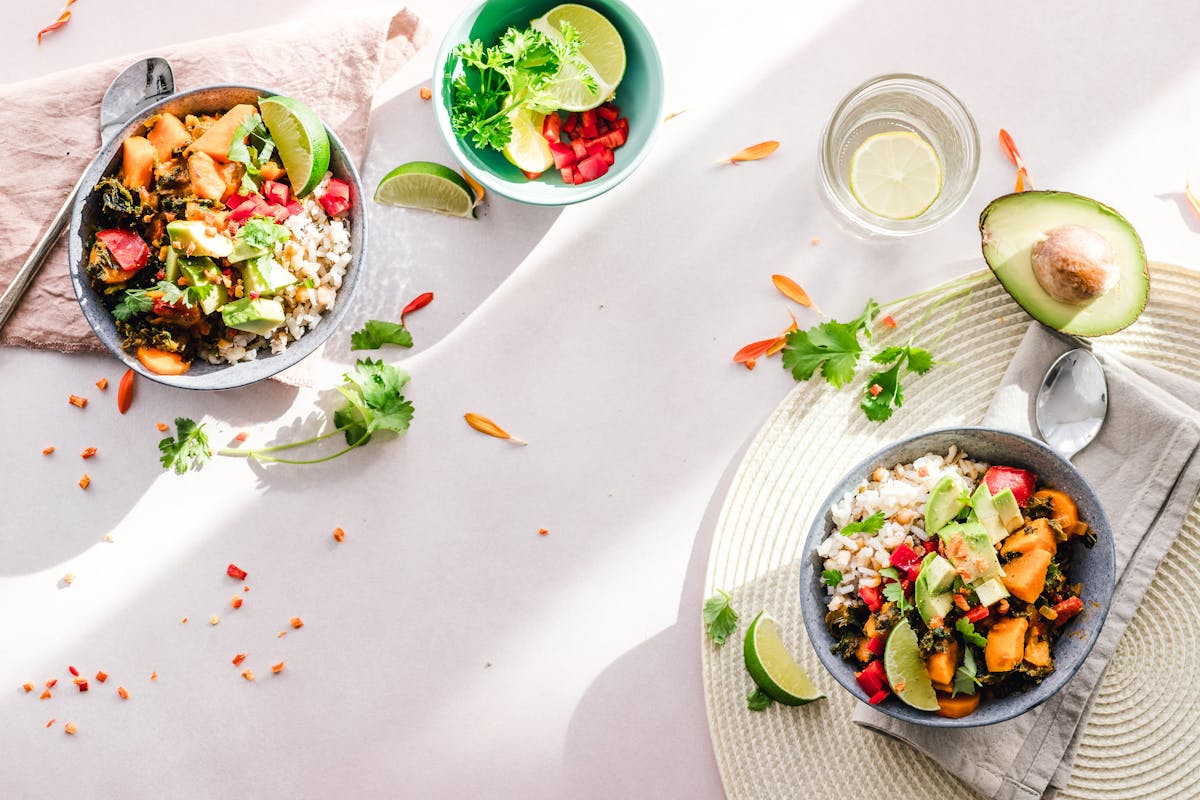
Climate-conscious, plant-forward eating is reshaping how we cook at home, blending sustainability with comfort food by centering legumes, whole grains, seaweed, and alternative proteins. Instead of dieting for the scale alone, a growing “climatarian” movement asks a new question: What can I cook tonight that’s good for my body and gentler on the planet?
From TikTok “low-carbon footprint meals” to budget-friendly lentil stews on Instagram, this way of eating leans into familiar pleasures: simmering pots of beans, nutty grains, sizzling tofu, and the briny whisper of seaweed. You don’t have to go fully vegan; you simply shift the center of your plate toward plants and let animal products play a smaller, more occasional role.
What Is Climatarian Eating?
A climatarian diet is a flexible, climate-conscious way of eating that prioritizes:
- Plant-forward meals rich in legumes, whole grains, nuts, seeds, and vegetables.
- Lower-carbon choices, like beans or lentils instead of beef a few nights a week.
- Minimal food waste and more seasonal, local produce when possible.
- Thoughtful use of animal products—more as flavor accents than the main event.
Think of it as the sweet spot between a Mediterranean-style pattern, budget-friendly batch cooking, and eco-friendly choices, all wrapped into one delicious routine.
Why Climatarian and Plant-Forward Diets Are Trending
Since the early 2020s, search data and social feeds have shown a steady climb in interest around phrases like “plant-based protein,” “sustainable diet,” and “eco-friendly foods.” By 2024–2025, the conversation matured: it was no longer just about meat substitutes, but about whole-food, plant-forward patterns and how they intersect with climate and wellness.
“I started for the climate, but I stayed because my energy, digestion, and grocery bills all got better.”
On TikTok and Instagram you’ll see:
- “Low-carbon footprint” meal preps built around lentils, oats, and frozen veggies.
- “Planet-friendly grocery hauls” featuring store-brand beans, tofu, and whole grains.
- High-protein vegan and vegetarian recipes that double as budget-friendly bulk cooks.
Long-form YouTube creators and dietitians add nuance: discussing ultra-processed plant meats, almond water use, or when imported “superfoods” are worth their footprint. Overall, the trend is toward simple, whole-food climatarian meals that still feel cozy and familiar.
Climate-Conscious Pantry Stars
The heart of climatarian cooking is a humble but powerful pantry. These foods are nutrient-dense, affordable, and generally come with a comparatively low environmental footprint.
Legumes: Lentils, Chickpeas & Beans
Legumes are the unsung heroes of sustainable eating. They’re:
- High in plant protein and fiber for lasting fullness.
- Versatile in soups, curries, salads, dips, and even “meaty” sauces.
- Long-lasting pantry staples that help cut food waste.
A pot of lentils simmering with garlic and tomatoes gives off the same cozy aroma as a slow-cooked ragù—only it cooks in a fraction of the time.
Whole Grains: Oats, Barley, Quinoa, Millet
Whole grains bring a nutty sweetness and satisfying chew. Compared with refined grains, they offer:
- More fiber for gut health and steady energy.
- Minerals like magnesium, iron, and zinc.
- A flexible base for bowls, breakfasts, and hearty salads.
Nuts, Seeds & Healthy Fats
Nuts and seeds add crunch, richness, and nutrition:
- Healthy fats to keep meals satisfying.
- Plant-based protein and key micronutrients.
- Use in pestos, granolas, seed mixes, and dairy-free sauces.
Seaweed & Algae: Ocean Superfoods
Seaweed offers a delicate, oceanic aroma and a pleasant chew or crispness, depending on how it’s prepared. It’s often rich in iodine and minerals, while using minimal land and freshwater.
You’ll see it in miso soups, crispy snacks, broths, and even blended into sauces for a subtle umami boost.
Alternative Proteins: Tofu, Tempeh & Seitan
Alternative proteins have moved from niche to mainstream. Simple soy foods like tofu and tempeh soak up flavor beautifully: imagine sizzling cubes glazed in soy, garlic, and ginger, crisp at the edges and tender within.
- Tofu: Silky or firm, great in stir-fries, scrambles, and soups.
- Tempeh: Nutty, firm, and perfect for marinating and pan-searing.
- Seitan: Chewy, high-protein wheat-based option (not gluten-free).
Nutritional Benefits of Plant-Forward Climatarian Eating
Done thoughtfully, a plant-forward, climate-conscious diet is both nourishing and satisfying. Dietitians continue to emphasize a few key benefits:
- High fiber: Supports gut health, stable blood sugar, and satiety.
- Balanced plant protein: Combining legumes, grains, nuts, and seeds provides all essential amino acids over the course of the day.
- Healthy fats: Olive oil, nuts, seeds, and avocados add richness and aid absorption of fat-soluble vitamins.
- Micronutrients: A rainbow of fruits and vegetables delivers vitamins, minerals, and protective plant compounds.
Common nutrient watch-points in heavily plant-based diets include:
- Vitamin B12 (often via supplements or fortified foods).
- Iron (lentils, beans, leafy greens, fortified grains—pair with vitamin C for better absorption).
- Omega-3s (flax, chia, walnuts, or algae-based supplements).
- Iodine (iodized salt, some seaweeds—being careful not to overdo it).
Recipe: One-Pot Climatarian Lentil, Seaweed & Grain Stew
This one-pot plant-forward stew wraps everything climatarian into a single steaming bowl: earthy lentils, chewy whole grains, sweet carrots, silky greens, and a subtle umami from seaweed. It’s vegan, budget-friendly, and perfect for batch cooking—a pot of comfort that also happens to be climate-conscious.
Equipment
- Large heavy-bottomed pot or Dutch oven with lid
- Cutting board and sharp knife
- Measuring cups and spoons
- Wooden spoon or spatula
- Small bowl for soaking seaweed
Ingredients
Base
- 2 tbsp extra-virgin olive oil (or other neutral oil)
- 1 medium yellow onion, finely chopped
- 2 medium carrots, diced
- 2 celery stalks, diced
- 3 cloves garlic, minced
Lentils & Grains
- 1 cup dry green or brown lentils, rinsed
- 1/2 cup pearled barley, farro, or brown rice, rinsed
- 1 can (400 g) diced tomatoes, with juices
- 4 cups low-sodium vegetable broth (plus extra water as needed)
Seaweed & Vegetables
- 1 small piece kombu (about 5 cm) or 1 tbsp dried wakame, roughly chopped
- 2 cups chopped leafy greens (kale, chard, or spinach)
- 1 cup cooked chickpeas or white beans (optional but recommended for extra protein)
Seasoning
- 1 tsp smoked paprika (or regular paprika)
- 1 tsp ground cumin
- 1 bay leaf
- 1–2 tbsp soy sauce or tamari (to taste)
- Salt and freshly ground black pepper, to taste
- Juice of 1/2 lemon or 1–2 tsp apple cider vinegar (to finish)
Toppings (optional but lovely)
- 2–3 tbsp toasted sunflower or pumpkin seeds
- Fresh herbs (parsley, cilantro, or chives), chopped
- Extra drizzle of olive oil or chili oil
Step-by-Step Instructions
- Prepare the seaweed.
Place the kombu or wakame in a small bowl, cover with warm water, and let it soften while you begin the stew. This helps it rehydrate and infuse more gently.

Soften dried seaweed in warm water to release gentle oceanic flavor without overpowering the stew. - Sweat the aromatics.
In a large pot, heat the olive oil over medium heat. Add the onion, carrots, and celery with a pinch of salt. Cook, stirring occasionally, for 6–8 minutes until softened and lightly golden around the edges. Add the garlic and cook 1 minute more, just until fragrant.
Slowly sauté aromatics until they smell sweet and look translucent with golden edges. - Toast lentils, grains, and spices.
Stir in the rinsed lentils and grains, smoked paprika, cumin, and bay leaf. Toast everything for 1–2 minutes, stirring, until the spices smell warm and the grains look slightly glossy. This step builds deeper, almost “meaty” flavor.
- Deglaze and simmer.
Pour in the diced tomatoes with their juices and the vegetable broth. Gently squeeze the soaked seaweed, chop it if needed, and add it to the pot (discard tough kombu pieces if you prefer, or leave them whole for flavor and remove before serving). Bring to a gentle boil, then reduce the heat to low, cover, and simmer for 25–30 minutes.
Stir occasionally and add a splash of water if the stew becomes too thick before the lentils and grains are tender.

Let the stew simmer gently so the lentils, grains, and seaweed meld into a rich, savory broth. - Add greens and beans.
When the lentils and grains are almost tender, stir in the chopped leafy greens and chickpeas or white beans (if using). Cover and cook for another 5–10 minutes, until the greens are silky and everything is tender.
- Season to bring it to life.
Stir in the soy sauce or tamari. Taste and adjust with additional salt, pepper, and more soy sauce if desired. Finish with lemon juice or apple cider vinegar to brighten the flavors—the acidity will make the stew taste lighter and more complex.
- Serve with crunchy, fresh toppings.
Ladle the stew into warm bowls. Top with toasted seeds, chopped herbs, and an extra drizzle of olive or chili oil. The broth should be thick yet spoonable, with tender lentils, pleasantly chewy grains, and a deep, savory aroma.
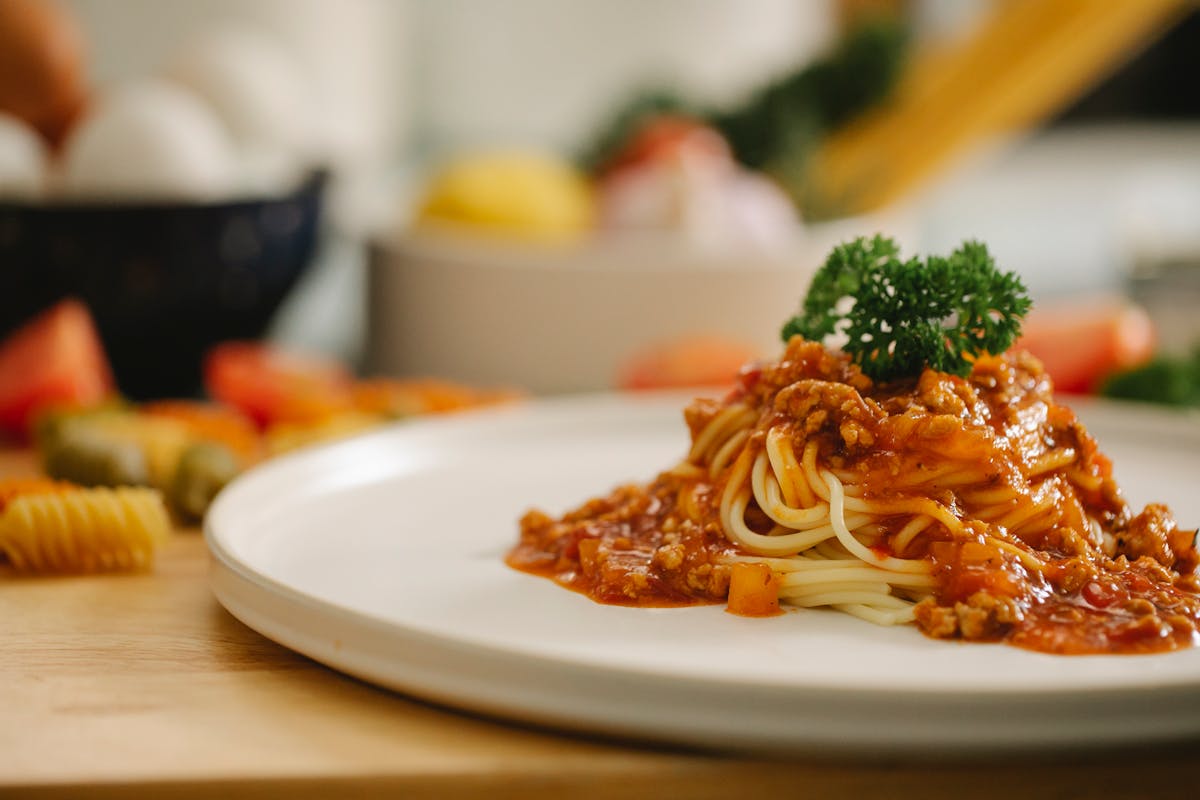
Finish with herbs and seeds for a contrast of freshness and crunch against the velvety stew.
Storage, Meal Prep & Reheating Tips
This climatarian stew is even better the next day as the flavors mingle, making it a perfect make-ahead meal.
- Fridge: Cool completely, then store in airtight containers for up to 4–5 days.
- Freezer: Portion into freezer-safe containers and freeze for up to 3 months. Leave some headroom for expansion.
- Reheating: Warm gently on the stovetop over medium-low heat, adding a splash of water or broth if it has thickened. Alternatively, reheat in the microwave in short bursts, stirring between intervals.
- Revive the flavors: Before serving leftovers, brighten with a squeeze of lemon and a pinch of salt or a tiny splash of soy sauce.
Serving Ideas & Complementary Climatarian Dishes
Turn this stew into the centerpiece of a plant-forward, eco-friendly dinner by pairing it with simple sides that highlight grains, legumes, and seasonal produce.
- Whole grain side: Serve with a slice of whole-grain sourdough or a scoop of extra cooked barley or brown rice.
- Crisp salad: Toss shredded cabbage, carrots, and radishes with lemon juice and olive oil for a crunchy, bright counterpoint.
- Fermented garnish: A spoonful of sauerkraut or kimchi adds tang and probiotics.
- Oat-based dessert: Finish with baked oats or a simple stewed fruit and oat crumble for a full plant-forward menu.
The goal isn’t perfection—it’s progress. If this stew replaces a meat-heavy dinner once or twice a week, you’re already cooking in a more climate-conscious way, one delicious bowl at a time.
Getting Started with Climatarian Cooking at Home
If you’re new to climatarian or plant-forward eating, start small and keep it joyful. You don’t need fancy superfoods or expensive products—just a few pantry basics and curiosity in the kitchen.
- Pick one “anchor” ingredient per week—like lentils or tofu—and learn 2–3 easy ways to cook it.
- Swap, don’t overhaul: Try lentil bolognese instead of meat-heavy versions or chickpea “tuna” salad for lunches.
- Batch cook grains and beans on weekends so weeknight meals come together quickly.
- Use your freezer to stash portions of soup, cooked beans, and veggie scraps for broth.
- Lean on spices, acids, and herbs to make simple ingredients taste exciting.
With each pot of beans or tray of roasted vegetables, you’re not just feeding yourself well—you’re also aligning your kitchen with the health of the planet. And that might be the most comforting flavor of all.
