
Longevity Diets Explained: Blue Zones, Biohacking, and How to Eat for a Longer, Healthier Life
Celebrity Longevity Diets: Blue Zones, Biohacking, and Anti‑Aging Nutrition
Longevity diets have leapt from quiet research papers into the bright glare of celebrity podcasts, YouTube channels, and wellness‑focused social feeds. From Blue Zones–inspired bowls brimming with beans and greens to tech billionaires tracking every bite with glucose monitors, the modern “eat to live longer” movement blends time‑tested traditions with cutting‑edge biohacking. The exciting part for home cooks? Many of the most promising habits are simple, delicious, and wonderfully compatible with everyday life.
Below, we’ll explore how Blue Zones and biohacking shape today’s anti‑aging nutrition trends, what these eating patterns actually have in common, and how you can bring practical, tasty longevity strategies into your own kitchen—no private chef or $300 supplement stack required.
Why Longevity Diets Are Everywhere Right Now
Scroll through social media in 2025 and you’ll spot the pattern instantly: celebrities, CEOs, and wellness influencers sharing what they eat “for longevity.” You’ll hear about 6 p.m. dinners, 16‑hour fasts, blood‑sugar‑friendly breakfasts, and colorful plates that promise to support everything from glowing skin to sharper focus in later life.
On Spotify and YouTube, longevity‑focused shows dive into topics like:
- mTOR and autophagy – how periods of lower calorie intake may trigger cellular cleanup and repair.
- Insulin sensitivity – keeping blood sugar swings gentle over decades to help protect the brain, heart, and metabolism.
- Inflammation – how certain foods can calm or aggravate chronic, low‑grade inflammation linked to aging.
While the vocabulary can sound intimidating, much of the advice boils down to eating more whole, minimally processed foods; building meals around plants; and avoiding constant snacking on sugary, ultra‑processed options.
Blue Zones: What the World’s Longest‑Lived Communities Actually Eat
Blue Zones are regions where people statistically live longer, healthier lives—often into their 90s and beyond—while staying remarkably active. The most widely discussed Blue Zones include:
- Okinawa, Japan
- Sardinia, Italy
- Nicoya, Costa Rica
- Ikaria, Greece
- Loma Linda, California (USA)
Food is only one part of their success (movement, sleep, purpose, and strong social ties matter enormously), but the culinary patterns are strikingly consistent. Across these regions, everyday meals typically:
- Center on plants: vegetables, fruits, legumes, and whole grains.
- Show deep love for beans—black beans, chickpeas, lentils, soybeans.
- Use olive oil or other traditional fats instead of industrial seed oils or trans fats.
- Feature modest portions of animal foods, often fish or small amounts of meat.
- Keep sugar and ultra‑processed foods to a minimum.
Meals are usually shared, unrushed, and connected to long‑standing food traditions. Think slow‑simmered bean stews, fragrant rice dishes, hand‑torn greens dressed with olive oil and lemon—comforting, simple food that feels generous but not heavy.
Biohacking: The High‑Tech Side of Longevity Nutrition
On the other end of the spectrum from grandma’s bean stew sits biohacking—a data‑driven, lab‑inspired approach popular among some Silicon Valley entrepreneurs and public figures. You’ll hear about:
- Time‑restricted eating (for example, all meals between 10 a.m. and 6 p.m.).
- Long overnight fasts to encourage cellular “house‑cleaning” processes like autophagy.
- Continuous glucose monitoring to see how specific foods affect blood sugar in real time.
- Carefully measured macros—protein, fats, and carbs adjusted based on age, training, and goals.
- Supplement “stacks” targeting brain health, inflammation, or mitochondrial function.
Many celebrity routines highlight early, light dinners; low‑sugar meals rich in polyphenols (like berries, herbs, green tea, and extra‑virgin olive oil); and a consistent sleep schedule. For some people, the structure feels empowering and motivational. For others, it can seem too rigid or stressful.
What Longevity Diets Have in Common
Despite the contrast between relaxed Blue Zones meals and ultra‑calibrated biohacking regimens, they converge on key nutritional themes supported by current research:
- Minimally processed, nutrient‑dense foods
Piles of vegetables, fruits, legumes, whole grains, nuts, and seeds—not as a temporary “detox,” but as daily staples. - Healthy fats
Extra‑virgin olive oil, avocados, nuts, seeds, and fatty fish (like salmon or sardines) to supply heart‑ and brain‑friendly omega‑3s. - Adequate—yet not excessive—protein
Enough to maintain muscle and strength with age, often leaning toward plant sources (beans, tofu, lentils, tempeh) with optional fish, eggs, or modest amounts of meat. - Caloric moderation
Smaller portions, fewer snacks, or light forms of intermittent fasting to avoid over‑eating over many years. - Low in added sugar and ultra‑processed foods
Sweets and highly refined snacks become occasional pleasures instead of daily defaults.
Longevity nutrition isn’t about chasing immortality; it’s about stacking the odds in favor of many more vibrant, capable, joy‑filled years.
Recipe: Everyday Longevity Bowl (Beans, Greens & Grains)
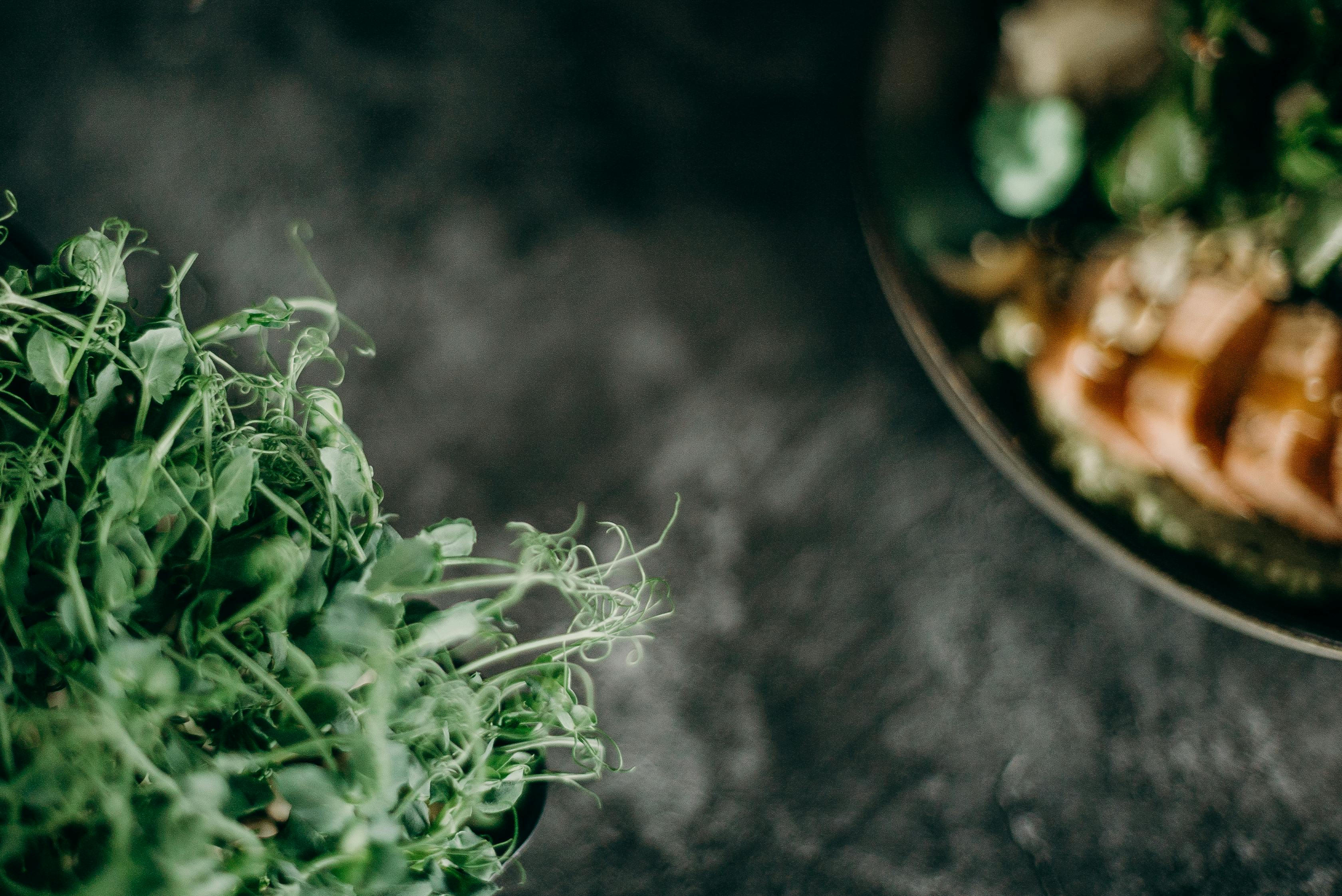
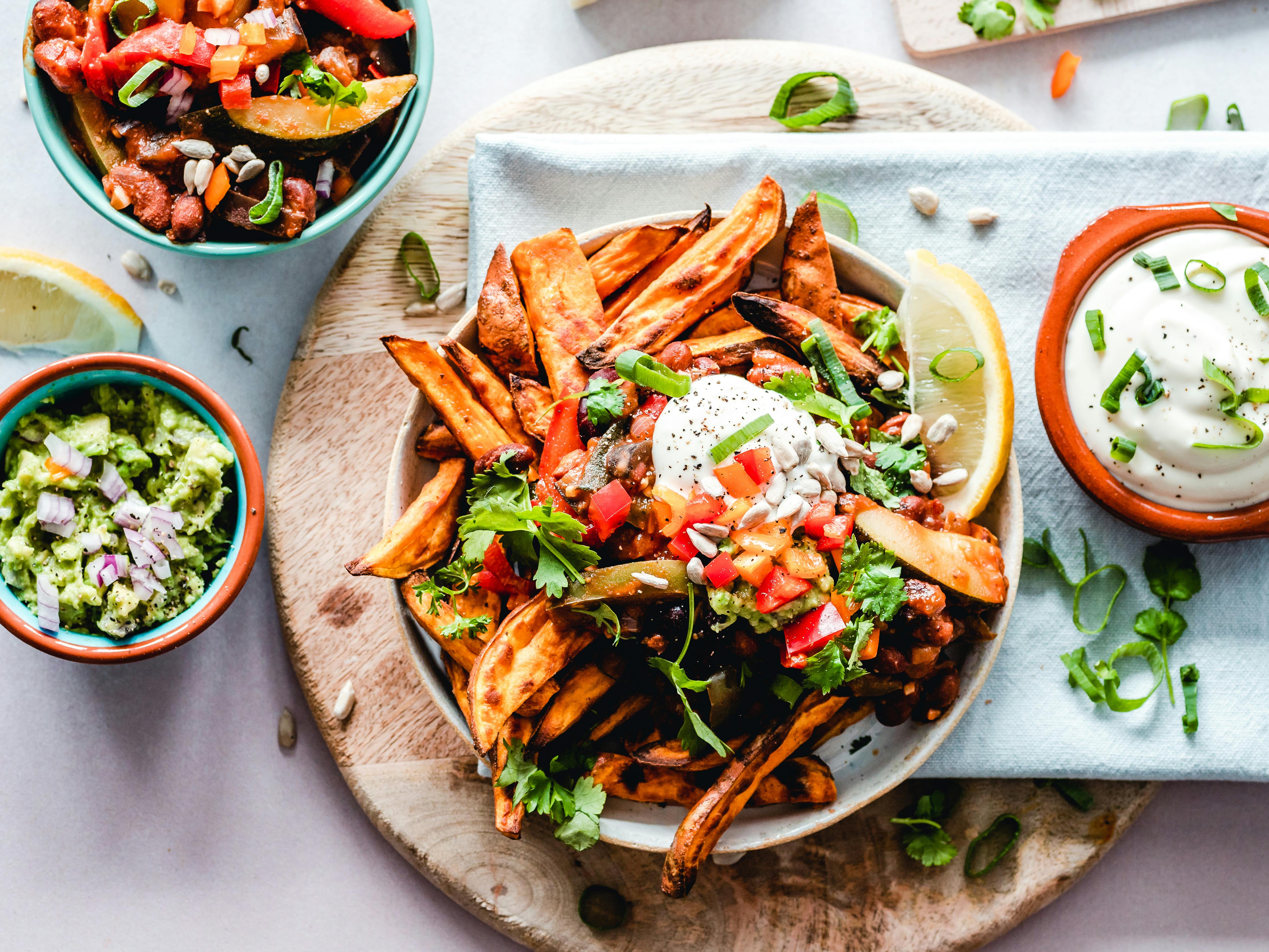
This warm, Mediterranean‑leaning longevity bowl captures the essence of Blue Zones and modern anti‑inflammatory cooking: hearty beans, nutty whole grains, vibrant greens, and a lemony olive‑oil drizzle. It’s completely plant‑based, weeknight‑friendly, and endlessly customizable.
Prep time: 15 minutes
Cook time: 20 minutes
Total time: 35 minutes
Servings: 2 generous bowls
Difficulty: Easy
Equipment
- Medium saucepan with lid (for grains)
- Medium skillet or sauté pan
- Cutting board and sharp knife
- Small bowl or jar for dressing
- Measuring cups and spoons
Ingredients
For the bowl
- 1 cup (185 g) cooked whole grains (brown rice, farro, barley, or quinoa)
- 1 can (15 oz / 425 g) beans of choice, drained and rinsed (chickpeas, black beans, or cannellini)
- 2 cups (loosely packed) leafy greens (spinach, kale, chard, or arugula), chopped
- 1 small red onion or 2 scallions, thinly sliced
- 1 small carrot, grated or julienned
- 1 small cucumber, diced
- 1 small avocado, sliced
- 1/2 cup (75 g) cherry tomatoes, halved
- 2 tablespoons extra‑virgin olive oil
- 1 clove garlic, minced
- 1 teaspoon ground cumin or smoked paprika (optional, for the beans)
- Sea salt and freshly ground black pepper, to taste
For the lemon‑tahini longevity dressing
- 2 tablespoons tahini (sesame paste)
- 2 tablespoons fresh lemon juice
- 1 tablespoon extra‑virgin olive oil
- 1–2 tablespoons warm water, as needed to thin
- 1 teaspoon maple syrup or honey (optional)
- 1/4 teaspoon fine sea salt
- Freshly ground black pepper, to taste
Instructions
Cook or reheat your grains.
If you’re starting from uncooked grains, cook according to package directions until tender, then fluff with a fork. If using leftover cooked grains, warm them gently in a saucepan with a splash of water and a drizzle of olive oil. You’re aiming for warm and steamy, not dry.
Fluff warm whole grains so they stay light and separate as the hearty base of your longevity bowl. Sauté the aromatics and beans.
Warm 1 tablespoon olive oil in a skillet over medium heat. Add the sliced onion and a pinch of salt. Cook 3–4 minutes, stirring occasionally, until softened and fragrant. Stir in the garlic and cook 30 seconds more, just until aromatic.Season the beans.
Add the drained beans to the skillet, sprinkle with cumin or smoked paprika if using, and toss to coat. Cook 3–5 minutes until the beans are heated through and lightly infused with flavor. Taste and adjust salt and pepper. Turn off the heat.
Gently warming beans with aromatics makes them silky, savory, and far more exciting than straight from the can. Wilt the greens.
Add the chopped greens directly to the warm skillet with the beans. Toss for 1–2 minutes off the heat (or over very low heat) until the greens just begin to wilt but still look bright and vibrant. This keeps their texture tender yet lively.Whisk the lemon‑tahini dressing.
In a small bowl or jar, whisk together tahini, lemon juice, olive oil, salt, and pepper. Add warm water a teaspoon at a time until the dressing is pourable and creamy, like a thin yogurt. Taste: add a drop of maple syrup or honey if you’d like a softer, rounder flavor.
A bright, nutty lemon‑tahini dressing ties the bowl together with creaminess and citrusy lift. Prepare the fresh toppings.
While everything is still warm, slice the avocado, chop the cucumber, and halve the cherry tomatoes. Grate or julienne the carrot. Think of this as your “color palette” to layer crunch and freshness on top of the warm base.Assemble the longevity bowls.
Divide the warm grains between two wide bowls. Top each with a generous scoop of the bean‑and‑greens mixture. Arrange the cucumber, carrot, tomatoes, and avocado artfully around the edges. Drizzle each bowl with the lemon‑tahini dressing and the remaining tablespoon of olive oil. Finish with a final sprinkle of salt and pepper.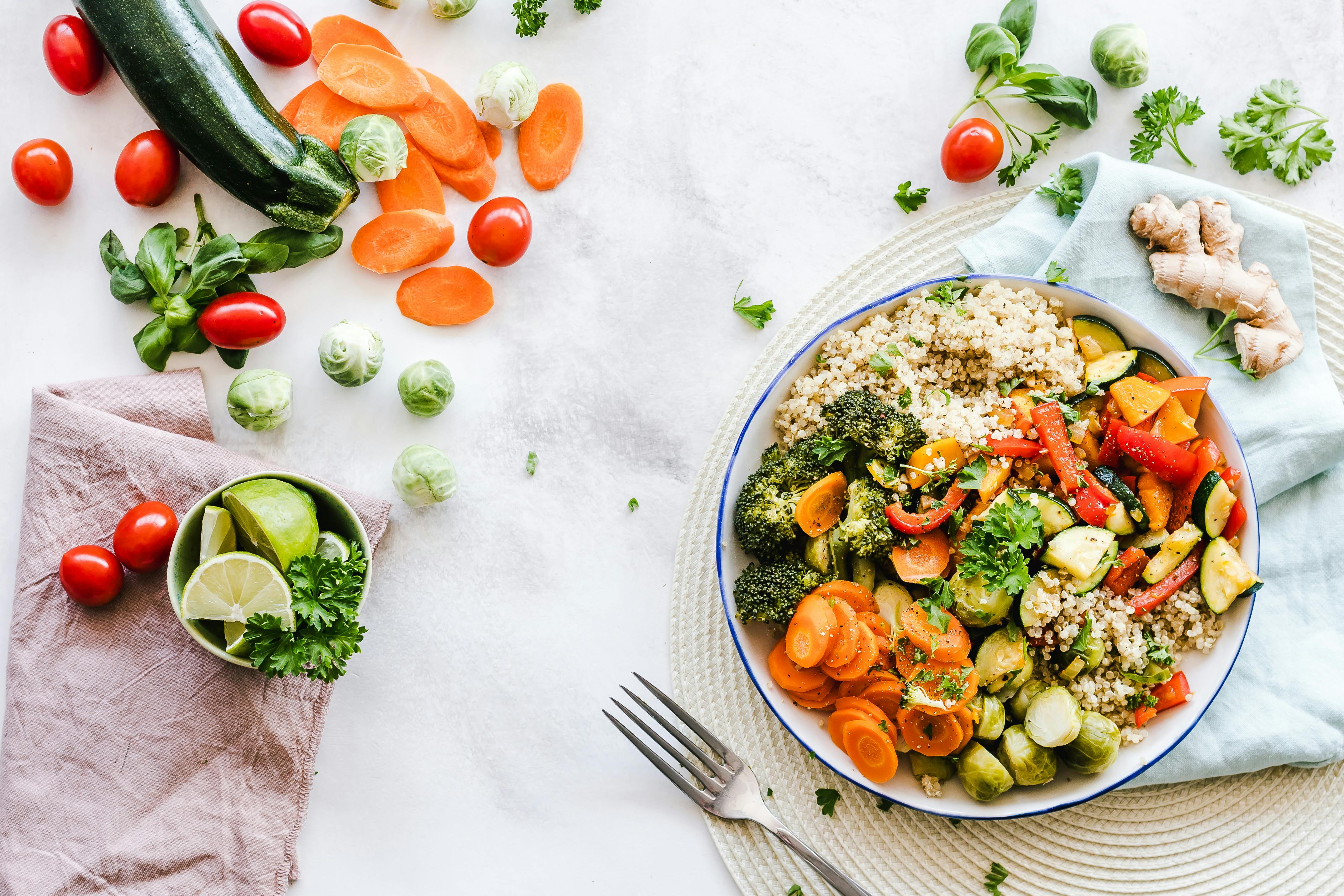
Layer warm and cool elements for contrast: steamy grains and beans under crisp vegetables and a cool, tangy drizzle. Serve mindfully.
Enjoy your bowls while still warm but not piping hot, ideally at a table, away from screens, and if possible with someone whose company you love. That unhurried, social element is one of the most delicious lessons from Blue Zones culture.
Storage, Meal Prep & Reheating
Longevity eating becomes much easier when some of the work is done ahead of time. This bowl is perfect for gentle meal prep:
- Grains: Cook a big batch and store in an airtight container in the fridge for up to 4 days.
- Beans & greens: Keep together in a sealed container in the fridge for 3–4 days.
- Dressing: Lasts 4–5 days in a jar in the fridge; thin with a splash of water and whisk before serving.
- Fresh toppings: Chop sturdier vegetables (carrot, cucumber) up to 2 days ahead. Slice avocado just before eating to avoid browning.
To reheat, warm the grains and bean‑greens mixture gently on the stovetop or in the microwave until just hot, then add fresh toppings and dressing. Avoid microwaving the avocado or delicate salad ingredients—they taste best cool or room temperature.
Making It a Longevity‑Inspired Meal
Round out your longevity bowl with a few simple additions to create a full, Blue Zones–style eating experience:
- Sip: Unsweetened green tea, herbal tea, or water infused with citrus and herbs.
- Side: A small plate of olives, lightly dressed leafy salad, or a handful of nuts.
- Finish: A few squares of dark chocolate (70% cocoa or higher) and a bowl of fresh berries.
Most importantly, eat slowly, savor the colors and textures, and treat the meal as a pause in your day—a small ritual of care that your future self may quietly thank you for.

Bringing Longevity Nutrition Into Everyday Life
Between celebrity longevity protocols and traditional Blue Zones wisdom, it’s easy to feel overwhelmed. You don’t need to copy anyone’s exact routine. Instead, focus on simple, repeatable habits:
- Base most meals around plants—especially beans, greens, and whole grains.
- Use olive oil and nuts as your primary fats.
- Limit added sugar and ultra‑processed snacks to occasional treats.
- Give your body a nightly break from eating of at least 12 hours when possible.
- Eat in a way that feels satisfying, sustainable, and joyful—not punishing.
When in doubt, picture a simple bowl like the one above: warm grains, hearty beans, plenty of vegetables, healthy fats, and bright seasoning. If you can build most days around meals like that, you’re already practicing a grounded, realistic version of the “longevity diet,” no celebrity chef required.
