
Why Celebrity Longevity Diets Are Obsessed With Blue Zones (And What Actually Matters)
Celebrities, biohackers, and wellness influencers are turning longevity diets into the new status symbol: think Blue Zone–inspired grain bowls, Mediterranean-style dinners, and carefully timed intermittent fasting windows. Underneath the hype is a powerful shift—people are asking not just how to be thinner, but how to live longer, stay sharp, and feel vibrant well into older age.

At the heart of many of these “live-forever” routines are the eating habits of the world’s Blue Zones—places like Okinawa (Japan), Sardinia (Italy), and Nicoya (Costa Rica), where people commonly live into their 90s and 100s with remarkably low rates of chronic disease. Their plates are simple but deeply satisfying: beans simmered until creamy, vegetables glistening with olive oil, chewy whole grains, handfuls of nuts, and modest portions of fish or fermented dairy.
Blue Zone–Inspired Eating: What’s Really on the Plate?
When influencers talk about “Blue Zone bowls” or “centenarian salads,” they’re usually translating a few consistent principles into Instagram-friendly meals. Across different cultures, the longevity pattern looks surprisingly similar:
- Plant-predominant meals rich in beans, lentils, peas, whole grains, vegetables, and fruits.
- Very little ultra-processed food—few packaged snacks, sugary drinks, or fast food.
- Small amounts of animal products, with emphasis on fish and fermented dairy instead of red and processed meats.
- Olive oil, nuts, and seeds as primary fats rather than butter or shortening.
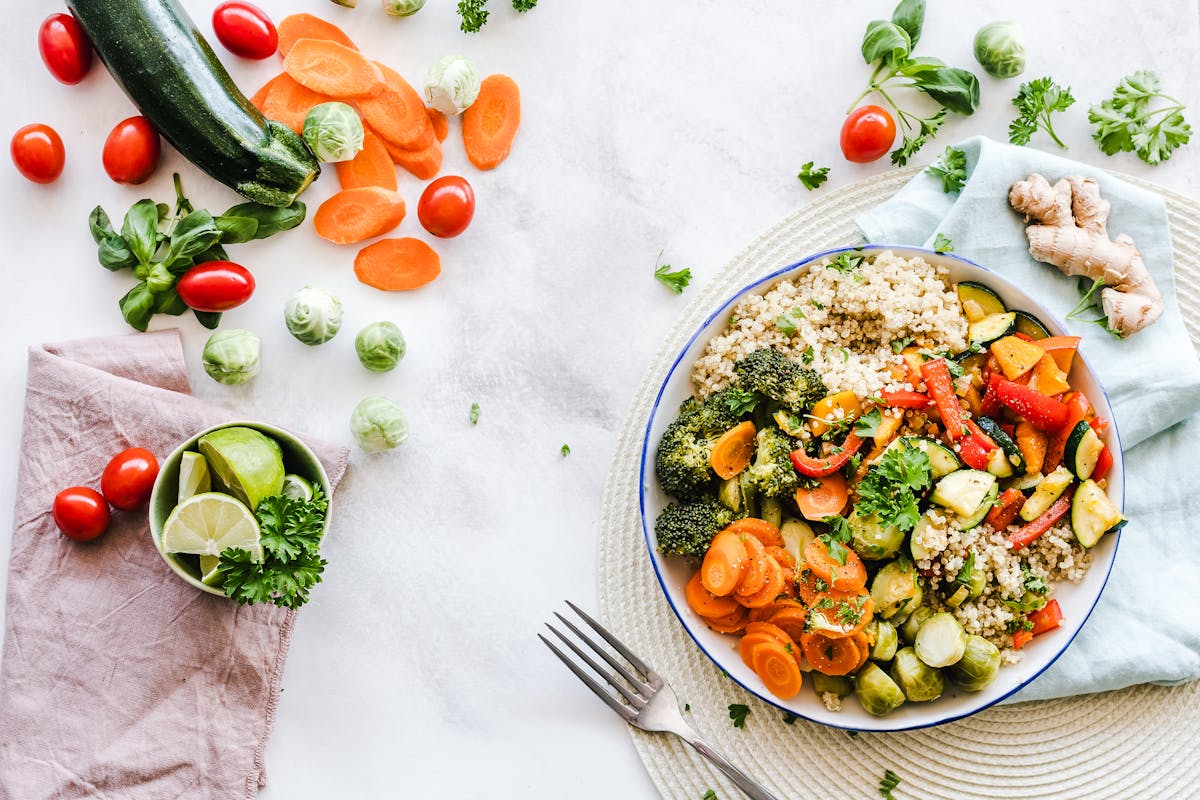
It’s not a rigid “diet plan” so much as a way of cooking that makes plants the star of the show. Think:
- Hearty minestrone with beans and farro in Sardinia.
- Sweet potatoes, bitter greens, and tofu-based dishes in Okinawa.
- Black beans, squash, and corn tortillas in Nicoya.
These foods aren’t flashy, but they’re deeply comforting: brothy, aromatic, a little sweet from slow-cooked vegetables, with the gentle nuttiness of whole grains and beans.
How Celebrities Frame “Longevity Diets”
On YouTube, TikTok, and podcasts, you’ll see a steady stream of “longevity breakfast,” “anti-inflammatory lunch,” and “circadian-friendly dinner” content. The pattern is remarkably consistent:
- Breakfast: Oats or overnight oats with berries, nuts, and yogurt; sometimes green tea instead of coffee.
- Lunch: A big grain bowl with greens, beans or lentils, roasted vegetables, olive oil, and seeds.
- Dinner: A lighter, earlier meal—often baked fish or tofu with vegetables and a small portion of whole grains.
Many also weave in intermittent fasting or time-restricted eating, like a 16:8 or 14:10 eating window—say, eating between 10 a.m. and 6 p.m. and fasting the rest of the time. Some position this as essential for longevity; others treat it as one optional tool among many.
“The key isn’t copying a celebrity’s exact schedule—it’s finding an eating rhythm that supports your energy, protects your health, and fits peacefully into your life.”
From Labs to the Kitchen: Biomarkers and Longevity Food Patterns
Longevity researchers on podcasts often talk less about “perfect weight” and more about biomarkers—the measurable signs of how your body is aging. Common ones include:
- Insulin sensitivity (how well your body handles blood sugar).
- LDL particle number and ApoB (related to heart disease risk).
- VO2 max (cardiorespiratory fitness).
- Muscle mass and strength, especially in older adults.
Diets that support these markers tend to look very similar to Mediterranean or Blue Zone–style eating: high in fiber, healthy fats, and colorful plants; low in ultra-processed foods; and balanced in protein.
In practice, that might look like:
- Filling at least half your plate with vegetables at lunch and dinner.
- Choosing beans or lentils several times per week.
- Using extra-virgin olive oil instead of butter for most cooking.
- Including fish or plant-based omega‑3 sources like walnuts and flaxseeds.
Protein and Healthy Aging: Building a “Muscle-Protective” Longevity Diet
One striking shift in the longevity conversation is a stronger focus on maintaining muscle mass, especially after age 40–50. Many experts suggest that older adults may benefit from slightly higher protein intakes—often in the range of 1.2–1.6 g/kg/day, depending on health status and activity level.
In food terms, a high-protein, Mediterranean-style diet might include:
- Beans, lentils, chickpeas, and soy foods (tofu, tempeh, edamame).
- Fish and seafood, especially fatty fish like salmon, sardines, and mackerel.
- Eggs and fermented dairy like yogurt or kefir (for those who include animal products).
- Nuts and seeds sprinkled onto meals for extra protein and healthy fats.
Paired with resistance training—even simple at-home strength exercises—this style of eating helps preserve strength and independence as we age.
Polyphenols, Omega‑3s, and “Longevity Superfoods”
“Superfoods” is more of a marketing term than a scientific one, but many foods highlighted in longevity diets share two key traits: they’re rich in polyphenols (plant compounds with antioxidant and anti-inflammatory effects) and omega‑3 fats.
Commonly promoted polyphenol-rich foods include:
- Berries (blueberries, strawberries, blackberries).
- Dark leafy greens (kale, spinach, chard).
- Herbs and spices (turmeric, rosemary, thyme, oregano).
- Green tea and coffee (enjoyed in moderation).
- Extra-virgin olive oil and dark chocolate (higher cocoa content, moderate portions).
Omega‑3 sources often spotlighted in Blue Zone and Mediterranean-style eating include:
- Fatty fish like salmon, sardines, anchovies, and mackerel.
- Walnuts, chia seeds, flaxseeds, and hemp seeds.
- Algae-based omega‑3 supplements for those who avoid fish.

The beauty of these foods is how pleasurable they are: the perfume of fresh herbs torn over warm lentils, the bittersweet snap of dark chocolate, the richness of olive oil soaked into grilled bread.
Cutting Back on Ultra‑Processed Foods—Without Fear or Shame
Many longevity influencers strongly encourage minimizing ultra-processed foods: sugary drinks, packaged sweets, fast food, and many shelf-stable snack foods. Observational research links high intakes of these foods to higher risks of cardiovascular disease, depression, and all-cause mortality.
But longevity isn’t about perfection. It’s about a pattern where:
- Most of your meals come from minimally processed ingredients: vegetables, fruits, whole grains, beans, nuts, seeds, and basic animal products if you include them.
- Ultra-processed items become occasional extras, not daily staples.
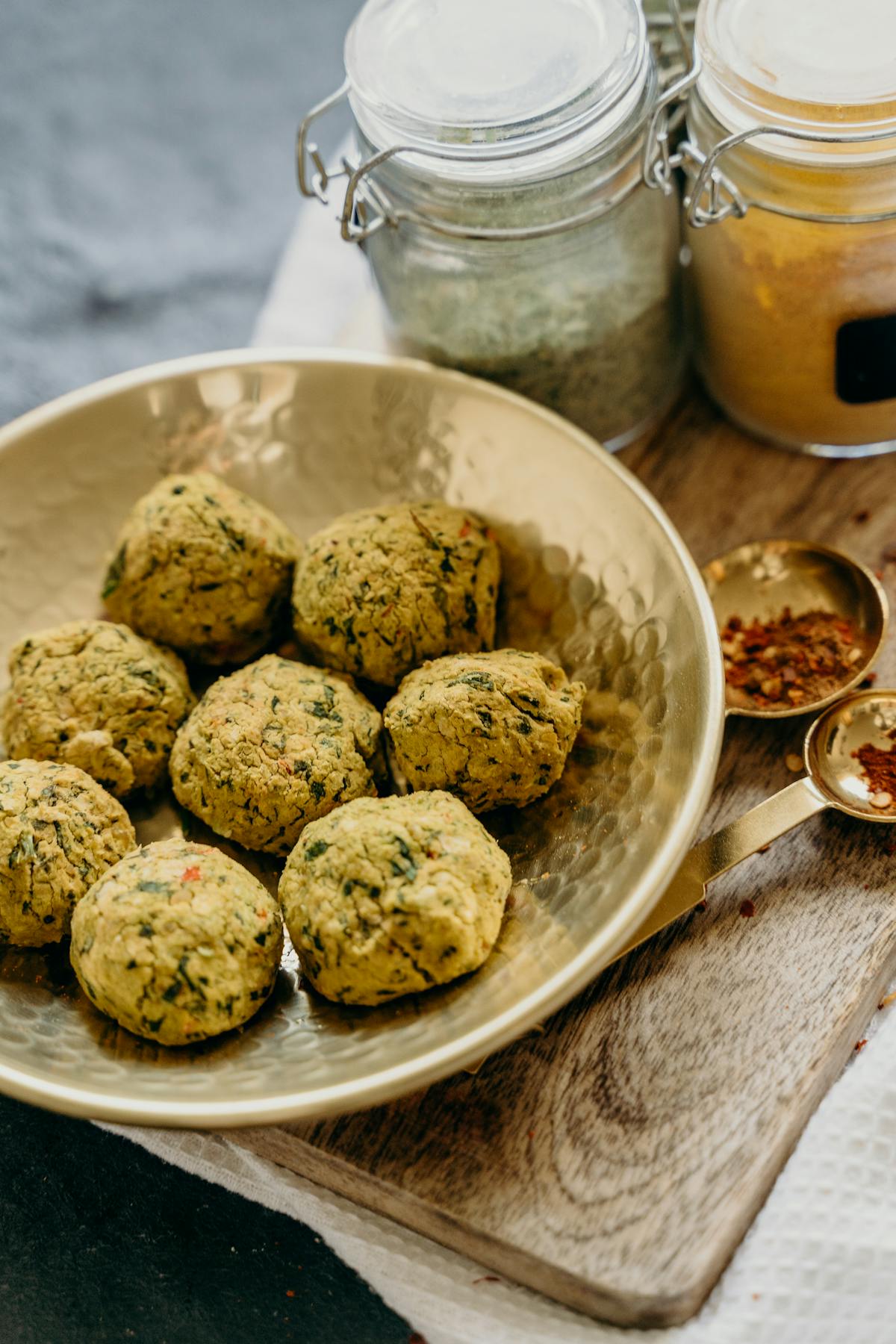
Think of it as crowding in more nourishing foods rather than banning anything outright. Over time, your taste buds often adjust: crisp vegetables, roasted nuts, and ripe fruit start to taste intensely satisfying.
Beyond the Plate: Culture, Connection, and Movement
The most thoughtful longevity voices emphasize that food is only one piece of the Blue Zone puzzle. People in these regions don’t just eat well; they also:
- Move naturally throughout the day—walking, gardening, climbing hills.
- Have strong social ties and regular shared meals.
- Maintain a sense of purpose and belonging.
- Experience relatively low chronic stress, supported by culture and community.
When these ideas are turned into products—supplements, “Blue Zone” restaurant menus, or pricey retreats—it’s easy to lose that context. But you can bring the heart of it home by:
- Setting up regular shared meals with friends or family, even simple potlucks.
- Building in small movement breaks: walking after meals, doing chores by hand, taking the stairs.
- Creating gentle stress-relief rituals like tea on the porch, journaling, or stretching.
A true longevity lifestyle feels like a life you’re happy to wake up to—not a strict checklist.
Making Longevity Diets Work in Real Life
You don’t need a private chef or a celebrity budget to eat in a longevity-supportive way. Start with small, sustainable changes:
- Choose one meal to “Blue Zone-ify.”
For example, make lunch a hearty grain bowl with beans, vegetables, and olive oil most days. - Add beans twice a week.
Use canned chickpeas in salads, black beans in tacos, or lentils in soups. - Swap one ultra-processed snack.
Replace a daily cookie or chips with nuts and fruit a few days a week. - Plan two fish or high-omega-3 meals weekly (or plant-based alternatives like tofu plus walnuts or flaxseed).
- Build a gentle evening routine.
Aim for an earlier, lighter dinner a few nights a week and a calming wind-down before bed.
Over time, these habits build a way of eating that’s rich in flavor, deeply satisfying, and quietly protective of your future health.
Key Takeaways: Eating for Longevity Without the Hype
Celebrity “longevity diets” and Blue Zone–inspired eating can be inspiring, but the core message is beautifully simple:
- Center your meals on plants—especially beans, lentils, whole grains, vegetables, and fruits.
- Use olive oil, nuts, and seeds as your main fats.
- Include adequate protein to support muscle, especially as you age.
- Limit ultra-processed foods most of the time, without rigid rules.
- Remember that sleep, movement, stress management, and social connection are just as important as what’s on your plate.
In the end, the most powerful “longevity diet” is one you genuinely enjoy and can see yourself eating for years—full of color, texture, aroma, and the kind of meals that make you linger at the table just a little longer.
