
Metabolic Meals: Glucose‑Friendly Eating, CGMs, GLP‑1s, and Real‑Life Blood Sugar Hacks
Metabolic Health & ‘Glucose‑Friendly’ Eating: CGMs, GLP‑1s, and Real‑World Blood Sugar Hacks
Metabolic health and ‘glucose‑friendly’ eating are having a big moment, fueled by continuous glucose monitors (CGMs), GLP‑1 medications, and viral blood sugar hacks that promise steadier energy, fewer crashes, and better long‑term health. This guide breaks down the science, debunks the hype, and shows you how to build balanced, delicious meals that support blood sugar without obsessing over every spike.
If you’ve ever watched a CGM graph shoot up after a bowl of oatmeal or seen side‑by‑side “before and after” glucose curves on social media, you’ve seen how visual—and emotional—blood sugar data can be. Behind the trends, though, are some timeless cooking principles: generous vegetables, satisfying protein, plenty of fiber, and carbohydrates that play well with the rest of your plate.

Below, we’ll explore what this metabolic health movement is really about, how CGMs and GLP‑1s fit in, and which “hacks” are worth keeping. You’ll also find a practical, blood‑sugar‑friendly recipe you can cook tonight—no apps or devices required, just a pan, some veggies, and your appetite.
What Is Metabolic Health, Really?
At its core, metabolic health describes how efficiently your body turns food into usable energy and how well it keeps blood sugar, blood pressure, and blood lipids in a healthy range. Instead of focusing only on body weight, people are asking about:
- Fasting and post‑meal blood glucose
- Insulin resistance and A1c
- Triglycerides and liver fat
- Energy levels, cravings, and sleep
Rising rates of prediabetes, PCOS, and obesity, plus the mainstream use of GLP‑1 medications like semaglutide, have pushed blood sugar to center stage. Social media has amplified this shift; instead of “before and after” weight photos, many creators now share screenshots of their glucose traces to show how a simple tweak—say, eating vegetables first—can flatten a spike.
The goal isn’t a perfectly flat line—it’s a pattern of mostly gentle hills rather than sharp roller‑coaster peaks and crashes.
The Rise of ‘Glucose‑Friendly’ Eating
“Glucose‑friendly” recipes, metabolic meals, and “PCOS‑friendly” plates now have millions of views. Common threads across the trend include:
- Front‑loading meals with vegetables and protein
- Pairing carbohydrates with fat and protein instead of eating them alone
- Swapping ultra‑processed snacks for whole‑food options
- Shifting from sugary to savory, protein‑rich breakfasts
These ideas aren’t new; they echo long‑standing dietary patterns like the Mediterranean diet and traditional Asian meals that naturally mix rice with vegetables, legumes, and protein. What’s new is the way CGM graphs and short‑form video have made the impact of meal structure feel tangible, almost gamified.
Food Order & Meal Structure: Does Sequence Matter?
One of the most viral “blood sugar hacks” is meal sequencing: eat non‑starchy vegetables first, then protein and fat, and save starches and sweets for last. Content creators often show two CGM traces—one where they eat bread alone, another where they eat salad and chicken before the bread—highlighting a lower spike in the second scenario.
Early research on mixed‑meal sequencing suggests this approach can modestly reduce post‑meal glucose peaks, especially in people with insulin resistance. The idea is simple:
- Fiber and volume first (salad, vegetable soup, crudités) slow gastric emptying.
- Protein and fat (fish, eggs, beans, yogurt, nuts) further slow digestion and stimulate satiety hormones.
- Carbs last (rice, pasta, bread, dessert) enter a system that’s already “cushioned” by fiber and protein.
Sensory‑wise, this can make meals more satisfying: the crunch and freshness of vegetables first, the savoriness of protein next, and finally the comforting starch or sweet element to finish.
Protein‑ and Fiber‑Forward Meals: The New Breakfast Culture
A major shift in the metabolic health world is what shows up at breakfast. The era of juice, white toast, and sugary granola is giving way to:
- Eggs in every form: soft‑scrambled, omelets loaded with spinach, frittatas
- Thick Greek or skyr yogurt bowls topped with nuts and berries
- Cottage cheese with tomatoes, cucumbers, and olive oil
- Tofu or tempeh scrambles with peppers, onions, and leafy greens
- Overnight chia puddings with seeds and low‑sugar fruits
Protein and fiber help flatten post‑meal glucose curves and keep you full longer. Instead of a rapid rise and crash mid‑morning, you get a slow burn of energy. From a cook’s perspective, these breakfasts are deeply satisfying: think creamy yogurt tang, the snap of seeds and nuts, the savory aroma of onion and garlic hitting a hot pan.

Vinegar Shots & Walks: Small but Mighty ‘Hacks’
Two ideas you’ll see everywhere:
- Vinegar before meals (often apple cider vinegar diluted in water)
- Short walks after eating, especially after carb‑heavy meals
Studies suggest that 1–2 tablespoons of vinegar (diluted in a glass of water) before a high‑carb meal can modestly improve post‑prandial glucose and insulin responses, likely by slowing gastric emptying and enhancing insulin sensitivity. A 10–20 minute walk after eating helps muscles soak up glucose, lowering the spike.
These effects are modest compared to overall diet pattern and activity levels, but they’re:
- Simple to implement
- Low‑cost or free
- Supportive of digestion and energy
CGMs for Non‑Diabetics: Biohacking or Helpful Feedback?
Continuous glucose monitors were designed for people living with diabetes, but now startups market them to health‑conscious consumers. In this “biohacking” space, users:
- Compare oatmeal vs. eggs, or white rice vs. quinoa
- Experiment with meal timing, like eating dinner earlier
- Share dramatic glucose spikes from sugary snacks or late‑night desserts
For some, CGMs offer a powerful wake‑up call and a personalized nudge toward more stable eating patterns. For others, they can become a source of anxiety or over‑interpretation, especially when normal fluctuations are viewed as “bad” spikes.
Experts emphasize that for people without diabetes, CGMs aren’t necessary to build a metabolically supportive way of eating. The fundamentals—whole foods, enough protein, plenty of fiber, movement, and good sleep—do the heavy lifting.
GLP‑1 Medications, PCOS, and Metabolic Eating
People using GLP‑1 medications (like semaglutide) and those managing PCOS are particularly tuned into glucose‑friendly diets. Both groups often struggle with insulin resistance and appetite regulation, so meal composition really matters.
Common advice across GLP‑1 and PCOS communities includes:
- Avoiding “naked carbs” (carbs eaten alone without protein or fat)
- Building meals around vegetables, lean proteins, and healthy fats
- Choosing higher‑fiber carb sources like beans, lentils, and whole grains
- Eating regularly to prevent extreme hunger and reactive overeating
Always work with a qualified clinician when combining nutrition changes with medication; GLP‑1s can alter appetite so dramatically that some people unintentionally under‑eat or miss key nutrients.
Beyond Blood Sugar Hacks: A Balanced View
It’s tempting to label foods as “spiky” or “flat,” but metabolic health is more than a single post‑meal graph. Carbohydrates aren’t villains; in many cultures, rice, bread, and noodles are woven into long‑lived food traditions.
What matters most over time:
- Your overall eating pattern: mostly minimally processed, plant‑forward, protein‑adequate meals
- Movement: walking, strength work, and physical activity you enjoy
- Sleep and stress: poor sleep and chronic stress can raise glucose even if your plate is picture‑perfect
- Consistency: habits you can sustain beat extreme rules you abandon
The sweetest spot is a way of eating that supports your blood sugar, fits your culture and preferences, and still leaves room for joy—yes, including dessert.
Recipe: Glucose‑Friendly Mediterranean Lentil & Veggie Power Bowl
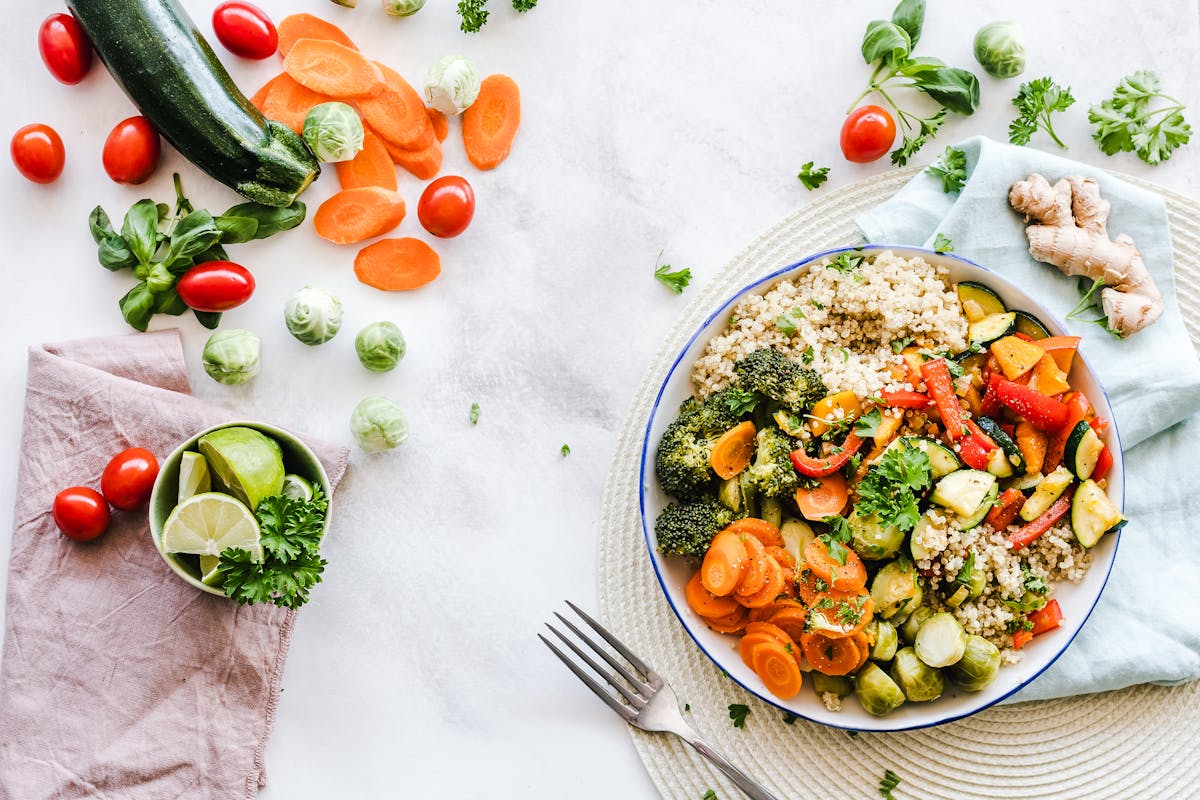
To bring all these ideas to life, let’s cook a high‑fiber, high‑protein, Mediterranean‑inspired lentil bowl that’s naturally blood‑sugar‑friendly, comforting, and deeply flavorful. It layers crisp vegetables, warm spiced lentils, chewy whole grains, and a creamy yogurt tahini drizzle.
This bowl follows the viral food‑order logic naturally: you get plenty of veggies and protein alongside your carbs, with legumes and whole grains providing a slow, sustained energy release.
Recipe Overview & Nutrition Focus
Prep time:
Cook time:
Total time:
Servings: 4 bowls
Difficulty: Easy–Moderate
Dietary: High‑fiber, high‑protein, vegetarian; easily made vegan & gluten‑free
Equipment You’ll Need
- Medium saucepan with lid (for lentils)
- Small pot or rice cooker (for whole grains)
- Large skillet or sauté pan
- Cutting board and sharp knife
- Mixing bowl (for sauce)
- Measuring cups and spoons
- Serving bowls
Ingredients
For the Lentils & Grains
- 1 cup dry green or brown lentils, rinsed
- 2 1/2 cups water or low‑sodium vegetable broth
- 1 bay leaf (optional)
- 1/2 teaspoon sea salt, plus more to taste
- 3/4 cup dry quinoa or other whole grain (farro, barley, or brown rice)
- 1 1/2 cups water or broth (for cooking the grain; adjust per package directions)
For the Veggie Medley
- 2 tablespoons extra‑virgin olive oil
- 1 small red onion, thinly sliced
- 2 cloves garlic, minced
- 1 red bell pepper, sliced into thin strips
- 1 medium zucchini, halved lengthwise and sliced
- 2 cups cherry tomatoes, halved
- 3 cups loosely packed baby spinach or chopped kale
- 1 teaspoon ground cumin
- 1 teaspoon smoked paprika (or sweet paprika)
- 1/2 teaspoon dried oregano
- Freshly ground black pepper, to taste
For the Yogurt Tahini Sauce
- 3/4 cup plain Greek yogurt (or plant‑based yogurt for vegan)
- 2 tablespoons tahini (sesame paste)
- 1–2 tablespoons fresh lemon juice
- 1 small clove garlic, finely grated or minced
- 2–4 tablespoons water, to thin as needed
- 1/4 teaspoon sea salt, or to taste
For Serving & Garnish
- 1 small cucumber, diced
- 1/4 cup crumbled feta cheese (optional; omit for vegan)
- 2–3 tablespoons toasted pumpkin seeds or sunflower seeds
- Fresh herbs like parsley or mint, chopped
- Extra lemon wedges
Step‑by‑Step Cooking Instructions
Cook the lentils. In a medium saucepan, combine the rinsed lentils, 2 1/2 cups water or broth, bay leaf, and 1/2 teaspoon salt.
Bring to a gentle boil, then reduce the heat to low, cover, and simmer for 18–22 minutes, or until the lentils are tender but not mushy. Drain any excess liquid, discard the bay leaf, and set aside.
Cook the grains. While the lentils simmer, rinse the quinoa (or chosen grain) under cool water.
In a small pot or rice cooker, combine the grain with the appropriate amount of water or broth (about 1 1/2 cups for quinoa). Bring to a boil, then cover and simmer over low heat until fluffy and cooked through (about 15 minutes for quinoa; follow package directions for other grains). Fluff with a fork.
Sauté the aromatics. In a large skillet, heat the olive oil over medium heat.
Add the sliced red onion and a pinch of salt. Cook, stirring occasionally, for 4–5 minutes, until the onion softens and edges begin to turn golden. Add the minced garlic and stir for 30–60 seconds, just until fragrant.
Add the vegetables & spices. Stir in the bell pepper and zucchini. Sprinkle with cumin, smoked paprika, oregano, and a few grinds of black pepper.
Cook for 5–7 minutes, stirring occasionally, until the vegetables are tender‑crisp and aromatic. Add the cherry tomatoes and cook another 2–3 minutes, just until they begin to slump and release their juices.
Fold in greens and lentils. Add the spinach or kale to the skillet and toss until just wilted.
Gently fold in the cooked lentils, tasting and adjusting seasoning with extra salt, pepper, or lemon juice as desired. You’re aiming for a savory, slightly smoky, bright flavor.
Make the yogurt tahini sauce. In a mixing bowl, whisk together the Greek yogurt, tahini, lemon juice, garlic, and salt.
Add water 1 tablespoon at a time until the sauce is smooth and pourable, like a thick salad dressing. Taste and tweak with more lemon or salt to your liking.
Assemble the bowls. Divide the warm grain among four bowls.
Top each portion with a generous scoop of the lentil‑veggie mix. Add a handful of diced cucumber to each bowl for crunch and freshness. Drizzle generously with the yogurt tahini sauce.
Finish & serve. Sprinkle each bowl with crumbled feta (if using), toasted seeds, and chopped herbs.
Serve with lemon wedges on the side. For a “glucose‑friendly” eating order, enjoy some of the veggies and lentils first, then mix everything together with the grains as you go.
Ingredient Swaps, Dietary Adaptations & Metabolic Tips
Dietary Adaptations
- Vegan: Use a thick, unsweetened plant‑based yogurt (like soy or coconut) and skip the feta or use a vegan alternative.
- Gluten‑free: Choose quinoa, brown rice, or certified gluten‑free grains; avoid barley or farro.
- Dairy‑free: Swap the yogurt for a dairy‑free version and omit feta.
- Low‑FODMAP (modified): Reduce or omit onion and garlic, using garlic‑infused oil instead, and keep lentil portions moderate if sensitive.
Flavor & Texture Variations
- Protein boost: Add grilled chicken, baked tofu, or a soft‑boiled egg on top for extra protein and satiety.
- Different legumes: Swap lentils for chickpeas or black beans; adjust cooking time if using dried beans.
- Spice profile: Add a pinch of chili flakes for heat, or swap smoked paprika for harissa paste for a deeper kick.
- Crunch factor: Add chopped nuts (walnuts, almonds, pistachios) for extra healthy fats and crunch.
Storage, Meal Prep & Reheating Tips
- Fridge: Store cooked lentil‑veggie mix and grains in separate airtight containers in the refrigerator for up to 4 days. Keep the sauce and fresh garnishes in their own containers.
- Freezer: The lentil‑veggie mixture and cooked grains freeze well for up to 2–3 months. Thaw overnight in the fridge before reheating. The yogurt sauce is best made fresh or used within 3–4 days (do not freeze).
- Reheating: Warm lentils and grains together in a skillet over medium heat with a splash of water or broth, stirring until hot. Alternatively, microwave in short bursts, stirring in between. Add cucumber, herbs, seeds, and sauce after reheating so they stay cool and crisp.
- Meal prep idea: Portion grains and lentil mix into 4 containers, pack cucumber and toppings separately, and bring the sauce in a small jar. Drizzle just before eating for the best texture.
Serving Ideas & Complementary Dishes
This metabolic‑friendly bowl can stand on its own, but you can easily build it into a full menu:
- Starter: A simple green salad dressed with olive oil and vinegar (hello, vinegar “hack”) to kick‑off fiber and volume.
- Side: Roasted non‑starchy vegetables like broccoli, Brussels sprouts, or cauliflower with lemon and herbs.
- For extra protein: Grilled salmon, shrimp, or tempeh skewers on the side.
- Dessert: Plain Greek yogurt with cinnamon and a few berries, or a square of dark chocolate paired with nuts to blunt any sugar spike.

Bringing Metabolic Health into Your Kitchen
Metabolic health doesn’t have to live in an app. It can live in your kitchen: in the sound of onions sizzling in olive oil, the feel of slicing crisp cucumbers, the aroma of cumin blooming in a warm pan, and the sight of a bowl piled high with color and texture.
You don’t need a CGM, a GLP‑1 prescription, or a perfect graph to support your blood sugar. A few grounded practices—protein‑ and fiber‑rich meals, vegetables at nearly every meal, thoughtful carb pairings, gentle walks after eating, and enough sleep—go a remarkably long way.
Start with one tweak: maybe it’s trading a sugary breakfast for a savory one, adding a side salad to your pasta nights, or cooking this lentil bowl on Sunday. Let your plate be a place of nourishment and curiosity, not perfectionism. Your metabolism, and your taste buds, will thank you.
