
Why 2026 Is the Year of Low‑Impact Travel: Trains, Off‑Season Escapes, and Hyper‑Local Adventures
Sustainable and Low‑Impact Travel in 2025: Trains, Off‑Season Escapes, and Localism 🚆🌍
Sustainable, low‑impact travel has moved from niche ideal to mainstream behavior in 2025, with travelers trading frantic bucket lists for slower rail journeys, off‑season city breaks, and hyper‑local stays that put money directly into community pockets. Instead of asking “How far can I go for cheap?”, people are asking “How lightly can I travel while still feeling fully alive?”
From Europe’s new night trains and Asia’s upgraded regional rail to November getaways in overtouristed cities and village‑run farm stays, the most interesting trips right now are the ones that leave more behind than they take. This guide breaks down the latest trends, routes, tools, and on‑the‑ground choices shaping low‑impact travel as of late 2025.

1. Why Low‑Impact Travel Is Surging Now 🌱
Across news feeds, podcasts, and TikTok, sustainable travel is no longer a side note—it is the storyline. Climate reports, wildfire seasons, and overcrowded heritage sites have turned abstract concerns into personal decisions about where and how to travel.
- Younger travelers lead the shift: Surveys in 2025 show Gen Z and Millennials increasingly ranking sustainability alongside price and safety when choosing destinations and transport.
- “Over it” overtourism fatigue: Viral videos of crowded Florence streets or cruise ship queues are pushing people toward shoulder‑season visits and smaller, lesser‑known cities.
- Algorithm‑boosted ethics: Hashtags like
#sustainabletravel,#flightfree, and#traintoknow sit beside#travelhacks, bringing low‑impact ideas into everyday trip‑planning content.
Low‑impact travel in 2025 isn’t about perfection; it’s about designing trips where your enjoyment and a destination’s well‑being can coexist.
2. The Rail Revival: Trains Beating Planes Across Continents 🚄
Trains are the flagship of low‑impact travel in 2025. They emit significantly less CO₂ per passenger‑kilometer than short‑haul flights, and they sidestep airport stress, baggage fees, and cramped cabins.
Europe: Night Trains and Rail‑First Itineraries
Europe’s rail map is glowing brighter each season, with new and revived sleeper services designed specifically for flight‑free itineraries:
- Nightjet expansion: ÖBB’s Nightjet network continues to grow, linking cities like Paris, Berlin, Vienna, Rome, and Amsterdam with overnight services that double as rolling hotels.
- Rail passes reimagined: Digital Interrail and Eurail passes now integrate real‑time timetables in their apps, making multi‑country train trips easier to plan and book on the fly.
- Flight‑free challenges: Creators on TikTok and YouTube share “Europe in 10 days by train only” routes, comparing cost, time, and emissions versus budget airlines.
Asia and Beyond: Regional Rail Getting Smarter
While Europe dominates rail content, other regions are catching up:
- Japan and South Korea: JR Pass tweaks and app‑based seat reservations keep Shinkansen journeys efficient, while Korea’s KTX routes make rail between Seoul, Busan, and smaller cities an easy choice.
- India and Southeast Asia: Gradual train upgrades, tourist quotas on key routes, and new booking platforms are making rail more accessible for international travelers seeking slower, more immersive journeys.
- North America: While infrastructure still lags, curated “rail + slow‑stay” itineraries along scenic Amtrak routes (like the California Zephyr or Cascades corridor) are trending on blogs and newsletters.

How to Plan a Low‑Impact Rail Trip in 2025
- Choose rail‑friendly routes: Under 1,000 km in Europe or East Asia? It’s often faster door‑to‑door by train once airport transfers and security are included.
- Travel by day when you can: Day trains reveal landscapes you’d otherwise fly over—rivers, villages, and industrial edges that tell the real story of a place.
- Book direct where possible: Use national rail sites or trusted aggregators that clearly disclose carbon data and avoid hidden fees.
- Pack light: A carry‑on backpack makes platform changes easier and reduces energy use per passenger.
On social media, #traintok creators now post side‑by‑side emissions and cost comparisons, turning every route into a mini climate lesson—and showing that comfort and conscience can sit in the same carriage.
3. Off‑Season & Shoulder‑Season: The New Luxury of Space 🍂
The hottest travel flex in 2025 is not “I was there in August,” but “I had it almost to myself in November.” Destinations once infamous for summer crowds now actively market their low‑season beauty.
Destinations Pivoting to the Quiet Months
- Venice, Santorini, Dubrovnik: Winter and early‑spring campaigns promote misty canals, uncrowded caldera views, and fortress walls you can actually walk without jostling.
- European capitals: Cities like Paris, Barcelona, and Prague spotlight festivals, markets, and cultural calendars outside high summer, when locals reclaim their streets.
- Nature destinations: Off‑peak hikes, bird‑watching seasons, and “green shoulder” periods in national parks reduce trail erosion and pressure on wildlife.

Why Off‑Season Travel Is Low‑Impact
Shifting your trip by a month or two can do more for sustainability than you might expect:
- Spreading the load: Tourism infrastructure—buses, waste systems, water supply—can cope better when visitor numbers are smoothed across the year.
- Supporting year‑round jobs: Businesses dependent on a three‑month high season are vulnerable; off‑season travelers help keep staff employed longer.
- Changing behavior: Fewer crowds mean less queuing, less litter overflow, and more respectful encounters with both residents and heritage sites.
How to Choose an Off‑Season That Still Works
Not every off‑season is created equal. Some services shut down completely; others simply quieten. To find the sweet spot:
- Search “best shoulder season for <destination>” and cross‑check with local tourism boards and recent blogs dated 2024–2025.
- Look at event calendars—an arts festival in March or a food week in November can transform a “quiet” trip into a cultural deep dive.
- Check opening hours for key sites and public transport schedules to avoid stranded days.
On YouTube and Reels, “Visit X in November instead of July” content is booming, pairing cozy aesthetics with data on cheaper stays, more available tables at local restaurants, and drastically reduced daily visitor numbers at major attractions.
4. Localism: Traveling Like a Temporary Neighbor 🏡
In 2025, the most meaningful trips are defined less by landmarks and more by relationships—with baristas, market vendors, guides, and guesthouse owners whose lives intersect with yours for a week. This is localism in practice: treating a destination not as a backdrop, but as a community you’re briefly part of.
Where Your Money Sleeps and Eats Matters
- Family‑run guesthouses & small hotels: These often keep profits in‑country and invest directly in their neighborhoods.
- Co‑ops and community lodges: In rural areas, you’ll increasingly find co‑owned stays where income funds local schools, conservation, or cultural programs.
- Farm‑to‑table restaurants: Menus proudly listing nearby producers signal shorter supply chains and stronger local economies.

Community‑Led Experiences Over Mass Tours
Platforms from Airbnb Experiences to small local startups now highlight resident‑designed activities—neighborhood walks, foraging workshops, dance classes, home kitchens turned micro‑restaurants.
- Choose tours that cap group size and share revenue transparently with guides.
- Look for experiences that center local knowledge, not just photo ops.
- Prioritize businesses that employ and train local youth or support cultural preservation projects.
Simple Localism Habits That Add Up
- Start each day at the same café, learn names, and tip fairly.
- Shop from weekly markets and independent grocery stores instead of global chains.
- Ask your host, “Where would you go on your day off?”—then go there.
5. Beyond Offsetting: Regenerative and “Stay Longer” Travel 🌳
Carbon offset buttons at checkout are everywhere in 2025—but so is skepticism. Many travelers now ask harder questions: What projects are funded? Are they verified? Will they last?
The conversation is shifting from “offset what you’ve done” to “design trips that do less harm and actively support what’s already good.”
More Time, Fewer Trips
- Slow itineraries: Instead of three weekend city breaks, travelers are opting for one two‑week journey with multiple stops linked by train or bus.
- Longer digital‑nomad stays: Conscious remote workers choose months‑long stays in regulated accommodations with fair tax contributions, rather than rapid‑fire hopping that fuels housing pressure.
Regenerative Stays and Experiences
“Regenerative” travel—where visits help restore ecosystems or support living cultures—is gaining traction:
- Eco‑lodges funding rewilding or reef restoration projects.
- Village homestays tied to language revitalization or craft cooperatives.
- Citizen‑science trips where guests help collect wildlife or marine data under expert guidance.
The key: transparency. In 2025, travelers increasingly demand impact reports, certifications with teeth (not just pretty logos), and clear evidence that their stay is part of a long‑term community‑supported plan.
6. Practical Low‑Impact Travel Habits You Can Adopt Today 🧭
Social media is full of small, repeatable habits that make low‑impact travel feel practical, not preachy. Many are cheap or even free—and they scale when thousands of people adopt them.
Pack and Move Light
- Travel with a carry‑on and a daypack; fewer bags mean less fuel use and more flexible public‑transport options.
- Swap liquids for solid toiletries (bar shampoo, conditioner, soap) to cut plastic waste and airport hassles.
- Bring a refillable bottle and, where practical, a compact water‑filter or purification system.
Choose Lower‑Carbon Transport on the Ground
- Favor buses, trams, and bikes over ride‑hailing apps for inner‑city movement.
- When you do need a car, share rides and opt for electric or hybrid where available.
- Walk more: in compact cities, walking entire days is not only feasible but often the most rewarding way to explore.
Be a Considerate Guest
- Respect local housing tensions: choose licensed stays and avoid participating in obvious “party district” distortions in residential neighborhoods.
- Learn a few phrases in the local language—it changes the tone of every interaction.
- Ask before photographing people or sensitive cultural spaces, even when others do not.
Podcasts and YouTube channels in 2025 increasingly connect these micro‑choices to bigger conversations about privilege, gentrification, and digital nomadism’s impact on housing—reminding us that “sustainable” travel is as social as it is environmental.
7. How to Design Your Own Low‑Impact Itinerary in 2026 ✨
As you plan trips for 2026 and beyond, think of sustainability as a design constraint that sparks creativity rather than limiting your options.
A Simple Planning Framework
- Start with purpose, not a pin: Do you want rest, culture, nature, or connection? Let that dictate the destination, not just a trending location tag.
- Choose timing strategically: Target shoulder seasons, mid‑week arrivals, and festival periods that distribute your spending more evenly.
- Plan rail‑first: Map train and coach routes first; fly only where truly necessary, and stay longer when you do.
- Allocate a “localism budget”: Set aside a fixed amount to spend specifically on local tours, artisans, and food businesses.
- Audit your impact: After the trip, review what worked—where you stayed, how you moved, who benefited—and tweak your habits for next time.
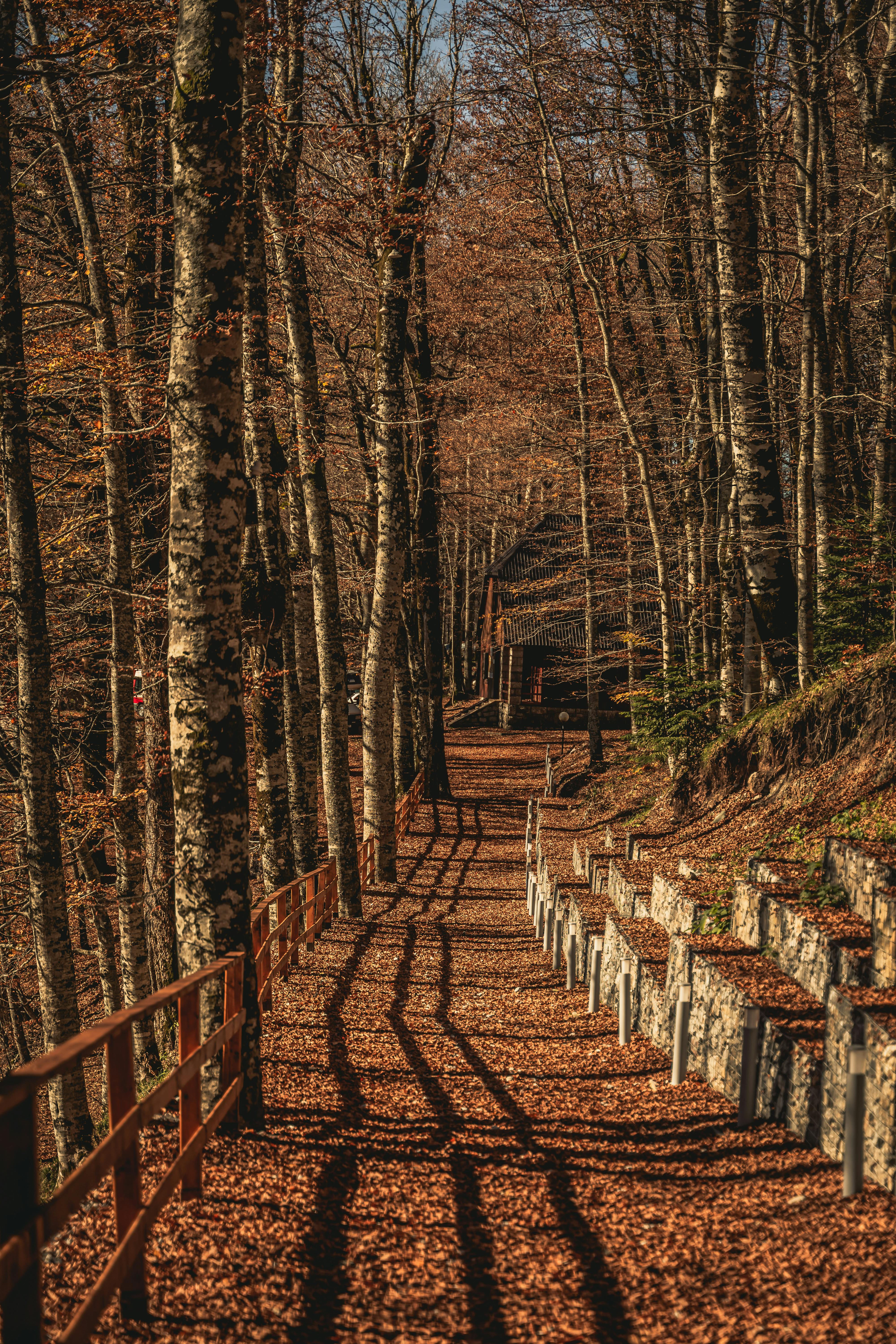
The direction of travel is clear: trains over planes where possible, quiet months over crowded ones, local businesses over anonymous chains. The reward isn’t just a smaller footprint; it’s a richer journey—one where you remember not just what you saw, but how it felt to belong, briefly, to somewhere else.
