
How TikTok’s ‘Hidden Gems’ Are Rewiring Global Travel (And How Not To Ruin Them)
The New Cartography of Wanderlust: When 15 Seconds Redraw the Map 🌍
In 2025, the world’s hottest “destinations” are no longer cities or regions but single staircases, alleys, ramen counters, and cliff edges—places that exist in people’s minds first as TikTok loops before they ever appear on a map. Short‑form video has created a new travel layer: viral micro‑destinations discovered through #hiddengem and #TikTokmademego hashtags rather than guidebooks or tourism boards.
This isn’t just a cute social media quirk; it’s a structural shift in how we decide where to go, what to photograph, and how local communities experience tourism—often for the first time, sometimes all at once.
What Exactly Is a TikTok Micro‑Destination? 📍
A micro‑destination is a hyper‑specific place that becomes a standalone travel goal because a short video made it famous. Not a city, not even a neighborhood—just one view, dish, or doorway suddenly elevated into a pilgrimage site.
- A pastel side street in an otherwise anonymous Portuguese town.
- A single café window seat with “the best croissant and laptop view in Paris.”
- A waterfall on private land that appears in a dreamy drone shot, without the muddy 40‑minute scramble it takes to reach it.
- A rooftop laundromat in Seoul whose neon sign and skyline reflection scream “main character energy.”
The visit is often less about the broader destination and more about recreating a specific visual moment—a frame travelers have already rehearsed on their screens.
How TikTok’s Algorithm Turns Nobodies into New Tourism Boards 🎥
TikTok, Instagram Reels, and YouTube Shorts reward hooks, not heritage. A creator with 500 followers can outperform an entire national tourism campaign if their opening line and edit are irresistible.
“This secret town in Europe doesn’t feel real…” “The most underrated café in Tokyo—locals don’t want you to know this.” “Hidden waterfall in Bali, no tourists (for now).”
The algorithm optimizes for watch time and replays, not for context. If people linger on a clip because it’s pretty, surprising, or envy‑inducing, it’s pushed to millions of feeds regardless of:
- Whether the spot can handle visitors.
- Whether it’s on private property.
- Whether the “secret” is already saturated by locals at certain hours.
- Whether the creator has permission to film there in the first place.
In 2025, you can watch entire travel itineraries built in a stitched chain of clips: one viral viewpoint becomes breakfast, a trending noodle shop becomes lunch, a mural becomes the afternoon activity, and a rooftop bar becomes the sunset scene.
From Quiet Corner to Viral Queue: On‑the‑Ground Examples 🌐
While each region has its own versions, the pattern looks eerily similar worldwide. Local residents often describe it as “a switch flipping” the week after a clip explodes.
- European coastal towns see sudden surges at one clifftop bench or “secret” cove, with tripods and drones colonizing what were once quiet sunset spots.
- East Asian city cafés morph into aesthetic studios—lattes ordered, photos taken from one famous angle, and patrons leaving without finishing their drinks.
- Hiking trails in North America and New Zealand develop bottlenecks at a single swing, waterfall rock, or ridge where “the shot” is taken, even if the rest of the hike remains peaceful.
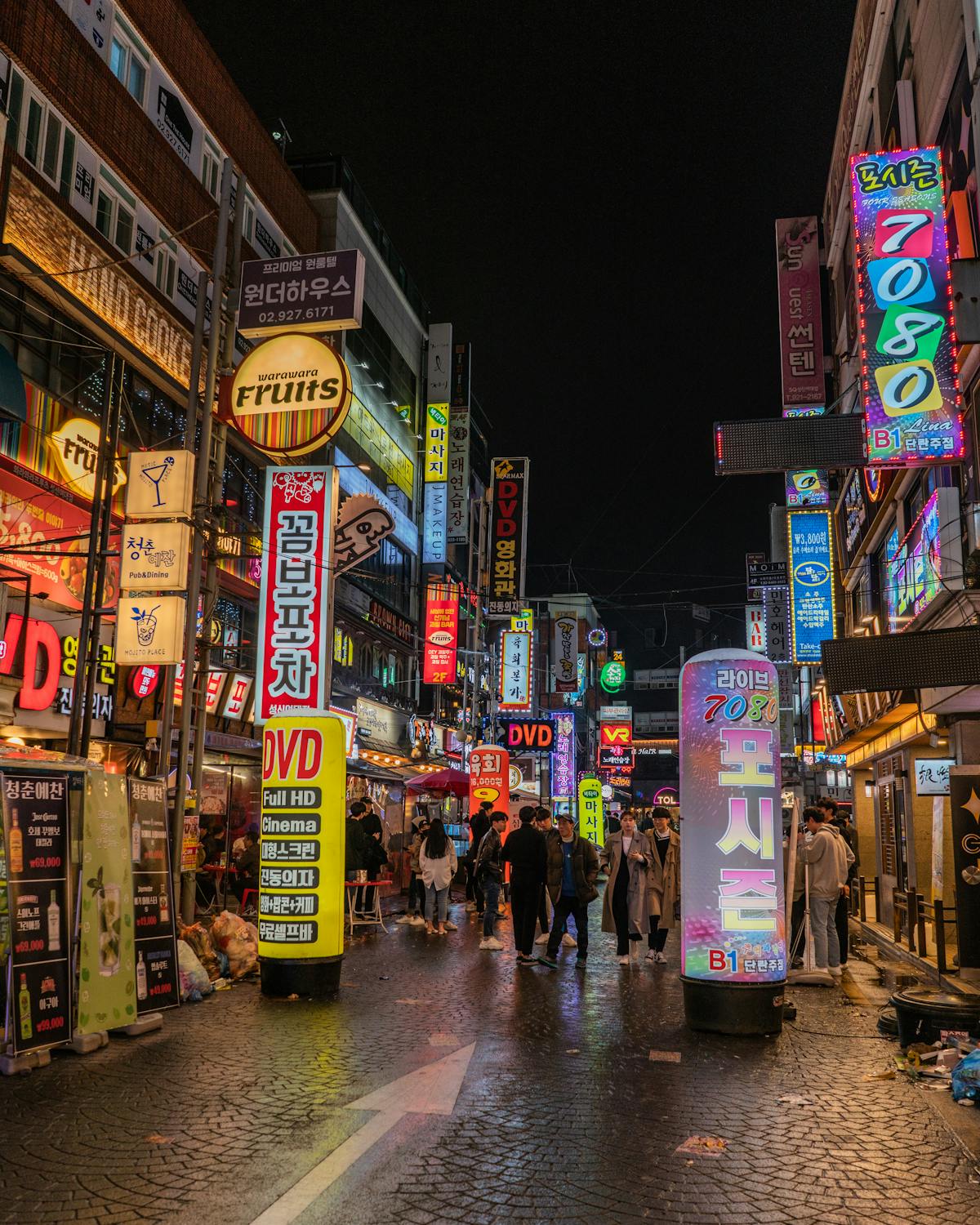
The result is a strange duality: you can walk through an almost empty town and then turn a corner into a dense crowd orbiting a single doorway that “lives” on TikTok.
The Upside: Micro‑Tourism as a Lifeline for Small Communities 💵
For many under‑visited towns, viral discovery is not a threat but a long‑awaited break. A single short video can redirect spending from the usual tourist magnets to places that rarely appeared on maps or in glossy brochures.
When managed, this can mean:
- Full tables at family‑run restaurants that previously survived only on weekends.
- New income for local guides offering context beyond a trending viewpoint.
- Guesthouses seeing bookings in shoulder and off‑season months.
- Municipal funds to restore heritage buildings or maintain trails.
Some tourism boards have leaned into the trend by partnering with micro‑creators rather than mega‑influencers, spotlighting lesser‑known beaches, second‑line hikes, and alternative neighborhoods that can absorb visitors without collapsing.
The Downside: When a Hashtag Hits Faster Than Infrastructure ⚠️
Viral fame arrives with no warning and even less planning. Many micro‑destinations lack the basics needed to host more than a handful of extra visitors a day.
- Fragile environments — Unmarked coastal paths erode under the weight of daily foot traffic, wildflowers become selfie props, and previously quiet forests fill with loud music and drones.
- Local frustration — Narrow residential streets turn into taxi drop‑off points; private driveways are mistaken for trailheads; apartment stairwells become public photo sets.
- Strained services — Bins overflow in small villages, car parks spill onto farmland, and cafés designed for 20 locals suddenly face 200 visitors, many of whom only order one coffee for the shot.
- Cultural flattening — Travelers dip in for content, not connection, leaving residents feeling more like scenery than hosts.
In 2025, more municipalities are openly debating whether to restrict, redirect, or embrace this attention with new rules, reservations, and visitor caps that can feel jarring when you first encounter them.
The Ethics of Going Viral: Responsible Sharing in 2025 🧭
Creators and travelers are increasingly aware that an innocent “secret spot” post can have real‑world costs. A quiet movement of responsible sharing is emerging across TikTok, Reels, and Shorts.
Common approaches now include:
- Soft geotagging — Tagging only the region (e.g., “Northern Portugal”) rather than the exact coordinates of a fragile spot.
- Context captions — Adding clear notes about trail difficulty, private property, opening hours, and local etiquette instead of presenting every place as frictionless.
- Behavioral nudges — Creators explicitly remind viewers to stick to marked paths, avoid drones where banned, and actually spend money locally rather than treating spaces as free backdrops.
- Selective silence — Some creators now choose not to post or geotag sacred sites, residential alleys, or tiny cafés that could be overwhelmed by even a few extra groups a day.

As platforms face pressure to address overtourism, expect more tools for adding sustainability notices, official information panels, and links to local guidelines directly inside travel clips.
“TikTok Made Me Come Here”: Expectation vs. Reality 🪞
Another emerging genre in 2025 is the deconstruction of hype. Travelers are increasingly posting side‑by‑side comparisons of dreamy clips and what they actually encountered when they arrived.
- Sunrise shot with no one else vs. midday crush and a 45‑minute queue for the same rock ledge.
- Café reels showing quiet corners vs. reality of “content lines” waiting for that exact seat.
- “Secret waterfalls” that now require paid parking, time slots, and security patrols.
These corrective videos are not just rants; they form a live review ecosystem. Creators stitch one another’s clips to ask:
- Is this spot still worth it in 2025, given the crowds and restrictions?
- What time of day avoids the worst queues?
- Is there a better, less stressed alternative nearby?
The result is a more critical, self‑aware kind of digital wanderlust, where viewers know a 12‑second montage rarely shows the line, the noise, or the rules.
How Viral Spots Reshape Big Cities from the Inside 🏙️
Micro‑destination tourism doesn’t only transform remote corners; it rewires the internal geographies of major cities too. A single staircase, bodega, street food cart, or mural can redirect visitor flows block by block.
Common 2025 patterns:
- Clustered content corridors where multiple viral spots sit within a few minutes’ walk, concentrating foot traffic into narrow time windows.
- Destination businesses—tiny bakeries, kiosks, and taco stands—becoming global “must‑tries” despite almost no seating or staff.
- Rent and usage shifts as landlords realize their stairwell or rooftop can be monetized as an “aesthetic location,” sometimes displacing longer‑term uses.
For travelers, this means that even in well‑known cities, your path might follow a string of clips more than a traditional walking tour, connecting scenes rather than sights.
How to Chase Hidden Gems Without Breaking Them 🌱
You can absolutely follow your “For You” page to new corners of the world—and still leave them better than you found them. Use these principles as a personal code of conduct in 2025.
- Interrogate the clip, not just the vibe.
Before you add a place to your map, search its name plus terms like “crowded,” “rules,” or “closed.” Check recent comments for updates on access, fees, or local pushback. - Ask: who pays the cost of my content?
If your perfect shot blocks someone’s doorway, invades a family’s privacy, or damages a trail edge, it’s too expensive—even if it’s free to film. - Spend where you shoot.
Buy from the café whose terrace you’re using, tip your guides, and look for locally owned stays instead of treating the town as a backdrop with no economic footprint. - Go off‑peak, go off‑angle.
Visit in shoulder hours or seasons and resist the urge to copy‑paste the viral frame. Explore different perspectives. Let your curiosity, not the algorithm, direct your feet once you arrive. - Share with care.
If a place already feels at capacity, consider soft‑tagging or focusing your content on etiquette and context rather than broadcasting exact coordinates.
If You Create Travel Content: Make Stewardship Part of the Story 🎙️
The most compelling travel content in 2025 doesn’t just show a place; it teaches viewers how to belong there temporarily without causing harm. If you publish clips, consider building in:
- On‑screen text about local norms (quiet hours, dress codes, tipping culture).
- Cutaways that show realistic crowds, queues, and weather instead of only golden moments.
- Links in captions to official park pages, city guidelines, or community‑run tours.
- Clear boundaries—never encouraging trespassing, drone use where banned, or disrespect of religious or cultural sites.
Storytelling and stewardship are no longer opposites; the most trusted creators blend both, and audiences are rewarding that honesty with long‑term loyalty.
The Next Chapter of Hidden Gem Tourism 🔮
As of late 2025, TikTok‑driven micro‑destinations are no longer a niche curiosity—they’re a defining feature of global travel. Algorithms will keep surfacing unknown corners; travelers will keep following them. The question is not whether this trend continues, but whether we grow more skillful in how we participate in it.
In the years ahead, expect better tools on platforms to attach context and capacity information to viral spots, more local voices shaping the narrative of their own neighborhoods, and a shift from “Look where I found” to “Here’s how to show up well here.”
Until then, every time you tap “save” on a gorgeous 15‑second clip, remember: you’re not just curating your future feed—you might be helping to draw the next line on travel’s ever‑evolving map.
