
When Jaw Pain Hides a Rare Bone Disorder: Annie’s Medical Mystery Explained
One morning in early 2020, college senior Annie Sedoric woke up with what felt like “just” jaw pain. Within months, she was watching her own face subtly change in the mirror, while scan after scan came back “normal.” It would take years of misdiagnoses before she finally found the rare bone disorder that was quietly reshaping her body.
If you’ve ever felt something was wrong with your body but couldn’t get clear answers, Annie’s story will feel uncomfortably familiar. This article walks through what happened, what we can learn from complex cases like hers, and how you can better advocate for yourself when symptoms don’t add up.

The Hidden Story Behind “Just Jaw Pain”
Based on public reporting from December 2025, Annie’s journey started with:
- Sudden, intense jaw pain during her final year of college.
- Progressive changes in her facial structure that she could see in real time.
- Years of being told symptoms were due to stress, clenching, or temporomandibular joint (TMJ) issues.
For a long time, the working assumption was a common jaw disorder. But behind the scenes, an uncommon bone process was at work—something most clinicians will never see in an entire career.
“Rare diseases are common when you’re the one living with them. The system just isn’t built to recognize them quickly.”
— A clinical geneticist interviewed about undiagnosed conditions
While specific diagnostic labels in Annie’s case are still being discussed in the medical literature, her story fits a familiar pattern of slow, structural changes in bone and soft tissue that are easy to miss early on.
Jaw Pain and Facial Changes: When to Look Deeper
Jaw pain is common and often benign. But certain red flags suggest a need for more thorough evaluation:
- Persistent, worsening pain over weeks to months, especially if not relieved by usual TMJ treatments.
- Visible facial asymmetry or “deformation”—your jawline, cheek, or forehead begins to change shape.
- Changes in your bite—your teeth no longer come together the way they used to.
- Numbness, tingling, or weakness around the face or jaw.
- Unexplained headaches or facial pressure different from past migraines or tension headaches.
In Annie’s case, subtle daily changes in jaw contour were brushed off at first. Over time, though, she could see the difference between photos taken just months apart—an important clue that something structural, not just muscular, was happening.

Why Rare Bone Disorders Are So Hard to Diagnose
Rare bone and connective tissue disorders—such as fibrous dysplasia, Paget disease of bone, or other craniofacial bone dysplasias—can mimic far more common problems.
Several factors make diagnosis difficult:
- Non‑specific early symptoms: dull pain, fatigue, mild asymmetry, or headaches.
- Normal basic imaging: early-stage disease may not show striking changes on plain X‑rays.
- Fragmented care: different specialists see different pieces—dentist for bite, ENT for sinus pressure, neurologist for headaches.
- Rarity: many clinicians never encounter these conditions in training.
Eventually, Annie’s team ordered more targeted imaging and involved sub-specialists who recognized the pattern of an uncommon craniofacial bone disorder. This kind of escalation often happens only after months or years of persistent symptoms.
“When pain persists, anatomy changes, and tests are ‘normal,’ that’s the moment to zoom out and ask: What are we missing?”
— Maxillofacial surgeon, case‑conference remark
Practical Steps If You’re Living a “Medical Mystery”
You don’t need to know your diagnosis to start advocating effectively. You do need a plan. Here’s a structured approach, informed by cases like Annie’s and current patient‑advocacy research.
1. Document Everything
- Keep a symptom diary with dates, severity (0–10), and triggers.
- Take time‑stamped photos if you notice visible changes (e.g., face, jawline, limbs).
- Store lab results, imaging reports, and visit summaries in a single digital folder.
2. Prepare for Every Appointment
- Write a one‑page summary: when symptoms started, how they evolved, what helps and what doesn’t.
- List 3 clear questions you want answered at each visit.
- Bring a trusted friend or family member to help take notes and ask clarifying questions.
3. Ask for the Next Logical Step
If you feel stuck, phrases like these can help move the conversation forward:
- “What else could this be, and how would we test for it?”
- “At what point would you consider this more than TMJ or stress?”
- “Would advanced imaging or a specialist referral be reasonable now? If not, what needs to change first?”
4. Build a Small Team, Not Just One Doctor
For complex or rare conditions, you may need:
- A primary care clinician willing to coordinate.
- A specialist familiar with your main symptom (e.g., oral and maxillofacial surgeon for jaw issues).
- When appropriate, a clinical geneticist or rare‑disease center.

Common Obstacles—and How to Navigate Them
People in Annie’s position often run into similar roadblocks. Recognizing them can help you respond rather than shut down.
“Your Tests Are Normal”
Normal tests don’t mean your experience isn’t real; they mean the right test may not have been done yet, or the disease is early.
Try asking:
- “What conditions does this test rule out, and what does it not rule out?”
- “If symptoms keep progressing, what would be our plan B?”
“It’s Probably Stress”
Stress can worsen pain, but it rarely explains structural changes like bone remodeling or visible asymmetry.
A balanced response might be:
“I agree stress might be part of this, and I’m willing to work on that. I’m also seeing visible changes in my face/jaw. How can we address both at the same time?”
Financial and Access Barriers
- Ask about in‑network tertiary centers with rare‑disease clinics.
- Look into hospital charity programs or patient‑assistance funds for imaging and specialist visits.
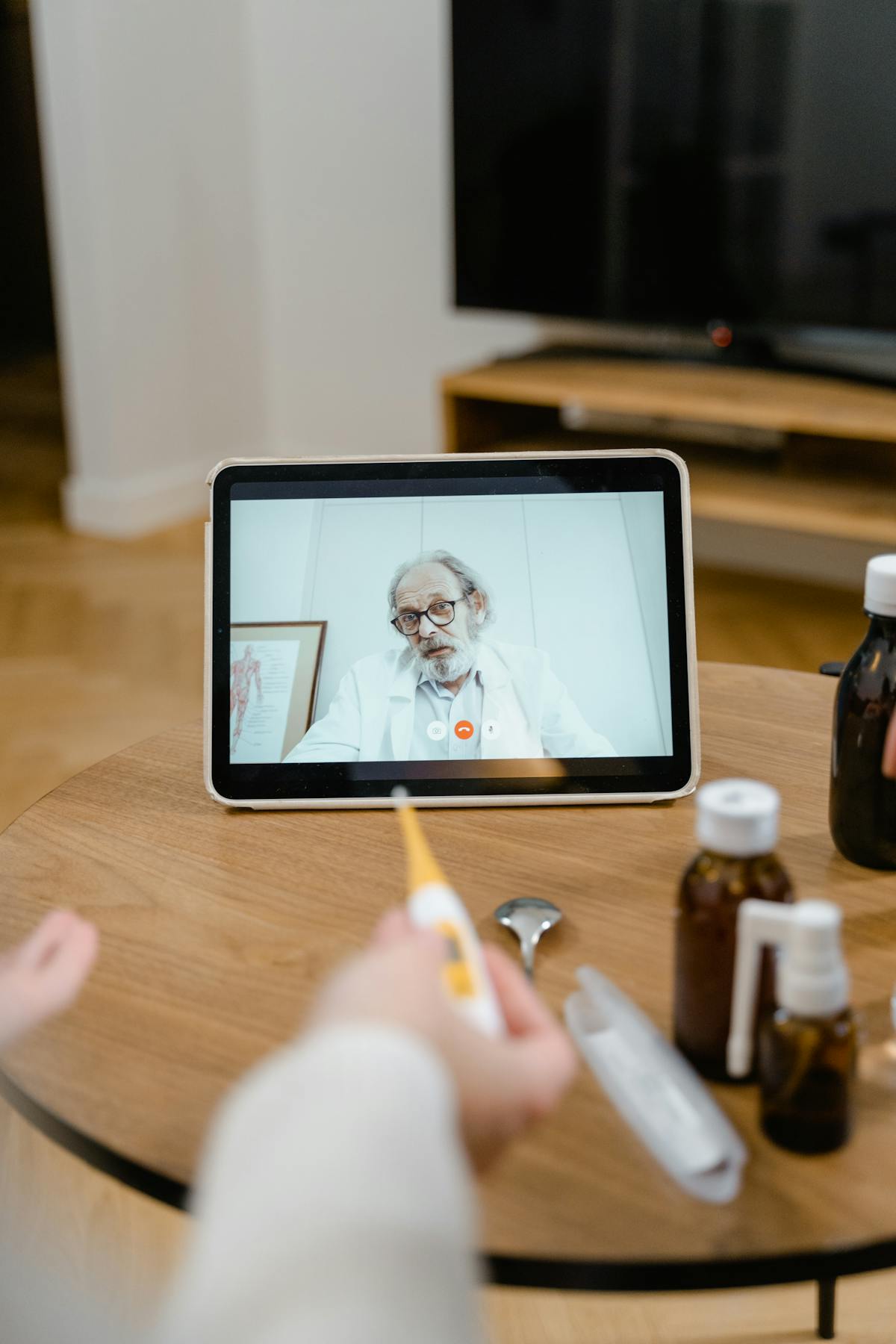
- Use reputable telehealth second‑opinion services connected to academic medical centers when travel is difficult.
Treatment Options and What “Success” Really Looks Like
With rare craniofacial bone disorders, “cure” is not always possible. But stability, pain control, and function are realistic goals in many cases.
Depending on the underlying condition and its activity, treatment may include:
- Targeted medications (for example, bone‑modulating drugs in some disorders).
- Surgical intervention to correct deformities, protect nerves, or restore bite function.
- Physical therapy and jaw exercises to maintain range of motion and reduce muscular pain.
- Pain‑management strategies, combining medications, behavioral approaches, and sometimes nerve‑targeted procedures.
- Psychological support to help cope with body‑image changes and the uncertainty of long‑term conditions.

In Annie’s story, getting a name for her condition was a turning point. It didn’t erase the years of uncertainty, but it opened the door to targeted care and realistic expectations.
Quick Reference: From First Symptom to Rare Diagnosis
Use this simplified pathway as a mental roadmap. It’s not a strict sequence, but it may help you see where you are and what might come next.
- Weeks 0–4: New jaw/facial pain → basic dental and medical evaluation, initial TMJ care.
- Weeks 4–12: Symptoms persist or worsen → re‑evaluation, consider imaging (X‑ray, CT), basic labs.
- Months 3–12: Emerging asymmetry, bite changes, or neurologic signs → second opinions; referral to maxillofacial, ENT, or neurology.
- Months 12+ if unresolved: Consider rare‑disease clinic, clinical genetics, advanced imaging, or multidisciplinary case review.
What Annie’s Case Teaches Us
Every rare‑disease story is unique, but recurring themes stand out in Annie’s experience and similar reports in major medical journals:
- Your lived experience is data. Photographs, timelines, and symptom patterns can be diagnostic clues.
- Language matters. When Annie began describing “my face is changing,” not just “my jaw hurts,” clinicians started to think more structurally.
- Validation heals, even before treatment. Being believed is often the first real relief for people with chronic, unexplained symptoms.
- Accurate names unlock community. Once a disorder is named, online support groups and patient organizations become accessible.
“I finally felt like I wasn’t imagining it. There was a reason my face looked different—and a team that knew what to do about it.”
— Paraphrased from patient narratives about receiving a rare‑disease diagnosis
Moving Forward: Listening to Your Body Without Living in Fear
Most jaw pain will never turn into a medical mystery like Annie’s. But stories like hers remind us that:
- You are allowed to take your symptoms seriously, even when tests are “normal.”
- Self‑advocacy and respectful persistence can change the course of your care.
- “Rare” does not mean “hopeless”—it often means you need the right eyes on your case.
If you’re noticing persistent pain, facial changes, or other worrying symptoms:
- Schedule a follow‑up with a clinician you trust.
- Bring a concise summary of your symptoms, photos, and questions.
- Ask together: “Is there anything serious we could be missing, and how would we rule it out?”
You don’t have to navigate that uncertainty alone. With the right information, a curious medical team, and a willingness to keep asking hard questions, it is possible—like Annie—to move from confusion toward clarity, and from fear toward a plan.
