
How a Sports Nutritionist Eats High-Protein Without Ultra-Processed Foods
For many active people, "high-protein" has become synonymous with shiny bars, neon shakes, and snacks that look more like lab projects than food. Sports nutritionist Rob Hobson takes a different route: he hits his protein goals—about 0.7 grams per pound of body weight—mainly with simple, minimally processed foods that still fit into a busy, modern life.
In this guide, we’ll break down how a sports nutritionist structures a high-protein day to fuel workouts and stay satisfied, without leaning on ultra-processed products. You’ll see what this looks like in real meals, how you can adapt it to your own routine, and where convenient products still fit in without taking over your diet.
Why High-Protein Doesn’t Have to Mean Highly Processed
Protein is crucial for muscle repair, performance, and feeling full after meals. The good news: you don’t need to live on protein cookies and powders to get enough. By building meals around high-quality protein sources and smart snacks, you can support your training, appetite, and overall health with ingredients you recognize.
How Much Protein Do You Really Need to Fuel Your Workouts?
Rob Hobson typically aims for around 0.7 grams of protein per pound of body weight per day (about 1.5 grams per kilogram). This falls within the commonly recommended range for active adults who want to support training and muscle maintenance.
- Recreationally active: ~0.6–0.8 g per pound (1.3–1.8 g/kg)
- Strength & hypertrophy focused: ~0.7–1.0 g per pound (1.6–2.2 g/kg)
- Endurance athletes: ~0.6–0.9 g per pound (1.4–2.0 g/kg)
“Protein intakes of 1.6–2.2 g/kg/day are safe for healthy adults and may improve body composition in those who are physically active.”
Source: International Society of Sports Nutrition Position Stand on Diets and Body Composition[1]
If you weigh 160 pounds and aim for about 0.7 g per pound, that’s roughly 110 grams of protein per day. Split across three meals and a snack, that might look like:
- Breakfast: ~25–30 g
- Lunch: ~25–30 g
- Dinner: ~30–35 g
- Snacks: ~20–30 g total
Why Limit Ultra-Processed Protein Foods?
Ultra-processed foods (UPFs) typically contain long ingredient lists, refined starches, added sugars or sweeteners, and various additives. Many modern protein products—cookies, candies, sodas, and even some bars—fall into this category.
Research doesn’t say that a single protein bar will harm your health. The concern is a diet dominated by ultra-processed foods. Large observational studies link high UPF intake with increased risks of weight gain, metabolic issues, and cardiovascular disease, although these studies cannot prove direct cause and effect.
“Higher consumption of ultra-processed foods was associated with a higher risk of cardiovascular, coronary heart, and cerebrovascular diseases.”
Source: BMJ cohort study on ultra-processed foods and cardiovascular disease risk[2]
Hobson’s approach is to use these products sparingly—as back-up or during travel—while relying on whole or minimally processed foods most of the time. This keeps his diet rich in fiber, vitamins, minerals, and healthy fats, not just isolated protein.
A High-Protein Day on a Sports Nutritionist’s Plate
While everyone eats a little differently, here’s a realistic, whole-food-focused pattern inspired by how a sports nutritionist like Rob Hobson might structure a training day around ~110–130 grams of protein, without leaning on ultra-processed products.
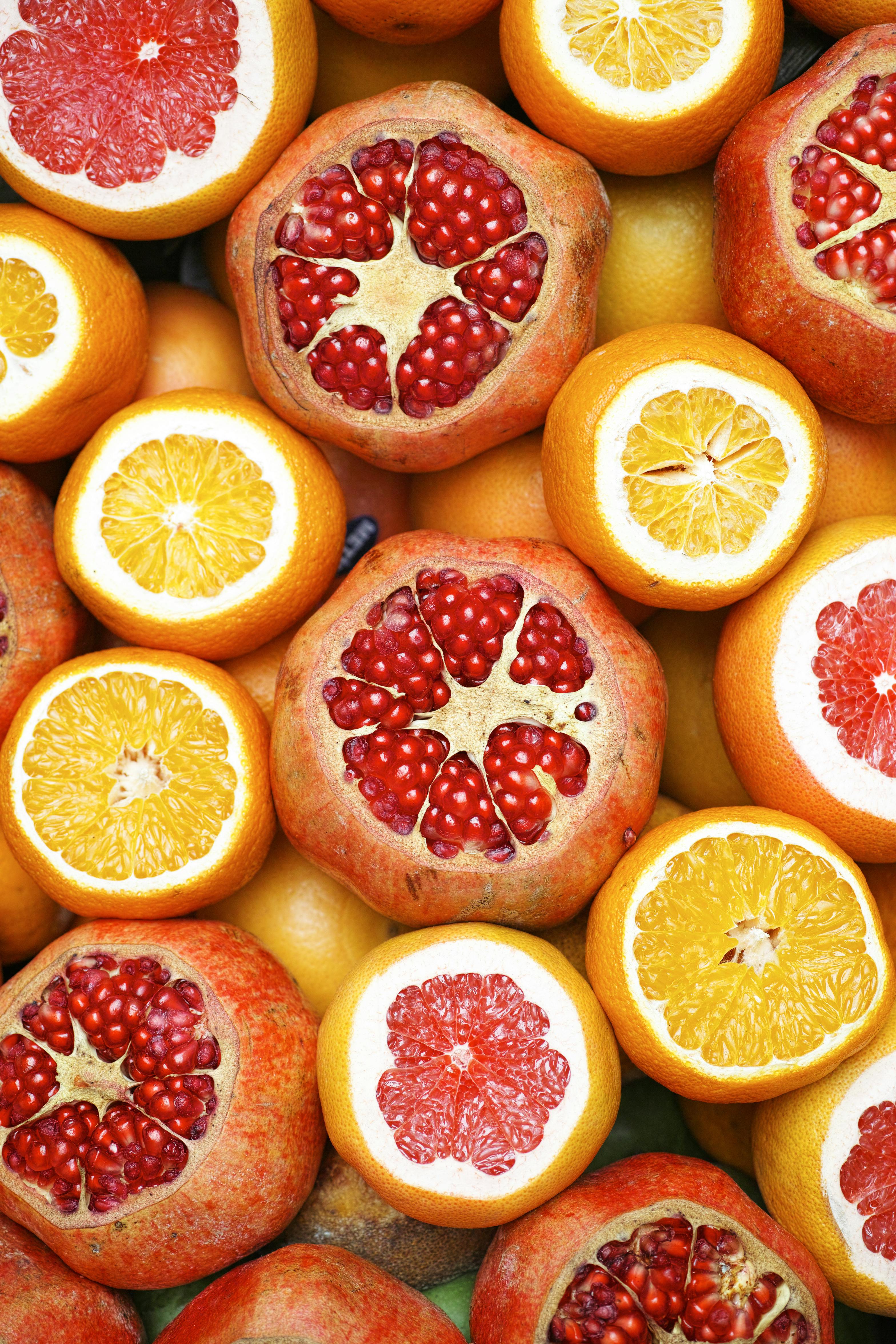
Breakfast: Protein-First Start (25–30 g)
Options might include:
- 2–3 eggs with smoked salmon or beans, plus whole-grain toast
- Greek yogurt with nuts, seeds, and berries
- Cottage cheese with fruit and a sprinkling of granola
These combinations provide a mix of high-quality protein, fiber, and healthy fats. They’re designed to keep you satisfied until lunch and to stabilize blood sugar, which can help curb mid-morning cravings.
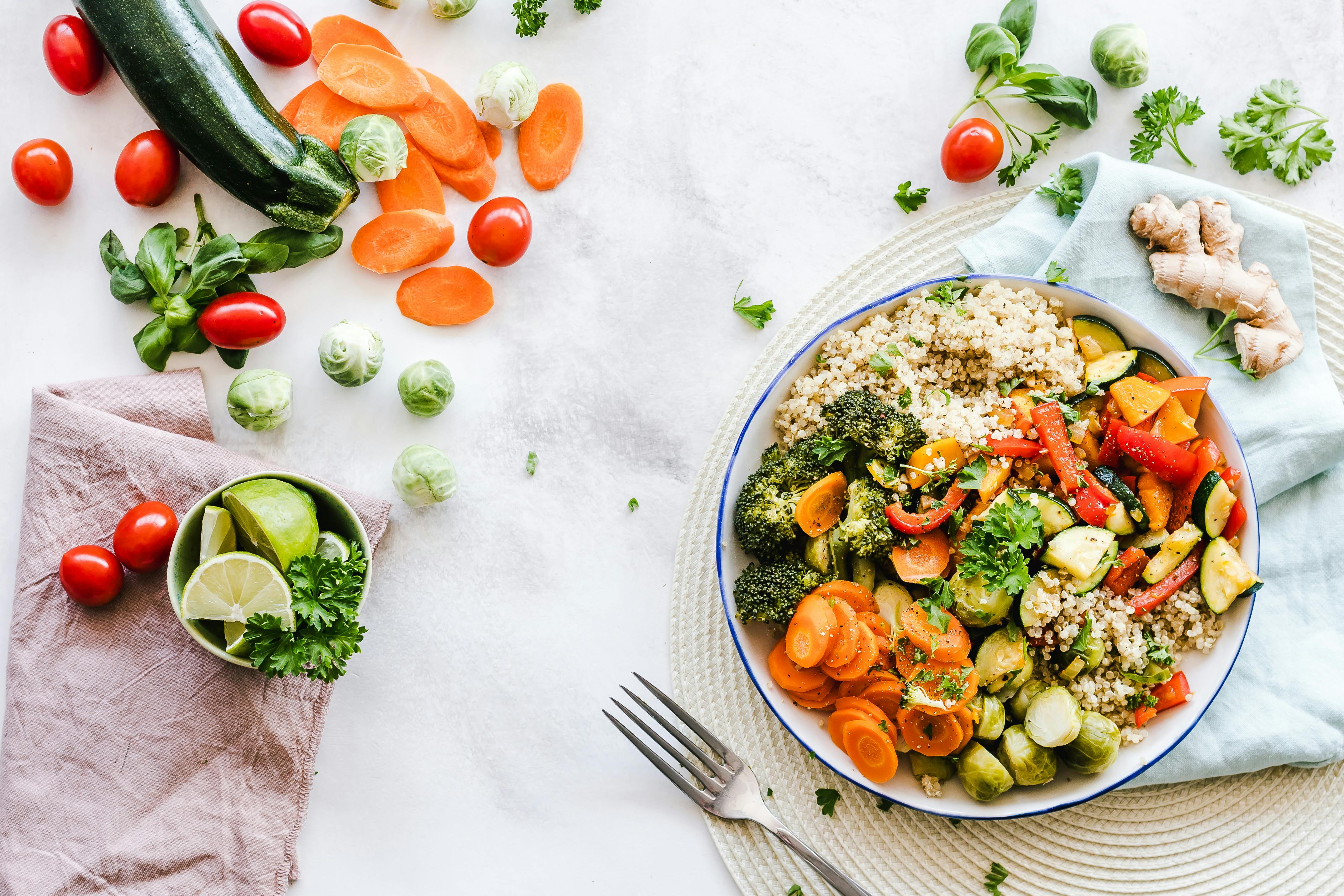
Lunch: Lean Protein & Fiber (25–30 g)
Examples of minimally processed, high-protein lunches:
- Grilled chicken or tofu grain bowl with quinoa, roasted vegetables, and olive oil
- Tuna, bean, and vegetable salad with a whole-grain roll
- Lentil soup with a side of whole-grain bread and a yogurt cup
Notice that protein is part of a full meal, not the only focus. Complex carbohydrates and fiber support training and recovery just as much as protein does.
Afternoon or Pre-Workout Snack (15–25 g)
Rather than a candy-like bar, Hobson might opt for snacks such as:
- Greek yogurt with a handful of nuts
- Hummus with whole-grain crackers or raw vegetables
- Cheese and fruit, or edamame with a piece of fruit
If timing is tight before a workout, a small piece of fruit plus a bit of protein (like yogurt or a boiled egg) can provide quick energy and stay easy on the stomach.

Dinner: Recovery & Satiety (30–35 g)
Whole-food dinner ideas include:
- Baked salmon with roasted potatoes and mixed vegetables
- Stir-fry with tofu or lean beef, vegetables, and brown rice
- Bean chili with a dollop of yogurt and a side salad
Pairing protein with colorful vegetables and a modest portion of whole grains refuels glycogen stores and provides antioxidants that support recovery.
Evening Snack (Optional, 10–20 g)
If you’re still hungry or have an early-morning session, a light, protein-rich snack can help:
- Cottage cheese with berries
- A small bowl of Greek yogurt
- A glass of milk or fortified soy drink with a few nuts
Smart Swaps: From Ultra-Processed to Real-Food Protein
You don’t need a total overhaul overnight. Start by replacing a few ultra-processed items with simple, higher-protein alternatives that fit your life.

Simple Whole-Food Swaps
- Instead of: Protein cookies or candy-like bars
Try: Plain or lightly sweetened Greek yogurt with fruit and nuts. - Instead of: Protein chips
Try: Roasted chickpeas or edamame with a piece of fruit. - Instead of: Protein “ice cream” every night
Try: Cottage cheese with berries, or frozen yogurt with added nuts. - Instead of: Sugary “protein” drinks and sodas
Try: Milk, kefir, or fortified soy drinks; water or tea for hydration.
When a Protein Bar or Shake Makes Sense
Despite the downsides of ultra-processed foods, there are moments when a bar or shake can be the most practical choice:
- Immediately after a hard workout when you can’t get a meal for a few hours
- During travel days, races, or events when refrigeration and time are limited
- For athletes with very high protein needs who struggle to meet targets with food alone
Common Obstacles & How to Overcome Them
Shifting away from ultra-processed protein foods can feel daunting, especially if you rely on them for convenience. Here’s how to make the change manageable.
1. “I Don’t Have Time to Cook”
- Batch-cook proteins (chicken, tofu, lentils, beans) once or twice a week.
- Keep “assembly-only” options: canned beans, pouch tuna, pre-cooked lentils, ready-washed salad.
- Use frozen vegetables and pre-cooked grains to cut prep time.
2. “Whole Foods Don’t Keep Me as Full as Bars”
Often, the issue is too little protein or fiber in the meal overall, not the lack of a bar. Try:
- Aim for ~20–30 g protein per meal.
- Add fiber (vegetables, beans, whole grains) and healthy fats (nuts, seeds, olive oil).
- Check your overall calorie intake; consistently under-eating can drive constant hunger.
3. “I Crave Sweet, Dessert-Like Snacks”
Rather than protein candy, try:
- Greek yogurt parfaits with fruit and a drizzle of honey
- Protein-rich smoothies made with milk or yogurt, fruit, and nut butter
- Fruit with a small piece of dark chocolate and a few nuts
Mini Case Study: From Protein Bars to Real-Food Fuel
A recreational runner I worked with (let’s call her Emma) was eating 2–3 protein bars daily alongside a couple of shakes. Her total protein intake was high enough, but she felt bloated, had inconsistent energy, and struggled with late-night cravings.
We made three simple changes over four weeks:
- Swapped her morning bar for a yogurt-and-fruit breakfast.
- Replaced one afternoon bar with nuts and edamame.
- Cut her daily shake to just post-long-run days.
She still enjoyed a bar on ultra-busy days, but most of her protein shifted to whole foods. Within a month, she reported steadier energy, less bloating, and fewer “must-have sugar” moments in the evening. Her training volume and body weight stayed stable.
“I thought the bars were what made me feel ‘healthy’ and athletic. It turns out I feel better with actual meals—plus I still have the option of a bar when life gets crazy.”
The Science: Protein, Satiety, and Performance
A growing body of research supports the benefits of a higher-protein, minimally processed diet for active individuals:
- Muscle & recovery: Adequate protein supports muscle repair and growth after training, especially when distributed across meals.[3]
- Satiety: Protein tends to be more filling than carbohydrates or fat calorie-for-calorie, which can help manage appetite.[4]
- Food quality: Diets higher in minimally processed foods are consistently linked with better long-term health markers and lower chronic disease risk.[2]
None of this means perfection is required, or that you should never touch a protein bar again. It does suggest that you’ll likely feel and perform better when most of your protein comes from nutrient-dense foods, with processed options playing a supporting role.
Your 7-Day Action Plan to Eat High-Protein Without Ultra-Processed Foods
To put this into practice, try the following simple plan over the next week. Adjust portions to your hunger, training load, and health needs.
- Day 1–2: Track how much protein you currently eat and where it comes from. Notice how many products are ultra-processed.
- Day 3: Aim for at least 20 g of protein at breakfast using whole foods.
- Day 4: Replace one protein bar or shake with a whole-food snack (e.g., yogurt and nuts).
- Day 5: Build a high-protein, minimally processed lunch or dinner using a lean protein, whole grain, and vegetables.
- Day 6: Prep 2–3 grab-and-go protein options (boiled eggs, hummus, roasted chickpeas, yogurt pots).
- Day 7: Review how you felt—energy, hunger, recovery—and decide which changes you want to keep.
Bringing It All Together
A sports nutritionist’s high-protein diet isn’t built on gimmicky snacks—it’s built on everyday foods: eggs, yogurt, beans, fish, tofu, lean meats, nuts, seeds, and whole grains. Rob Hobson’s approach of about 0.7 g of protein per pound of body weight, spread across the day, is both realistic and well-supported by current sports nutrition research.
You don’t need to be perfect or give up every convenience product. Focus on this hierarchy:
- Base most meals on whole, minimally processed foods.
- Use bars and shakes as tools for specific situations—not your main protein source.
- Gradually adjust your habits so they’re sustainable around your life and training.
Starting today, choose one meal or snack to “upgrade” with a whole-food protein source. Repeat that small step often enough, and you’ll build the kind of high-protein, low–ultra-processed eating pattern that supports your workouts, your appetite, and your long-term health.
Your next move: decide which ultra-processed protein snack you’ll swap out this week—and what satisfying, real-food alternative you’ll enjoy instead.
References
- Helms, E. et al. “Evidence-based recommendations for natural bodybuilding contest preparation: nutrition and supplementation.” Journal of the International Society of Sports Nutrition. 2014.
- Srour, B. et al. “Ultra-processed food intake and risk of cardiovascular disease: prospective cohort study (NutriNet-Santé).” BMJ. 2019;365:l1949.
- Morton, R. W. et al. “A systematic review, meta-analysis and meta-regression of the effect of protein supplementation on resistance training-induced gains in muscle mass and strength in healthy adults.” British Journal of Sports Medicine. 2018.
- Westerterp-Plantenga, M. S. et al. “Dietary protein—its role in satiety, energetics, weight loss and health.” American Journal of Clinical Nutrition. 2008.
