
This Simple Vitamin D Mistake Is Quietly Sabotaging Your Health
Health • Nutrition • Vitamin D
The #1 Mistake You’re Making When You Take Vitamin D
You might be doing “everything right”—taking a vitamin D supplement, drinking milk, eating salmon and catching some midday sun—yet still not getting the benefits you hoped for. The problem often isn’t how much vitamin D you’re taking, but how you’re taking it and which form you choose. Let’s walk through the most common mistake and how to fix it with simple, realistic changes.
:max_bytes(150000):strip_icc()/The-1-Mistake-You-are-Making-When-You-Take-Vitamin-D-0652f30b5e64416c853d9340d1b4b905.jpg)
The Real Problem: It’s Not Just “Getting Enough” Vitamin D
Vitamin D is essential for bone health, immune function, mood regulation, and muscle strength. Yet even people who supplement regularly are sometimes surprised to learn their blood levels are still low or just borderline.
The biggest issue? Many people are:
- Taking vitamin D in a form their body doesn’t absorb well
- Swallowing it on an empty stomach, often with coffee
- Pairing it with other supplements that compete for absorption
- Expecting vitamin D alone to fix fatigue, low mood, or frequent colds
So what is the #1 mistake? In a nutshell: taking vitamin D in the wrong form, at the wrong time, and without fat.
The #1 Mistake: Treating Vitamin D Like a “Set It and Forget It” Pill
Many of us think of vitamin D as a simple daily pill—take it whenever, with whatever, and you’re done. But vitamin D is a fat-soluble vitamin and behaves differently from water-soluble vitamins like vitamin C.
Three common patterns often show up together and quietly reduce its effectiveness:
- Taking vitamin D without food, especially without any fat.
- Using a form that’s poorly absorbed for your body (for example, low-quality tablets without oil).
- Ignoring your baseline vitamin D level and guessing at a dose.
“In clinical practice, we frequently see patients on vitamin D supplements who remain deficient. When we adjust the form, timing with meals, and dose based on blood levels, their numbers—and often their symptoms—improve.”
— Adapted from current recommendations by endocrinologists and registered dietitians
The good news: fixing this mistake usually starts with a few small but powerful tweaks.
What Science Says About Vitamin D Absorption
Vitamin D (both D2 and D3) is fat-soluble, meaning it dissolves in fat and is absorbed in the small intestine along with dietary fats. Several studies have shown:
- Taking vitamin D with a meal that contains fat significantly improves absorption compared with taking it on an empty stomach or with a fat-free meal.
- Vitamin D3 (cholecalciferol) typically raises and maintains blood levels better than vitamin D2 (ergocalciferol) in many people.
- There’s wide individual variation, influenced by body weight, age, gut health, medications, and genetics.
Large organizations like the National Institutes of Health (NIH) and the Endocrine Society emphasize using blood testing and individualized dosing rather than a one-size-fits-all approach.
Vitamin D2 vs. D3, Drops vs. Pills: Which Form Actually Helps?
Not all vitamin D supplements are created equal. While both D2 and D3 can raise vitamin D levels, research generally finds D3 to be more effective for most people.
Vitamin D3 vs. D2
- Vitamin D3 (cholecalciferol): The form your skin makes from sunlight; often more effective at raising and maintaining blood levels.
- Vitamin D2 (ergocalciferol): Plant-derived; sometimes used in prescriptions and fortified foods.
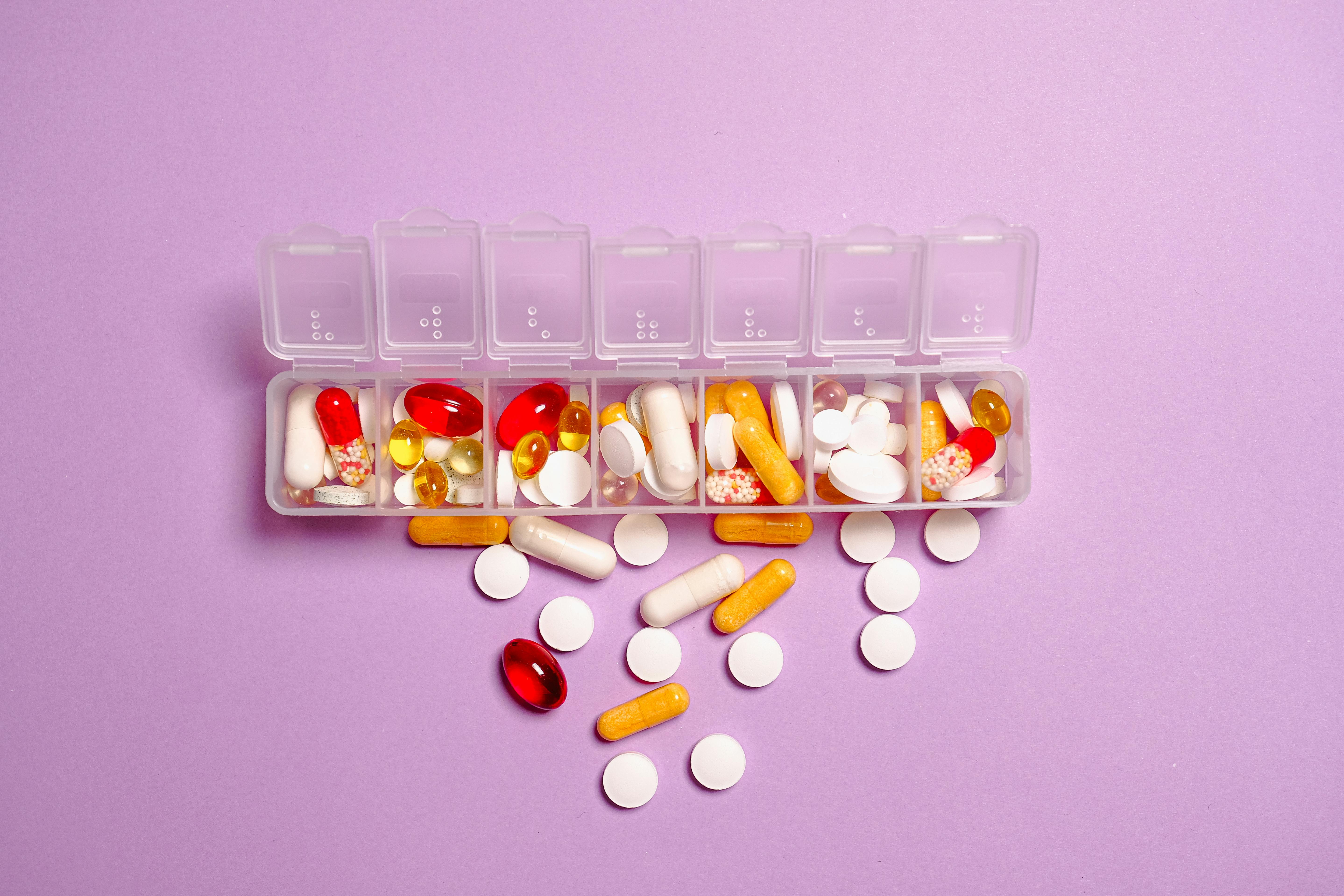
Pills, Softgels, Chewables, or Drops?
The key is less about the format and more about whether vitamin D is delivered with fat:
- Oil-based softgels or liquid drops in oil tend to be well absorbed.
- Tablets without added oil can still work if taken with a meal containing fat.
- Gummies vary widely in quality—check the label for actual vitamin D content and added sugars.
How to Take Vitamin D for Better Absorption
Here’s how to turn “I’m taking vitamin D” into “my body is actually using it.”
1. Take It With a Fat-Containing Meal
Aim to take vitamin D with your largest meal of the day that includes some healthy fat. Examples:
- Salmon with vegetables cooked in olive oil
- Eggs with avocado or cheese
- Greek yogurt with nuts or seeds
- Tofu stir-fry with sesame or canola oil
2. Choose the Right Dose—With Your Provider
Typical daily intakes often fall around:
- 600–800 IU (15–20 mcg) per day for many adults as a general guideline
- Higher doses may be suggested short term if you are deficient, but this should be guided by blood tests and a clinician
More is not always better. Very high doses over time can lead to toxicity, though this is uncommon when monitored properly.
3. Be Consistent
Vitamin D levels change gradually. Think in weeks to months, not days. Set a reminder on your phone or pair your supplement with a daily habit, like brushing your teeth or making breakfast.
Balancing Sun, Food, and Supplements
You’re already trying: milk in your coffee, salmon in your salad, maybe even a lunchtime walk. All of these help—but they’re usually not enough on their own for many adults, especially in higher latitudes or for people with darker skin tones.
Vitamin D-Rich Foods
- Fatty fish (salmon, mackerel, sardines)
- Fortified milk or plant milks
- Fortified yogurt
- Fortified breakfast cereals
- Egg yolks

Sun Exposure—With Skin Safety in Mind
Sunlight can help your skin produce vitamin D, but how much you’ll make depends on:
- Time of day and season
- Your latitude (how far you live from the equator)
- Skin tone and age
- Use of sunscreen and clothing coverage
Because of skin cancer risk, experts don’t recommend unprotected sunbathing just for vitamin D. Instead, they suggest using safe, brief exposures where appropriate and relying on food plus supplements as the foundation.
Real-Life Obstacles—and How to Work Around Them
It’s one thing to know what to do and another to fit it into a busy, imperfect life. Here are some common hurdles I see in practice and realistic ways around them.
“I Always Forget to Take It”
- Keep your vitamin D near something you use daily—like your coffee maker or toothbrush.
- Use a weekly pill organizer and set a recurring phone alarm.
- Pair it with a consistent meal, like breakfast or dinner.
“I Get an Upset Stomach”
- Switch to an oil-based softgel or liquid and always take it with food.
- Ask your provider if a lower daily dose rather than large weekly or monthly doses might work better for you.
“My Levels Are Still Low Even Though I Supplement”
- Confirm you’re taking an adequate dose for your body size and needs.
- Check that you’re using vitamin D3, ideally in an oil-based form.
- Make sure you’re taking it with a meal that includes fat.
- Talk with your clinician about medications or gut conditions that could affect absorption.
Case example: A client had been taking 1,000 IU of vitamin D every morning with black coffee for over a year—and her levels stayed low. When she switched to 2,000 IU of vitamin D3 in an oil-based softgel and took it with her dinner (which usually included olive oil, avocado, or salmon), her levels moved into the target range over several months, confirmed by blood tests. Nothing else in her routine changed.
Safety, Testing, and When to Talk to Your Doctor
While vitamin D is widely available over the counter, it still deserves respect. Too little leaves you at risk for deficiency; too much, over long periods, can cause problems like elevated calcium levels.
When Testing Makes Sense
Ask your healthcare provider about a blood test if you:
- Have risk factors like low sun exposure, darker skin, higher body weight, or digestive disorders
- Have osteoporosis, frequent fractures, or certain autoimmune conditions
- Are on long-term high-dose vitamin D prescribed in the past
Who Should Be Extra Cautious
Talk to your doctor before changing your dose if you:
- Have kidney disease
- Have a history of kidney stones
- Have parathyroid disorders
- Take certain medications (such as thiazide diuretics or high-dose calcium)
Before & After: A Simple Vitamin D Routine Makeover

Before
- 1,000 IU vitamin D, taken some mornings
- Swallowed quickly with black coffee
- Sometimes skipped on busy days
- No recent blood test to check levels
After
- 2,000 IU vitamin D3 in oil-based softgel (dose confirmed with clinician)
- Taken nightly with dinner that includes olive oil or avocado
- Stored next to spices by the stove as a visual cue
- Follow-up blood test scheduled in 3–4 months
Key Takeaways: How to Stop Wasting Your Vitamin D
To get the most from the effort you’re already putting in:
- Don’t take vitamin D on an empty stomach. Pair it with a meal that includes fat.
- Choose vitamin D3, ideally in an oil-based form like softgels or drops.
- Be consistent and think in months, not days.
- Use food and safe sun exposure as supportive tools, not your only strategy.
- Work with your clinician on testing and dosing, especially if you have health conditions or take multiple medications.

You don’t need a perfect routine or a cabinet full of supplements. You just need a thoughtful approach: the right form, the right timing, and a plan that fits your real life.
Next step: Take a look at your current vitamin D routine. What’s one small change—timing, form, or dose discussion with your provider—you can make this week to move closer to where you want to be?
