
What You Need to Know About England’s ‘Super Flu’ Wave—and How to Protect Yourself and Your Family
Hospitals across England are feeling the strain as a so‑called “super flu” wave pushes admissions up by more than 50% in a single week, with NHS leaders warning that the peak is still to come. For families, older adults, and people with long‑term health conditions, it’s an unsettling headline that raises a simple question: what does this actually mean for me?
In this accessible guide, we’ll unpack what’s happening in England’s hospitals, what “super flu” really refers to, and how you can protect yourself, your loved ones, and help ease pressure on the NHS—without panic, but with clear, evidence‑based action.
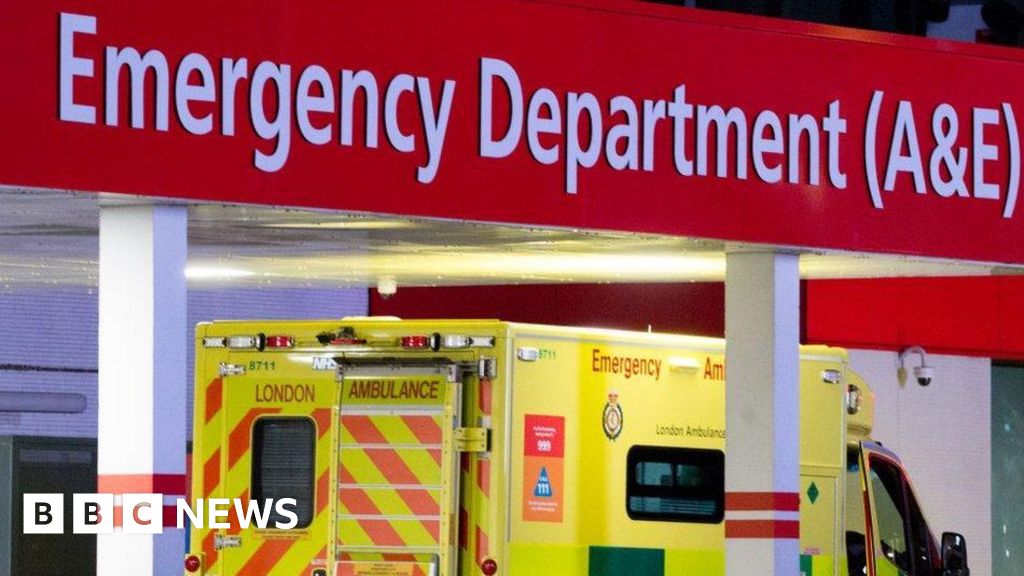
What’s Happening: The ‘Super Flu’ Wave in England
According to NHS England data referenced by the BBC health correspondent Nick Triggle, the number of patients in hospital with influenza has risen by more than 50% in just a week. Many hospitals are operating close to or at capacity, with some areas describing the situation as a “worst‑case scenario” for winter pressures.
While “super flu” is not a formal medical term, it’s being used in media reports to describe:
- Unusually high numbers of flu cases hitting at the same time
- A mix of flu strains, some causing more severe illness, especially in vulnerable groups
- The added burden of other infections (like Covid‑19 and RSV) on top of flu
For the NHS, this means more people needing oxygen, high‑dependency care, and longer hospital stays. For individuals, it means a higher chance of knowing someone who is seriously unwell—and a stronger incentive to take prevention seriously.
“Flu seasons are always challenging, but this year we’re seeing an unusually rapid rise in admissions and no clear sign we’ve hit the peak yet. Vaccination and early care‑seeking for high‑risk patients are absolutely crucial.”
— Consultant in Acute Medicine, NHS Trust in England
What Is Flu—and What Makes This Season So Intense?
Influenza (flu) is a contagious respiratory virus that infects the nose, throat, and sometimes the lungs. It’s different from the common cold: flu tends to come on suddenly with high fever, body aches, and profound tiredness.
Each year, flu viruses change slightly. Health agencies like the UK Health Security Agency (UKHSA) and the World Health Organization (WHO) constantly monitor circulating strains to update vaccines and issue guidance.
This season appears especially intense because:
- Immunity debt: After years of Covid‑related distancing and mask‑wearing, many people have lower natural immunity to flu.
- Multiple viruses circulating: Flu, Covid‑19, and RSV are all circulating together, increasing overall pressure on hospitals.
- Strain match and timing: Some seasons see earlier and sharper peaks, particularly if a strain hits groups with lower vaccination rates.
- Underlying health trends: More people are living with chronic conditions such as diabetes, heart disease, and obesity, which increase the risk of complications from flu.
Who Is Most at Risk From This ‘Super Flu’ Wave?
While anyone can get flu, current hospital data from England and previous years’ surveillance show that certain groups are far more likely to become seriously ill or need hospital care.
Higher‑risk groups include:
- Adults aged 65 and over
- People with chronic conditions (e.g. heart disease, asthma, COPD, diabetes, kidney or liver disease)
- Pregnant women
- Young children, especially under 5, and particularly under 2
- People with weakened immune systems (due to illness or medication)
- Residents of care homes and other long‑term care facilities
If you or someone you care for is in one of these groups, taking preventive steps and seeking help early if symptoms worsen is especially important.
Recognising Flu Symptoms—and When to Worry
Flu often starts suddenly. Typical symptoms include:
- High temperature (often 38°C or above)
- Sudden onset of aches and pains
- Extreme tiredness or exhaustion
- Dry cough, sore throat, or headache
- Loss of appetite
Many people can manage flu at home with rest, fluids, and over‑the‑counter pain relief. However, certain warning signs mean you should seek urgent medical advice.
Contact NHS 111 or your GP urgently if you notice:
- Breathing difficulties or rapid, shallow breathing
- Chest pain or pressure
- Blueish lips or face
- Confusion, sudden disorientation, or extreme drowsiness
- Symptoms that improve, then suddenly get much worse
How the ‘Super Flu’ Wave Is Impacting the NHS
The BBC report highlights that hospital admissions for flu in England have jumped by more than 50% in a week, and NHS leaders say they have not yet seen a clear peak. This is on top of usual winter emergencies, staff sickness, and ongoing Covid‑19 care.
In practical terms, this can mean:
- Longer waits in A&E and for ambulances
- Higher bed occupancy and more patients cared for in already busy wards
- Postponement of some non‑urgent procedures to free up capacity
- Increased pressure on GPs, community services, and NHS 111
While these system pressures can feel distant, every individual choice—from getting a flu jab to staying home when sick—contributes to easing the burden on front‑line staff.

How to Protect Yourself and Others During the Super Flu Surge
No measure is perfect, but combining several evidence‑based steps—what public health experts call a “layered approach”—can significantly cut your risk of catching or spreading flu.
1. Get the Seasonal Flu Vaccine (If You Haven’t Yet)
The flu vaccine is one of the most effective tools we have to prevent serious illness. It doesn’t guarantee you won’t catch flu, but it greatly reduces the risk of hospitalisation and death, especially in high‑risk groups.
- Check if you’re eligible for a free NHS flu vaccine (e.g. over 65, pregnant, certain medical conditions, carers, health and social care workers, some children).
- Book via your GP, local pharmacy, or NHS app if available in your area.
- If you’re not eligible, you may still be able to pay for a private flu jab at many pharmacies.
2. Practise Simple but Powerful Hygiene Habits
Flu spreads mainly through droplets when people cough, sneeze, talk, or via contaminated surfaces.
- Wash hands regularly with soap and water for at least 20 seconds.
- Use alcohol‑based hand sanitiser when soap and water aren’t available.
- Catch coughs and sneezes in a tissue or your elbow; bin tissues straight away.
- Avoid touching your face, especially eyes, nose, and mouth, with unwashed hands.
3. Reduce Exposure in Crowded or Poorly Ventilated Spaces
You don’t need to avoid public life entirely, but making small adjustments can lower your risk:
- Consider wearing a mask in crowded indoor settings, especially if you’re high‑risk.
- Open windows or vents when meeting others indoors to improve ventilation.
- Choose outdoor or less crowded venues when possible.
4. Stay Home When You’re Unwell (If You Can)
One of the kindest things you can do for your community and the NHS is to avoid spreading infection when you’re ill.
- Stay off work, school, or social events while you have a fever or feel very unwell.
- If remote work or study is possible, use it—especially in the first few days of illness.
- Let friends, carers, or neighbours help with shopping or errands so you can rest.
Caring for Flu at Home: Practical, Evidence‑Based Steps
Most people with flu will recover at home within about a week, though the tiredness can linger. Supporting your body through that process can make a real difference to how you feel.
- Rest more than you think you need.
Your immune system works best when you’re not pushing through with work, long commutes, or intense exercise. - Stay well hydrated.
Aim for water, herbal teas, or diluted juice. Little and often is fine if you don’t feel like drinking much. - Manage fever and pain safely.
Paracetamol or ibuprofen (if suitable for you) can ease discomfort. Always follow the dose on the packet or your doctor’s advice. - Light, nourishing food.
Soups, yoghurt, fruit, and simple meals are often easier to tolerate. Don’t force large meals if your appetite is low. - Monitor symptoms in high‑risk people.
Keep an eye on breathing, confusion, fluid intake, and urine output, especially in children and older adults.
Common Obstacles—and How Real People Work Around Them
It’s easy to say “get vaccinated and stay home when you’re sick,” but real life is messier. Many people face barriers that make ideal behaviour difficult.
“I can’t afford to miss work.”
This is one of the most common reasons people go to work ill.
- Ask your employer about sick pay and flexible working options in advance—before you’re ill.
- If you work in a customer‑facing role, highlight that staying home when sick also protects colleagues and customers.
- Consider using annual leave if that’s the only way to rest when you’re very unwell.
“I’m not convinced the flu jab works.”
Flu vaccines aren’t perfect, and effectiveness can vary by season and age group. But large studies show that they:
- Reduce the risk of needing hospital care
- Lower the chance of intensive care admission
- Are particularly protective for pregnant women and older adults
If you’re unsure, speak to your GP, pharmacist, or practice nurse—they can explain the pros and cons for your personal situation.
“I care for someone vulnerable and worry about bringing flu home.”
Many family carers and health or social care workers share this fear. Strategies that people find helpful include:
- Getting vaccinated yourself and encouraging the person you care for to do the same if appropriate.
- Changing clothes and washing hands thoroughly when you get home from public places.
- Wearing a mask when you have mild symptoms but still need to provide essential care.
“As a carer for my mum, I used to feel guilty about going out at all in winter. Now I get my flu and Covid jabs early, keep a stash of masks at the door, and we’ve agreed simple rules about visitors. It’s not perfect, but it feels manageable.”
— Sarah, 43, family carer in the Midlands
Before and After: How Small Changes Add Up
To understand the impact of practical steps during a severe flu season, it can help to visualise the difference.

Before: No precautions
- Unvaccinated, attends crowded indoor events.
- Goes to work with early flu symptoms.
- Doesn’t wash hands regularly or cover coughs.
After: Layered protection
- Gets the flu jab a few weeks before peak season.
- Stays home when feverish and uses remote options where possible.
- Practises good hand hygiene and improves ventilation indoors.
Each change might seem small on its own, but together they can substantially reduce the chance of catching flu or passing it to someone more vulnerable—particularly important in a season where hospital admissions are already surging.
Trusted Sources for Up‑to‑Date Information
Flu trends and NHS pressures can change week by week. For the latest, evidence‑based guidance, rely on official and reputable sources rather than rumours or social media alone.
Moving Through the Super Flu Wave With Calm, Care, and Common Sense
The current “super flu” wave in England is serious. Hospital admissions are up sharply, and NHS staff are working under immense pressure with no clear sign of an immediate peak. At the same time, panic isn’t helpful—and it isn’t necessary.
By understanding who is most at risk, recognising warning signs, and putting simple preventive steps into practice, you can reduce your own chances of severe illness and help protect those around you. Your choices—getting vaccinated, staying home when sick, washing your hands, and seeking timely care—are small acts with big ripple effects.
Your next steps:
- Check if you’re eligible for a free NHS flu jab and book it if you are.
- Set up a small “winter kit” at home: pain relief, thermometer, tissues, hand sanitiser, and simple food staples.
- Talk to family members—especially anyone high‑risk—about a shared plan if someone falls ill.
- Save NHS 111 and your GP surgery details in your phone for quick access.
You can’t control national headlines, but you can control how prepared you are. Just a few thoughtful actions today can make this difficult flu season a little safer and more manageable for you, your family, and the NHS.
