
Intermittent Fasting 2.0: How Time‑Restricted, Circadian‑Aligned Eating Is Redefining Modern Diet Culture
Nutrition · Intermittent Fasting · Circadian Health
Intermittent Fasting 2.0: Time‑Restricted Eating, Circadian Diets, and Celebrity Fasting Routines
Intermittent fasting (IF) has grown up. What began as edgy “skip‑breakfast and power through with black coffee” culture has evolved into a more thoughtful, science‑inspired wave: time‑restricted eating (TRE) that works with your body clock instead of against it. Often called “IF 2.0,” this new phase blends earlier eating windows, circadian‑rhythm awareness, and a sharper focus on food quality—not just hours of deprivation.
At the same time, celebrity fasting routines, biohacking podcasts, and viral “what I eat in a day” reels keep intermittent fasting constantly in the spotlight. Fans credit it with clearer thinking, better blood sugar control, and even longevity, while critics raise valid concerns about hormones, sleep, and disordered eating. The result is one of the most hotly debated—and personally customizable—nutrition trends of the decade.
Quick Overview
- Main focus
- Time‑restricted eating aligned with circadian rhythms
- Typical eating windows
- 8 a.m.–4 p.m., 9 a.m.–5 p.m., or 10 a.m.–6 p.m.
- Common protocols
- 14:10, 16:8, 5:2, occasional 24‑hour fasts
- Key themes
- Metabolic health, longevity, high‑protein meals, whole foods
- Best for
- Adults without a history of disordered eating, seeking structure
What’s New in “Intermittent Fasting 2.0”?
IF used to be framed as a test of willpower: compress all your calories into a tight window, push through hunger, enjoy rapid fat loss. Today’s IF 2.0 looks softer from the outside—but often smarter under the hood. Three shifts stand out.
1. Earlier, Circadian‑Aligned Eating Windows
Instead of skipping breakfast and feasting at 9 or 10 p.m., many people now shift their meals earlier—think 8 a.m.–4 p.m. or 10 a.m.–6 p.m. This is rooted in circadian science: our metabolism, insulin sensitivity, and digestion are generally more active during daylight and wind down in the evening.
- Earlier windows may support steadier blood sugar and reduce late‑night snacking.
- Finishing dinner 2–3 hours before bed can improve sleep quality for some people.
- It feels more sustainable for many than extremely long fasts or very late dinners.

2. Longevity and Brain Health Take Center Stage
The story is no longer just “eat less, weigh less.” Influencers and longevity‑focused doctors talk about:
- Autophagy: the body’s cellular clean‑up processes that may ramp up during fasting.
- Brain health: early‑stage research links fasting patterns to neuroprotection and focus.
- Healthy aging: animal data plus emerging human research suggest fasting might help markers associated with lifespan and healthspan.
Much of this research is still developing, but the language of “cellular spring‑cleaning” and “brain fuel switching” has captured public imagination.
3. More Flexible, Personalized Protocols
Rather than a rigid one‑size‑fits‑all rule, IF 2.0 encourages experimentation:
- 14:10: 14 hours fasting, 10‑hour eating window—often the easiest starting point.
- 16:8: The classic TRE model, with 8 hours for meals and snacks.
- 5:2: Two non‑consecutive days of very low calories, “normal” eating on others.
- Occasional 24‑hour fasts: Usually used by experienced fasters a few times per month.
Many people now cycle between these depending on travel, training schedules, and social life, instead of treating one strict protocol as a permanent identity.
Diet Quality During the Eating Window: It’s Not Just “When,” It’s “What”
A major shift in current content around time‑restricted eating is the recognition that an 8‑hour window full of donuts and energy drinks won’t deliver the same benefits as one built around whole, nutrient‑dense foods. Creators now talk as much about macros and micronutrients as they do about fasting timers.
High‑Protein, Nutrient‑Dense Meals
Because you’re eating less frequently, each meal has to carry more nutritional weight. Common recommendations include:
- Lean proteins: eggs, Greek yogurt, cottage cheese, poultry, tofu, tempeh, fish, legumes.
- High‑fiber carbohydrates: vegetables, fruits, oats, quinoa, brown rice, beans, lentils.
- Healthy fats: olive oil, avocado, nuts, seeds, fatty fish.
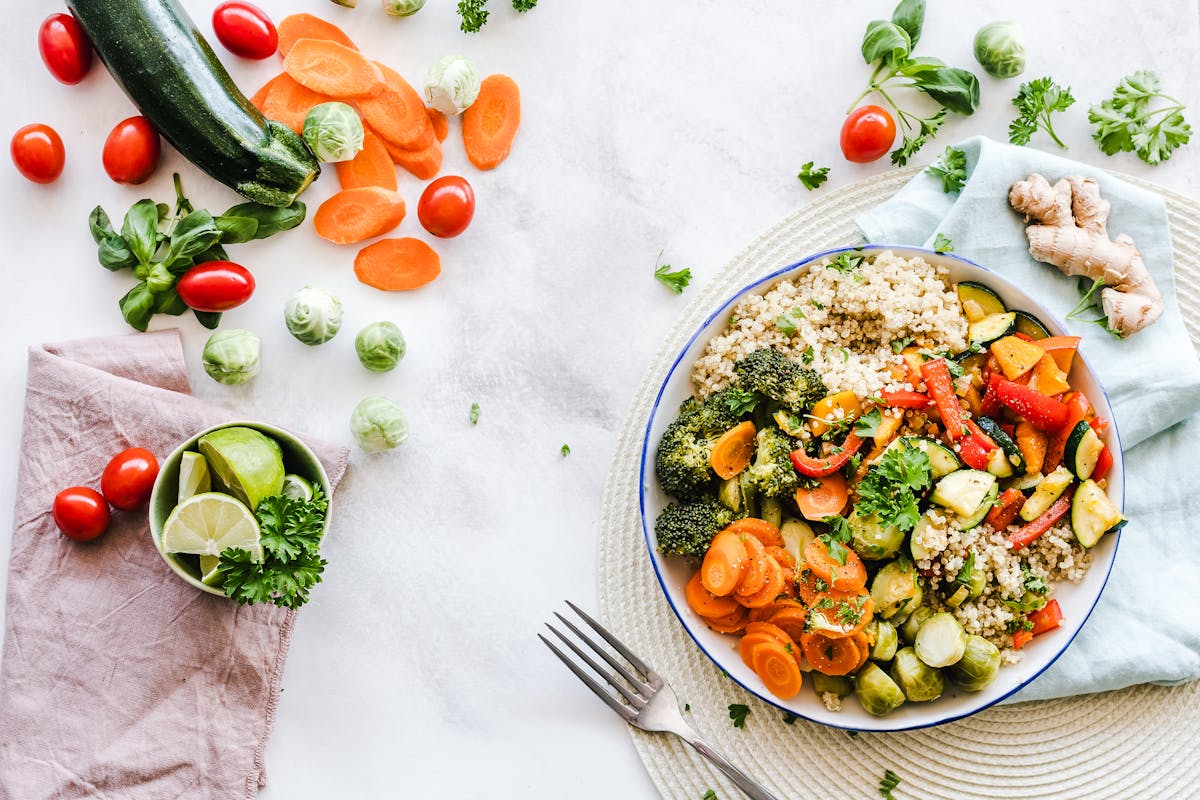
The result, when done well, is a plate that feels hearty and satisfying—not skimpy. Think a warm bowl of lentil stew with olive oil and herbs, or grilled salmon with roasted vegetables and quinoa, rather than ultra‑light “diet” meals.
Minimizing Ultra‑Processed Snacking
With a shorter eating window, every snack counts. Many IF advocates recommend:
- Swapping packaged sweets for fruit, nuts, and yogurt.
- Building full meals instead of grazing on chips or candy between meetings.
- Batch‑prepping whole‑food snacks so convenience doesn’t always mean processed.
The goal isn’t perfection; it’s shifting the default away from foods that leave you hungry an hour later.
Hydration and Electrolytes
During the fasting window, many people find that:
- Water (still or sparkling) is non‑negotiable to manage thirst and mild hunger.
- Black coffee and unsweetened tea can make morning fasts feel more manageable.
- Electrolytes without calories are popular, especially for those who exercise while fasting.
Celebrity Fasting Routines and Biohacking Culture
One reason intermittent fasting never quite leaves the spotlight: well‑known figures keep talking about it. Actors discuss 16:8 windows for movie roles, athletes describe early dinners for better sleep, and tech founders share multi‑day fasting retreats and glucose‑tracking data on social media.
How Public Figures Shape IF 2.0
- “No food after 7 p.m.” rules have gone mainstream as a friendly entry point to TRE.
- Podcast interviews with doctors and scientists popularize concepts like insulin sensitivity, ketones, and autophagy.
- Biohackers promote longer fasts (24–72 hours), continuous glucose monitors (CGM), and data‑driven tweaks in search of productivity and clarity.
This visibility can be motivating—seeing a favorite athlete talk about structured eating can normalize earlier dinners and simpler routines. But it can also create unrealistic expectations if fans assume they must copy an extreme schedule to see any benefit.

The most sustainable fasting routine is the one that quietly fits your life—not the one that looks the most impressive in a screenshot.
Debates, Risks, and What the Research Really Says
Intermittent fasting is one of the most studied—and most argued about—nutrition patterns of the last decade. While many people report better energy, easier calorie control, and health improvements, the data isn’t a slam dunk for everyone or every goal.
Gender Differences and Hormones
Some experts and creators now emphasize that aggressive fasting can be more disruptive for some women than for men, especially when:
- Eating windows are very short (e.g., OMAD—one meal a day).
- Calories become chronically low without planning.
- Training volume is high and recovery nutrition is limited.
Reported issues include disrupted menstrual cycles, lower energy, poor sleep, and changes in mood. Many nutrition professionals suggest women:
- Start with gentler windows (12:12 or 14:10).
- Avoid fasting on days of intense training, if it feels depleting.
- Stop or adjust if cycles become irregular or symptoms arise.
Disordered Eating Concerns
Dietitians increasingly highlight that IF can unintentionally hide restrictive behaviors. Because fasting has a “health halo,” warning signs like obsession with fasting apps, shame about eating outside the window, or extreme anxiety over social meals can be missed.
Responsible content creators now often include disclaimers encouraging people with any history of disordered eating to skip fasting and work with a professional on more flexible approaches.
Is IF Better Than Other Diets?
Overall, research suggests:
- For weight loss, IF often works about as well as other calorie‑controlled approaches when total calories and protein are similar.
- Some people find it easier to reduce calories through time‑restriction than constant tracking.
- Others feel worse or overeat during the window, cancelling out the intended deficit.
Where time‑restricted eating may shine is in:
- Simplifying daily decisions: fewer eating occasions, fewer choices.
- Supporting blood sugar control for some individuals.
- Reducing late‑night snacking and alcohol‑plus‑dessert habits.
How to Practice Time‑Restricted Eating in a Gentle, Sustainable Way
If you’re curious about intermittent fasting 2.0 but wary of extremes, the good news is that you can borrow the structure without punishing rules. Think of it as giving your body a daily rhythm: clear times for eating, clear times for rest and repair.
Step‑by‑Step: Easing into a Circadian‑Friendly Window
Start where you are.
Track your usual first and last bite for a few days. Many people discover they’re already unintentionally at 12:12 (12 hours eating, 12 hours fasting).Gently narrow the window.
Move to 13:11 or 14:10 by:- Pulling your last meal 30–60 minutes earlier, or
- Delaying your first calorie by 30–60 minutes (if it feels comfortable).
Prioritize an earlier dinner.
Aim to finish eating 2–3 hours before bed when possible.Build three solid meals (or two meals + a snack).
Structure each eating occasion with protein, fiber, and healthy fat so you’re not white‑knuckling the fast.Use “anchor habits.”
Pair your window with daily cues: first meal after a morning walk, last meal before your evening wind‑down routine.Adjust for life.
Social dinner? Holiday? Big training day? Open the window, enjoy, and return to your usual rhythm the next day—no punishment required.

What a Sample Day Might Look Like (16:8, Earlier Window)
This is just one example of a balanced, whole‑food approach:
- 7:30 a.m. – Hydration: Water, black coffee, or herbal tea.
- 9:30 a.m. – First meal: Veggie omelet with feta, whole‑grain toast, and berries.
- 1:30 p.m. – Second meal: Lentil and quinoa salad with roasted vegetables, olive oil, and pumpkin seeds.
- 5:30 p.m. – Final meal: Baked salmon (or tofu), sweet potato, steamed greens with tahini sauce.
- After 6 p.m.: Water, herbal tea, gentle wind‑down before bed.
Who Intermittent Fasting 2.0 May Suit—and Who Should Skip It
Like any nutrition strategy, time‑restricted eating works best when it fits your preferences, health status, and lifestyle—not just current trends.
IF 2.0 May Be a Good Fit If You:
- Prefer clear guidelines (“I eat between these times”) over counting every calorie.
- Already tend to eat later and want help cutting back on nighttime snacking.
- Enjoy larger, more satisfying meals instead of frequent small ones.
- Have talked with your healthcare provider and don’t have contraindications.
IF 2.0 May Not Be Ideal If You:
- Are pregnant, breastfeeding, or under 18.
- Have diabetes or take medications that require food at certain times (unless cleared and supervised).
- Have a history of disordered eating or feel triggered by food rules.
- Do shift work with constantly changing sleep and wake times.

Key Takeaways: Making Intermittent Fasting 2.0 Work for You
Time‑restricted and circadian‑aligned eating offer a gentler, more structured evolution of classic intermittent fasting. Instead of glorifying extremes, IF 2.0 is moving toward earlier windows, better sleep, and thoughtful food choices.
- Earlier, daylight‑aligned eating windows may support metabolic health and sleep.
- Food quality matters: high‑protein, whole‑food meals beat “junk in a small window.”
- Longevity and brain health are now central talking points, though research is still evolving.
- Gender differences, hormonal health, and mental health considerations are crucial.
- IF is not inherently superior to all other diets—but it can be a simple, effective framework for many.
If you decide to experiment, treat intermittent fasting as a flexible tool, not a rigid identity. Let your energy, mood, lab markers, and overall quality of life—not just the clock—tell you whether IF 2.0 is truly serving you.
