
Mediterranean‑Plus Magic: How Blue Zones Eating Is Redefining Longevity & Everyday Cooking
Longevity‑focused eating is having a renaissance, and at the heart of it is a fresh take on Mediterranean and Blue Zones traditions. Instead of chasing quick fixes and strict rules, more people are turning toward a “Mediterranean‑plus” lifestyle: plant‑forward, flexible, joyfully flavorful, and deeply rooted in the science of long‑term heart, brain, and metabolic health.
This way of eating feels like something you can live with—literally—for decades. Think steaming bowls of lentil stew with olive oil and herbs, big crunchy salads, walnuts and berries for dessert, and slow, shared meals that nourish both body and soul.
What Is “Mediterranean‑Plus” & Why Is It Trending?
The classic Mediterranean diet has long been praised for lowering the risk of cardiovascular disease and supporting healthy aging. The new “Mediterranean‑plus” movement builds on that foundation, blending it with Blue Zones insights and modern nutrition research on lifespan and healthspan (how long we live in good health).
Instead of a rigid rulebook, Mediterranean‑plus is more like a friendly set of guardrails. It prioritizes whole, minimally processed ingredients and gives you freedom to adapt recipes to your culture, preferences, and budget—all while keeping that sunny, herb‑scented Mediterranean spirit.
Core Principles of Mediterranean‑Plus & Blue Zones Eating
Despite its flexibility, Mediterranean‑plus has a few non‑negotiable anchors that echo traditional Blue Zones patterns.
1. Plant‑Centered, Not Plant‑Exclusive
The plate is built around plants first:
- Vegetables & fruits: Deeply colored, seasonal, and abundant—think leafy greens, tomatoes, peppers, eggplant, citrus, and berries.
- Legumes: Chickpeas, lentils, beans—slow‑simmered into soups, stews, and dips.
- Whole grains: Barley, farro, bulgur, oats, brown rice, and traditional sourdoughs.
- Nuts & seeds: Walnuts, almonds, pistachios, sesame, sunflower seeds.
- Olive oil: The default cooking fat and finishing drizzle.
Fish, eggs, and fermented dairy are enjoyed in moderate amounts, while red and processed meats are the occasional guest, not the star of the show.
2. Healthy Fats & Polyphenol‑Rich “Longevity Super‑Foods”
Mediterranean‑plus content often highlights ingredients rich in polyphenols and anti‑inflammatory compounds:
- Extra‑virgin olive oil (EVOO), especially robust, high‑polyphenol varieties
- Walnuts and almonds for omega‑3s and vitamin E
- Dark leafy greens like kale, chard, and wild bitter greens
- Herbs and spices: oregano, thyme, rosemary, turmeric, cumin, garlic
- Berries and deeply colored fruits like blackberries, cherries, and pomegranates
These foods don’t just support heart and brain health—they make your kitchen smell heavenly. Imagine garlic hitting warm olive oil, rosemary releasing its piney perfume, tomatoes slowly sweetening in the pan.
3. Food in Its Social & Lifestyle Context
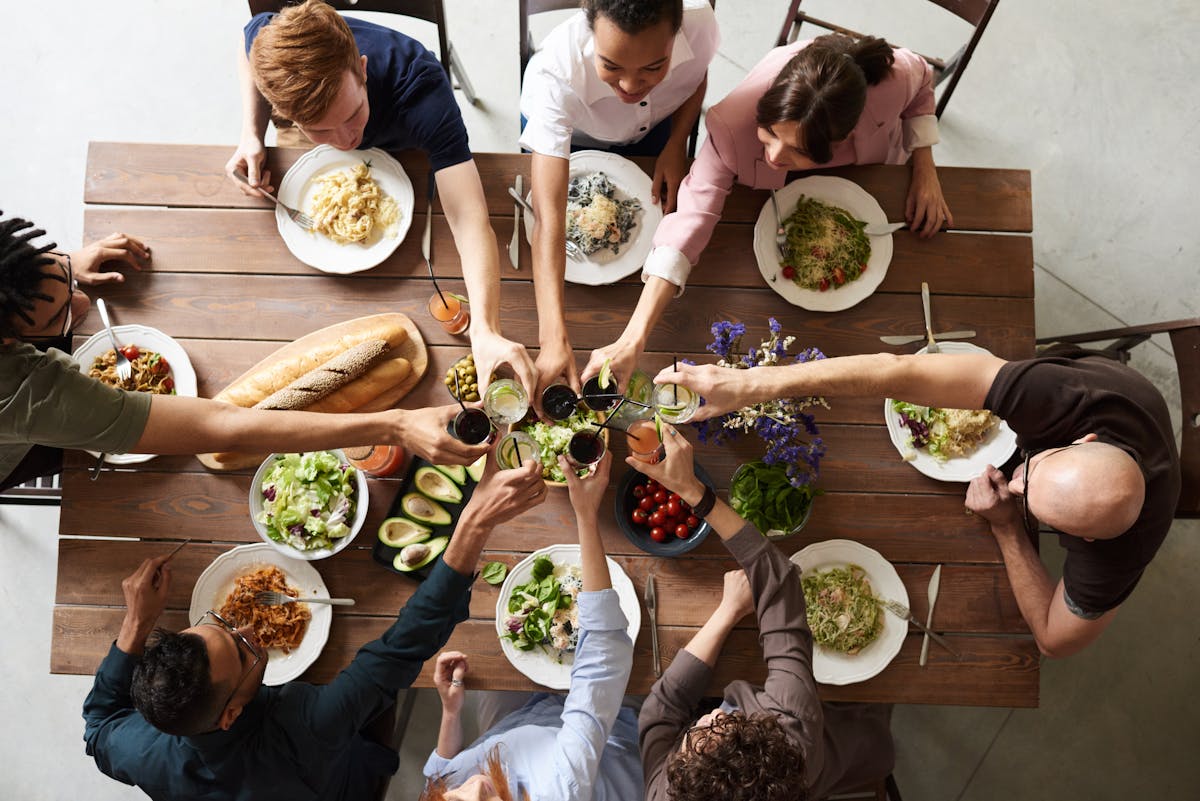
In Blue Zones, people don’t just eat differently—they live differently. Mediterranean‑plus creators echo this by pairing recipes with lifestyle habits:
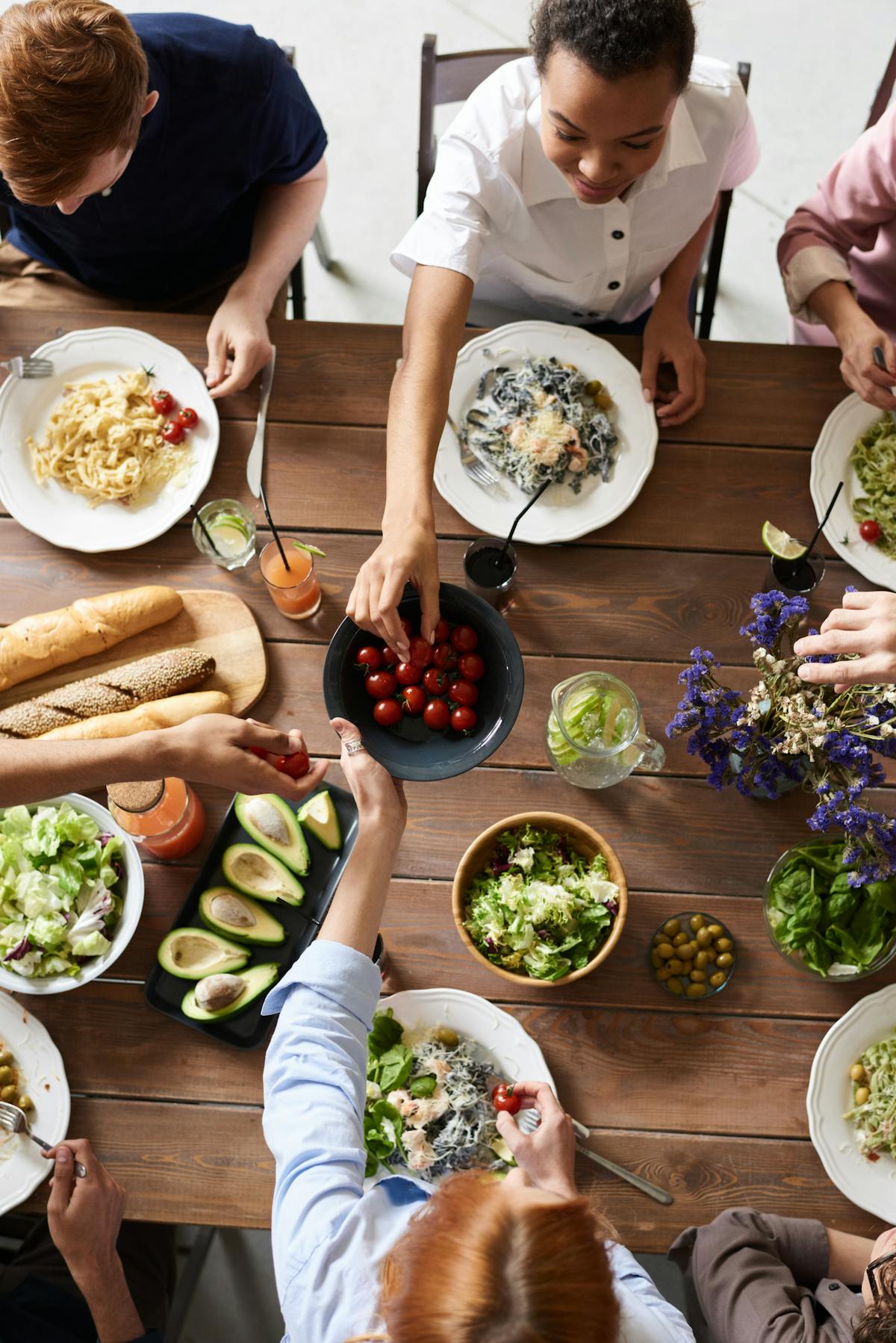
- Slow meals: Eating without screens, savoring bites, and chatting.
- Movement built into the day: Walking to shops, taking post‑meal strolls.
- Low chronic stress: Rituals like afternoon rests, gardening, or simple breathing practices.
- Community: Sharing food with family, neighbors, and friends.
In many longevity cultures, the secret isn’t a magical superfood—it’s that nobody eats alone.
Why Mediterranean‑Plus & Blue Zones Are Surging Now
After waves of keto, detox cleanses, and extreme fasting, many people are tired—physically and emotionally—of diets that feel like punishment. Mediterranean‑plus offers comfort, color, and flexibility without sacrificing health goals.
- Fatigue with restrictive diets: Most quick‑fix plans are hard to maintain and don’t always support long‑term metabolic, heart, or brain health. Mediterranean patterns, by contrast, are supported by large, long‑term studies.
- Longevity media boom: Documentaries, podcasts, and books about Blue Zones and longevity science have made concepts like “healthspan,” inflammation, and cognitive aging part of everyday conversation.
- Heart & brain health focus: With cardiovascular disease and dementia in the spotlight, approaches like Mediterranean, MIND (Mediterranean‑DASH hybrid), and Blue Zones eating are seen as practical, protective strategies.
What Mediterranean‑Plus Content Looks Like Online
If you scroll through social feeds or recipe platforms today, Mediterranean‑plus content tends to share a few common themes.
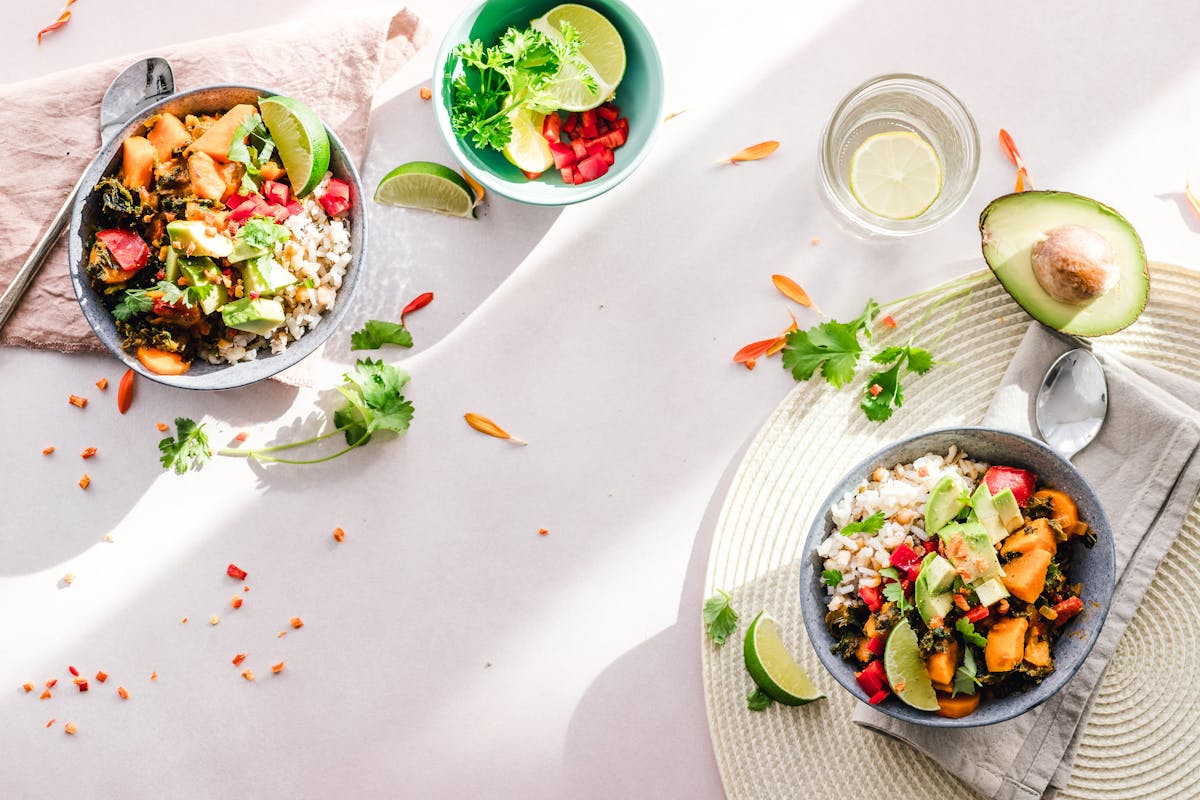
One‑Pan & Bowl‑Style “Longevity Plates”
Quick, comforting, and colorful is the name of the game. Trending recipes often feature:
- Chickpea and lentil stews with tomatoes, greens, and a lemony olive oil finish
- Sheet‑pan fish baked with fennel, onions, and peppers
- Grain bowls built from farro, barley, or quinoa, topped with beans, roasted vegetables, nuts, and yogurt or tahini
- Layered Greek‑style salads: crisp cucumbers, juicy tomatoes, olives, herbs, and creamy feta or beans
Olive Oil as the Star Ingredient
You’ll find entire videos on:
- How to taste extra‑virgin olive oil like wine (fruitiness, bitterness, peppery “kick”)
- How much olive oil is healthy to use daily in a longevity context
- Reviews of high‑polyphenol oils and how they influence aroma and flavor
Day‑in‑the‑Life Longevity Eating
Many creators share a full day of Mediterranean‑plus eating, such as:
- Breakfast: Oats cooked in water or milk with walnuts, berries, seeds, and a swirl of olive oil or yogurt
- Lunch: Big salad or grain bowl with beans, greens, and whole grains
- Snack: A handful of nuts, fresh fruit, or carrot sticks with hummus
- Dinner: Bean‑rich vegetable stew, fish with roasted veg, or stuffed vegetables with herbs and rice
Cultural Nuance, Critique & Inclusivity
One important discussion around Mediterranean‑plus is how the term “Mediterranean” is sometimes interpreted too narrowly—often reduced to Italian and Greek dishes—while overlooking the rich, equally nutrient‑dense traditions of North Africa, the Middle East, and other Mediterranean shores.
- North African: Slow‑simmered bean dishes, couscous with vegetables, preserved lemons, and spice‑rich tagines.
- Middle Eastern & Levantine: Hummus, baba ganoush, lentil soups, tabbouleh, whole‑grain flatbreads, za’atar‑spiced vegetables.
- Southern European: Spanish bean stews, Portuguese fish dishes, French olive‑oil‑based vegetable braises.
Another nuance is the “health halo” effect: not everything labeled “Mediterranean” is automatically healthy—especially ultra‑processed snacks or fast foods heavily marketed with olive oil imagery but lacking the whole‑food foundation.

One‑Pan Mediterranean‑Plus Chickpea & Lentil Longevity Stew
This cozy, plant‑forward stew layers chickpeas, lentils, olive oil, tomatoes, leafy greens, and bright herbs into a deeply satisfying one‑pan meal. It’s the kind of dish you’ll find again and again in Mediterranean‑plus and Blue Zones‑inspired kitchens: inexpensive, nutrient‑dense, and naturally gluten‑free, with an aroma that pulls everyone toward the table.

Recipe Snapshot
Prep time:
Cook time:
Total time:
Servings: 4–6 bowls
Difficulty: Easy
Equipment
- Large, heavy‑bottomed pot or Dutch oven (with lid)
- Cutting board and sharp knife
- Wooden spoon or heat‑safe spatula
- Measuring cups and spoons
- Ladle for serving
Ingredients
- 3 tbsp extra‑virgin olive oil, plus more for serving
- 1 medium yellow onion, finely chopped
- 2 medium carrots, diced
- 2 celery stalks, diced
- 3–4 cloves garlic, thinly sliced or minced
- 1 tsp ground cumin
- 1 tsp smoked or sweet paprika
- 1/2 tsp dried oregano or thyme
- 1 cup (about 200 g) brown or green lentils, rinsed
- 1 can (15 oz / 400 g) chickpeas, drained and rinsed
- 1 can (14–15 oz / 400 g) crushed or diced tomatoes (no added sugar)
- 4 cups (1 liter) low‑sodium vegetable broth, plus more as needed
- 2 cups packed chopped leafy greens (kale, chard, or spinach)
- 1 small lemon (zest and juice)
- Salt and freshly ground black pepper, to taste
- 1/4 cup chopped fresh parsley or cilantro, for serving
- Optional: pinch of red pepper flakes, crumbled feta or plain yogurt for topping
Instructions
- Build a flavorful base.
Warm the olive oil in your pot over medium heat. Add the onion, carrots, and celery with a pinch of salt. Cook, stirring occasionally, until the vegetables soften and become fragrant, about 6–8 minutes. - Bloom the aromatics.
Stir in the garlic, cumin, paprika, dried herbs, and (if using) red pepper flakes. Cook for 1–2 minutes, until the spices smell toasty and the garlic is just turning golden—this step perfumes the whole kitchen. - Add lentils, chickpeas, and tomatoes.
Pour in the lentils, chickpeas, and canned tomatoes. Stir well so the legumes are coated in the spiced olive oil and vegetable mixture. - Pour in broth and simmer.
Add the vegetable broth and bring the pot to a gentle boil. Reduce the heat to low, cover partially, and simmer for 20–25 minutes, stirring occasionally, until the lentils are tender but not mushy. Add a splash more broth or water if the stew looks too thick. - Stir in greens and lemon.
Add the chopped greens and cook for another 3–5 minutes, until they wilt and turn a deep, glossy green. Finish with lemon zest and juice, then season generously with salt and black pepper to brighten all the flavors. - Serve with a generous drizzle of olive oil.
Ladle the stew into warm bowls. Top each serving with a spoonful of fresh herbs, an extra drizzle of olive oil, and, if you eat dairy, a bit of crumbled feta or a dollop of plain yogurt.

Tips, Variations & Dietary Swaps
Storage & Reheating
- Refrigerate: Cool completely, then store in an airtight container for up to 4 days.
- Freeze: Portion into containers and freeze for up to 3 months. Leave a little space at the top for expansion.
- Reheat: Warm gently on the stove with a splash of water or broth, or microwave in 1‑minute bursts, stirring between each. Finish with fresh herbs and olive oil to revive flavors.
Serving Suggestions for a Longevity‑Inspired Meal
To turn this stew into a full Mediterranean‑plus plate, try:
- A side of warm whole‑grain bread or barley pilaf
- A crunchy salad of cucumbers, tomatoes, olives, and herbs
- Fresh orange slices or berries for a naturally sweet, polyphenol‑rich dessert
- Herbal tea or water infused with citrus and mint
Beyond the Plate: Making Longevity Eating a Lifestyle
Mediterranean‑plus and Blue Zones‑inspired eating are most powerful when you treat them as a lifestyle, not a project. That might look like:
- Cooking big pots of beans or stew once and enjoying them over several days
- Taking a slow 10‑ to 20‑minute walk after meals when possible
- Eating at a table—even if it’s just you—and pausing between bites
- Inviting a friend or family member to share your “longevity stew” once a week
You don’t need perfection to benefit. Each extra serving of vegetables, every bean‑based meal, each night of better sleep and gentle movement adds up—quietly, deliciously—in your favor.
