
Gut Health 2.0: Cozy Fermented Bowls & Skin–Gut Friendly Cooking You’ll Actually Crave
Gut Health 2.0 in Your Kitchen
Gut health has gone from niche science to everyday kitchen talk, and the most exciting part is how delicious it’s become: think tangy fermented foods, fiber-packed bowls, and simple meals that can support digestion, mood, and even skin from the inside out. In this guide, we’ll explore the new Gut Health 2.0 trend and cook a cozy, gut-friendly miso–kimchi brown rice bowl that layers fermented foods with prebiotic fiber. It’s approachable enough for a weeknight and soothing enough to feel like self‑care in a bowl.
Picture a warm, nutty base of steamed brown rice, crowned with garlicky sautéed greens, soft jammy eggs or tofu, and a tangle of crunchy, spicy kimchi. A spoonful of mellow miso ties everything together with that deep, savory aroma you usually only get at your favorite Japanese spot. Every bite is a gentle contrast of textures: creamy, crisp, chewy, and juicy, with a tang that wakes up your tastebuds without overwhelming your gut.
As gut health content has evolved, the spotlight has shifted from just probiotic pills to whole‑food strategies—fermented foods, prebiotic fiber, and “skin–gut” friendly meals that feel as good as they taste. This recipe is my love letter to that movement: it’s practical, flexible, and endlessly customizable to your body and taste.


What Is “Gut Health 2.0”?
Gut health remains one of the most powerful trends in nutrition, but we’ve moved beyond simple “take a probiotic” advice. Today’s Gut Health 2.0 conversation is about:
- Fermented foods as everyday staples – kimchi, sauerkraut, kefir, kombucha, miso, tempeh, and live‑culture yogurt.
- Prebiotic fiber over just probiotics – feeding the microbes you already have with onions, garlic, leeks, asparagus, oats, bananas, beans, lentils, and chicory root.
- The skin–gut connection – choosing meals that are high‑fiber, lower in added sugars, and rich in anti‑inflammatory whole foods to support skin as well as digestion.
This recipe folds all of that into one comforting bowl: fermented miso and kimchi, prebiotic‑rich alliums and vegetables, and a rainbow of plants that support microbiome diversity.
Miso–Kimchi Brown Rice Bowl (Gut-Friendly & Skin–Gut Inspired)
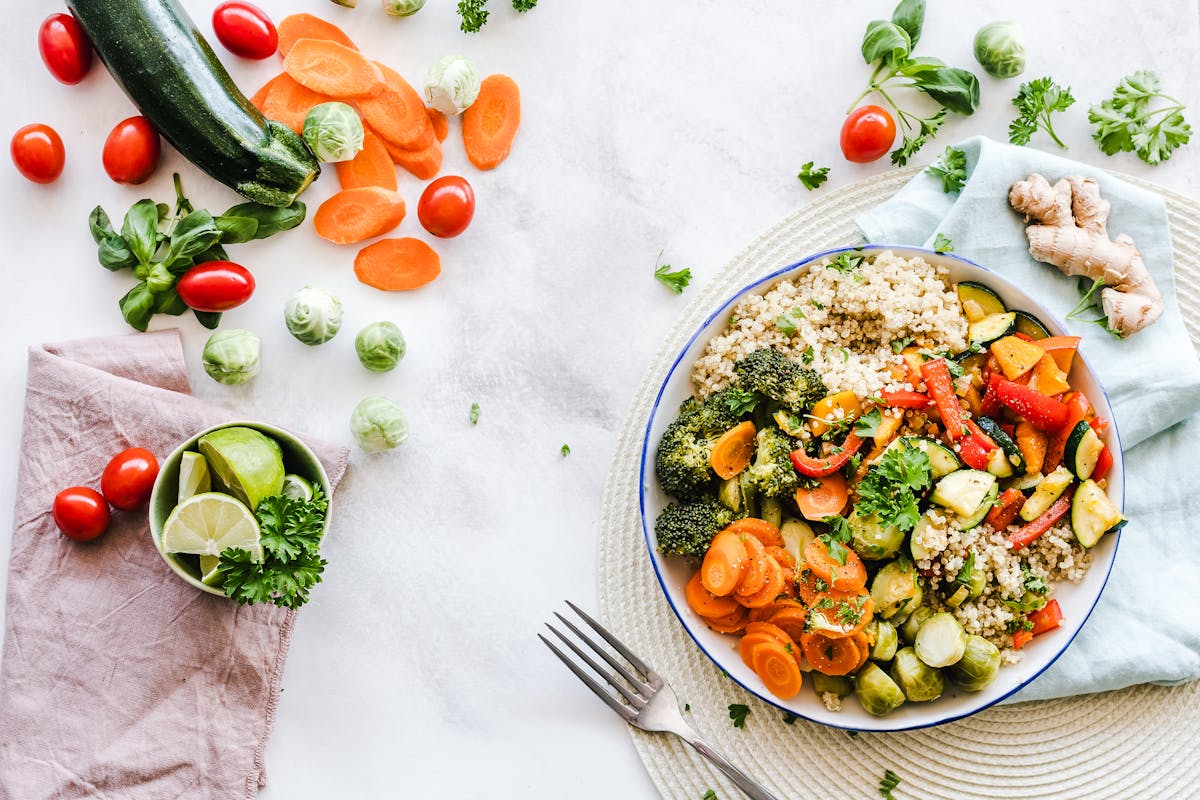
This savory bowl is built around whole grains, colorful vegetables, and fermented toppings. It’s naturally high in fiber, rich in fermented foods, and can easily be made vegetarian, vegan, or gluten‑free.
Ingredients
Ingredient amounts are for 2 generous gut-healthy bowls. Scale up for meal prep or a family dinner.
For the Brown Rice Base
- 1 cup (190 g) brown rice, rinsed (short or medium grain works best)
- 2 cups (480 ml) water or low‑sodium vegetable broth
- 1 small bay leaf (optional, for aroma)
- 1 pinch sea salt
For the Miso Dressing
- 2 tbsp white or yellow miso paste (fermented, unpasteurized if available)
- 1 tbsp rice vinegar or apple cider vinegar
- 1 tbsp extra-virgin olive oil or toasted sesame oil (or a mix)
- 1–2 tsp tamari or low‑sodium soy sauce (use tamari or coconut aminos for gluten‑free)
- 1–2 tsp honey or maple syrup, to balance the saltiness
- 2–3 tbsp warm water to thin, as needed
- 1 small clove garlic, finely grated or minced (optional but prebiotic‑rich)
For the Veggie & Protein Toppings
- 1 cup (about 70 g) kimchi, chopped if in large pieces (check label for live cultures)
- 1 cup (about 60 g) shredded red or green cabbage or a slaw mix
- 1 medium carrot, julienned or grated
- 1 small zucchini, sliced into half‑moons
- 2 cups (about 60 g) leafy greens – spinach, kale, or bok choy
- 1 small red onion or 2–3 scallions, thinly sliced (both offer prebiotic fiber)
- 1 tbsp olive oil or avocado oil, for sautéing
- 2 large eggs (jammy or soft‑boiled) or 200 g firm tofu, cubed, for a vegan option
- ½ cup (90 g) cooked edamame, chickpeas, or lentils for extra plant protein and fiber
For Garnish (Optional but Wonderful)
- 1 small slightly underripe banana, thinly sliced, to serve on the side as a prebiotic dessert or snack
- 1–2 tbsp toasted sesame seeds or crushed roasted nuts
- Fresh cilantro, parsley, or microgreens
- A drizzle of toasted sesame oil or chili oil, to finish
- Lemon or lime wedges, for squeezing on top
Equipment You’ll Need
- Medium saucepan with lid (for rice)
- Cutting board and sharp knife
- Mixing bowl and small whisk or fork (for dressing)
- Large skillet or wok (for sautéing veggies and tofu, if using)
- Small pot (for boiling eggs, if using)
- Measuring cups and spoons

Step‑by‑Step Cooking Instructions
You’ll cook the rice, prep the protein, sauté the veggies, whisk the miso dressing, then bring everything together in layered bowls.
1. Cook the Brown Rice
- Rinse the brown rice under cool water until it runs mostly clear. This helps remove excess starch and keeps the grains pleasantly separate yet tender.
- In a medium saucepan, combine the rice, water or broth, bay leaf, and a pinch of salt. Bring to a gentle boil over medium‑high heat.
- Once boiling, reduce heat to low, cover with a tight‑fitting lid, and simmer for 30–35 minutes, or until the liquid is absorbed and the rice is tender.
- Turn off the heat and let the rice steam, covered, for 5–10 minutes. Fluff with a fork and remove the bay leaf.

2. Prepare the Protein
- For jammy eggs: Bring a small pot of water to a boil. Gently lower in the eggs and boil for 7 minutes for jammy yolks or 9–10 minutes for firmer yolks. Transfer immediately to a bowl of ice water to stop cooking. Once cool enough to handle, peel and set aside.
- For tofu: Pat tofu dry and cut into bite‑size cubes. Heat 1 tsp oil in a skillet over medium‑high heat. Add tofu and cook 6–8 minutes, turning occasionally, until golden and crisp on multiple sides. Sprinkle lightly with salt.
3. Sauté the Veggies
- In a large skillet or wok, warm 1 tbsp oil over medium heat. Add sliced onion or the white parts of scallions and cook 2–3 minutes until softened and fragrant.
- Add zucchini and carrot. Sauté 4–5 minutes, stirring occasionally, until just tender but still slightly crisp.
- Add the leafy greens and cook 1–2 minutes more until wilted and bright. Season with a small pinch of salt and pepper. Remove from heat so the vegetables stay vibrant and not mushy.

4. Make the Miso Dressing
- In a small bowl, whisk together miso paste, rice vinegar, olive/sesame oil, tamari or soy sauce, and honey or maple syrup until smooth.
- If using garlic, add it now along with 2 tbsp warm water. Whisk again. Adjust thickness with a bit more water if needed. Taste and balance: you want salty‑savory with a gentle sweetness and tang.
5. Assemble the Gut‑Friendly Bowls
- Divide the warm brown rice between 2 bowls. Spoon 1–2 tbsp of miso dressing over the rice and gently toss so every grain gets a light glossy coat.
- Arrange sautéed vegetables, kimchi, shredded cabbage, and your cooked protein (egg halves or tofu cubes) on top of the rice. Add the cooked edamame, chickpeas, or lentils in little piles.
- Drizzle with a little more miso dressing, then finish with sesame seeds or nuts, fresh herbs, and a few drops of toasted sesame or chili oil if you enjoy some heat.
- Serve immediately with lemon or lime wedges for squeezing over, and enjoy the sliced slightly underripe banana on the side for an extra prebiotic, skin–gut friendly bite.
Tips, Variations, and Skin–Gut Adaptations
Think of this as a template for building your own gut‑healthy, skin‑loving bowls throughout the week.
Flavor and Texture Tweaks
- Extra crunch: Add thinly sliced radishes, cucumbers, or roasted chickpeas on top.
- Milder tang: If you’re new to fermented foods, start with a smaller spoonful of kimchi or try mild sauerkraut.
- More creaminess: Add a dollop of plain live‑culture yogurt (dairy or coconut) on the side.
Dietary Variations
- Vegan: Use tofu (or tempeh) instead of eggs and sweeten the dressing with maple syrup instead of honey.
- Gluten‑free: Use tamari or coconut aminos, and confirm that your miso and kimchi are gluten‑free.
- Lower‑FODMAP: Limit onion, garlic, and cabbage, use scallion greens and garlic‑infused oil, and keep kimchi portions small at first.
Storage & Reheating
This bowl is meal‑prep friendly and keeps its character beautifully with a few smart tricks.
- Fridge: Store cooked rice, sautéed veggies, protein, and miso dressing in separate airtight containers for up to 3–4 days. Keep kimchi in its own container; it’s a living food and continues to ferment slowly in the fridge.
- Reheating: Gently reheat rice and veggies together on the stovetop with a splash of water or broth, or in the microwave covered, until warm. Add kimchi and dressing after reheating to preserve more live cultures.
- Freezer: Rice and sautéed veggies freeze well for up to 1 month. Thaw overnight in the fridge and reheat before topping with fresh kimchi and dressing.
Let your fridge work like a gut‑health pantry: a cooked grain, a jar of kimchi, a pot of beans, and a simple miso dressing make fast, nourishing bowls almost automatic.
Serving Suggestions & Pairings
Turn this bowl into a full skin–gut supportive meal with a few simple add‑ons:
- Starter: A small bowl of miso soup with wakame seaweed and tofu, or a crisp salad of mixed leaves, cucumber, and a light vinaigrette.
- Side: Extra fermented veggies—radish kimchi, quick pickled carrots, or a spoonful of sauerkraut.
- Drink: Unsweetened green tea, roasted barley tea, or kombucha (if your stomach tolerates it well) for a gentle probiotic lift.
- Dessert: Sliced slightly underripe banana with a spoonful of plain yogurt and a sprinkle of oats or ground flaxseed for extra prebiotic and fiber support.
Recipe Metadata
The following structured data helps search engines understand this gut‑healthy recipe:
