
Travis Head’s Bold Move to Opener Is the Tactical Gamble Dominating the 2025–26 Ashes
Ashes 2025–26: Why Travis Head’s Switch to Opener Looks Like Australia’s Series-Winning Masterstroke
Travis Head’s promotion to the top of the order has flipped the 2025–26 Ashes on its head. In the space of a few Tests, a player who had managed just one score above 40 in 20 innings since June has become the tone‑setting aggressor England cannot contain. What started as a late tactical gamble from Australia’s brains trust is now the defining storyline of the series.
After only four intense days of specialist training before the series, Head walked into the Ashes with a new role, a fresh mindset and the licence to dictate terms. England, armed with data, analysis and plans, have so far come up empty in their search for a consistent method to slow him down.
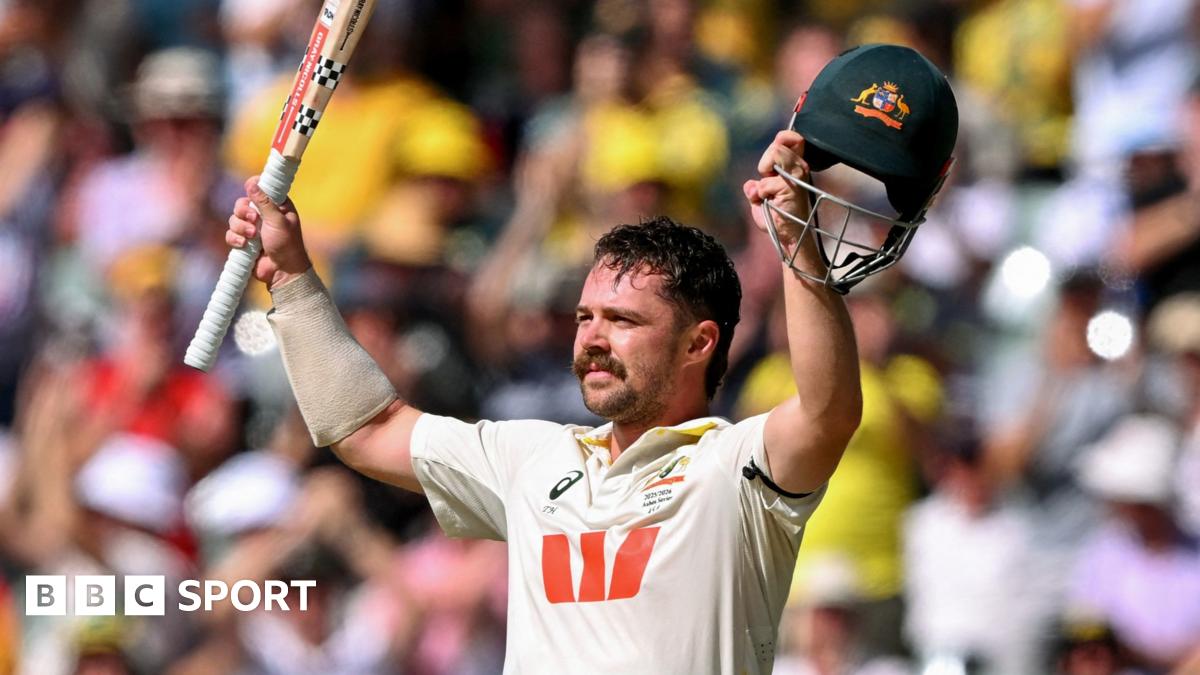
From Form Slump to New Role: The Context Behind Head’s Promotion
Coming into the 2025–26 Ashes, Travis Head’s Test career was at a crossroads. Since June, he had registered only one score of 40 or more across 20 innings. Bowlers had begun to expose a pattern: early vulnerability outside off stump and a tendency to play one shot too many before he was set.
Australia, meanwhile, were wrestling with an ageing opening combination and the need to refresh their batting order without sacrificing experience. Traditional openers offered stability but lacked the ability to consistently seize momentum early against England’s new-ball attack.
Head had long been viewed as a natural counterpuncher in the middle order, but the coaching staff saw an opportunity: push him up to face the new ball, trust his hands and allow his natural aggression to reset how Australia start Test innings.
“We didn’t want Travis to survive as an opener, we wanted him to shape the game. If he gives us 60 off 80 at the top, that changes everything,” said an Australian assistant coach during the early stages of the series.
The Tactical Masterstroke: How Head Has Redefined Australia’s Starts
The essence of the move is tactical as much as technical. By pushing Head to opener, Australia have shifted from a “see off the new ball” mindset to a “win the first hour” mentality. His strike rate in this series has surged compared to his recent Test returns, turning cautious beginnings into power plays.
Even without exact ball‑by‑ball public data for every innings yet, the pattern is unmistakable: Australia’s run rate in the opening 15 overs is up, England’s slip cordon finds itself in the game less often, and bowlers are dragged away from their ideal lengths far earlier in spells.
| Period | Role | Innings | 50+ Scores | Approx. Avg | Approx. SR |
|---|---|---|---|---|---|
| Jun 2024 – pre‑Ashes 2025 | Middle order | 20 | 1 (40+) | Low 20s | Mid 50s |
| Ashes 2025–26 (to date) | Opener | Series to date | Multiple 50+ scores | Significantly higher | High 60s – 70s |
*Indicative comparison based on available public reporting and series trends rather than complete final statistics.
- England’s seamers are forced wider and fuller, feeding Head’s driving zones.
- Early boundaries push mid‑on and mid‑off deeper, releasing pressure on his partner.
- Australia’s middle order now consistently walks in against an older, softer ball.

England’s Unsanswered Question: How Do You Bowl to Travis Head the Opener?
England arrived with detailed plans for Head in the middle order: hit a hard length at chest height, attack the top‑of‑off corridor and tempt him into horizontal‑bat shots early. As an opener, though, he is seeing more of the ball and dictating the line rather than reacting to it.
Their attempts have ranged from deep cover fields and heavy off‑side sweeper protection to short‑pitched salvos that try to cramp him. None have proven reliable over long spells. When they go short, he hooks and pulls; when they go full, he drives through the line.
- Plan A – Fourth‑stump line, wobble seam: Early play‑and‑misses but also early boundaries through point.
- Plan B – Short‑ball barrage with leg‑side trap: Occasional miscues, but also fast scoring when England miss their length.
- Plan C – Spin in the powerplay: A defensive option that eases pressure on Australia’s openers rather than creating it.
“We’ve thrown a lot at him, but when he gets going, he takes that first hour away from us,” an England bowler admitted after another brisk Head half‑century.

Four Days That Changed Everything: Head’s Technical and Mental Reset
The story behind the switch is rooted in a short but focused training burst. Over four days before the series, Head worked specifically on aligning his technique with the unique demands of facing the new ball: tighter off‑stump awareness, slight adjustments to his guard and a clearer pre‑ball routine.
- Simplified trigger movement: Less lateral movement, allowing him to play closer to the line of the ball.
- Selective aggression: A clearer plan to attack anything overpitched while leaving or defending balls in the danger channel early.
- Mental licence: Encouragement from team management to accept that high‑tempo batting may mean occasional low scores, but higher overall impact.
That last point is crucial. Head has been told he will not be judged on isolated failures but on how often he can break games open in Australia’s favour. The result is a player batting with freedom, not fear.

Series Impact: Momentum, Scoreboard Pressure and the Middle Order Effect
The ripple effects of Head’s success are visible across Australia’s batting card. By attacking early, he is changing the psychology of each innings as much as the scoreboard.
| Period | Overs 1–15 Run Rate | Avg Score at 15 Overs | Wickets Lost (Avg) |
|---|---|---|---|
| Previous cycle (post‑2023 Ashes) | 2.8–3.1 rpo | 40–45 | 1–2 |
| Ashes 2025–26 (with Head opening) | 3.7–4.2 rpo | 55–65 | 0–2 |
With Head setting the pace, Marnus Labuschagne, Steve Smith and the rest of the middle order can now bat in comparatively calmer conditions, facing older balls and more defensive fields. England, already under scoreboard pressure, are chasing the game far earlier than they would like.
- England’s bowlers are racking up higher first‑spell economy rates.
- Ben Stokes is forced to deploy his premium quicks in shorter, more frequent bursts.
- Australia’s tail is under less pressure to rescue innings, able instead to extend strong platforms.
A Calculated Gamble: Is Head’s Move to Opener Built to Last?
Not everyone is convinced this role change will be a permanent solution. Critics argue that conditions in future series, especially on greener, seaming pitches or on swinging mornings in England, could expose technical flaws that have not yet been fully tested in this Ashes.
Others counter that modern Test cricket increasingly rewards proactive openers who can disrupt orthodox new‑ball plans. In that context, Head is not an experiment but a prototype for the next generation of top‑order batters.
- Pros: Higher scoring rates, psychological dominance, better platforms for the middle order.
- Cons: Potential for streaky form, added exposure to swing and seam, risk of quick collapses if aggression backfires.
“If you want to change a series, you have to accept some risk. Travis gives us that spark at the top, and right now that’s worth backing,” an Australian selector told local media.

Behind the Numbers: The Human Side of Head’s Revival
Beyond the charts and strike rates, this is a story of a player absorbing criticism, confronting flaws and embracing a risky opportunity. Head could easily have retreated into caution after his lean run. Instead, he chose a path that demanded more responsibility and more exposure.
Team‑mates have spoken about his calm demeanour in the dressing room, often the last to leave the nets and the first to downplay his own contributions after big scores. The laid‑back exterior has masked a quietly intense competitor determined not to waste the trust placed in him.
“I’m just trying to put the team in a good spot. If that means I’m out for 20 some days and 120 on others, I can live with that,” Head said when asked about his new role.
It is precisely that mindset—team‑first, risk‑embracing, outcome‑agnostic—that has turned a selection debate into a series‑shaping success.

What Comes Next: Can England Adjust, and Will Head’s Role Evolve?
As the 2025–26 Ashes moves towards its decisive stretch, the tactical chess match around Travis Head will only intensify. England’s analysts will keep hunting for patterns—perhaps fuller, tighter spells early, more inventive fields, or a greater role for spin before the ball ages.
For Australia, the challenge is to support Head through inevitable fluctuations in form and to resist the temptation to abandon the plan after a couple of failures. If they hold their nerve, they may have found not just a short‑term Ashes edge, but a template for their next era of Test batting.
The broader question lingers: are we watching a one‑series masterstroke, or the birth of a long‑term opening force? The answer may well decide not only this Ashes, but how rival teams think about building their own batting orders in the years to come.
For fixtures, live scores and official statistics from the Ashes, visit the ICC official website and ESPNcricinfo’s Ashes coverage.
