
2026 NFL Draft Bowl Season Watchlist: The Best Prospect at Every Position
2026 NFL Draft Guide to Bowl Season: The Best Prospect at Each Position
Bowl season doubles as the unofficial start of the 2026 NFL Draft, turning 41 games into a live showcase for the best prospects at every position. For scouts, this is the last chance to see many stars in their college uniforms. For fans, it is a perfect window to meet the next wave of NFL playmakers before their names dominate draft night.
Opt-outs, transfers and coaching changes add even more drama, but the core truth remains: high-leverage snaps in December and January still matter. They inform grades, shape narratives and often separate first-rounders from Day 2 picks.
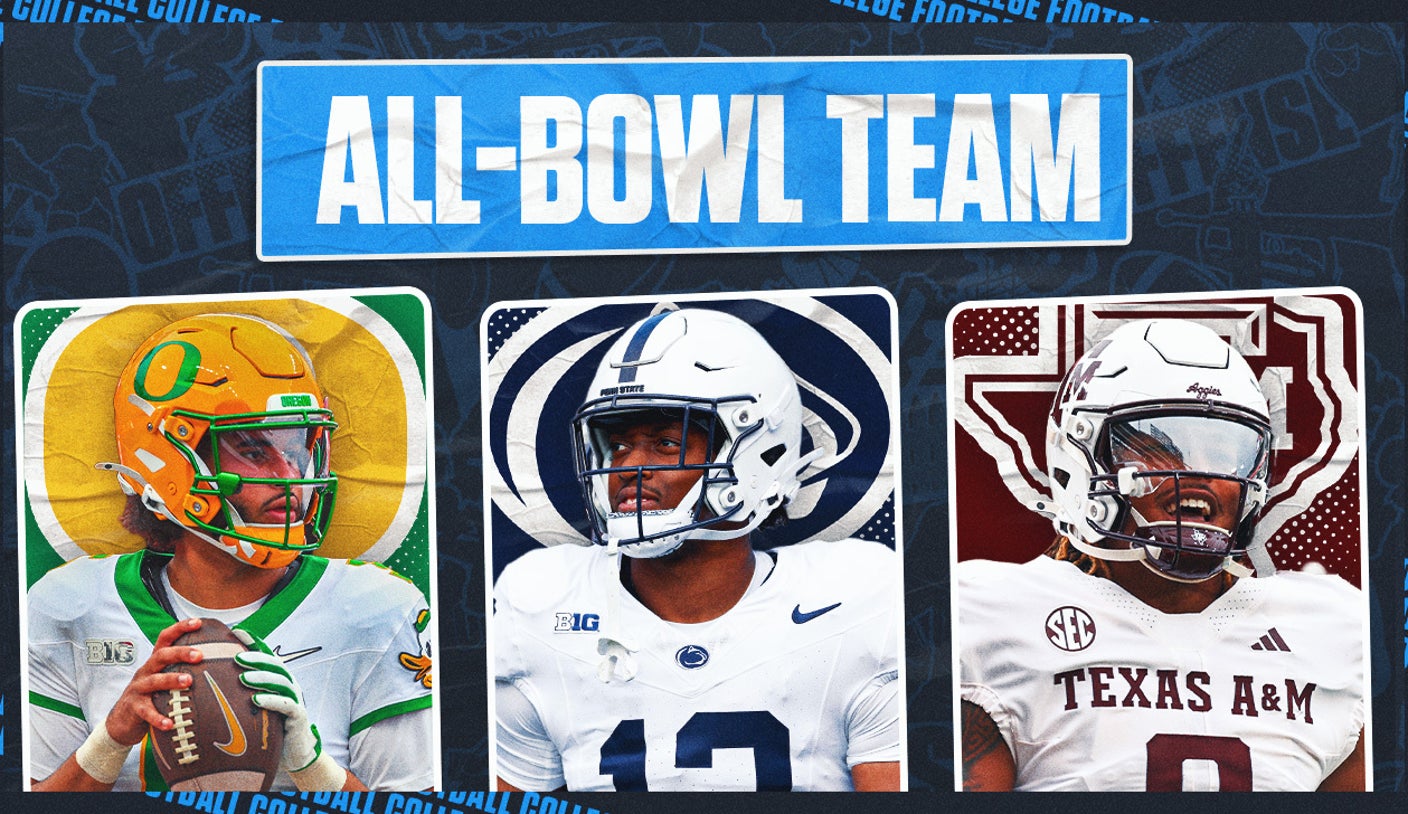
Below is a position-by-position guide to the top 2026 NFL Draft prospects to watch during bowl season, complete with statistical context, stylistic NFL comparisons and the specific games where they can solidify their stock.
Why Bowl Games Still Matter for 2026 NFL Draft Evaluations
While some elite prospects will sit out to protect their draft position, bowl games remain a crucial data point for most players. Coaches and scouts still value:
- How players respond to NFL-style preparation windows.
- Performance against unfamiliar opponents and schemes.
- Resilience under spotlight conditions and national TV pressure.
- Leadership and energy during a month where motivation can wane.
For mid-round prospects, a dominant bowl performance has historically boosted draft stock. For projected first-rounders who do play, it is often about confirming traits—processing, physicality, and big-game poise—rather than chasing box-score milestones.
Front offices will blend these bowl reps with combine testing, pro days and years of film, but December is where many boards start to harden.
Quarterback: The Franchise Cornerstones in Bowl Spotlight
No position tilts draft boards like quarterback. Bowl season gives front offices extended looks at how signal-callers operate with three to four weeks of gameplan build-up, more akin to an NFL schedule.
QB1: Dual-Threat Field General
This class’s top quarterback prospect blends arm strength, timing, and plus athleticism. His bowl assignment comes against a pressure-heavy defense that loves simulated pressures and late safety rotations—ideal for testing his protection IDs and coverage recognition.
| Metric | Stat |
|---|---|
| Passing Yards | 3,750+ |
| TD / INT | 32 / 8 |
| Completion % | 67% |
| Rush Yards | 450+ |
His tape shows layered throws into the intermediate middle of the field and the ability to create when protection breaks down. Evaluators will be watching his timing on outbreaking routes and his willingness to attack tight man coverage rather than defaulting to checkdowns.
Best NFL comp: A more mobile version of a traditional pocket-first distributor—somewhere between a young Kirk Cousins and Dak Prescott in style, with added burst as a runner.
“The way he controls protections and gets us into the right play is what NFL people are going to love,” his offensive coordinator said during bowl prep. “The arm talent is obvious, but the command at the line is what separates him.”
QB2: Vertical Assassin
If you want fireworks, this is your quarterback. He thrives on bucket throws down the sideline and deep posts off play action. The bowl matchup pits him against a secondary loaded with future pros, offering a perfect test of accuracy and decision-making.
- Top-5 in FBS in yards per attempt.
- Over 50% of touchdown passes traveling 20+ yards in the air.
- Low interception rate despite aggressive shot selection.
Best NFL comp: Stylistically similar to Will Levis or Jordan Love—a rhythm-based passer whose ceiling rests on decision-making growth.
Running Back: Modern Three-Down Weapons
The 2026 class may not feature a generational running back, but it is rich in versatile, scheme-flexible runners who can contribute on all three downs. Bowl games give us a clearer picture of how they handle pass protection, route nuance and contact balance against rested defenses.
RB1: Contact-Balance Specialist
The top back in this cycle is a compact runner who thrives on yards after contact and rarely goes down on first hit. His bowl opponent is a top-15 rush defense, which means every broken tackle and every extra yard will resonate with evaluators.
| Metric | Value |
|---|---|
| Rushing Yards | 1,420 |
| Yards After Contact / Rush | 3.6 |
| Missed Tackles Forced | 74 |
| Receptions | 38 |
Best NFL comp: A blend of Kareem Hunt and Josh Jacobs—stocky build, violent leg drive, and underrated receiving chops.
RB2: Space Creator and Receiving Threat
The other headliner at the position operates almost like a slot receiver in space. His bowl tape will be a clinic opportunity for angle routes, option routes and motion usage, all staples in modern NFL playbooks.
- Lines up in the slot or out wide on ~25% of passing snaps.
- Average depth of target higher than many collegiate slot receivers.
- Dangerous on screens and perimeter runs, ideal for outside-zone schemes.
Best NFL comp: Usage profile similar to Alvin Kamara, though not quite as sudden—think a smoother version of Aaron Jones.
Wide Receiver: Explosive Playmakers and Route Artists
Wide receiver remains one of the deepest and most impactful positions in the modern draft, and 2026 is no exception. Bowl season will feature a mix of big-bodied boundary threats and silky route technicians who can separate at all three levels.
WR1: Boundary Alpha
The class’s top wideout is a true “X” receiver—long, physical, capable of beating press and winning above the rim. His bowl matchup comes against a long, experienced cornerback group that mirrors what he will see on Sundays.
| Stat | Value |
|---|---|
| Receptions | 88 |
| Receiving Yards | 1,410 |
| TD Receptions | 15 |
| Contested Catch Rate | 62% |
Best NFL comp: A stylistic cousin of CeeDee Lamb or A.J. Brown—violent after the catch with the body control to win tight-window throws.
WR2: Slot Separator
While WR1 punishes defenses outside, the top slot option in this class wins with pristine routes and short-area quickness. His bowl opponent leans on pattern-match coverages, making his ability to find soft spots between linebackers and safeties a focal point.
- Elite success rate on option and choice routes.
- Top-10 in FBS in third-down receptions.
- Special-teams background as a punt returner adds value.
Best NFL comp: Mirrors Amon-Ra St. Brown in how he grinds out separation with craft rather than pure speed.

Tight End: Matchup Nightmares in the Middle of the Field
Tight ends are one of the toughest positions to project because they are asked to function as both offensive linemen and wide receivers. Bowl preparations give NFL scouts a closer look at blocking assignments, motion responsibilities, and route diversity.
TE1: Flex Mismatch
The top tight end prospect in this cycle is more big-slot than in-line mauler, but his bowl tape will be scrutinized for growth as a blocker. He is a red-zone terror with a wide catch radius and strong hands, regularly outmuscling safeties and linebackers.
- Over 800 receiving yards and 10 touchdowns in 2025.
- Lines up detached from the formation more than 60% of the time.
- Shows enough anchor in pass protection to project as a move tight end early in his career.
Best NFL comp: A less explosive but more technically polished version of Mike Gesicki, with shades of Dallas Goedert in contested situations.
Offensive Line: Protectors and People-Movers
Offensive line tape from bowl season is priceless. Linemen face unfamiliar fronts and exotic pressure packages, and the extra prep time simulates the detailed game plans they will see on Sundays.
OT1: Prototype Left Tackle
The premier tackle prospect checks every measurable box—length, foot quickness, and balance. His bowl assignment comes against a defense with multiple NFL-caliber edge rushers, making this tape some of the most valuable in the entire draft cycle.
| Metric | Value |
|---|---|
| Pass-Block Snaps | 460 |
| Sacks Allowed | 1 |
| Pressures Allowed | 11 |
| Penalties | 3 |
Best NFL comp: Movement and body type similar to Andrew Thomas—not the flashiest, but consistently in phase in pass pro with heavy hands in the run game.
Interior OL: Versatile Anchor
The top interior lineman in this class has logged snaps at both guard and center. That versatility will appeal mightily to NFL teams managing injured offensive lines over a 17-game season.
- Rarely beaten clean on the inside—excellent hand placement.
- Comfortable pulling and leading on screens and perimeter runs.
- Communicates protections effectively, projecting as a future center.
Best NFL comp: Think Elgton Jenkins—plug-and-play at multiple interior spots with Pro Bowl upside.
Defensive Line: Disruptors Who Ruin Game Plans
Interior disruptors are at a premium in today’s NFL, and the 2026 class offers a handful of linemen who can collapse pockets and wreck run schemes. Bowl games provide longer third-down stretches and more obvious passing situations—perfect for evaluating their rush arsenals.
IDL1: Gap-Penetrating Three-Tech
The top interior lineman is a twitchy three-technique with elite first-step quickness. His bowl opponent anchors its offense around wide zone and bootleg concepts, testing his discipline and ability to flatten to the quarterback.
| Stat | Value |
|---|---|
| Sacks | 8.5 |
| TFLs | 16 |
| QB Pressures | 42 |
Best NFL comp: A style echoing Quinnen Williams—violent hands, natural leverage and a knack for living in the backfield.
EDGE1: Bend-and-Burst Pass Rusher
On the edge, the premier pass rusher combines a track sprinter’s first step with the flexibility to corner sharply. His bowl game against a top tackle prospect will be must-watch, with true one-on-one reps that scouts will rewind all spring.
- Double-digit sacks in back-to-back seasons.
- Wins with speed-to-power and inside counter moves.
- Shows enough play strength to set the edge versus the run.
Best NFL comp: Reminiscent of Brian Burns—elite bend with room to grow technically.
Linebackers and Defensive Backs: Coverage, Versatility, and Instincts
The back seven is where modern defenses either keep up with creative offenses or get exposed. Linebackers and defensive backs in this class will be judged heavily on coverage instincts, range, and tackling reliability during bowl season.
LB1: Modern Space Linebacker
LB1 is built for today’s NFL, moving like a big safety but hitting like a traditional mike linebacker. His bowl game against an up-tempo spread attack will force him to communicate, line up in space and tackle in the open field.
- Over 100 tackles with strong missed-tackle rate.
- Comfortable matching up with tight ends and running backs in coverage.
- Flashes timing and burst as a blitzer from multiple alignments.
Best NFL comp: Very similar usage to Fred Warner, though not quite as long—true every-down linebacker with coverage upside.
CB1: Island Corner
The top cornerback prospect can live on an island. He has the length to disrupt at the line and the deep speed to stay on top of vertical routes. His bowl challenge features a high-volume passing attack that will not hesitate to target him.
| Metric | Value |
|---|---|
| Completion % Allowed | 46% |
| Passer Rating Allowed | 54.3 |
| Interceptions | 4 |
| Pass Breakups | 12 |
Best NFL comp: Shades of Patrick Surtain II—calm, technically sound and rarely panicked at the catch point.
S1: Multipurpose Safety
The top safety in the draft shapes an entire defense with his versatility. He can spin down into the box, rotate deep post-snap, and handle some slot coverage responsibilities. Bowl film will test his mental processing as much as his physical tools.
- Over 70 tackles and multiple tackles for loss.
- Three or more interceptions with several pass breakups.
- Frequently serves as the primary communicator in the secondary.
Best NFL comp: Think Jessie Bates III with a bit more box utility—a truly scheme-versatile safety.
Top 10 2026 NFL Draft Prospects Playing in Bowl Games
Taking positional value and current grades into account, here is a consensus-style early top-10 ranking of 2026 NFL Draft prospects expected to suit up in bowl games:
- QB1 – Dual-threat franchise-caliber quarterback.
- EDGE1 – High-end pass rusher with Pro Bowl upside.
- OT1 – Blind-side protector with All-Pro traits.
- WR1 – Boundary alpha with true WR1 skill set.
- IDL1 – Interior disruptor with three-down impact.
- CB1 – Island cornerback who can shadow WR1s.
- RB1 – Three-down running back with workhorse profile.
- LB1 – Coverage-savvy linebacker built for spread offenses.
- S1 – Multipurpose safety who can quarterback the secondary.
- WR2 – Elite slot separator with third-down reliability.
Beyond the Numbers: Human Stories Driving the 2026 Class
Bowl season is not just about draft stock; it is also about personal journeys. Many of these prospects are playing their final game for programs that believed in them when they were unknown recruits.
One prominent lineman arrived on campus as a lightly recruited two-star prospect and now anchors a top-10 offense. A senior cornerback, once buried on the depth chart, turned his career with special-teams grit and a breakout junior year, now staring at an NFL future few saw coming.
“This bowl game is about finishing what we started,” one projected first-rounder said this week. “The NFL will be there in April. Right now, I want to leave this jersey better than I found it.”
These stories resonate with front offices as much as the stat lines. Work ethic, resilience and leadership—traits often revealed during the grind of bowl practices—can be the difference between a good prospect and a franchise cornerstone.
Opt-Outs, Risk and Reward: The Bowl Season Debate
Every December brings the same debate: should top prospects risk injury in non-playoff bowls? There are valid arguments on both sides, and NFL teams generally understand the calculus.
- Pro-playing: Competitors want to finish with teammates, add good tape and showcase leadership.
- Pro-opting out: First-round locks protect generational wealth and focus on draft prep.
- Evaluator lens: Most front offices care more about the body of work than one extra game, but note competitive patterns.
The 2026 cycle features a mix of both approaches. Some projected top-10 picks have opted out, trusting their tape and medicals. Others are suiting up one last time, betting that a strong bowl performance can push them up draft boards or cement leadership perceptions in meeting rooms.
Where to Track Bowl and 2026 NFL Draft Data
For readers looking to dive deeper into advanced metrics, official stats and updated draft projections as bowl season unfolds, these resources provide reliable, regularly updated information:
- NCAA.com official college football statistics
- ESPN College Football scores and advanced stats
- NFL.com official Draft hub
- Pro-Football-Reference historical NFL comparisons
Combining these databases with bowl-game film will give you a front-office style lens on the 2026 NFL Draft class.
What Bowl Season Means for the 2026 NFL Draft
When the final whistle blows on bowl season, draft boards around the league will not be finished—but they will be far more defined. Quarterbacks will have faced NFL-like gameplan cycles, linemen will have battled unfamiliar fronts and future stars will have either risen to the moment or quietly blended into the December chaos.
For fans, the next few weeks offer a rare opportunity: you can watch prospects in real time before the scouting-industrial complex turns them into household names. Circle your favorite bowl matchups, track how these top players respond to pressure and begin building your own 2026 NFL Draft board.
Which bowl-game performance will we look back on in April as the moment a prospect vaulted into the top 10—or safely into the first round? That answer is about to unfold, one snap at a time.
