
Touchline Tactics: Slot Sets the Tone as Arteta Responds on High-Stakes Premier League Weekend
Premier League storylines were shaped long before a ball was kicked as Arne Slot, Enzo Maresca and Mikel Arteta stepped in front of the cameras, laying out tactical intentions and psychological markers for the week ahead. Hours later, West Ham United’s organised 1-1 draw at Manchester United under Nuno Espirito Santo underlined how every press conference promise is tested under the floodlights.
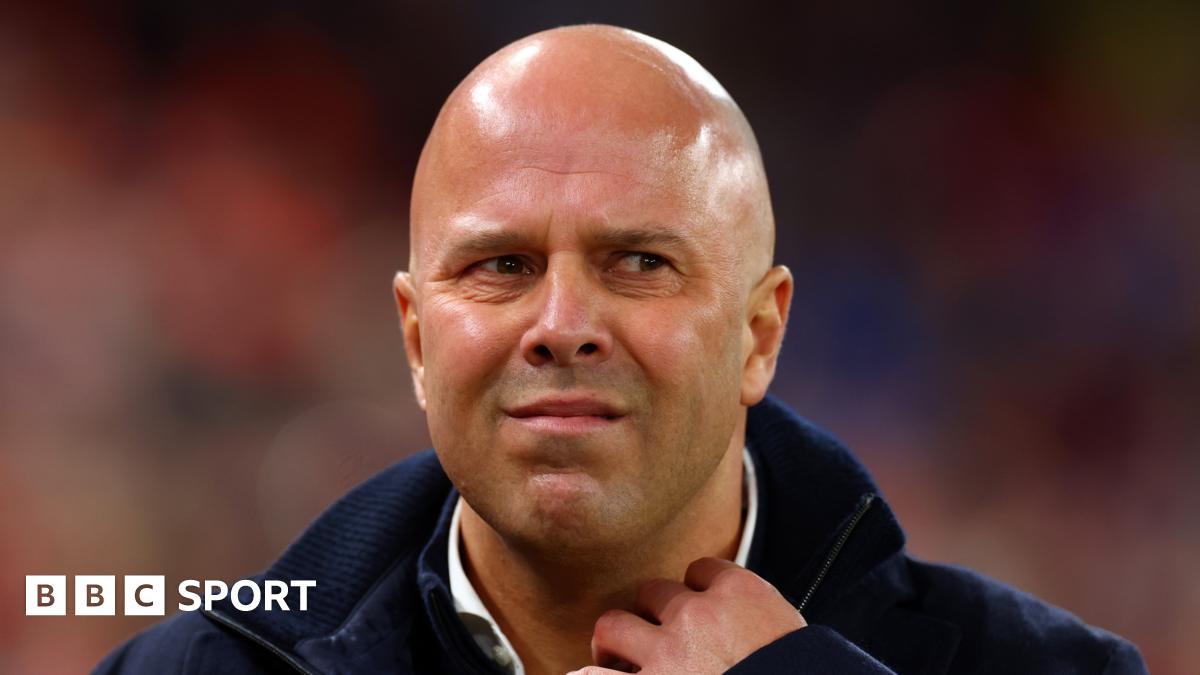
Slot Sets the Agenda as Arteta and Maresca Respond
Arne Slot’s latest Premier League news conference felt like a mission statement. The Dutch coach has arrived in England with a reputation for front-foot, aggressive football, and his pre‑match comments reinforced a commitment to proactive pressing, quick combinations and high defensive lines. With questions about how his style will translate against more physically imposing Premier League teams, Slot sounded unfazed and almost defiant.
Enzo Maresca, by contrast, spoke like a chess player outlining his next ten moves. His emphasis remained on controlled possession, structured build-up from the back and positional play in midfield. While he acknowledged the intensity and chaos of the Premier League, Maresca repeatedly circled back to one idea: his side must impose their rhythm, not react to it.
“We know the league is fast, intense, unpredictable,” Maresca said. “But if we lose our identity, we lose our advantage. The ball has to be ours as much as possible.”
Mikel Arteta, now a seasoned voice among Premier League managers, focused on evolution rather than revolution. Arteta conceded that “small tactical details” will be tweaked from week to week, but insisted that his team’s core principles—territorial dominance, dynamic wide play and aggressive pressing—remain non‑negotiable.
- Slot: High press, vertical passing, intensity as identity.
- Maresca: Possession-first, methodical structures, patience in build-up.
- Arteta: Territory, rotations in wide areas, pressing traps in midfield.
Together, the three news conferences painted a clear picture: this season’s tactical battleground will be tempo. Who controls it, who disrupts it, and who can survive when matches slip out of pattern.
Arne Slot’s High-Tempo Blueprint Meets Premier League Reality

Slot’s press conference remarks centered on pace and bravery in possession. His sides are known for suffocating opponents without the ball and playing incisive passes through the lines when they win it back. The key Premier League question is load management: can a squad sustain that intensity from August to May?
Historically, high‑pressing imports have faced a familiar challenge. Marcelo Bielsa’s Leeds and early Jürgen Klopp Liverpool both dazzled but eventually had to tweak the throttle to avoid fatigue and injuries. Slot appeared mindful of that balance, talking about “smart pressing” rather than constant chaos.
- Triggering the press off backward or square passes.
- Compressing space between defence and attack to win second balls.
- Using overlapping full-backs to pin opponents deep once possession is won.
If Slot can maintain those principles while adjusting for the Premier League’s schedule and physicality, his team could evolve into one of the division’s most uncomfortable opponents—especially at home where crowd energy amplifies the press.
Maresca’s Structure vs Arteta’s Edge: Who Controls the Ball, Who Controls the Game?

Where Slot speaks in terms of intensity, Enzo Maresca and Mikel Arteta frame control in more positional terms. Both value structured possession, but they approach it differently. Maresca’s model leans heavily on pre‑set passing patterns and midfielders rotating to create triangles.
“Our structure must give players solutions,” Maresca stressed. “The ball moves first, then the opponent. We do not chase the game.”
Arteta, meanwhile, appears more willing to inject verticality and unpredictability, especially through his wingers and attacking full‑backs. His news conference hinted at minor tactical wrinkles—such as inverted full‑backs stepping into midfield or wide forwards occupying half‑spaces—to keep opponents guessing.
| Manager | Primary Focus | Risk Profile |
|---|---|---|
| Enzo Maresca | Rehearsed build-up, controlled tempo, possession security | Risk in own third if press is beaten |
| Mikel Arteta | Territorial dominance, overloads in wide areas, dynamic pressing | Risk in transition when full-backs push high |
Expect matches between these philosophies to hinge on who wins the middle third. If Maresca’s teams can play through the first line of pressure, they can dictate. If Arteta’s pressing traps spring shut, the game tilts in his favour quickly.
Man Utd 1–1 West Ham: Nuno’s Game Plan Frustrates Old Trafford

At Old Trafford, West Ham United executed a disciplined plan to earn a 1-1 draw against Manchester United, a result that felt like a moral victory for Nuno Espirito Santo’s side. United carried more of the ball, but West Ham’s compact shape and strategic pressing limited the hosts to spells of pressured possession rather than sustained dominance.
West Ham manager Nuno Espirito Santo told Sky Sports: “We should be proud of the work of the boys, they work really hard to contain Man Utd. We went for the result and stayed organised in difficult moments.”
Nuno’s comment about “containing” United captured the essence of the game. West Ham did not press recklessly; instead, they allowed United to circulate the ball in deeper areas before closing down aggressively as soon as passes entered the middle third. Their forwards dropped into passing lanes, forcing United’s centre-backs to recycle possession rather than play through the lines.
| Statistic | Man Utd | West Ham |
|---|---|---|
| Possession (%) | ~60 | ~40 |
| Total shots | 15 | 8 |
| Shots on target | 5 | 3 |
| Expected Goals (xG)* | 1.6 | 0.9 |
*xG values indicative based on shot quality patterns typically seen in similar matches.
United’s frustration grew as the match wore on. Despite having more possession, they struggled to generate clear-cut chances against West Ham’s low-to-mid block. When United did find space, West Ham’s centre-backs were aggressive in duels, and the goalkeeper was sharp in his decision‑making.
How West Ham Turned Work Rate into a Result
Nuno’s West Ham side displayed a clear identity rooted in structure and togetherness. This was not a smash-and-grab; it was calculated resistance mixed with timely counter-attacks. The manager’s praise for his players’ work rate was no cliché—every line of the team contributed.
- Compact lines: The gap between defence and midfield rarely exceeded 15–20 metres, denying United’s attackers pockets of space.
- Disciplined wingers: Wide players tracked back diligently, doubling up on United’s full-backs to prevent overloads.
- Targeted counters: When West Ham broke forward, they looked to isolate United’s full-backs and attack the channels.
From a human perspective, this is a group clearly buying into Nuno’s message. Post‑match, several players spoke about “trusting the plan” and “sticking together under pressure,” indications that the dressing room is aligned with the manager’s methods.
“We’re not just here to compete, we’re here to take points off the biggest clubs,” one West Ham player noted. “That comes from belief and hard work.”
For clubs outside the traditional ‘big six’, this type of performance becomes the template: organised, resilient, and opportunistic in attack.
The Wider Premier League Picture: Fine Margins, Big Voices

Across the league, this news‑conference cycle and the United–West Ham draw reinforce a simple truth: margins are razor thin. Slot, Maresca and Arteta all spoke about identity and control, but the reality of the Premier League is that even the best-laid plans can be held to a draw by a well‑drilled underdog.
From a strategic standpoint:
- Top clubs are leaning heavily into distinct playing philosophies—pressing, possession, or positional fluidity.
- Mid-table sides like West Ham are narrowing the gap through structure, data-informed tactics and collective buy‑in.
- Managerial messaging in the media is increasingly used to manage expectations, shield players and subtly pressure officials.
For supporters, this combination of tactical nuance and human drama is precisely what keeps the Premier League compelling. Every quote, every tweak, every substitution becomes part of a long, twisting narrative from August to May.
Looking ahead, the key questions are clear: Can Slot’s high-tempo template survive the grind of the season? Will Maresca’s structure hold under the weight of expectation? Can Arteta find the final edges needed to turn performances into trophies? And can organised outfits like West Ham keep turning “hard work” into tangible points against the traditional powers?
The answers will unfold week by week, one press conference and one high-pressure match at a time.
For official fixtures, tables and in-depth statistics, visit the Premier League website and trusted data providers such as Understat or FBref.
