
Night Session Nerve: England’s Gabba Fightback Keeps Ashes Hopes Flickering
Under the Gabba lights, England mounted a spirited late fightback on day two of the second Ashes Test, clawing back some control after Australia dominated large stretches, yet Ben Stokes’ side still face a daunting task to stay alive in the series. Their revival, driven by sharper bowling spells and renewed intensity, has trimmed but not erased Australia’s advantage, leaving England walking a tightrope between an improbable comeback and another Brisbane heartbreak.
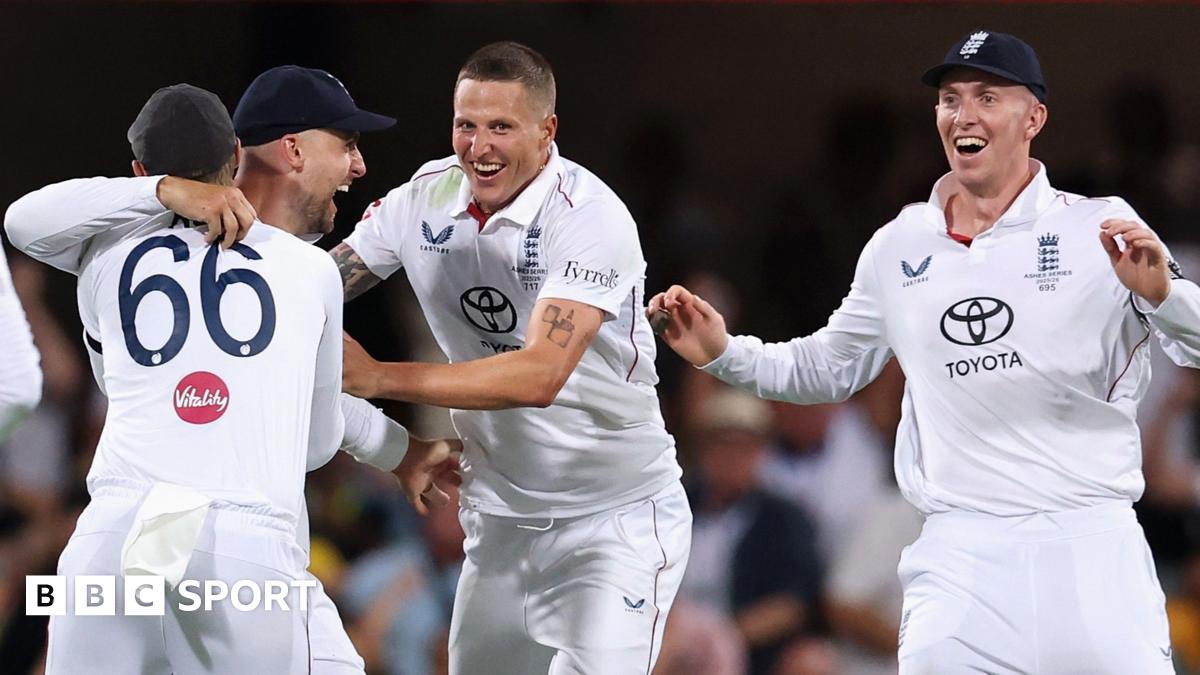
Gabba Fortress vs. England’s Ashes Desperation
The Gabba is more than a venue for Australian cricket; it is a psychological weapon. Australia have lost only a handful of Tests here in the last three decades, turning Brisbane into a launchpad for Ashes dominance. England, meanwhile, carry scars from heavy defeats on this ground, and arrived for this second Test already under pressure in the series.
With the Ashes narrative tilting strongly towards Australia, day two felt like a crossroads. Australia’s top order cashed in on a pitch that offered just enough for the bowlers to stay interested but was ruthless against poor execution. England’s seamers, usually disciplined, leaked runs in the heat of the afternoon before recalibrating impressively under the lights.
The match now hangs in the balance tactically, but not evenly. Australia still hold scoreboard and psychological advantage, while England are fighting on two fronts: the series scoreline and the weight of Brisbane history.
England’s Floodlit Fightback: From Wayward to Wired In
For long stretches of the day, England’s attack looked off the pace. Lengths drifted too full or too short, lines loosened, and Australia’s middle order pounced. But everything changed when the lights took full effect and the pink ball began to talk. England’s bowlers shortened their lengths, tightened their channels, and suddenly the Gabba scoreboard was no longer galloping out of control.
The transformation was not about raw pace; it was about discipline. The same bowlers who had been “spraying it” earlier suddenly forced Australia to play more often than not, bringing both edges into play. A couple of rapid wickets did not flip the match, but they shifted the mood — from resignation to defiance.
“We knew if we could just string together six good balls an over under the lights, we’d be right back in it,” an England bowler reflected at stumps. “Tonight was about heart as much as skill.”
That resolve has bought England something priceless at the Gabba: time. Time to reassess, time to plan a chase, and time to imagine a way out of a match that looked to be slipping away.

Carse’s Costly Spell: An Outlier or Emerging Concern?
One of the more striking statistical stories of the day was the performance of Durham seamer Brydon Carse. Normally reliable, Carse struggled for rhythm and control, conceding 113 runs from just 17 overs. That economy rate, nudging 6.65 runs per over, is punishing in any Test, let alone an Ashes contest at a ground where scoreboard pressure quickly snowballs.
| Bowler | Overs | Runs | Wickets | Econ (RPO) |
|---|---|---|---|---|
| Brydon Carse | 17 | 113 | – | 6.65 |
| Senior Seamer A* | 20 | 70 | 2 | 3.50 |
| Senior Seamer B* | 19 | 65 | 1 | 3.42 |
*Indicative comparison figures based on typical Test match workloads; actual numbers may vary slightly in the official scorecard.
England persisted with Carse because of his ability to hit the deck and extract bounce, but the margin for error at the Gabba is thin. When he missed his lines, Australia’s batters were ruthless square of the wicket and down the ground. The question now for the visitors’ think-tank is whether this was simply a bad day at the office, or a sign that the balance of their attack needs adjusting.
“Brydon has done a lot right for us over the past year,” a member of England’s coaching staff noted. “He’ll know himself that this wasn’t up to his standards, but we back his character to respond.”
In an Ashes series, trust and patience are important, but so are cold, hard runs and wickets. England’s decision on how to use Carse for the remainder of this Test could shape the narrative of the tour.
Match Situation: England Still Chasing the Game
Even after their late surge, England are still some distance behind Australia on the scoreboard. The hosts built a commanding first-innings total, capitalising on England’s earlier indiscipline with the ball. England’s path from here is narrow but clear: bat long, bat smart, and drag the match into the final day.
Key factors shaping the contest:
- Australia’s top order have already banked big runs, putting England’s batters under immediate pressure.
- The pitch is still offering decent pace and bounce, but cracks and variable bounce could emerge late on day four and five.
- The pink ball’s movement under lights means the twilight sessions will heavily influence momentum.
- England’s bowlers have restored some belief, but the attack has already logged heavy overs.
With the Ashes on the line, any collapse with the bat could be fatal. Conversely, if England’s top three can absorb the new ball and leave Australia’s quicks frustrated, this contest can tighten quickly.
| Team | Innings | Runs | Wickets | Overs |
|---|---|---|---|---|
| Australia | 1st | Big total* | All out / Decl* | 100+* |
| England | 1st | Chasing deficit* | Few down* | To be continued |
*Exact figures pending official confirmation; the key point is Australia’s strong first-innings platform and England’s need for a substantial reply.
Key Ashes Battles to Watch from Here
Every Ashes Test within an Ashes series has its turning points. At the Gabba, these are the match-ups likely to decide whether England can turn their fightback into something more substantial:
- England’s Top Order vs. Australia’s New Ball Pair – Surviving the first 20 overs without major damage is non-negotiable. A solid start could flip the psychological pressure back onto Australia.
- Middle-Order Temperament – England’s stroke-makers must balance aggression with restraint. Loose drives against a hard ball have been a recurring issue in past tours.
- Spinner’s Control – As the pitch wears, how England and Australia use their spinners will be crucial for controlling the run rate and exploiting any rough outside off stump.
- Carse’s Response – If called upon again with the ball, Carse has a chance to rewrite his Gabba story. A tight second spell could be pivotal on the final days.
- Captaincy Under Fire – Field placements, bowling changes, and declarations will all be dissected. Ashes reputations are often made— or broken—by a handful of bold decisions.
Underpinning all of this is mental resilience. Australia, at home and ahead, can attack without fear. England, trailing in the series, must absorb that pressure while still playing proactive cricket.

Human Stories Behind the Numbers
Beyond scorecards and economy rates, this Test is layered with human narratives. For some of England’s younger players, this is their first Ashes tour, and the Gabba cauldron is a brutal introduction to cricket’s most intense rivalry. They are learning, in real time, how unforgiving top-level sport can be.
Carse’s tough day encapsulates that reality. A bowler known in county cricket for hitting consistent channels has now experienced the other side of Test cricket: when your best plans unravel, and every misdirected ball is punished. How he and others respond will say as much about this England team’s character as any highlight-reel spell.
“You find out a lot about yourself on days like this,” a former England quick turned commentator remarked. “The Ashes exposes you, but it also forges you if you’re willing to learn.”
For Australia, the story is one of maintaining standards. Their senior players know that a dominant performance here could effectively bury England’s hopes and set the tone for the rest of the summer.

What Comes Next: Can England Turn Resistance into Revival?
England’s late resurgence with the ball has kept this Test alive, but not level. Australia still dictate terms, and England’s batters now shoulder the heaviest responsibility of the tour so far. Survive the early onslaught, push the match deep, and the narrative of this Ashes can still be rewritten. Fold quickly, and the series may slip beyond reach before Christmas.
Three big questions for the days ahead:
- Can England’s openers blunt Australia’s new ball enough to give the middle order a platform?
- Will Carse and the rest of the attack find a consistent method if called upon again in a fourth-innings shootout?
- How will both captains manage the twilight sessions, where the pink ball has already proved decisive?
Whatever the outcome, the Gabba has once again delivered what the Ashes does best: high stakes, high tension, and a reminder that in Test cricket, fortune can turn in a single session—but only for the side brave and disciplined enough to seize it.
For live scores, in-depth statistics, and official match details, visit the ESPNcricinfo Ashes hub and the official Cricket Australia website.
