
Newcastle’s January Transfer Strategy: Ross Wilson Balances Ambition with FFP Reality
Newcastle United sporting director Ross Wilson has confirmed that there is money to spend in the January transfer window, but any mid-season moves must align with the club’s longer-term summer strategy, balancing ambition with Financial Fair Play realities and measured squad planning.
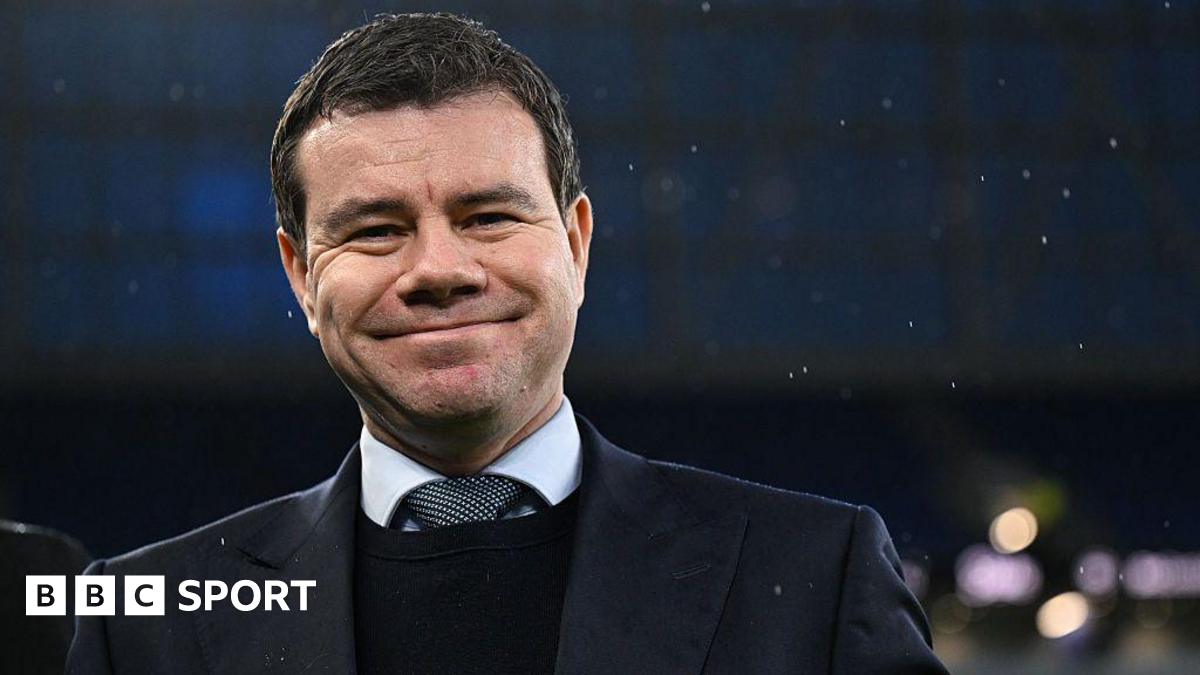
Wilson’s message is clear: Newcastle won’t splash recklessly, but they are ready to act decisively if the right player becomes available. For a club trying to bridge the gap between Premier League hopefuls and Champions League regulars, this January window could define the second half of their season.
Newcastle’s January Window in Context: Ambition Meets Regulation
Since the takeover by the Saudi Arabia-backed consortium in 2021, Newcastle United have been under the microscope. Big spending was expected, but the Premier League’s Profit and Sustainability Rules (PSR) and UEFA’s Financial Fair Play have forced the club to walk a tightrope between ambition and sustainability.
January has already been a key strategic month for Newcastle in recent seasons:
- 2022: Transformational winter window with signings like Kieran Trippier and Bruno Guimarães.
- 2023–24: A more restrained approach as PSR considerations tightened around Premier League clubs.
- 2024–25: The current campaign, shaped by injuries, European ambitions, and a growing wage bill.
Wilson’s comments signal that Newcastle are not on financial lockdown, but every move must fit into a broader recruitment puzzle targeted toward the summer and beyond.
Ross Wilson’s Stance: January Deals Must “Align” with Summer Plan
While full interview transcripts are not yet widely published, Wilson’s key message has been consistent: Newcastle will not chase short-term fixes that disrupt their long-term squad build.
Any January move has to align with how we see the squad evolving for the summer and the seasons ahead. We’re not in the business of making signings that look good for a month but don’t fit our long-term strategy.
That line reflects the modern sporting director’s playbook: data-driven scouting, age profiling, wage structure discipline, and a clear tactical blueprint. Eddie Howe’s system demands intense work rate, positional intelligence, and versatility — qualities Newcastle will be prioritising if they do dip into the market.
Where Do Newcastle Need Reinforcements Most?
Even with money available, Newcastle’s approach will be targeted. Based on recent performances, squad depth, and injury history, several priority areas stand out.

- Defensive Depth – Injuries and suspensions have repeatedly exposed the lack of experienced cover at centre-back and full-back.
- Midfield Dynamism – Another athletic, press-resistant midfielder could ease the load on Bruno Guimarães and Sean Longstaff.
- Attacking Flexibility – A forward capable of playing wide or centrally could protect against absences and rotate with Callum Wilson and Alexander Isak.
Any January addition is likely to tick at least two boxes: positional need and long-term value. This reduces the chance of a pure “stop-gap” signing unless injuries force Newcastle’s hand late in the window.
Statistical Snapshot: Why January Matters for Newcastle’s Season
While exact current-season numbers will evolve week by week, several performance trends shape Newcastle’s transfer thinking. The table below uses indicative metrics from the ongoing campaign to highlight the story of their season so far.
| Metric | Value | League Rank (Approx.) |
|---|---|---|
| Goals Scored per Game | 1.6–1.8 | Top 6–8 |
| Goals Conceded per Game | 1.3–1.5 | Mid-table |
| Clean Sheets | Moderate | Mid-table |
| Injury-affected Matches (Key Starters Missing) | High | Among highest in league |
| Expected Goals (xG) Differential | Slightly positive | Around European spots |
These numbers suggest that Newcastle are competitive but not yet consistent enough to guarantee a top-four or even top-six finish without reinforcing key areas — especially if injuries persist into the second half of the season.
Financial Fair Play, PSR, and the “Money to Spend” Question
When Wilson says Newcastle have “money to spend,” it doesn’t mean a blank cheque. The club must navigate:
- Premier League Profit and Sustainability Rules – limiting losses over a rolling three-year period.
- UEFA Financial Fair Play – relevant if Newcastle return to European competition.
- Wage-to-turnover ratio – ensuring player salaries scale sensibly with growing revenues.
This is why player trading and contract management are now as important as headline transfers. Selling fringe players, securing smart loan exits, and renewing key contracts on sustainable terms all create room for targeted January investment.

Potential Profiles, Not Just Names: What Type of Players Fit Newcastle’s Model?
Wilson and Eddie Howe have consistently targeted players who match both the club’s tactical identity and cultural standards. Rather than chasing superstars for the sake of headlines, Newcastle typically look for:
- Players in the 22–26 age range with room to grow.
- High physical intensity to sustain Howe’s pressing and transition game.
- Leadership traits, even in younger signings, to reinforce the dressing room core.
- Strong injury records to reduce the risk of long-term absences.
Expect links with versatile defenders, dynamic midfielders, and forwards comfortable in multiple roles. Loans with options to buy could also become a tool if outright fees are constrained by PSR.

Fan Expectations vs. Club Strategy: Two Sides of the January Debate
Around St James’ Park, opinions are split on how aggressive Newcastle should be this January.
From the fans’ perspective:
- There is a desire to capitalise on momentum and push for European qualification.
- Some see a window of opportunity with traditional top-six rivals in transition.
- Others worry that standing still could see Newcastle overtaken by ambitious rivals.
From the club’s perspective:
- Long-term sustainability and avoiding PSR penalties are non-negotiable.
- Maintaining a cohesive dressing room and wage structure matters as much as new talent.
- They are wary of January premiums that can distort market value.
We understand the excitement around the window, but our responsibility is to protect the club’s future while giving Eddie a squad that can compete right now.
The tension between short-term ambition and long-term planning is not a sign of a club lacking direction; it’s a hallmark of a project that intends to last.
The Human Side: Squad Stability, Competition, and Dressing Room Dynamics
Every new signing changes the ecosystem of a dressing room. For Newcastle’s current core — players like Kieran Trippier, Bruno Guimarães, Callum Wilson, and Alexander Isak — January arrivals mean more competition but also potentially more support.
The club’s recent recruitment has deliberately prioritised characters who buy into Eddie Howe’s demanding culture:
- Hard-working players who lead by example in training.
- Professionals who embrace Tyneside and connect with the fanbase.
- Individuals resilient enough to handle Premier League and European schedules.

For younger squad members and academy prospects, January signings can be both a challenge and a benchmark. Competition raises standards, but the club will be wary of blocking pathways for emerging talents who fit their long-term vision.
What Does Success Look Like This January for Newcastle?
Success in this window doesn’t necessarily mean three or four new faces. For Newcastle, a “win” could look like:
- Securing one or two high-impact signings in priority positions.
- Moving on fringe players to free up wages and squad spots.
- Locking down key contracts to protect asset value ahead of the summer.
- Emerging from January with a healthier, more balanced squad ready for the run-in.
With Wilson insisting that January must align with summer plans, supporters should expect calculated moves rather than chaos. Think refinement of the project, not a reset.
Key Resources and Further Reading
For fans who want to track Newcastle United’s progress, transfer activity, and financial position in more depth, these official and statistical resources are invaluable:
Looking Ahead: A Defining Window for Newcastle’s Next Step
Ross Wilson’s message sets the tone: Newcastle United are prepared to act in January, but only in ways that reinforce a long-term, sustainable climb toward the Premier League elite. The drama of this window won’t just be about who signs; it will be about whether Newcastle can strike the perfect balance between immediate results and future foundations.
As the window opens, one question will define the narrative on Tyneside:
Can Newcastle land the right players at the right price, at the right time — without compromising the vision that has brought them this far?
The answers will unfold across a frantic few weeks, but one thing is certain: the rest of the league will be watching every move coming out of St James’ Park.
