
The Streaming Fragmentation Crunch: Why Your Subscriptions Feel Out of Control
The streaming landscape in 2024–2025 has shifted from “streaming wars” to what many analysts now call the streaming fragmentation crunch: higher prices, more services, aggressive bundling, and a growing sense of subscription fatigue among viewers and listeners. What started as a simple alternative to cable has evolved into a complex ecosystem that increasingly resembles the very bundle it promised to replace.
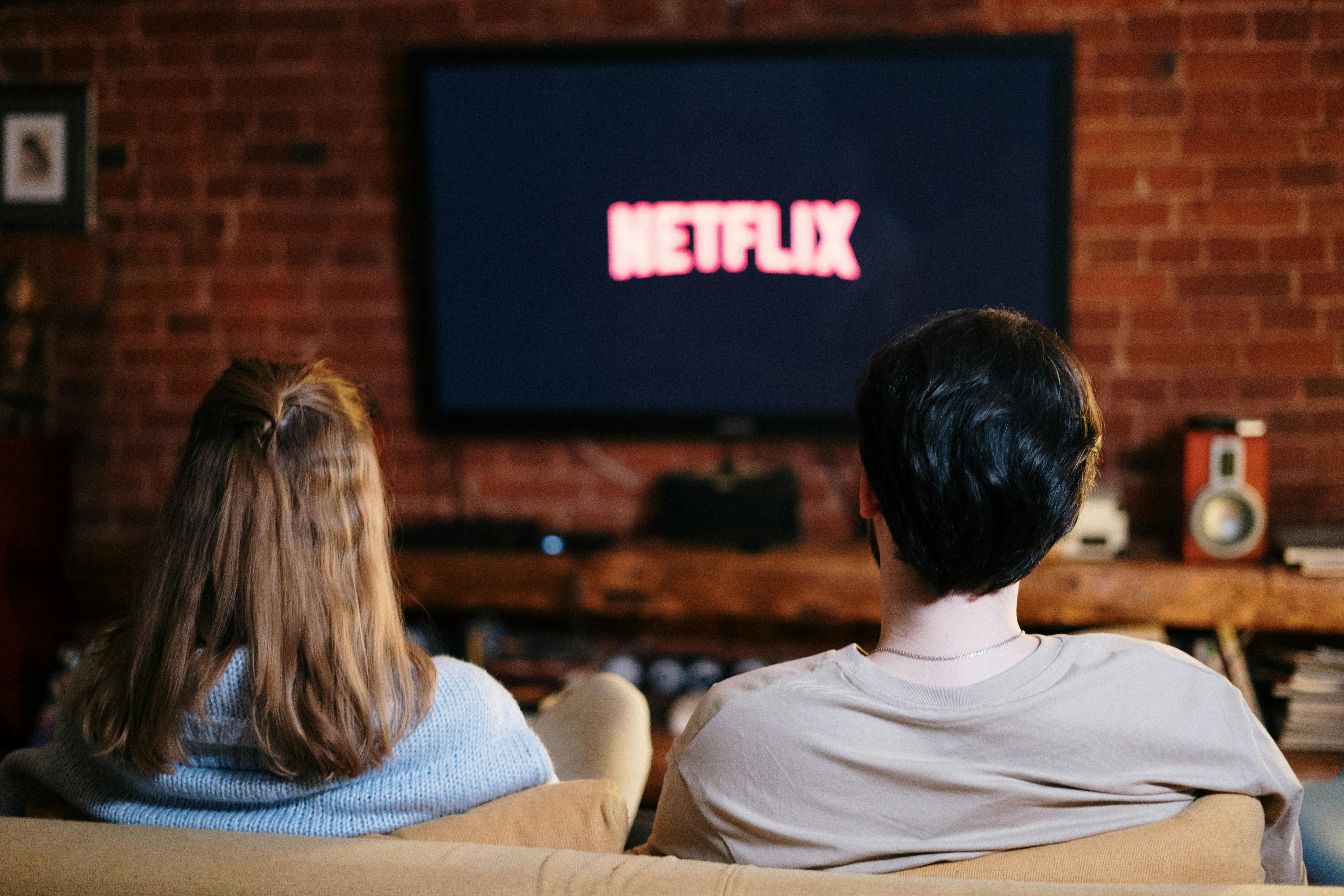
Tech and culture writers at outlets such as The Verge, Wired, TechRadar, and The Next Web are documenting how price hikes, service consolidation, and shifting licensing deals are reshaping how people access video, music, and podcasts—and how platforms fight to keep audiences locked in.
Mission Overview: What Is the Streaming Fragmentation Crunch?
The “streaming fragmentation crunch” describes the collision between three forces:
- Rising subscription prices across video and audio apps.
- Content fragmentation, where must‑see shows, films, sports, and music exclusives are scattered across many platforms.
- Platform consolidation and bundling, as big tech, telecoms, and media giants tie services together in complex offers.
For consumers, the result is exactly what surveys now call subscription fatigue: the feeling that keeping up with entertainment requires too much money, too many apps, and too much management. Instead of “one or two services for everything,” viewers juggle five or more platforms, rotating subscriptions or cancelling and re‑subscribing around big releases.
“Streaming hasn’t killed the bundle—it has rebuilt it in its own image, only with more friction and less predictability.”
Coverage by sites like The Verge on streaming price hikes emphasizes that this crunch is not temporary noise: it is the new normal as platforms chase profitability instead of just subscriber growth.
Technology and Economics of Modern Video Streaming
At the heart of the crunch is video streaming. Major platforms—including Netflix, Disney+, Hulu, Max, Peacock, Paramount+, Amazon Prime Video, and regional players—have all iterated on their pricing and technical models.
Price Hikes and Ad‑Supported Tiers
In 2023–2025, nearly every major service raised prices or added new tiers. The typical pattern:
- Introduce a cheaper ad‑supported tier to attract price‑sensitive users.
- Raise the price of ad‑free plans once the ad tier exists.
- Offer limited 4K or simultaneous streams unless subscribers pay for top‑tier plans.
From a technical perspective, this is linked to the cost of:
- Content delivery networks (CDNs) that move petabytes of 4K HDR video worldwide.
- Encoding pipelines that generate multiple bitrates and formats (H.264/AVC, H.265/HEVC, AV1).
- Recommendation systems powered by large‑scale machine learning models.
Ad‑supported tiers make these costs more sustainable by introducing advertising revenue per viewing hour, not just per subscriber, bringing streamers closer to the traditional TV economics they once tried to escape.
Licensing, Windowing, and “Streaming Back to Cable”
Another hallmark of this phase is reverse windowing: shows that debuted as streaming exclusives are now re‑licensed:
- Across rival streaming platforms.
- Back to legacy cable or broadcast networks in some regions.
- To international distributors that run their own apps or linear channels.
This undercuts the original pitch that “one or two services will cover everything,” but it reflects reality: content libraries are assets whose owners seek the highest return per title, not permanent exclusivity.
“Exclusive content was an acquisition weapon; diversified licensing is a survival strategy.”
Beyond Video: Music, Podcasts, and the All‑In‑One Audio Feed
The fragmentation crunch is not limited to video. On the audio side, platforms such as Spotify, Apple Music, YouTube Music, Amazon Music and regional services are facing similar pressure.
Price Rises, Artist Economics, and Catalog Diversity
Both Spotify and Apple Music have rolled out price increases in the US and other markets, typically by $1–$3 per month on individual and family plans. Simultaneously, debates over:
- Royalty models (pro‑rata vs user‑centric payouts).
- AI‑generated tracks joining catalogues.
- Discovery algorithms that can favor certain labels or content types.
have kept artist compensation a live topic across tech and music media.
AI Playlists, DJ Features, and Content Blending
Spotify’s AI‑driven products—such as the AI DJ and auto‑generated playlists—have become key talking points on social media and in coverage by outlets like The Verge’s Spotify section.
The broader trend is toward a blended feed, where:
- Music, podcasts, and audiobooks co‑exist in a single personalized stream.
- The interface surfaces algorithmic “For You” content as the default.
- Subscriptions may unlock different types of content layers (e.g., premium podcasts, book chapters).
This convergence increases engagement but also contributes to interface complexity. For users, “I just want to play music” can now feel like navigating a mini‑ecosystem inside a single app.

Scientific Significance: Behaviour, Attention, and the Economics of Choice
While streaming is an entertainment topic, its fragmentation crunch is also a rich case study for behavioral economics, human‑computer interaction, and attention science.
Choice Overload and Subscription Fatigue
Decades of research on choice overload suggest that when users face too many similar options, they experience:
- Increased decision time and cognitive load.
- Greater post‑purchase regret and churn.
- Higher likelihood of opting out entirely.
Streaming interfaces magnify this effect: each app contains thousands of titles, and users must choose across both services and content. TechRadar’s guides on optimizing subscriptions and reducing monthly costs are effectively behavioural interventions designed to help people manage this overload.
Data, Personalization, and Feedback Loops
Behind the scenes, platforms apply:
- Collaborative filtering to infer taste from similar users.
- Contextual bandits and reinforcement learning to test different recommendations.
- Sequence modelling (e.g., transformer architectures) to predict viewing or listening sessions.
These algorithms create feedback loops: the more you watch or skip, the more precisely the system can guess what keeps you subscribed. In a fragmentation crunch, superior recommendations can directly translate into lower churn, making personalization a core retention technology.
“In subscription contexts, recommendation systems are not just about engagement—they are about convincing users that the service is indispensable.”
Bundles, Consolidation, and Lock‑In
As growth slows and investors demand profits, streaming businesses are turning back to an old tool: bundling. But the 2025 bundles are often cross‑category, combining:
- Video streaming (e.g., Disney+, Hulu, ESPN+).
- Music or podcasts (e.g., Amazon Music, Spotify partnerships).
- Cloud storage or productivity tools (e.g., Google One, Microsoft 365 with Xbox Game Pass offers).
- Telecom, mobile, or broadband plans that include subscriptions.
Tech, Telecom, and Hardware Bundles
Telecom providers and device makers increasingly offer streaming packages to differentiate their products. Examples include:
- Mobile plans with streaming video or music included for a year.
- Smart TVs that highlight partner apps and offer extended free trials.
- Game consoles like Xbox and PlayStation promoting entertainment hubs beyond gaming.
Analyses in outlets such as TechCrunch and the now‑archived Recode coverage explore whether these bundles amount to:
- Fair value that simplifies bills and reduces costs, or
- Subtle lock‑in that raises switching costs by tying entertainment to connectivity.
Antitrust and Competition Concerns
Regulators in the US and EU are watching for:
- Self‑preferencing when platform owners prioritize their own streaming apps on devices.
- Tying and bundling that could disadvantage smaller services.
- Data advantages when a single firm combines viewing, browsing, and purchasing data.
These questions are now a recurring theme in tech policy discussions, similar to the scrutiny big platforms face in app‑store and advertising markets.

Piracy’s Return to the Conversation
One of the most uncomfortable side effects of the fragmentation crunch is the quiet resurgence of piracy. As legal paths become more expensive and fragmented, some viewers are turning back to:
- Traditional torrenting sites.
- Gray‑market IPTV services that aggregate hundreds of channels.
- Unofficial live sports streams shared on social platforms.
Reports in Ars Technica and Wired document how these behaviors correlate with price spikes and the removal of titles from major platforms.
“When the lawful path to watch a show requires juggling five subscriptions, the perceived moral distance to piracy shrinks—even if the legal risk does not.”
Ethically and legally, piracy remains problematic, and creators and smaller distributors often suffer most. But its re‑emergence is an important signal that the market equilibrium between price, convenience, and legality is under strain.
Devices, Interfaces, and the New Living‑Room Hub
Hardware has become a key battleground in managing fragmentation. Smart TVs, streaming sticks, and game consoles compete to be the primary interface layer for all your services.
Universal Search and Aggregation
Modern platforms—Roku, Amazon Fire TV, Apple TV, Google TV on Chromecast, and many smart‑TV OSes—promote:
- Universal search that surfaces titles across multiple apps.
- Watchlists that track shows across services.
- Personalized rows based on your combined viewing history.
TechRadar and Engadget increasingly review these devices not just on picture quality or performance, but on:
- How quickly they launch and switch apps on lower‑end hardware.
- The transparency of search results (e.g., do they prioritize a particular service?).
- The quality of accessibility features (screen readers, captions, voice control).
WCAG and Accessibility in Streaming
Accessibility has moved closer to the center of streaming design. Many services now commit to:
- WCAG‑aligned interfaces with sufficient contrast and keyboard / remote navigability.
- Closed captions and subtitles with customizable fonts and backgrounds.
- Audio descriptions for visually impaired users on a growing share of titles.
These changes are influenced by advocacy, regulation, and the recognition that accessible design increases overall usability.

Key Milestones in the Streaming Fragmentation Era
While exact dates vary by region and platform, several milestones define the current phase:
- Mass adoption of ad‑supported tiers (2022–2024): Netflix, Disney+, and others normalized ads on premium services, changing user expectations.
- Price normalization above cable for heavy users (2023–2025): Households with 5+ services often pay more than previous cable bundles, once hailed as “overpriced.”
- High‑profile title removals and write‑offs: Disappearing shows and movies created distrust and increased interest in permanent purchases or physical media.
- Cross‑platform licensing of former exclusives: Flagship shows turn up on rival streamers or linear channels, signaling an end to pure exclusivity.
- Surge of “subscription audit” content: YouTube creators and tech writers publish guides on canceling and rotating services for maximum savings.
These milestones shape both industry strategy and how tech‑media outlets frame the story: less about who “wins” the streaming war, more about how the entire model evolves.
Practical Strategies for Viewers Facing Subscription Fatigue
For individuals and families, the fragmentation crunch doesn’t have to mean runaway costs. A few systematic habits can restore control.
1. Run a Quarterly “Subscription Audit”
- List every streaming, cloud, and digital service you pay for.
- Check your bank or card statements for forgotten “free trials” that became paid.
- Tag each service as Must‑Have, Sometimes, or Nice‑to‑Have.
2. Embrace Rotating Subscriptions
Instead of trying to maintain everything, choose two or three core services and rotate others monthly or quarterly:
- Subscribe for a month when a new season drops.
- Watch your queued content.
- Cancel before the next billing cycle.
This mirrors the “rotating streaming” strategies described in guides on sites like The Verge and TechRadar.
3. Use Family Plans, Student Discounts, and Bundles Thoughtfully
Family plans and joint bundles can significantly lower per‑person costs, especially for music streaming. When evaluating bundles:
- Compare the standalone price vs bundle price.
- Ask whether every component is truly used.
- Watch for promotional pricing that jumps after 6–12 months.
4. Track Everything in One Place
Budgeting tools and simple spreadsheets can help you avoid over‑spend. If you prefer a physical approach, some users like pairing a streaming setup with a small, reliable pocket calculator to keep near the TV or workspace for quick monthly cost checks.
Tech Tools That Help Manage the Crunch
A growing ecosystem of apps and browser extensions aims to simplify subscription and content management.
Spending and Subscription Trackers
Apps that automatically scan your transactions and categorize recurring charges can:
- Alert you to price increases.
- Flag unused or duplicate subscriptions.
- Estimate your annual digital media spend.
Universal Watchlists and Discovery Tools
Services like JustWatch and Reelgood (availability varies by region) provide:
- Global search for where specific titles are streaming.
- Personal watchlists that cut across services.
- Price alerts for rentals or digital purchases.
These tools reduce the need to open each app separately just to find out where a movie lives this month.
Hardware That Ages Gracefully
When choosing streaming hardware, look for:
- Long‑term software support commitments.
- Accessible remotes with clear buttons and voice input.
- Low‑power, efficient designs that run smoothly and stay responsive over time.
Combining a capable streaming device with a high‑quality display—such as a widely reviewed 4K TV like the TCL Class S4 4K UHD Smart TV—can give you a flexible hub that works well with multiple services.
Challenges Facing Platforms and Policymakers
The streaming fragmentation crunch presents difficult trade‑offs not only for users but also for companies and regulators.
For Platforms and Creators
- Profitability vs churn: Raise prices too fast, and cancellations spike; keep them low, and content budgets suffer.
- Exclusivity vs reach: Keep titles locked in one ecosystem for differentiation, or license widely for revenue.
- Algorithmic curation vs creative diversity: Heavily optimized feeds can crowd out niche or experimental work.
For Regulators and Policy Makers
- Defining when bundles become anti‑competitive.
- Ensuring accessibility standards for interfaces and content.
- Balancing copyright enforcement against user frustration with fragmented legal access.
Some experts are exploring alternative funding models, including:
- Public‑service streaming platforms funded by license fees or taxes.
- Library‑style digital lending for films, series, and audiobooks.
- Hybrid ad‑supported and micro‑payment systems that reduce the need for many overlapping subscriptions.
Conclusion: Toward a More Sustainable Streaming Ecosystem
The streaming fragmentation crunch is not a glitch—it is the logical outcome of maturing markets, expensive content, and fierce competition for attention. As video and audio platforms chase profits, the burden of complexity has shifted back onto users, who must decide which bundles, tiers, and devices truly fit their lives.
Over the next few years, several outcomes are likely:
- Fewer, bigger bundles as mergers and partnerships continue.
- Sharper differentiation between “everything hubs” and deep‑niche services.
- Increased pressure for regulation on accessibility, data use, and competition.
For now, the most effective response for users is intentionality: understand your habits, audit your subscriptions, and use the growing toolkit of apps, devices, and strategies to keep entertainment enjoyable instead of overwhelming.
Extra Value: A Quick Checklist to Regain Control of Streaming
Use this short checklist as a practical companion to everything discussed above:
- List all your streaming and digital media subscriptions and their monthly costs.
- Mark two “core” video services and one “core” audio service you actually use every week.
- Pick at most one rotating video service per month, and schedule cancel dates in your calendar.
- Enable universal watchlists (via JustWatch/Reelgood or your TV OS) so you track shows across platforms.
- Turn on accessibility features—captions, audio descriptions, high‑contrast UI—on each device you own.
- Re‑evaluate every three months: what did you not open at all? Cancel or downgrade it.
By treating streaming less like an impulse and more like a budgeted utility, you can enjoy the abundance of modern entertainment without falling victim to subscription fatigue.
References / Sources
Further reading and coverage on the streaming fragmentation crunch:
- The Verge – Streaming coverage: https://www.theverge.com/streaming
- Wired – Streaming and subscription fatigue: https://www.wired.com/tag/streaming/
- TechRadar – Streaming guides and device reviews: https://www.techradar.com/streaming
- Ars Technica – Piracy and copyright coverage: https://arstechnica.com/tag/piracy/
- TechCrunch – Streaming and media business analysis: https://techcrunch.com/tag/streaming/
- ACM RecSys – Recommendation systems research: https://recsys.acm.org/
- JustWatch – Streaming search and availability: https://www.justwatch.com/
