
The One Daily Habit That Predicts How Long You’ll Live (More Than Diet or Exercise)
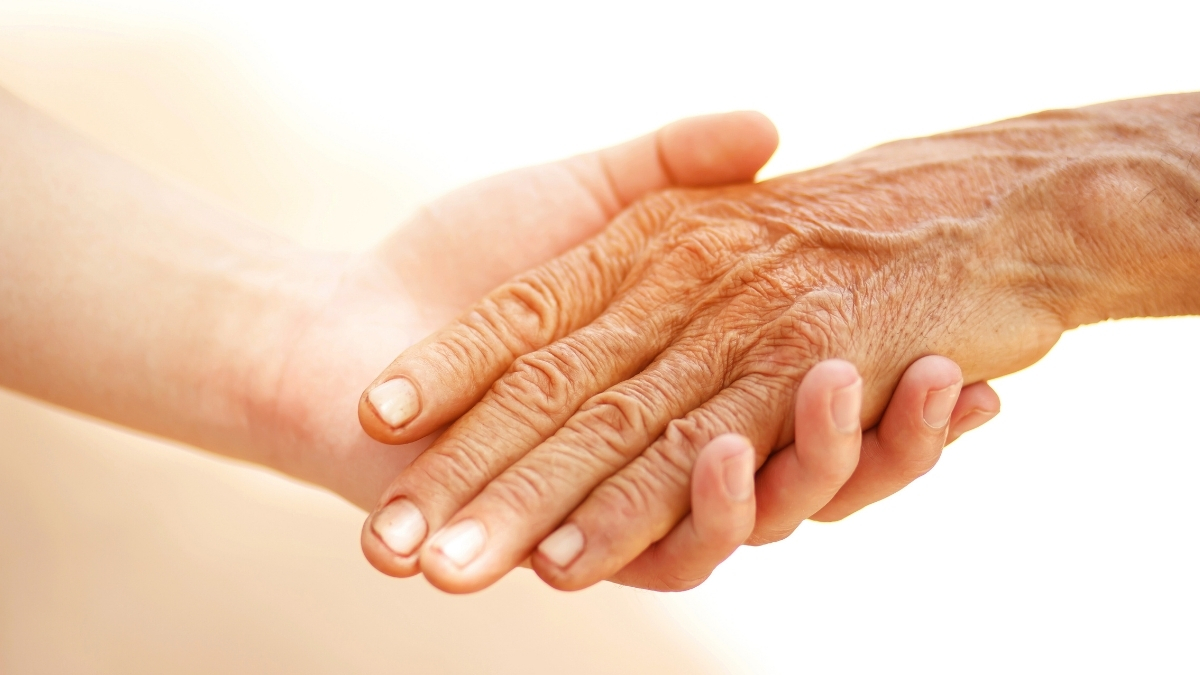
You can eat your greens, hit your step count, and still quietly sabotage your health in the one place many of us cut corners: sleep. A new longevity study highlighted by ScienceAlert suggests that how well and how long you sleep may predict your life expectancy even more powerfully than diet or exercise.
If you’ve ever stayed up late to “get more done” and told yourself you’ll catch up on sleep later, you’re not alone—and you’re not weak or lazy. You’re living in a culture that treats sleep like a luxury instead of a biological necessity. But biology always sends the bill.
In this guide, we’ll unpack what the latest research actually says, why insufficient sleep shortens lifespan, and—most importantly—practical, doable steps you can start tonight to protect your sleep and your long-term health.
The Critical Factor: Why Sleep May Predict Longevity Better Than Diet or Exercise
Researchers have been linking poor sleep to health problems for years: heart disease, type 2 diabetes, depression, cognitive decline, and weakened immunity, to name a few. The new analysis covered by ScienceAlert goes a step further, tying insufficient sleep duration and sleep quality directly to a lower life expectancy.
While individual studies differ in design, a consistent pattern has emerged across large populations:
- Sleeping much less than 7 hours per night is associated with a higher risk of early death.
- Regularly disrupted or fragmented sleep further increases that risk, even if total hours look “okay.”
- In some models that adjust for diet, exercise, weight, and smoking, sleep still stands out as a stronger or independent predictor of mortality.
“Sleep is not a passive state; it is an active biological process that restores the brain and body. Chronic sleep loss is now viewed as a major risk factor for premature mortality, comparable in magnitude to traditional lifestyle risks.”
— Summary of findings from large cohort sleep studies (e.g., European Heart Journal, Sleep, Lancet Neurology)
How Much Sleep Do You Really Need for Healthy Longevity?
Most adults know the “7–9 hours” rule, but debates about “short sleepers” and “I’m fine on 5 hours” can be confusing. Major sleep and public health organizations converge on similar recommendations:
- Adults 18–64 years: 7–9 hours per night
- Adults 65+ years: 7–8 hours per night
What longevity research consistently shows is a U-shaped curve:
- Sleeping around 7–8 hours is associated with the lowest risk of death.
- Short sleep (typically <6 hours) is consistently linked with higher risk.
- Very long sleep (9–10+ hours) can also be associated with higher risk, often as a marker of underlying illness.
Genetics do play a role. A tiny fraction of people are “true short sleepers” with rare gene variants who naturally thrive on less sleep. For most of us, functioning on 5–6 hours with caffeine and willpower is not the same thing as being optimally healthy.
Why Insufficient Sleep Damages Health and Shortens Lifespan
Sleep is not “time off.” During sleep, your brain and body perform essential maintenance. When sleep is too short or fragmented, several longevity pathways are affected:
- Cardiovascular strain
Short sleep raises blood pressure, increases heart rate variability, and promotes inflammation—contributing to heart disease and stroke risk. - Metabolic disruption
Sleep loss can make cells more insulin resistant, worsening blood sugar control and increasing risk of type 2 diabetes and weight gain. - Immune dysregulation
Even a single night of very short sleep can reduce immune cell function; chronic lack of sleep is linked to higher rates of infections and slower recovery. - Brain health and dementia risk
Deep sleep appears to help clear metabolic waste products from the brain. Persistent sleep disturbance is associated with a higher risk of cognitive decline and dementia. - Hormonal and mood effects
Sleep affects appetite hormones (ghrelin and leptin), stress hormones (cortisol), and neurotransmitters that stabilize mood, which collectively impact long-term mental and physical health.
“If we prioritize sleep as seriously as we do nutrition and exercise, we can meaningfully shift population risk for cardiovascular disease, diabetes, and neurodegenerative disorders.”
— Paraphrased from consensus statements by sleep medicine experts
A Real-Life Pattern: “I’ll Sleep When I’m Done”
Consider a common pattern I see in busy professionals and caregivers:
- Work or caregiving stretches into the evening.
- Late-night hours become the only “me time,” often filled with screens.
- Bedtime drifts later and later—midnight, then 1 a.m., then 2 a.m.
- Wake-up time stays fixed due to responsibilities.
On paper they “manage” on 5–6 hours. Over the years, subtle changes build:
- Blood pressure creeps up.
- Weight slowly increases despite similar eating habits.
- Mood becomes more irritable; focus feels harder.
- Lab work shows rising blood sugar or cholesterol.
When these individuals shift to a consistent 7–8 hours of sleep—often by protecting bedtime and reducing late-evening screen time—many report:
- More stable energy during the day.
- Better food choices without as much willpower.
- Improvement in blood pressure or metabolic markers over time (alongside medical care).
It’s not magic; it’s physiology finally getting the nightly restoration it has been missing.
Short Sleep vs. Healthy Sleep: A Simple Comparison
This simplified before/after view shows how changing sleep can align with healthier aging.
Chronic Short Sleep
- 5–6 hours per night
- Late, irregular bedtimes
- More cravings and weight gain risk
- Higher blood pressure and inflammation
- Impaired focus and memory
Consistent, Sufficient Sleep
- 7–8 hours per night
- Stable sleep–wake schedule
- Better appetite regulation
- Healthier blood pressure and glucose patterns
- Sharper cognition and mood stability
From Research to Reality: 7 Practical Steps to Sleep Better for Longer
You don’t need a perfect bedtime routine to benefit your health. Small, consistent shifts often make the biggest difference. Here are evidence-based steps you can start with:
- Protect a realistic sleep window
Aim for a 7.5–8.5 hour “sleep opportunity” (time in bed) to reliably get 7–8 hours of actual sleep. That might mean:- If you must wake at 6:00 a.m., target lights-out around 10:00–10:30 p.m.
- Block this time in your calendar like an essential meeting.
- Anchor your wake time (even on weekends)
A consistent wake time is one of the strongest signals for your body clock. Try to keep it within about an hour, even on days off, to avoid “social jet lag.” - Build a 30–60 minute wind-down routine
Shift from “work brain” to “sleep brain” with:- Dimmed lights.
- Low-stimulation activities (reading, stretching, light music).
- Journaling or planning tomorrow so your mind doesn’t race in bed.
- Mind your light exposure
- Daytime: Get natural light within 1–2 hours of waking to strengthen your circadian rhythm.
- Evening: Reduce bright and blue light from screens 1–2 hours before bed. Use warm light settings or night modes if you must use devices.
- Watch caffeine, alcohol, and heavy meals
- Limit caffeine within 6–8 hours of bedtime (earlier if you’re sensitive).
- Avoid large, heavy meals right before bed; aim for lighter snacks if you’re hungry.
- Alcohol may help you fall asleep but often fragments sleep and reduces deep sleep.
- Optimize your sleep environment
A cool, dark, quiet room supports deeper sleep:- Consider blackout curtains or an eye mask.
- Use earplugs or a white noise machine if noise is an issue.
- Keep the room slightly cool; many people sleep best around 18–20°C (64–68°F), adjusting for comfort.
- Use your bed mainly for sleep (and intimacy)
Working, scrolling, or watching intense shows in bed can train your brain to associate the bed with wakefulness. Try to reserve it primarily for sleep.
“It Sounds Great, But…” Common Sleep Obstacles and Real-World Solutions
Life is complicated. Shift work, parenting, caregiving, and chronic conditions can make ideal sleep feel out of reach. Here’s how to work with reality, not against it.
1. “I have young kids / caregiving duties.”
You may not control nighttime awakenings, but you can:
- Go to bed earlier on average, recognizing this is a season where extra buffer time matters.
- Share night duties when possible, alternating nights or splitting the night into shifts.
- Avoid sacrificing the first part of the night to screens—the deepest, most restorative sleep often happens earlier.
2. “Work schedules or shifts are unpredictable.”
For shift workers, perfect alignment with natural rhythms isn’t possible, but:
- Protect at least one consistent “anchor” sleep block after your main work period.
- Use blackout curtains and eye masks to sleep during the day.
- Avoid heavy caffeine late in your shift so you can wind down afterward.
3. “I can’t fall asleep; my mind won’t shut off.”
Racing thoughts are common. Helpful options include:
- Keeping a notepad by the bed to offload worries or to-dos.
- Trying guided relaxation or breathing exercises (e.g., slow 4–6 breaths per minute).
- Getting out of bed if you’re awake >20 minutes; do a quiet, low-light activity until you feel sleepy again. This is part of a proven method called cognitive behavioral therapy for insomnia (CBT‑I).
What Healthy Sleep Looks Like in Everyday Life
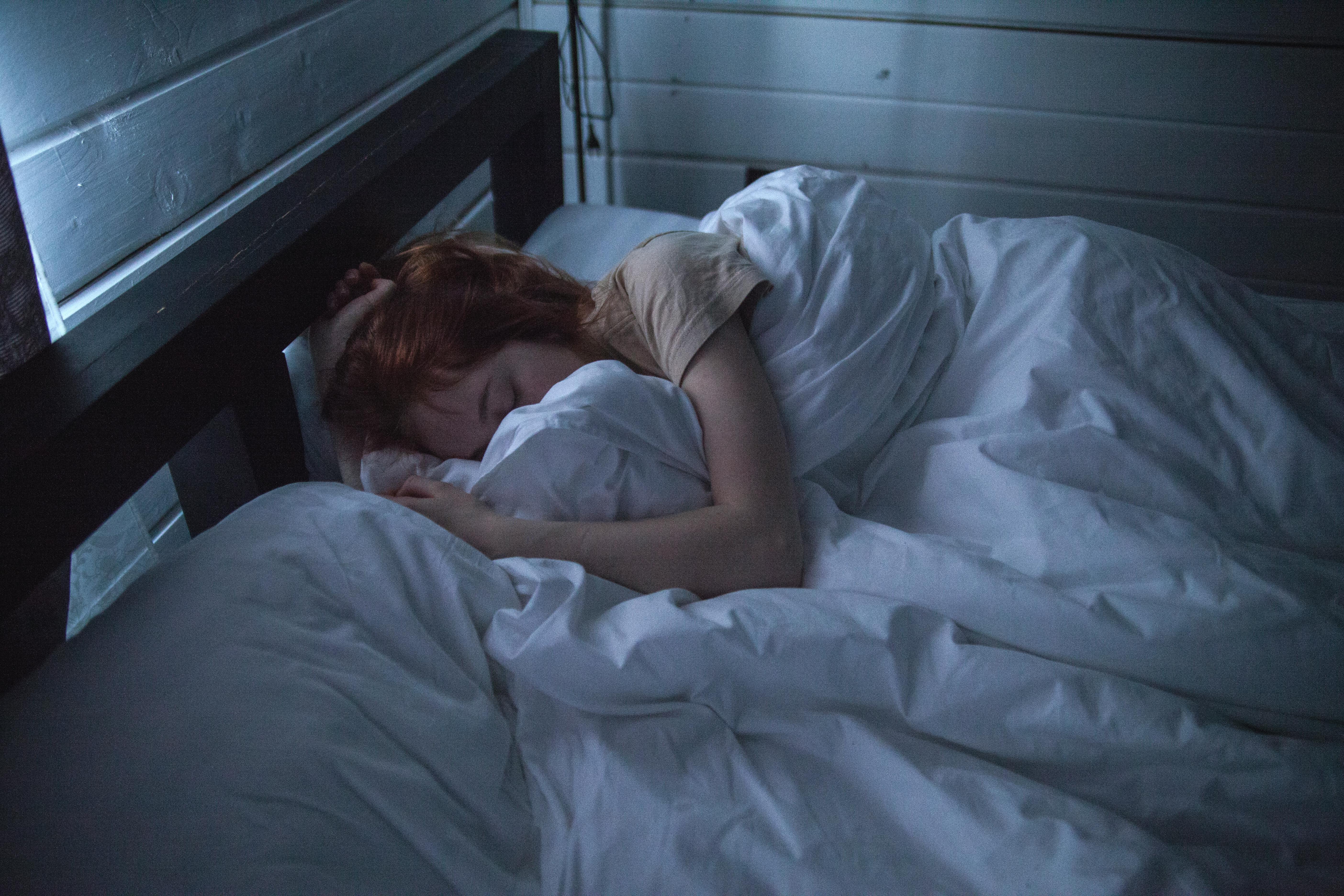
These scenes represent realistic, not perfect, sleep-supporting habits that align with better health and longevity.

What the Science Says: Key Research on Sleep and Longevity
Dozens of cohort studies and meta-analyses now connect sleep duration and sleep quality with mortality. While we can’t review them all here, several consistent themes emerge:
- Short sleep and all-cause mortality: Large population studies have found that chronically sleeping <6 hours per night is associated with increased risk of death from all causes combined, even after adjusting for some lifestyle factors.
- Sleep and cardiovascular disease: Both short and very long sleep durations are associated with higher risk of heart disease and stroke, supporting the “U-shaped” pattern.
- Sleep quality matters too: Fragmented sleep, insomnia symptoms, and disorders like sleep apnea independently raise health risks beyond sleep duration alone.
For readers who like to dive deeper, look for reviews in reputable journals such as Sleep, European Heart Journal, and Lancet Neurology, as well as public health summaries from organizations like:
- The American Academy of Sleep Medicine (AASM)
- The Centers for Disease Control and Prevention (CDC) sleep and chronic disease pages
- National Institutes of Health (NIH) resources on sleep and aging
Bringing It Home: Your Next Right Step for Sleep and Longevity
The emerging message from longevity research is clear: sleep is not optional recovery time you squeeze in around “real life.” It is foundational biology that shapes your heart health, metabolism, brain function, and ultimately, how long—and how well—you live.
You don’t need to overhaul your life overnight. Instead, choose one concrete action you can take in the next 24 hours:
- Set a gentle alarm to remind you to start winding down tonight.
- Pick a consistent wake time and stick to it for one week.
- Turn off bright screens 30 minutes earlier than usual.
Over weeks and months, these small shifts compound into real physiological benefits. Your future self—clearer-minded, more energetic, and better protected against chronic disease—depends on the choices you make night after night.
If you’re concerned about your sleep or suspect a sleep disorder, reach out to a healthcare professional or sleep specialist. Partnering with an expert is not a sign of failure; it’s a smart investment in your long-term health and longevity.
