
The Hidden Evolution in Aging Sperm: What Every Man Needs to Know About Genetic Risk
As scientists uncover how sperm from older men accumulate harmful genetic mutations faster than expected, many people are understandably worried about what this means for fertility, pregnancy, and the long-term health of future children. If you or your partner are thinking about having kids later in life, it can feel overwhelming to balance career, finances, and personal readiness with concerns about “too late” for healthy sperm.
Recent coverage in outlets like SciTechDaily highlights a “hidden evolution” taking place inside aging sperm: as men grow older, certain mutations quietly become more common, potentially raising genetic risks for the next generation. That sounds alarming—but the real story is more nuanced, and importantly, there are practical, evidence-based steps men can take at any age.
In this guide, we’ll unpack what researchers are learning about aging sperm and mutations, what that means in real-world terms, and how to protect your reproductive health without panic or guilt.
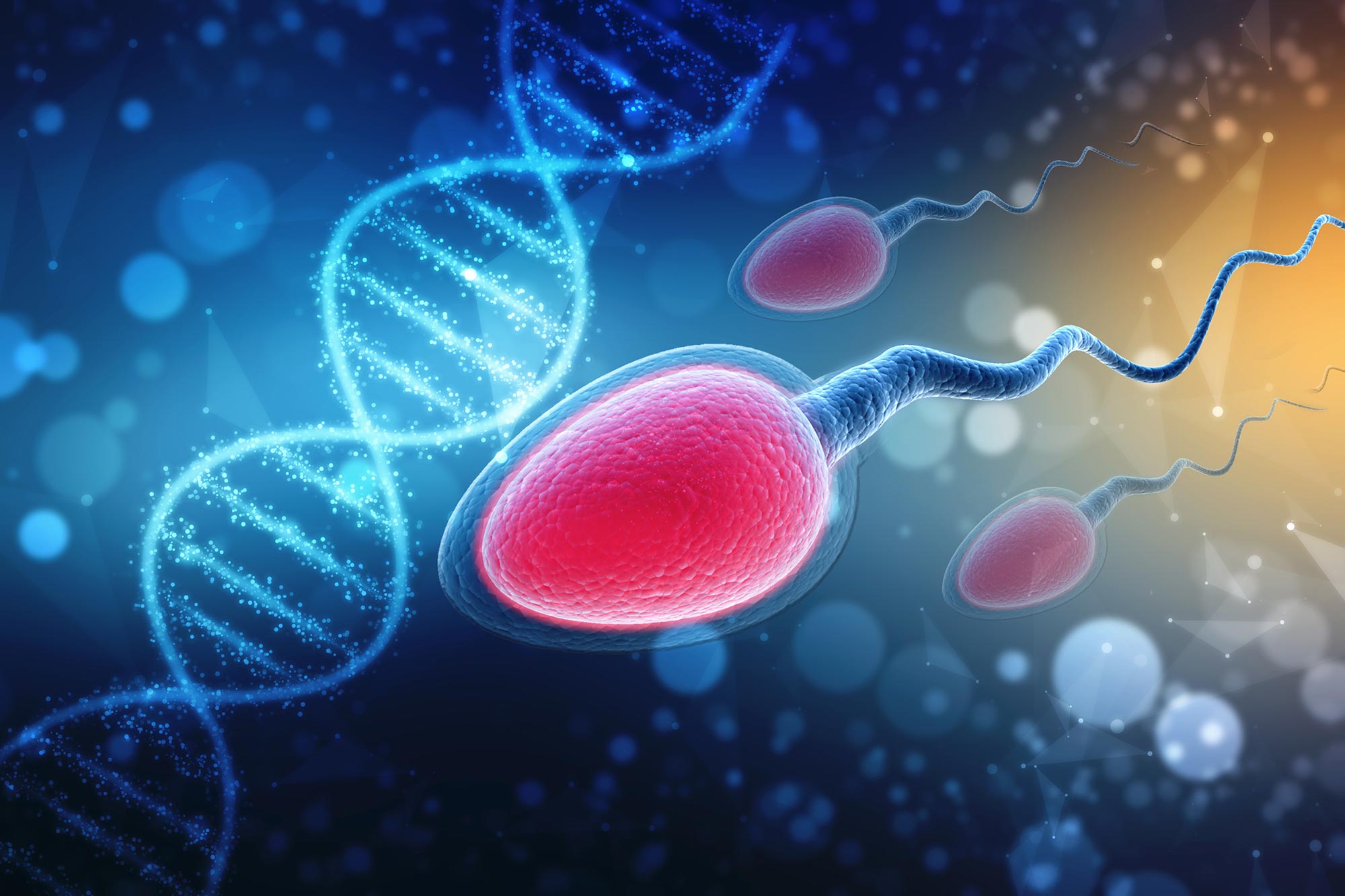
“We’ve long known that paternal age matters. What’s new is just how dynamic sperm DNA appears to be over a man’s lifetime—and how specific mutations can quietly expand with age.”
— Reproductive genetics researcher, commentary on recent sperm mutation studies (2024–2025)
What Is the Problem? Aging Sperm and Faster-Than-Expected Mutations
The central finding from recent research is this: as men age, their sperm cells don’t just passively collect random errors—some harmful genetic mutations actually become more frequent in the sperm population than scientists previously expected.
That happens because sperm are constantly being produced from stem cells in the testes. Every time those cells divide, there’s a chance for:
- New DNA copying errors (de novo mutations) to appear.
- Existing mutations in certain stem cells to be passed on again and again.
- Some mutated cells to gain a slight growth advantage, creating tiny “clones” of sperm with the same mutation—sometimes called selfish mutations.
The SciTechDaily report summarizes work showing that these age-related changes in sperm DNA are more common and more complex than we thought, meaning paternal age can subtly shape the genetic risk landscape for children.
How Aging Changes Sperm DNA: A Simple Breakdown
To understand the new findings, it helps to know what’s happening in a man’s testes across decades of life. Unlike women, who are born with all their eggs, men continually produce sperm from a pool of stem cells.
- Constant cell division: Spermatogonial stem cells divide throughout life to make new sperm. Each division risks a small DNA copying error.
- Accumulating mutations: Over years, these errors accumulate. Most are harmless, but some affect important genes involved in brain development, growth, or cancer risk.
- “Selfish” mutants: If a mutation gives a stem cell a growth edge, its descendants become overrepresented in sperm, magnifying that mutation’s presence.
- Higher mutation load with age: By the time a man reaches his 40s, 50s, and beyond, his sperm typically carry more new mutations on average compared with sperm from his younger years.
Recent high-resolution sequencing studies (2023–2025) have shown that:
- The number of de novo mutations in children rises steadily with paternal age.
- Certain mutations recurred in sperm from multiple older men, suggesting selection-like processes in the testes.
- Some of these recurrent mutations are linked to developmental disorders and cancer predisposition.

What Does This Mean for Children’s Health and Pregnancy?
The main concern with faster-than-expected sperm mutations is their potential impact on:
- Fertility and miscarriage risk
- Developmental and neurodevelopmental conditions
- Certain childhood diseases and cancer predisposition
Large epidemiological studies over the past decade have found associations between higher paternal age and:
- Slightly increased risk of autism spectrum disorder and some schizophrenia-spectrum disorders.
- Higher odds of certain single-gene disorders (like achondroplasia) that arise from new mutations.
- Subtle increases in pregnancy complications and miscarriage, though maternal factors remain dominant.
These are population-level trends. Many children of older fathers are entirely healthy, and many conditions linked to paternal age remain rare.
“When I counsel couples, I stress that paternal age shifts probabilities, not destinies. Our goal is informed choice, not fear.”
— Clinical genetic counselor, university hospital fertility clinic (2024)
A Real-World Scenario: Planning a Family in Your 40s
Consider “Mark,” a 42-year-old software engineer who has focused on building his career and financial stability. He and his partner are now ready to try for a baby. After reading headlines about aging sperm and mutations, he feels anxious and wonders if it’s already “too late” for a healthy child.
When Mark meets with a reproductive endocrinologist and a genetic counselor, they walk him through the evidence:
- Yes, his age means slightly higher odds of new mutations in sperm compared with his 20s.
- The absolute risk of severe genetic conditions remains relatively low.
- They can offer expanded carrier screening, and if needed, options like IVF with preimplantation genetic testing (PGT) for certain known conditions.
- They also review lifestyle changes to support his sperm health and overall wellness.
Mark leaves the appointment feeling better informed. He still takes the issue seriously, but instead of panicking, he focuses on concrete steps and shared decision-making with his partner.
Can Men Slow Sperm DNA Damage? Evidence-Based Lifestyle Steps
No lifestyle change can fully erase the effects of age on sperm DNA. However, several factors are consistently linked with better sperm quality—especially DNA integrity and lower oxidative stress, which is a major driver of mutations.
Research up to 2025 supports focusing on these core areas:
- Quit smoking and limit alcohol
- Smoking is strongly associated with increased sperm DNA fragmentation and oxidative damage.
- Excessive alcohol intake impairs testosterone levels and sperm production.
- Support a Mediterranean-style diet
- Emphasize vegetables, fruits, whole grains, olive oil, legumes, nuts, and fish.
- These foods provide antioxidants (like vitamins C and E, carotenoids, and polyphenols) that may help protect sperm DNA from oxidative stress.
- Maintain healthy body weight and regular exercise
- Obesity is linked to poorer sperm parameters and hormonal imbalance.
- Moderate exercise improves metabolic health and may reduce oxidative damage.
- Avoid excessive heat and toxins to the testes
- Prolonged hot-tub use, heat exposure, or laptop use directly on the lap can raise testicular temperature.
- Occupational exposures (solvents, pesticides, heavy metals) may harm sperm; use recommended protective equipment.
- Manage chronic conditions
- Diabetes, untreated varicoceles, and significant sleep apnea are all associated with poorer sperm quality.
- Work with a healthcare provider to optimize treatment before trying to conceive.

Medical Options for Older Fathers: From Testing to Assisted Reproduction
For men and couples who are older or have known risk factors, medical tools can help clarify and sometimes reduce genetic risk. The right choices depend on your history, age, and comfort with different interventions.
1. Preconception counseling
A visit with a reproductive endocrinologist, urologist, or genetic counselor can:
- Review personal and family history for inherited conditions.
- Discuss paternal age and realistic risk estimates.
- Identify medications, exposures, or conditions that might be optimized before conception.
2. Carrier screening
Expanded carrier screening tests whether either partner carries certain recessive or X-linked genetic variants. This doesn’t directly measure new mutations in sperm but can reveal background genetic risks that might be more important than age alone.
3. Advanced sperm testing
Some clinics offer tests of sperm DNA fragmentation or oxidative stress. While these tests can provide extra information, their role in routine care is still evolving, and they don’t directly count individual mutations.
4. IVF and preimplantation genetic testing (PGT)
For couples with known risks or infertility, IVF with PGT can:
- Screen embryos for specific known mutations (PGT-M).
- Assess chromosome number (PGT-A), which is more commonly used for maternal age–related risks but may also be informative for older couples generally.
It’s important to understand that PGT does not screen for every possible mutation and cannot guarantee a completely risk-free pregnancy.

Common Emotional and Practical Obstacles—and How to Navigate Them
Learning about aging sperm and genetic risks can stir up strong emotions: guilt, fear, regret, or pressure to rush big life decisions. These feelings are valid—and you don’t have to navigate them alone.
1. “Did I wait too long?”
Many men worry they’ve missed some invisible deadline. In reality, there is no universal “cut-off” age for fatherhood. Instead of asking if it’s “too late,” a more useful question is:
“Given my age and circumstances, what steps can I take to support the healthiest possible pregnancy and child?”
2. Balancing career, finances, and biology
It’s normal to delay parenthood for education, career, or financial stability. Rather than framing this as a “mistake,” think in terms of trade-offs. You can:
- Seek expert advice earlier rather than later.
- Consider spacing or timing that fits your values and health status.
- Communicate openly with your partner about hopes, fears, and options.
3. Information overload and anxiety
The internet can amplify worst-case scenarios. To keep anxiety manageable:
- Rely on trusted sources (academic centers, national health agencies, professional societies).
- Limit time spent reading forums or anecdotal stories that may not represent average outcomes.
- Ask healthcare providers to put numbers in plain-language terms (“1 in X chance,” “small increase,” etc.).
What the Latest Science (Up to 2025) Really Says
As of late 2025, here is a cautious, science-based summary of where things stand regarding aging sperm and mutations:
- Paternal age is a real, measurable factor. The number of de novo mutations in a child’s genome increases primarily with the father’s age, reflecting lifelong sperm production.
- Some mutations expand in sperm with age. Detailed studies of sperm and testicular tissue show clonal expansions of certain mutations, some linked to developmental disorders and rare cancers.
- Absolute risks remain modest for most men. While relative risk increases with age, the chance of a serious disorder from new mutations is still relatively low for many individuals.
- We can’t test or prevent every mutation. Technology is improving but doesn’t allow complete “screening” of all possible age-related sperm mutations for routine clinical use.
- Lifestyle and general health still matter. Healthier men tend to have better sperm parameters and perhaps lower DNA damage, even if age-related mutation patterns cannot be fully reversed.

Practical Checklist: What Men Can Do at Different Ages
While everyone’s situation is unique, these age-based considerations can help you think ahead. They are guidelines, not rigid rules.
In your 20s–early 30s
- Build healthy habits (diet, exercise, sleep, no tobacco, moderate alcohol).
- Protect against sexually transmitted infections, which can impact fertility.
- If you know you may want to delay fatherhood significantly, you can ask about sperm banking—but it isn’t necessary for most men.
Mid-30s to mid-40s
- Get a baseline health check, including blood pressure, metabolic markers, and if needed, hormone levels.
- Discuss timing with your partner and, if concerned, consider preconception counseling.
- Address any chronic conditions or environmental exposures that could affect sperm quality.
Mid-40s and beyond
- Talk with a clinician about paternal age–related risks in more detail.
- Consider genetic counseling, especially if there is a family history of genetic or developmental disorders.
- If fertility challenges arise, explore semen analysis and, if appropriate, advanced reproductive options.
Moving Forward with Informed Confidence
Aging sperm and faster-than-expected mutations are part of a complex, evolving story in reproductive genetics. The science clearly shows that paternal age influences the number and type of mutations passed to children—but it does not say that men above a certain age cannot or should not have kids.
Instead of fear, the research invites informed action:
- Take care of your overall health and lifestyle.
- Seek professional guidance if you’re older or have specific concerns.
- Use available testing and reproductive technologies thoughtfully, not reflexively.
- Remember that risk is about probabilities, not guarantees, and that perfect certainty is never possible in biology.
If you and your partner are considering pregnancy—now or in the future—the most empowering next step is simple: have a conversation with a qualified healthcare provider who understands both fertility and genetics. Bring your questions, your fears, and your hopes. You deserve clear, compassionate information to support whatever path to parenthood is right for you.
You don’t need to navigate the hidden evolution inside sperm alone. Knowledge, support, and careful planning can help you move forward with both realism and hope.
