
Dermatologists Say Your Washcloth Is Gross: The Gentle Alternative Your Skin Will Love
You might be doing everything “right” with your skin care routine—double cleansing, using actives, moisturizing religiously—yet still dealing with breakouts, sensitivity or that persistent “rough” feel after you wash. One sneaky culprit dermatologists often point to? The humble washcloth.
Washcloths feel familiar and convenient, but they’re also perfectly designed to collect dead skin cells, oil and bacteria. Unless they’re cleaned and replaced often, you may be wiping yesterday’s grime right back onto your freshly cleansed face.
In this guide, we’ll walk through why many dermatologists are done with traditional washcloths, the gentle product types they recommend instead, and how to transition your routine without sacrificing that clean, refreshed feeling you love.
Why Dermatologists Say Your Washcloth Might Be Gross
A classic cotton washcloth seems harmless, but from a skin-health perspective, it can be a problem when it’s:
- Used multiple times before washing
- Left damp in the shower, where bacteria and mildew thrive
- Rough or textured enough to scratch and inflame the skin
- Shared between family members
“Anything that stays damp and touches your face repeatedly can become a bacterial playground,” explains a board-certified dermatologist quoted in recent coverage on facial cleansing habits. “That includes loofahs, washcloths and some reusable makeup sponges.”
Research on household textiles shows that moist fabrics can quickly accumulate microbes associated with skin infections. While that doesn’t mean everyone will break out, it does raise the risk for:
- Acne flare‑ups, especially around the cheeks and jawline
- Folliculitis (inflamed hair follicles that can mimic acne)
- Increased redness and stinging in people with rosacea or sensitive skin
- Barrier disruption, which can worsen dryness and irritation
The Gentle Cleansing Products Dermatologists Prefer
Instead of a traditional washcloth, many dermatologists now recommend products that are:
- Soft and non-abrasive
- Quick-drying or single-use
- Easy to wash thoroughly or dispose of
- Designed specifically for the more delicate facial skin
Common dermatologist-approved alternatives include:
- Clean fingertips plus a gentle, pH-balanced cleanser
- Soft, microfiber or muslin facial cloths designed for sensitive skin
- Disposable, biodegradable cleansing cloths or “facial tissues” (not makeup wipes)
- Silicone cleansing pads with ultra-soft nubs
Option 1: The Clean Hands Method (Backed by Dermatologists)
Many skin experts now say you don’t need a tool at all. Your clean fingertips, plus a well-formulated cleanser, are often enough for a thorough cleanse—especially in the morning.
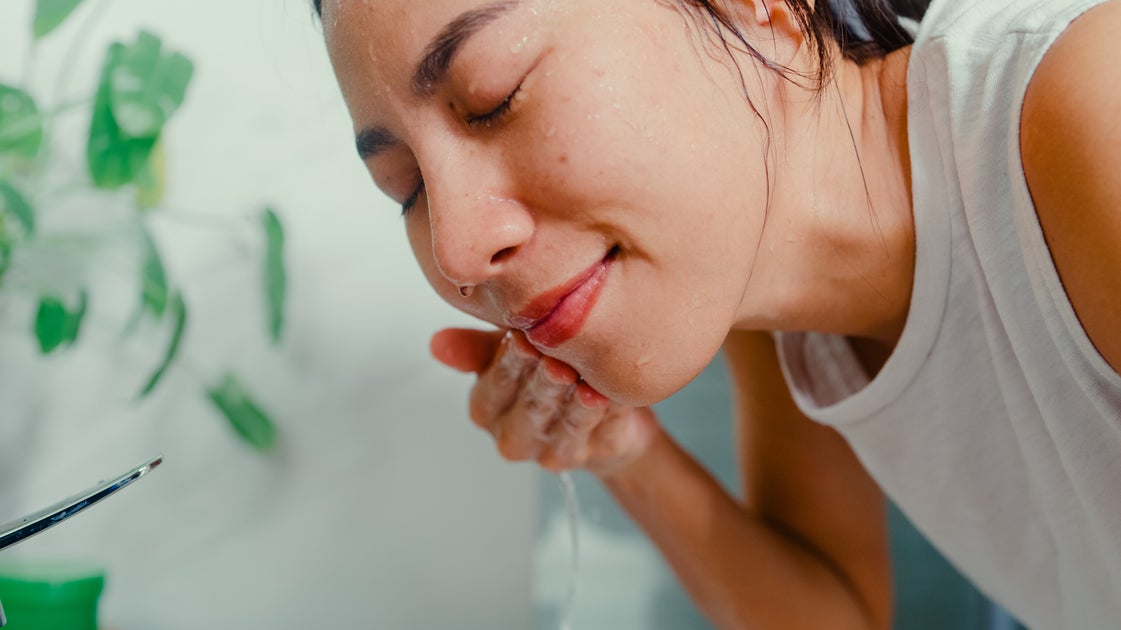
How to wash your face with just your hands
- Wash your hands thoroughly with soap and water for at least 20 seconds.
- Wet your face with lukewarm (not hot) water.
- Apply a nickel-sized amount of gentle cleanser to your fingertips.
- Massage in small, circular motions for 30–60 seconds—no scrubbing.
- Rinse thoroughly, then pat (don’t rub) dry with a clean, soft towel.
For most people, this removes sweat, daily grime and sunscreen without the friction and bacterial buildup risks of a reusable cloth.
Option 2: Ultra-Soft Reusable Facial Cloths
If you love the feeling of a cloth, dermatologists generally prefer very soft, tightly woven options, such as microfiber or muslin facial cloths. These are designed to be gentler than standard terry washcloths while still offering light, mechanical cleansing.

How to use them safely
- Use a fresh cloth each time you wash your face.
- Rinse immediately after use and let it dry completely in a well-ventilated area.
- Machine wash in hot water at least once a week, more often if you have acne-prone skin.
- Avoid fabric softener, which can leave residue that may irritate skin.
A reviewer of one popular dermatologist-favored cleansing cloth wrote, “I will purchase these for the rest of my life. They remove my makeup without tugging, and my breakouts calmed down once I stopped using my old washcloths.”
Option 3: Disposable & Silicone Tools That Stay Cleaner
If you’re acne-prone or worried about bacteria, products that don’t hold moisture long-term can be good options.
Biodegradable disposable cleansing cloths
These look like thin facial tissues or compressed towels that you wet with water or cleanser. Because they’re single-use, they don’t sit damp in your bathroom collecting microbes.
- Look for “biodegradable” or “compostable” to reduce waste.
- Avoid pre-soaked cleansing wipes that contain heavy fragrance or harsh preservatives.
- Use light pressure only; they’re for gentle wiping, not scrubbing.
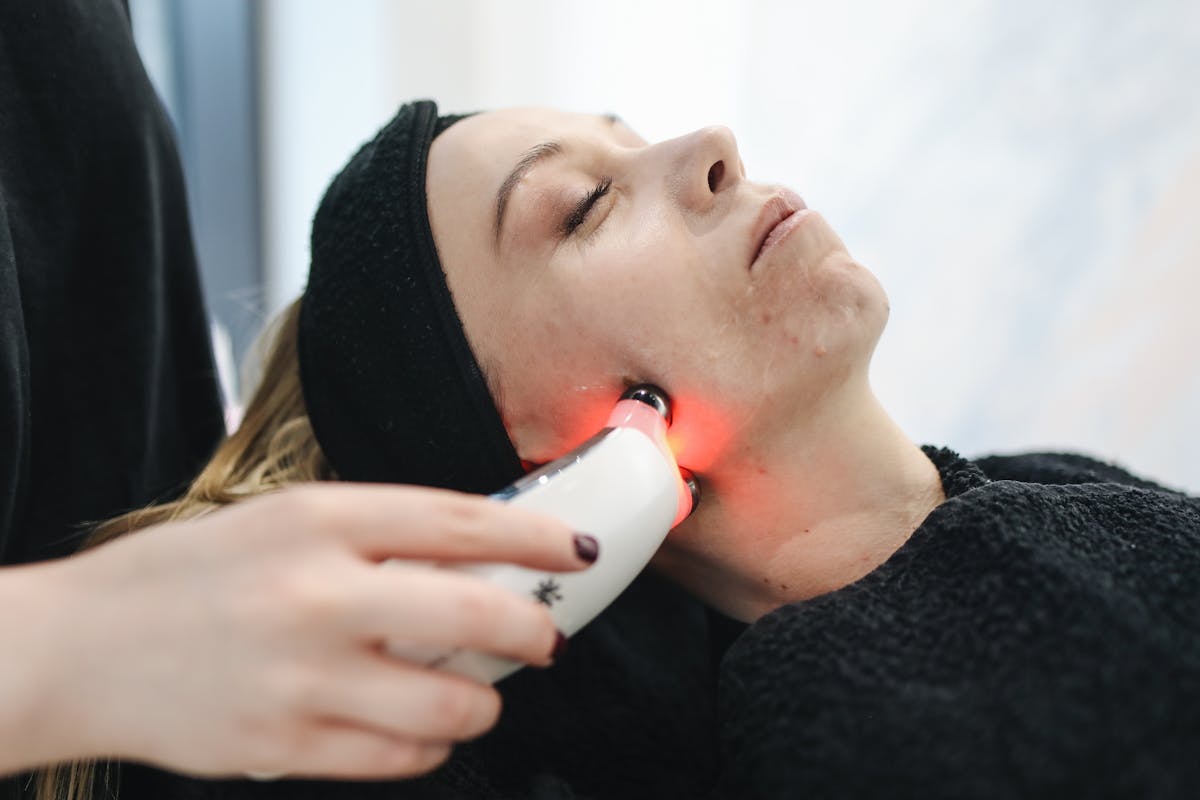
Soft silicone cleansing pads
These are small, flexible pads with tiny silicone bristles. Silicone is non-porous, so it doesn’t absorb water the way fabric does and can be easier to clean thoroughly.
To keep them skin-safe:
- Disinfect with gentle soap and hot water after every use.
- Allow to air dry fully in an open, clean area.
- Limit use to a few times a week if your skin is sensitive.
Before vs. After: How Swapping Your Washcloth Can Change Your Skin
The change may be subtle at first, but many people notice real benefits over several weeks after ditching rough, overused washcloths.


In my work with clients who struggle with stubborn breakouts, one of the smallest but most impactful changes has been upgrading their cleansing textiles. Simply:
- Retiring all old, rough washcloths
- Switching to clean hands or soft facial cloths
- Using a fresh towel just for the face
often coincides with fewer new clogged pores along the jawline and cheeks within 4–6 weeks—especially when combined with a consistent, dermatologist-guided routine. Of course, acne has many causes, and no single change can guarantee clear skin, but reducing avoidable irritation and bacteria exposure is a smart, low-risk step.
How to Gently Transition Away from Your Old Washcloth
If you’ve used a washcloth for years, changing your routine can feel strange. You don’t have to overhaul everything overnight; small tweaks add up.
Step-by-step plan
- Week 1: Use your washcloth only at night, and rely on clean hands in the morning.
- Week 2: Replace your old washcloth with a softer facial cloth or clean hands at both cleanses.
- Week 3: Add a dedicated “face only” towel for patting dry and wash it every 2–3 uses.
- Week 4: Evaluate your skin—look for less redness or “tight” feeling after washing.
Common Obstacles (And How to Overcome Them)
“My skin doesn’t feel clean without scrubbing.”
That “squeaky clean” feel is often a sign of over-stripping your skin. Instead of more friction, focus on:
- Using enough cleanser and massaging for a full 60 seconds
- Choosing a formula designed for your skin type (gel for oily, cream for dry, etc.)
- Double cleansing on heavy makeup or sunscreen days
“I don’t have time to wash towels constantly.”
Try:
- Keeping a small stack of inexpensive, soft facial cloths and rotating through them
- Letting them air dry fully, then washing in a lingerie bag with your regular laundry
- Using biodegradable single-use cloths when you’re traveling or exhausted
“I’m worried about waste with disposable products.”
That concern is valid. If sustainability is a priority for you:
- Choose high-quality, reusable facial cloths and care for them well so they last longer.
- Reserve disposable options for flare-ups, travel or post-procedure times.
- Look for certifications on biodegradable or compostable materials where possible.
What Science and Skin Experts Say
While there aren’t large clinical trials on “washcloth vs. no washcloth,” the advice to minimize rough, bacteria-harboring fabrics on the face is consistent with:
- American Academy of Dermatology guidance on caring for sensitive skin , which recommends gentle cleansing and avoiding harsh scrubs.
- Research on the skin barrier and microbiome , highlighting the role of minimal irritation and balanced cleansing.
- Infection-control principles from organizations like the CDC , which caution that damp textiles can harbor microbes.
That doesn’t mean every washcloth user will end up with acne or irritation, but if your skin is already reactive—or you’re doing everything else “right” and still struggling—your cleansing textiles are a smart, evidence-aligned place to experiment.
Treat Your Skin As Gently As You Treat the Rest of Your Routine
You invest time and money into serums, moisturizers and sunscreen—but the way you wash your face can make or break how well those products work. A rough, bacteria-laden washcloth doesn’t deserve the final say in your routine.
You don’t need to be perfect or buy every new gadget. Start with one simple shift:
- Retire your oldest, roughest washcloths.
- Choose one gentler option—clean hands, a soft facial cloth, or a hygienic tool.
- Give your skin 4–6 weeks and notice how it responds.
If you’re dealing with persistent acne, redness or sensitivity, partner with a board-certified dermatologist. Share exactly how you cleanse, including what you use to physically wash your face and dry it. Those small details can help fine-tune a routine that truly supports your skin, not works against it.
Your skin doesn’t need harsh scrubbing to be clean—it needs consistency, gentleness and tools that stay as fresh as the face you’re trying to care for.
