
Stop Stink Bugs from Wrecking Your Garden: Simple, Safer Ways to Protect Your Plants
Warmer winters and longer growing seasons mean more garden pests, and stink bugs have become one of the most frustrating invaders for home gardeners, damaging fruits, vegetables and ornamentals with their piercing-sucking mouthparts. This guide explains what stink bugs are, how to recognize their damage, and how to protect your garden using practical, mostly non-chemical strategies that are backed by current research.
If you’ve walked out to admire your tomatoes or beans only to find mottled, sunken spots and distorted fruit, you’re not alone. Gardeners across the U.S., including the Pacific Northwest, are reporting more “pest pressure” as our climate warms, and stink bugs are taking full advantage.
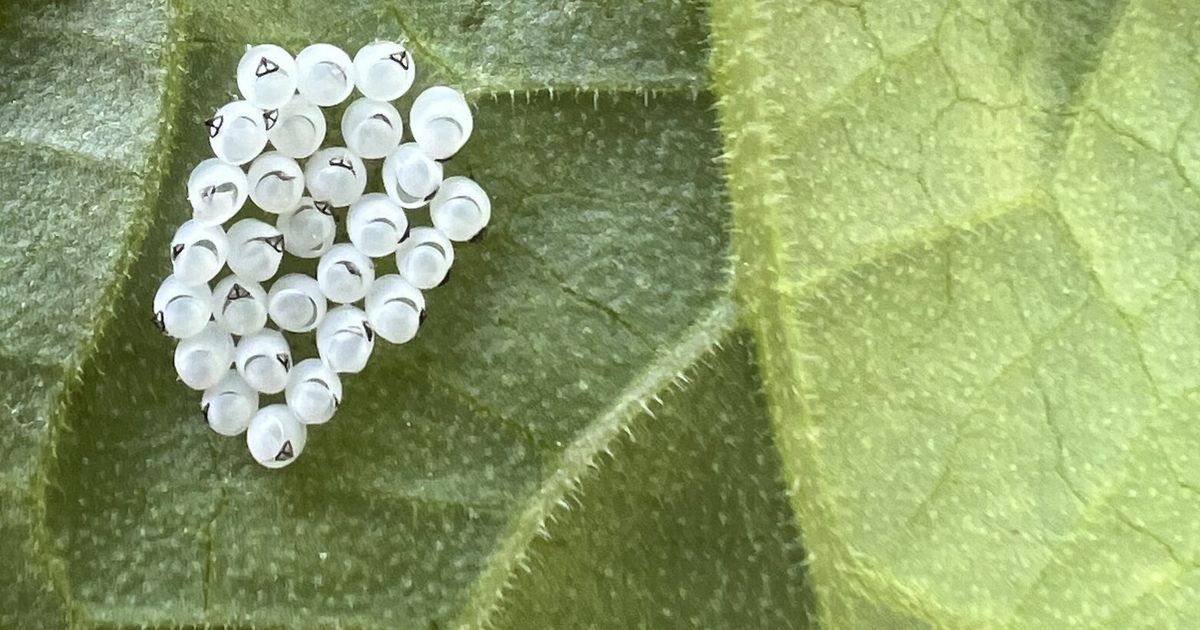
A tiny, stinky bug with an outsized impact
Stink bugs don’t just smell bad when disturbed; they can quietly devastate entire beds of tomatoes, peppers, beans and fruits. The good news is that you don’t have to drench your garden in chemicals to fight back. With a mix of smart monitoring, physical barriers and targeted controls, you can dramatically reduce stink bug damage while still supporting a healthy garden ecosystem.
“The brown marmorated stink bug has become one of the most significant invasive pests in U.S. specialty crops, but integrated pest management can keep it in check for home gardeners.”
— Based on guidance from USDA & university extension entomologists
Why are stink bugs getting worse in home gardens?
Gardeners from Seattle to the East Coast have noticed the same pattern: pests that used to die back in winter are now surviving and even thriving. Stink bugs are especially good at taking advantage of this shift.
- Warmer winters: More adults survive the cold, leading to larger spring populations.
- Longer growing seasons: In some regions, they can squeeze in additional generations.
- Urban and suburban habitats: Houses, sheds and garages offer perfect overwintering shelters.
- Few natural enemies (for invasives): The invasive brown marmorated stink bug (BMSB) outpaces native predators and parasites in many areas.
How to identify stink bugs and their damage
Not every shield-shaped insect in your garden is a villain. Some similar-looking bugs are actually beneficial predators. Correctly identifying stink bugs is the first step to choosing the right control strategy.

Key features of common garden stink bugs
- Shape: Shield-shaped, somewhat flattened body, usually 0.5–0.7 inches (12–17 mm) long.
- Color: Brown marmorated stink bugs are mottled brown/gray with white banding on antennae and edges of the abdomen.
- Odor: When handled or crushed, they release a distinctive, pungent “cilantro-like” or sharp, musty smell.
- Eggs: Barrel-shaped, pale green or white eggs laid in tight clusters on leaf undersides.
- Nymphs: Smaller, often more colorful (reddish, orange or black) with similar shield-like bodies that change as they molt.
How stink bug damage looks on plants
Stink bugs use piercing-sucking mouthparts to feed on plant juices, which leads to:
- Fruits and veggies: Corky, sunken, or cloudy spots; catfacing on tomatoes; misshapen peppers and apples; “spongy” areas under the skin.
- Leaves: Small yellow or white stippling; small necrotic (dead) patches; sometimes leaf distortion on young growth.
- Seeds and pods: Poorly filled beans or peas, aborted seeds, and discolored pods.
A real-world example: Turning a “stink bug season” around
A home gardener in the Seattle area shared that in 2023, nearly every tomato in her raised beds had pale, hard spots just under the skin. At first, she blamed blossom end rot. After watching closely at dusk, she noticed several brown marmorated stink bugs perched on the fruit.
The next season, she made three changes:
- Installed fine insect netting over her tomato and pepper beds early in the season.
- Removed weedy edges and volunteer tree seedlings along the fence that had been harboring bugs.
- Hand-picked and dropped any stink bugs she saw into a bucket of soapy water.
Her total tomato harvest went up, and the number of damaged fruits dropped dramatically. She still saw an occasional stink bug, but the damage was manageable—an excellent example of what integrated pest management (IPM) can achieve in a home garden.
Integrated pest management for stink bugs: Layered protection that works
The most sustainable and effective way to protect your garden from stink bugs is through an integrated pest management (IPM) approach. Instead of relying on a single spray, IPM stacks multiple strategies:
- Monitoring and early detection
- Cultural controls (how you plant and maintain the garden)
- Physical and mechanical controls (barriers and hand removal)
- Biological controls (beneficial insects and natural enemies)
- Targeted chemical options only when truly necessary
“Home gardeners can significantly cut stink bug damage without broad-spectrum insecticides by combining exclusion, hand removal and conservation of natural enemies.”
— Summary of recommendations from multiple U.S. university extension services
Step 1: Monitor early and often so you can act fast
Stink bugs are easiest to control when populations are still small. Regular monitoring helps you catch problems before the damage explodes.
Practical monitoring tips
- Check at the right time: Look for bugs early in the morning and in the evening, when they’re less active and easier to spot.
- Inspect high-risk crops: Tomatoes, peppers, beans, corn, berries and tree fruits are favorites.
- Look under leaves: Search for egg clusters on the undersides of leaves and on stems.
- Use simple beating sheets: Hold a light-colored tray or sheet under a branch or plant and gently tap; dislodged bugs will drop onto it.
Step 2: Cultural controls – make your garden less welcoming
Cultural controls are small shifts in how you design and maintain your garden that reduce stink bug habitat and food sources.
Garden clean-up and habitat management
- Remove overwintering spots: Clear piles of boards, unused pots and dense weeds near your beds where stink bugs might hide.
- Manage weedy borders: Many weeds serve as alternative hosts; trimming back edges can cut local populations.
- Rotate crops: Avoid planting highly susceptible crops (like tomatoes and peppers) in the same spot every year.
Planting strategies that help
- Stagger planting dates: If possible, try early and slightly later plantings. Sometimes avoiding peak stink bug periods reduces losses.
- Diversify plantings: Mixed plantings can make it harder for pests to find their favorite crops and support a wider range of beneficial insects.
- Healthy soil, healthier plants: While not a magic shield, robust plants tolerate some feeding better. Add compost and avoid over-fertilizing with nitrogen, which can attract more pests.
Step 3: Physical barriers and hands-on removal
When it comes to home gardens, physical controls are often the most effective and eco-friendly tools against stink bugs.
Use insect netting and row covers
- Fine mesh netting: Drape insect netting over hoops and secure the edges to keep stink bugs from landing and feeding.
- Timing: Install netting early, before stink bugs appear in large numbers. Remove or open temporarily for pollination if needed.
- Check for trapped pests: Ensure you haven’t accidentally enclosed stink bugs under the netting with the plants.
Hand-picking and trapping
- Soapy water bucket: Carry a small container of mild soapy water. Knock or gently flick stink bugs off plants directly into the water, where they’ll quickly drown.
- Gloved hands: If the smell bothers you, wear disposable or garden gloves while you pick and drop bugs into the bucket.
- Beating and catching: For shrubs and small trees, hold a tray or light-colored cloth under the branch and gently shake; collect the bugs that fall.
Step 4: Harness natural enemies and garden biodiversity
Researchers and extension specialists have been working hard to understand which natural enemies keep stink bugs in check. While the invasive brown marmorated stink bug arrived without many of its original predators, some helpful allies are catching up.
Beneficial insects that help
- Parasitic wasps (e.g., Trissolcus spp.): Tiny wasps that lay their eggs inside stink bug eggs, preventing them from hatching.
- Predatory bugs and beetles: Spined soldier bugs and some lady beetles will feed on stink bug eggs and young nymphs.
- Spiders and birds: Generalist predators that may help reduce populations, especially of young stages.
How to support natural enemies
- Plant nectar and pollen sources: Include small-flowered plants like dill, alyssum, yarrow and cosmos to feed adult beneficial insects.
- Avoid broad-spectrum insecticides: These can kill beneficials as effectively as pests, undermining natural control.
- Leave some undisturbed areas: A small, slightly “wild” corner can provide habitat for overwintering beneficial insects.
Step 5: When (and how) to consider chemical options
Many home gardeners prefer to avoid insecticides, and in most cases, that’s entirely possible with stink bugs. But if you’re facing heavy infestations and repeated crop losses, you may consider carefully chosen products as a last resort.
Important safety and effectiveness guidelines
- Start with least-disruptive options: Some insecticidal soaps or certain plant-derived products may offer limited suppression of young nymphs if applied thoroughly, but they are less effective on adults.
- Read labels carefully: Always choose products labeled for use on the specific crop and for stink bugs, and follow all instructions, re-entry intervals and pre-harvest intervals.
- Targeted spot treatments: Treat only high-value or heavily infested plants, and avoid spraying flowers where pollinators are active.
- Protect beneficials: Avoid broad-spectrum insecticides that are highly toxic to bees and natural enemies; they can make stink bug problems worse over time by removing predators.
Common obstacles (and how to stay motivated)
Fighting stink bugs can feel discouraging, especially after a season of heavy damage. It helps to know what to expect and how to keep your efforts manageable.
Obstacle 1: “I don’t have time for daily inspections.”
You don’t need to be in the garden every day. Aim for:
- Quick, 5–10 minute checks 2–3 times per week during peak season.
- Focusing on just your most vulnerable crops first.
Obstacle 2: “Netting looks complicated or unattractive.”
In practice, netting can be simple:
- Use flexible hoops (like PVC or wire) and clip netting with clothespins.
- Start with just one or two beds as a trial.
Obstacle 3: “I feel bad killing bugs, even the pests.”
It’s completely understandable to feel conflicted. You’re not aiming for a sterile, insect-free garden—just a balanced one where your plants can thrive. Many gardeners find it easier to focus on:
- Prioritizing non-chemical controls whenever possible.
- Encouraging biodiversity so predators can share the workload.
Before and after: What success against stink bugs looks like
You may not be able to eliminate stink bugs entirely, but you can shift from “disaster” to “manageable nuisance.”


- Before IPM: Frequent spotting and deformation; many fruits discarded; frustration and uncertainty about the cause.
- After IPM: Occasional minor damage; most fruits still usable; a clear routine for monitoring and responding.
What current research says about stink bugs and climate
Entomologists and climate scientists have been studying how insects respond to warming trends. Their findings align with what many gardeners are already observing:
- More overwintering success: Milder winters increase the survival rate of adult stink bugs sheltering in buildings and vegetation.
- Shifting ranges: Brown marmorated stink bug continues to expand into new regions, especially where average winter temperatures are rising.
- Complex predator-prey dynamics: Some natural enemies are adapting and spreading, which may gradually moderate stink bug outbreaks in certain areas.
Staying tuned to local extension updates is one of the best ways to keep your garden strategies current. They translate research into region-specific guidance for gardeners.
Your next steps: A simple, realistic action plan
You don’t have to overhaul your entire garden to protect it from stink bugs. Start with a few focused actions and build from there.
- This week: Walk your garden at dusk or early morning and look for shield-shaped bugs, egg clusters, and damage on tomatoes, peppers and beans.
- This month: Clear potential overwintering spots, trim weedy borders and trial netting or row covers on one vulnerable bed.
- This season: Add a few flowering plants for beneficial insects and keep a simple log of when and where you see stink bugs.
Progress may feel gradual, but each step increases your garden’s resilience. Over a few seasons, many gardeners find that what once felt like an overwhelming “stink bug invasion” becomes a manageable challenge.
The call-to-action: Choose one small change—maybe it’s adding netting over your tomatoes, or doing a 10-minute bug scout twice a week—and put it on your calendar now. Your future self (and your future harvest) will thank you.
