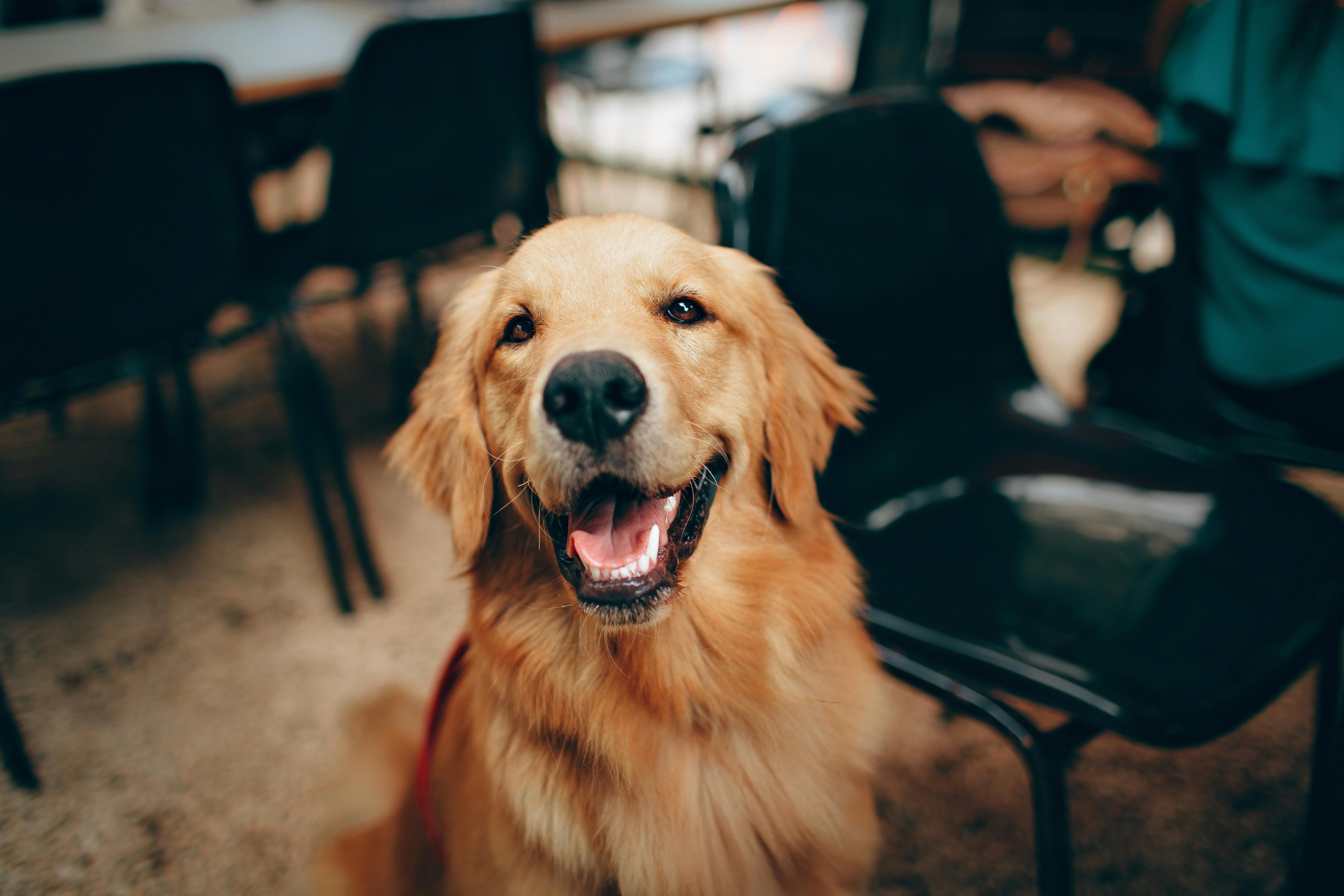
Golden Retriever Sees His Dinner Portion and Immediately Chooses Chaos (In the Funniest Possible Way)
A hangry Golden Retriever recently went viral after seeing his dinner portion and instantly choosing violence—or at least, the dramatic, zoomie-filled canine version of it. In a clip featured by Yahoo via PetHelpful, this usually sweet golden goes full gremlin the moment he realizes dinner is not meeting expectations, channeling the classic Snickers slogan: “You’re not you when you’re hungry.”
If you’ve ever watched your own dog transform from cuddly angel to chaotic food goblin the second the kibble hits the bowl, you’re not alone. In this breakdown, we’ll revisit what makes this video so relatable, explore why some dogs react so strongly around food, and share practical, science-informed tips to keep mealtimes calm, safe, and actually fun.

The Golden Retriever Who Saw His Dinner and Chose Chaos
In the Yahoo-featured clip, a Golden Retriever trots over to his food bowl with all the confidence of a dog who’s certain tonight is a double-portion kind of night. The bowl goes down. The portion? Modest. The reaction? Immediate drama.
- The dog freezes for a split second, staring at the bowl as if to say, “This must be a joke.”
- He then launches into full-body protest: barking, pawing, spinning, and giving his human the most offended side-eye.
- The vibe is less “politely disappointed” and more “I will be filing a formal complaint with management.”
“There are few ad campaigns more iconic than Snickers’ ‘You’re not yourself when you’re hungry.’ And honestly, it worked because they were onto something.” — original commentary via Yahoo / PetHelpful
The humor lands because it feels familiar: that moment when your pet realizes the meal doesn’t match the hype—and their inner gremlin breaks free.
Why Some Dogs Go “Full Gremlin” Around Food
While the video is funny, there’s real science behind why dogs can get so intense at mealtime. Hunger affects mood in animals much like it does in people, and some dogs are wired to guard or obsess over food more than others.
1. Hunger Really Does Change Behavior
Studies in both humans and animals suggest that low blood sugar and delayed meals can increase irritability and reactivity. Dogs don’t understand the clock; they only know that their internal system is saying, “It’s time to eat,” and when that expectation isn’t met, frustration can leak out as barking, pacing, or pushy behavior.
2. Food Is a High-Value Resource
From an evolutionary standpoint, food is survival. Even though your Golden Retriever is living their best couch-life, instincts remain strong. Some dogs:
- Guard their bowl or food space.
- Get vocal if the food amount looks “wrong.”
- Hover, pace, or jump as you prep meals.
This doesn’t always mean aggression—it’s often just big feelings about a very important resource.
What Trainers and Vets Say About “Hangry” Dogs
While the Yahoo/PetHelpful video focuses on the comedy, many dog behavior experts see clips like this as teachable moments.
“Anytime a dog is over-aroused around food—whether it’s frantic jumping, barking, or snapping—it’s a cue for us to take a closer look at both their routine and their training. Cute can quickly turn into unsafe if we ignore the early signs.” — composite perspective based on modern force-free training principles
Veterinary nutrition guidelines also emphasize that abrupt changes in portion size or feeding schedule can lead to stress and digestive upset. While a single silly outburst like our golden’s is usually harmless, consistent meltdowns around the bowl may signal:
- Inadequate portion sizes for the dog’s age, size, and activity level.
- Feeding schedules that don’t align with their energy needs.
- Underlying anxiety, especially in multi-pet homes.
When in doubt, a quick conversation with your vet is the safest way to confirm that your dog’s diet and behavior are on track.
A Familiar Story: When My Friend’s Golden Staged a Dinner Protest
A close friend of mine has a Golden named Milo who could have been the stunt double for the Yahoo “chooses violence” golden. When Milo’s vet recommended a slight calorie reduction to help him lose a bit of weight, his humans dutifully measured out smaller portions.
Night one, Milo walked up, sniffed his new petite dinner, and then:
- Looked from the bowl to his humans, then back to the bowl.
- Gave a dramatic sigh only a Golden could pull off.
- Pushed the bowl across the floor with his nose in protest.
Over the next week, they paired the new portions with:
- Slow-feed bowls that made meals last longer.
- Frozen green beans as low-calorie “bonus” snacks.
- Simple “sit and wait” manners before every meal.
Within two weeks, the protests faded. Milo now eats calmly, maintains a healthier weight, and still believes dinner is the highlight of every single day.
How to Prevent Mealtime Meltdowns in Food-Loving Dogs
Laughing at a viral Golden Retriever is fun; living with nightly chaos around the food bowl is less fun. Here are practical, evidence-informed steps you can take to keep your own dog from “choosing violence” at dinner.
1. Get the Portion Right (With Professional Input)
Online charts are just starting points. Your dog’s ideal portion depends on:
- Body condition (not just weight).
- Activity level (couch potato vs. hiking buddy).
- Age, breed, and health conditions.
Ask your vet to help calculate daily calories and translate that into grams or cups of your specific food. This keeps you from accidentally over- or under-feeding while trying to manage behavior.
2. Stick to a Predictable Feeding Schedule
Dogs thrive on routine. Feeding at roughly the same times each day can reduce anxiety and begging. For many adult dogs, this means:
- Twice a day (morning and evening) for average adults.
- Three or more smaller meals for puppies, seniors, or dogs with certain medical needs (per your vet’s guidance).
When the routine feels reliable, dogs often become less frantic because they’re not worried the next meal might not come.
3. Teach “Calm Gets the Food”
Instead of scolding your dog for chaotic behavior, reward the behavior you want:
- Ask for a simple cue like “sit” or “wait” before setting the bowl down.
- If your dog jumps or barks, quietly lift the bowl back up for a few seconds.
- When they pause or sit, place the bowl down again and release them with a cue like “OK!”
Over time, your dog learns that calm, patient behavior is the fastest way to get fed.
Turn Dinner Into a Game, Not a Battlefield
One reason the viral Golden Retriever’s reaction hits so hard is that dinner happens in two seconds flat—anticipation, disappointment, chaos. Stretching out the mealtime experience can calm that emotional rollercoaster.
Try These Enrichment Ideas
- Slow-feed bowls: These add ridges and patterns that make your dog work a little harder for each bite.
- Snuffle mats: Hide kibble in fabric strips so your dog can sniff and forage, mimicking natural behaviors.
- Food puzzles: Puzzle toys require pushing, rolling, or pawing to release food, turning dinner into a brain workout.
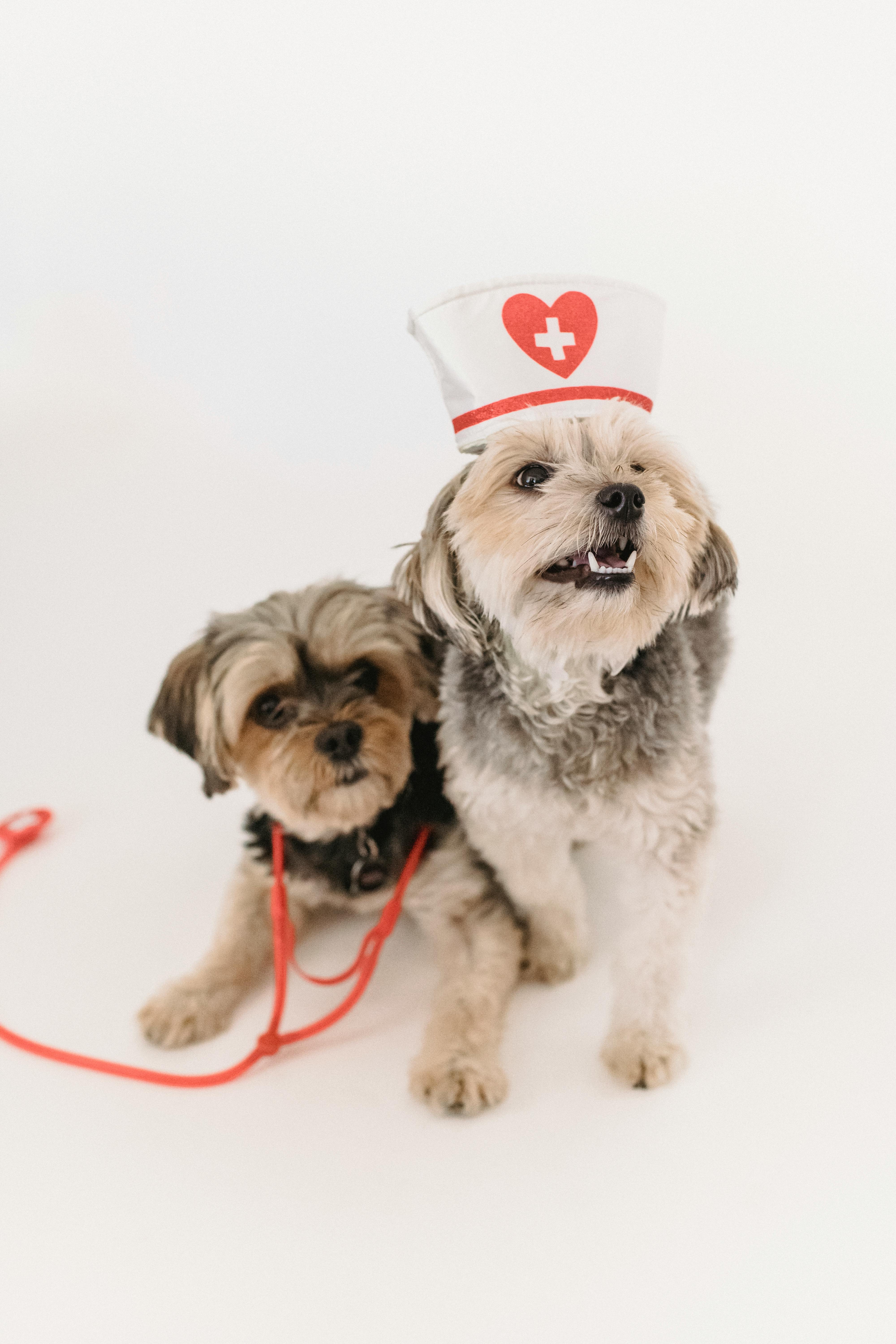
Multiple studies on canine enrichment show that problem-solving activities can reduce stress, destructive behavior, and boredom. A calmer brain often means a calmer approach to the food bowl.
From Chaos to Calm: What a “Before & After” Can Look Like
With a few changes, many “hangry” dogs can go from gremlin mode to gentle anticipation. Here’s a simple comparison of typical behaviors.
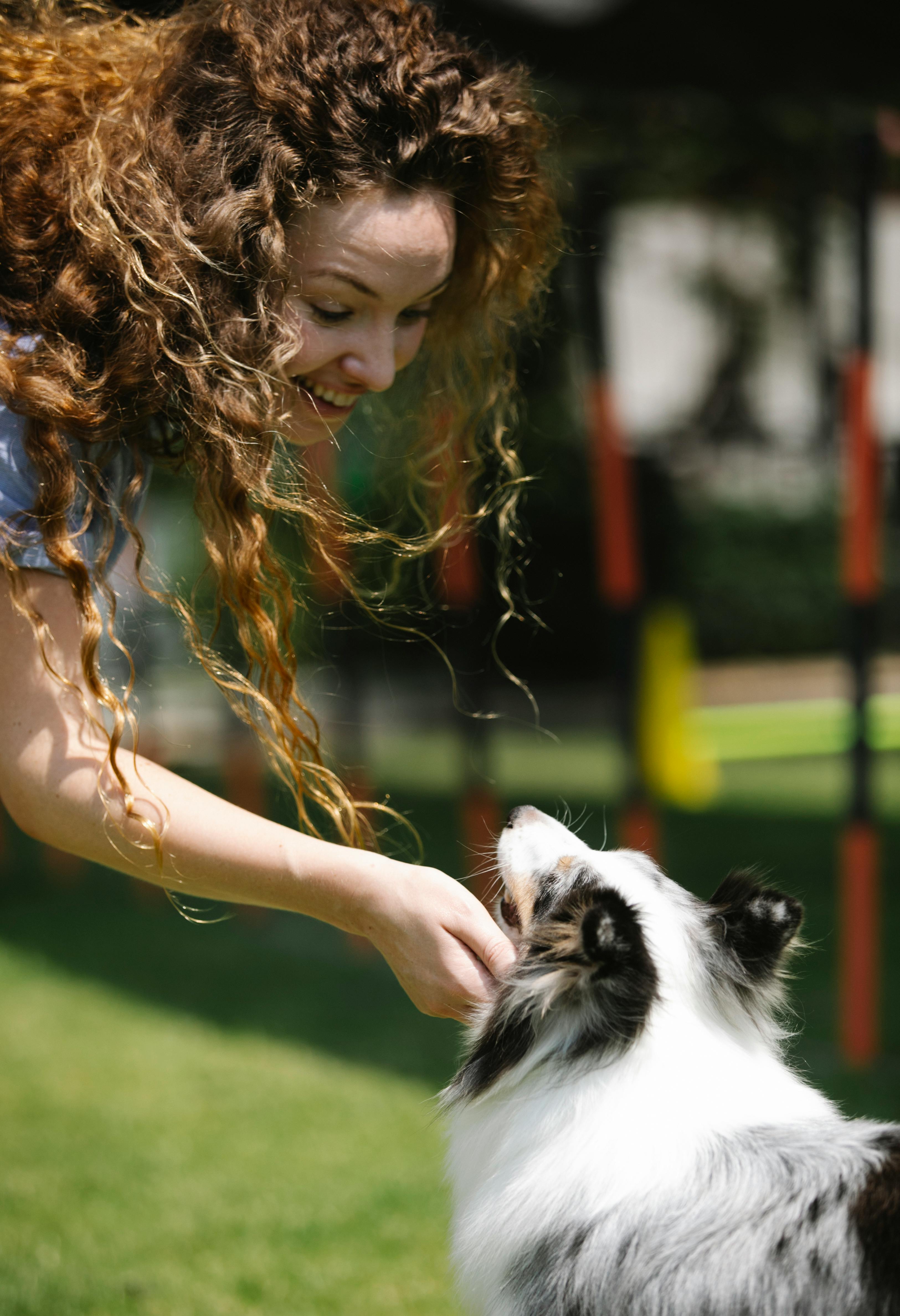
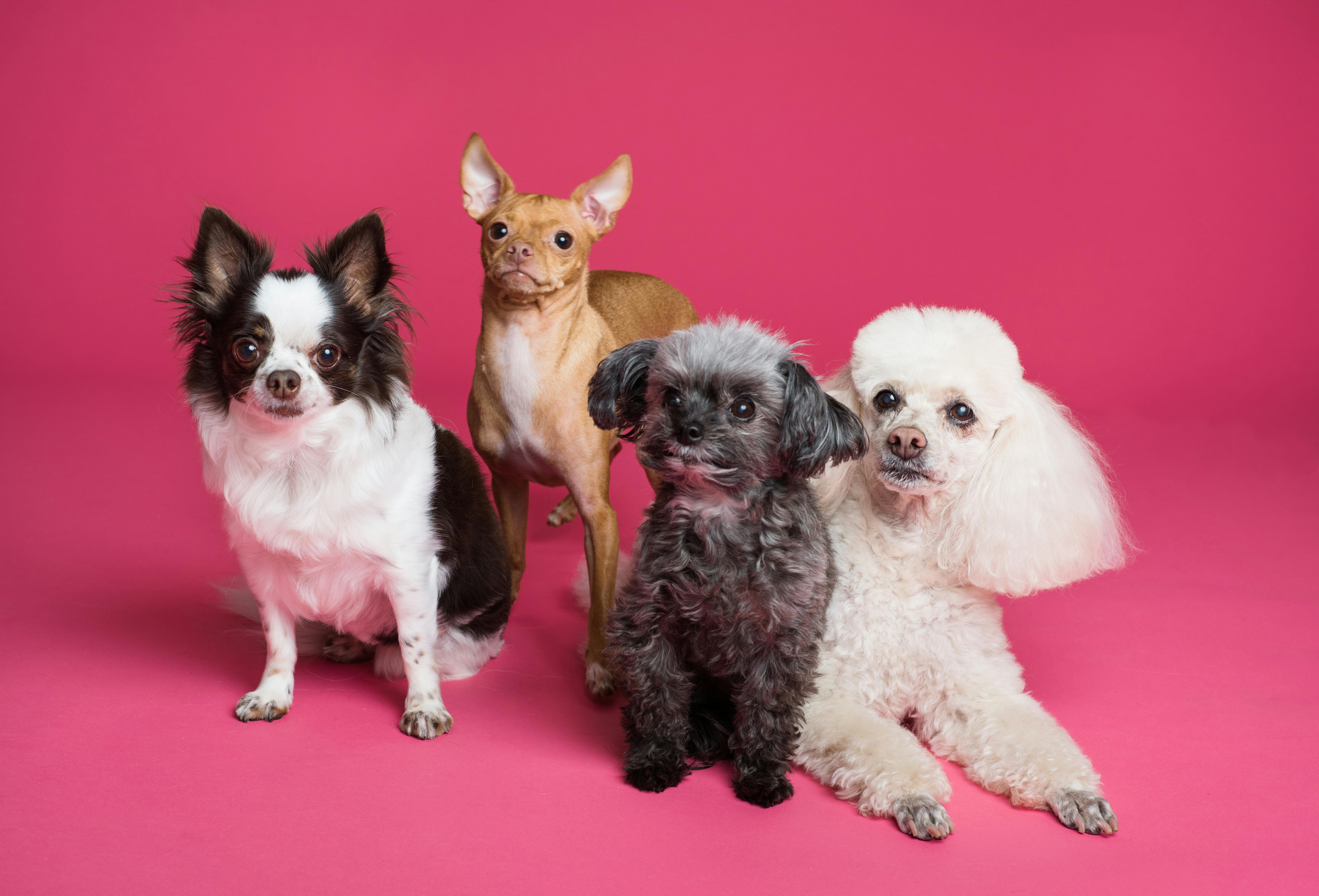
- Before: Barking, spinning, lunging at the bowl, or nudging humans aggressively.
- After: Sitting or lying down while the bowl is prepared, waiting for a release cue, eating at a steady pace.
Most dogs don’t transform overnight, but even a 10–20% improvement in manners can make daily life feel a lot more peaceful.
When Mealtime Behavior Is More Than Just Funny
The Yahoo Golden Retriever’s antics are played for laughs, and for many families, that’s all it is—silly drama. But it’s important to know when food-related behavior needs a closer look.
Red Flags to Watch For
- Growling, snapping, or biting when someone walks near the bowl.
- Stiff body posture, intense staring, or hovering over food or treats.
- Sudden changes in appetite, weight, or mood.
These can indicate resource guarding, anxiety, or medical issues like pain or digestive discomfort. In those cases:
- Schedule a vet visit to rule out physical causes.
- Work with a certified, force-free trainer or veterinary behaviorist.
- Avoid punishing growling—this can suppress warnings and increase risk.
Laugh at the Meme, Love the Dog: A Balanced Takeaway
The “Golden Retriever sees his dinner portion and immediately chooses violence” story is viral gold because it taps into something we all recognize—dogs are dramatic, emotional, and deeply invested in their next meal. It’s okay to laugh; in fact, that joy is part of why we share our lives with them.
At the same time, clips like this are gentle reminders to check in on our own routines:
- Is my dog’s portion right for their body and lifestyle?
- Do we have a predictable, calm feeding routine?
- Am I rewarding the mealtime behavior I actually want?
You don’t need perfection or a perfectly trained dog. Small, consistent tweaks—like a slow feeder, a simple “sit and wait,” or a quick conversation with your vet—can turn daily drama into a ritual you both enjoy.
Next time you see a viral “hangry” pet video, enjoy the laugh—and then use it as a little nudge to make your own dog’s dinner time calmer, safer, and just as exciting.