
Could a Routine Shingles Shot Help Protect Your Brain From Dementia?
Imagine going in for a routine shingles shot and, years later, discovering it may have quietly helped protect your brain. That’s the surprising possibility raised by new research from Wales, where a public-health vaccination program has revealed an unexpected link between a popular shingles vaccine and lower dementia risk.
In this article, we’ll unpack what the study actually found, why scientists think a virus-related vaccine could influence dementia, and what this might mean for your own decisions about brain health and vaccination. We’ll also look at important caveats—because association is not the same as proof—and offer practical, evidence-based steps you can take today.
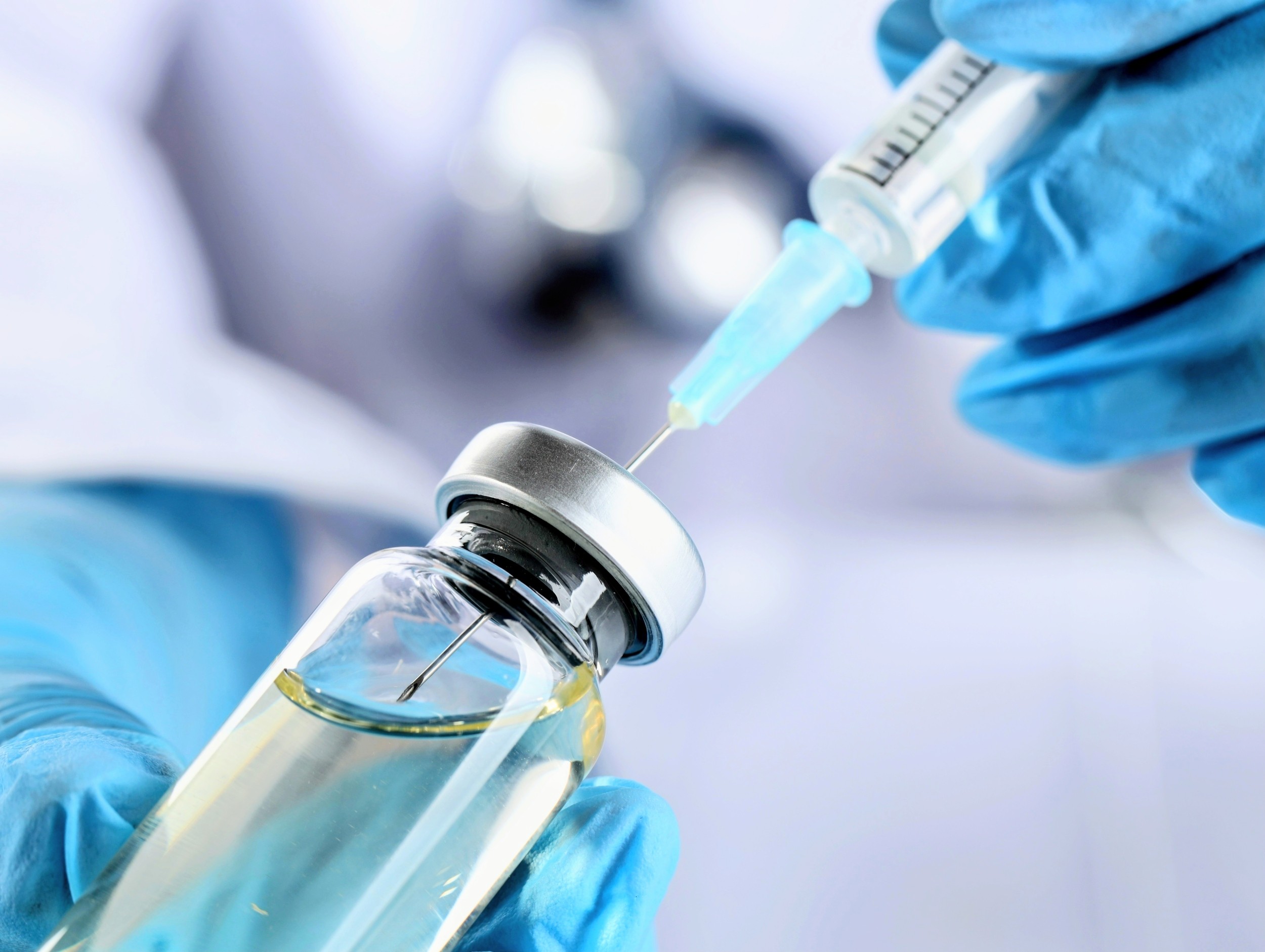
Dementia: A Growing Challenge With Few Proven Shields
Dementia—including Alzheimer’s disease—affects tens of millions of people worldwide, and cases are expected to rise sharply as populations age. While we know that lifestyle factors like exercise, blood pressure, sleep, and smoking matter, there is still no guaranteed way to prevent dementia.
That’s why any signal that an existing, widely used vaccine might reduce dementia risk gets scientists’ attention. But it also demands careful interpretation: public-health data can be powerful, yet it’s rarely as clean as a controlled lab experiment.
What the Welsh Shingles Vaccine Study Actually Found
The story begins when Wales rolled out a routine shingles vaccination program for older adults. Because eligibility was based largely on age and timing, it created what researchers call a “natural experiment”: two large, similar groups of people—those who happened to receive the shingles vaccine and those who did not.
By linking health records over time, researchers observed that people who received the shingles vaccine appeared to have:
- A lower risk of being diagnosed with dementia compared with unvaccinated peers
- Signs of slower or reduced early cognitive decline in some analyses
- Fewer documented episodes of shingles or other herpes zoster reactivation
Importantly, this kind of observational study can show association but cannot prove that the vaccine itself directly prevents dementia. People who choose to get vaccinated may differ in key ways (health behaviors, access to care, education) that also influence brain health.
“Natural experiments in vaccination policy are extremely valuable, but they must be interpreted with caution. A reduced dementia risk signal is intriguing, not definitive proof.”
How Could a Shingles Vaccine Affect Dementia Risk?
At first glance, it sounds odd: a vaccine targeting shingles—a painful skin rash caused by reactivation of the varicella-zoster virus (the same virus that causes chickenpox)—might influence dementia. But there are several biologically plausible mechanisms scientists are exploring:
- Limiting viral reactivation in the nervous system
Varicella-zoster virus can lie dormant in nerve cells and reactivate later in life. Some research suggests that viral reactivation in or near the brain may trigger inflammation or damage that could contribute to cognitive decline. A more effective immune response against the virus might reduce these episodes. - Reducing chronic inflammation
Infections can drive long-term, low-grade inflammation—sometimes called “inflammaging”—which is linked to dementia risk. Preventing or blunting certain infections may help keep inflammation in check. - Immune system “tuning”
Some vaccines appear to have broader effects on the immune system beyond the specific pathogen they target. This is an active area of research and not fully understood.
What Does the Broader Evidence Say About Vaccines and Brain Health?
The Welsh shingles study doesn’t stand alone. Over the past decade, several observational studies have hinted that adults who stay up to date on recommended vaccines may have lower rates of cognitive decline. These include:
- Influenza (flu) vaccines
- Pneumococcal vaccines (for pneumonia and related infections)
- Shingles vaccines in other countries and health systems
Some large database analyses have reported relative risk reductions in dementia diagnoses among vaccinated groups compared with unvaccinated ones. But again, these studies face the same challenge: teasing apart vaccine effects from the overall “healthy user” profile.
“People who get regular vaccinations are often engaged in other healthy behaviors. While the association with lower dementia risk is encouraging, we need more rigorous research to understand causation.” — Summary of expert perspectives from dementia researchers
If you’re interested in digging deeper, organizations such as the Alzheimer’s Association, the U.S. Centers for Disease Control and Prevention (CDC), and peer-reviewed journals like The Lancet Neurology regularly review and publish research on infections, immunity, and dementia risk.
What This Does—and Does Not—Mean for You
It’s very natural to read headlines about “lower dementia risk” and wonder if a simple shot could safeguard your memory. To keep things grounded and honest:
- The shingles vaccine is not a guaranteed dementia prevention tool.
- The main proven benefit remains preventing shingles and its complications.
- The dementia link is promising but still considered emerging and observational.
At the same time, if you are eligible for the shingles vaccine based on your age or medical history, this brain-health signal may be one more reason—among several—to have a thoughtful conversation with your clinician about getting vaccinated.
Practical Steps: Using This Research in Real Life
If you or a loved one is concerned about dementia, it’s easy to feel overwhelmed. The Welsh study offers hope—but not a magic bullet. Here’s how to translate the science into realistic action:
1. Talk with your doctor about shingles and other adult vaccines
- Ask whether you’re eligible for the shingles vaccine based on your age and health.
- Review your status for flu, pneumonia, COVID-19, and other recommended vaccines.
- Discuss benefits, risks, and how these fit into your wider health priorities.
2. Keep infections—and inflammation—under control
While we don’t yet know exactly how much viral reactivation contributes to dementia, chronic infections and systemic inflammation are increasingly recognized as brain-health factors.
- Manage chronic conditions like diabetes, hypertension, and high cholesterol.
- Don’t ignore persistent fevers, unexplained pain, or neurological symptoms.
- Follow evidence-based infection-prevention habits (hand hygiene, mask use in high-risk settings when appropriate, staying home when sick).
3. Build a multi-layered “brain health plan”
Vaccination—if appropriate for you—can be part of a larger, well-rounded brain protection strategy that includes:
- Movement: Regular physical activity tailored to your ability.
- Heart health: Keeping blood pressure, cholesterol, and blood sugar in target ranges.
- Sleep: Prioritizing consistent, high-quality sleep and addressing sleep apnea.
- Cognitive engagement: Learning new skills, reading, puzzles, or social activities.
- Connection: Maintaining supportive relationships and community involvement.
Common Concerns and How to Navigate Them
Even when the science looks promising, real life is complicated. You might recognize yourself in some of these common concerns:
“I’m worried about vaccine side effects.”
That’s completely understandable. Shingles vaccines—like all vaccines—can cause temporary side effects such as soreness at the injection site, fatigue, or low-grade fever. Severe reactions are rare but possible.
- Ask your clinician what to expect and what warning signs to watch for.
- Share your past vaccine experiences and allergic reactions.
- Plan your vaccination on a day when you can rest if needed.
“My relative already has early cognitive decline—is it too late?”
The Welsh study focused on risk over time, not treatment of existing dementia. We don’t have evidence that shingles vaccination can reverse cognitive decline. However, reducing severe infections and hospitalizations can still be valuable for someone living with memory problems.
Again, decisions should be individualized: age, frailty, immune status, and personal preferences all matter.
“I feel guilty I didn’t know about this sooner.”
Please be kind to yourself here. The dementia–vaccine connection is an evolving area of research. Even many clinicians are just beginning to integrate this evidence into broader conversations about healthy aging. What matters most is what you choose to do with the information you have now.
A Real-World Example: Turning Research Into a Plan
Consider “Margaret,” a 69-year-old retired teacher (details changed to protect privacy). When she read about the Welsh shingles study, she felt both hopeful and skeptical. Her mother had lived with Alzheimer’s, and she feared the same path.
At her next primary-care appointment, Margaret brought a printed summary of the study and said, “I know this doesn’t prove anything, but if this vaccine might help my brain and prevent shingles, should I get it?”
- Her doctor confirmed she was eligible for the shingles vaccine and walked through common side effects.
- Together, they reviewed her blood pressure, cholesterol, sleep, and physical activity.
- They decided on a broader plan: shingles vaccination, a walking routine with a friend, and a referral to a memory clinic for a baseline cognitive assessment.
A year later, Margaret hadn’t noticed any dramatic changes—and that’s exactly the point. Brain protection is usually quiet and gradual. Her biggest takeaway? She felt more empowered, less like a passive bystander to her own aging.
Before and After: A More Informed View of Shingles Vaccination
The Welsh research doesn’t change the basic clinical reasons for offering shingles vaccination—but it does enrich the conversation.
- “It’s mainly for preventing a painful rash.”
- “I’ll think about it if someone I know gets shingles.”
- “It’s optional, not part of my broader health plan.”
- “It clearly reduces shingles risk, and it might also help my long-term brain health.”
- “It’s one of several tools—alongside lifestyle changes—to support healthy aging.”
- “It’s worth a serious, individualized discussion with my doctor.”
Key Takeaways on Shingles Vaccines and Dementia Risk
- A large, real-world study from Wales found an association between the shingles vaccine and lower dementia risk.
- This link is promising but not proof that the vaccine directly prevents dementia.
- Possible explanations include reduced viral reactivation, lower chronic inflammation, and broader immune effects.
- Staying current with adult vaccinations may be one helpful element in a comprehensive brain-health strategy.
- Decisions about vaccines should always be personalized and made with a trusted healthcare professional.
Moving Forward: A Hopeful, Realistic Path for Brain Health
The idea that a routine shingles vaccine might also offer some protection against dementia is both surprising and encouraging. It reminds us that the brain is deeply connected to the rest of the body—including our immune system and infection history.
While scientists work to confirm and refine these findings, you don’t have to wait passively. You can:
- Schedule a visit to review your adult vaccinations and brain-health risks.
- Take small, consistent steps toward healthier sleep, movement, and nutrition.
- Stay curious—but skeptical—about new headlines, looking for evidence and nuance.
If the Welsh research holds up, the shingles vaccine may turn out to be a quietly powerful ally in the fight against dementia. For now, think of it as one more potentially helpful tool—used thoughtfully, alongside many others—that can help you age with as much clarity, independence, and dignity as possible.

