
Steve Clarke’s Candid Plea: Scotland Fans Warned Not to Go into Debt for World Cup Dream
Steve Clarke Urges Scotland Supporters: “Don’t Go into Debt for the World Cup”
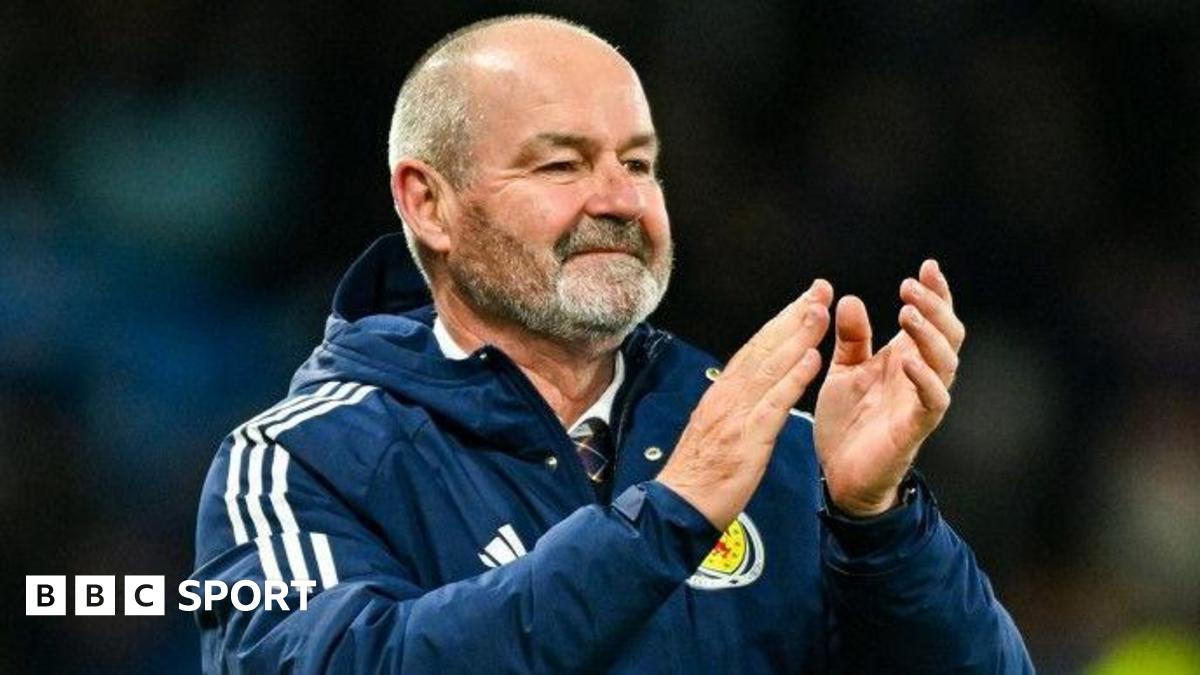
Scotland manager Steve Clarke has urged the Tartan Army not to go into debt chasing World Cup tickets, striking a rare balance between sporting ambition and financial reality as the nation basks in the glow of qualification after a thrilling 4-2 victory over Denmark. On his first trip back home after that landmark win, Clarke made clear that while the World Cup stage is special, no fan should risk financial hardship to be part of it.
His message lands at a pivotal moment: demand for World Cup packages is soaring, travel costs are rising, and Scotland’s long‑awaited return to the global stage has ignited emotion across the country. Clarke’s stance cuts through the euphoria with a grounded reminder—support for Scotland should never come at the cost of personal financial wellbeing.
From 4–2 vs Denmark to World Cup Dreams: Why This Message Matters
Scotland’s 4–2 victory over Denmark last month didn’t just seal qualification—it symbolised a resurgence. Facing a Danish side that had been one of Europe’s form teams, Clarke’s men delivered an assertive, attacking performance that reignited belief across the country.
For many supporters, especially younger fans, this World Cup will be their first real taste of seeing Scotland on football’s biggest stage. That emotional pull, combined with the rarity of such an opportunity, creates the perfect storm: intense demand for tickets, flights, and accommodation, and with it, the temptation to reach for credit cards and loans.
“The number of well‑wishers that are genuinely excited that the country's going back to a World Cup is incredible—but I don’t want anyone putting themselves in financial trouble just to follow us,” Clarke stressed, underscoring his concern for fans’ wellbeing.
In a landscape where major tournaments are often packaged as “once‑in‑a‑lifetime” experiences, Clarke’s intervention feels unusually grounded. It acknowledges the depth of the bond between team and supporters while reminding everyone that life off the pitch matters just as much.
The Real Cost of Following Scotland to the World Cup
Travelling to a World Cup has always been expensive, and recent tournaments have only amplified that trend. Even with variation by host country, Scotland fans considering the trip must budget for several key elements.
| Expense Category | Estimated Range (GBP) | Notes |
|---|---|---|
| Match Tickets (Group Stage, 3 games) | £200 – £450 | Pricing varies by category and allocation. |
| Flights from Scotland | £350 – £900 | Dependent on booking date and routes. |
| Accommodation (10–14 nights) | £600 – £1,400 | Budget hotels or shared apartments. |
| Local Transport & Food | £300 – £700 | Depends on length of stay and city. |
| Extras (merchandise, tours, insurance) | £150 – £400 | Jerseys, scarves, fan events. |
| Approximate Total | £1,600 – £3,850 | Before any potential knockout‑round extensions. |
Even at the lower end of those estimates, this is a major financial commitment for most households. When stretched across families or groups of friends, the numbers climb quickly—especially if Scotland advances beyond the group stage and fans decide to stay longer.
- Tickets are often sold in phases and can require quick payment turnarounds.
- Accommodation prices tend to spike in host cities as the tournament nears.
- Last‑minute booking can add hundreds of pounds to flight costs.

Clarke’s Call: Passion Without Personal Sacrifice
Clarke’s appeal to supporters is as much about values as it is about finance. The Scotland boss has consistently praised the backing his side receives, especially away from home, and his comments show an understanding of just how far many fans already go to follow the national team.
“We know how much this team means to people back home,” he said. “But football is meant to bring joy, not financial stress. Nobody should feel they have to take on debt to prove their support.”
The message is striking because it runs counter to the dominant commercial narrative around major tournaments. Instead of encouraging “all‑in” packages or urging fans to “do whatever it takes” to be there, Clarke is effectively telling supporters that it is okay—responsible, even—to say no if the cost is too high.
- Respect for supporters’ lives off the pitch – acknowledging jobs, families, and bills.
- Recognition of existing commitment – many fans already travel extensively during qualifying.
- Long‑term connection over one‑off spectacle – the bond between team and fans does not hinge on a single tournament trip.
The Tartan Army Perspective: Pride, Pressure, and Practicality
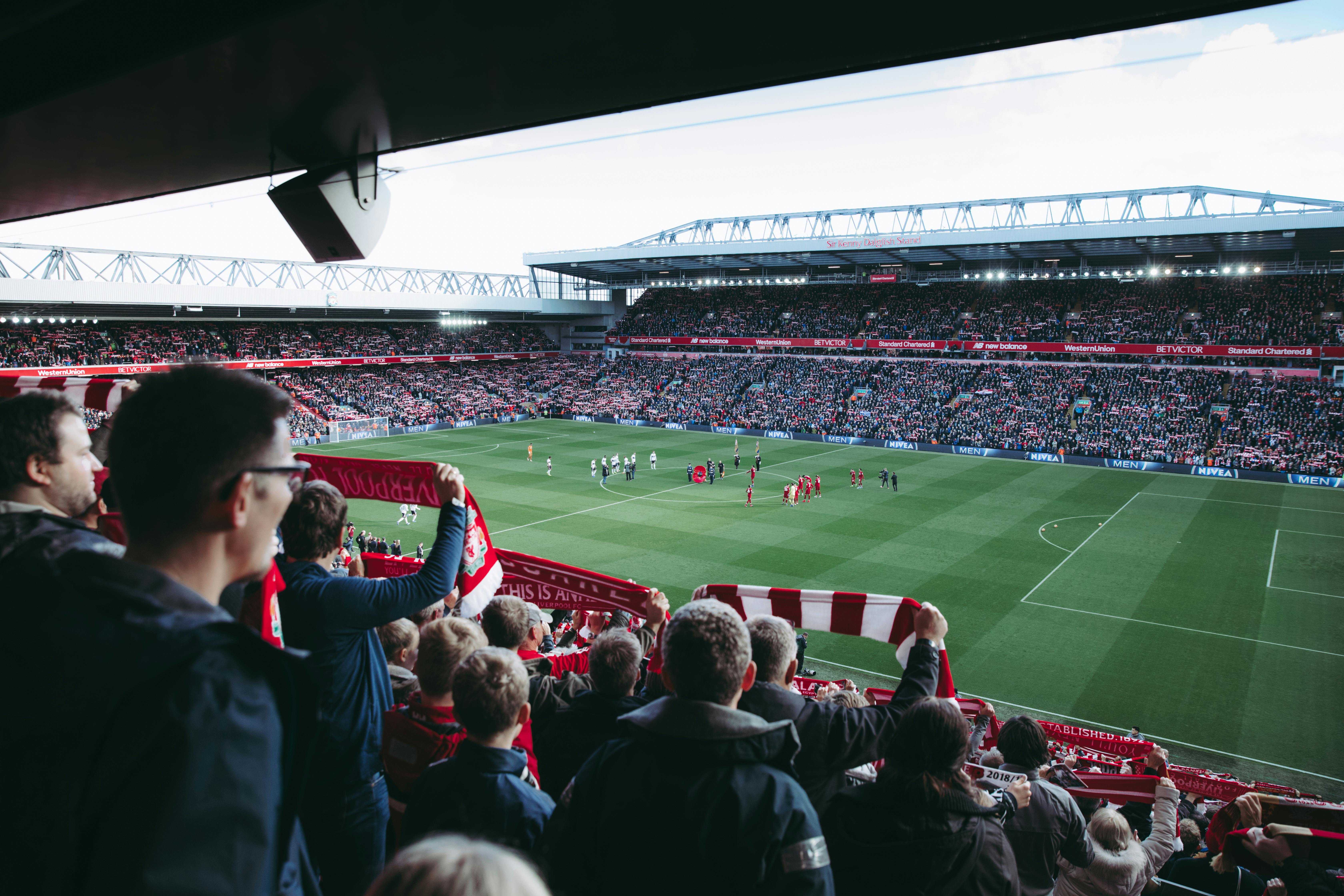
For many in the Tartan Army, following Scotland is not just a hobby—it is a central part of their identity. That makes Clarke’s words both reassuring and challenging. On one hand, fans feel seen. On the other, they must reconcile lifelong dreams with financial constraints.
Among supporters, there are a few clear camps emerging:
- The Travellers – fans determined to attend, often budgeting months or years in advance.
- The Realists – supporters who will soak in the tournament from home, arranging watch parties and local fan events.
- The On‑the‑Fence Group – those who could attend with some financial strain but are weighing whether the short‑term experience is worth the long‑term cost.
Clarke’s comments are particularly relevant for that middle group, where the temptation to lean on credit is highest. In making financial wellbeing part of the public conversation, he reduces the stigma of choosing not to travel and reinforces the idea that you can be every bit as passionate from home soil.

Supporting Scotland Without Boarding a Plane
The modern World Cup offers more ways than ever for fans to engage without setting foot in the host country. Broadcasters, digital platforms, and local communities are all ramping up coverage and events that bring the tournament atmosphere home.
For fans taking Clarke’s advice to heart, there are plenty of meaningful alternatives:
- Organising community watch parties at local clubs, pubs, or fan zones.
- Creating local “mini‑fan marches” before kick‑off to mirror the Tartan Army abroad.
- Supporting official Scotland merchandise responsibly as budgets allow.
- Engaging with players and staff on social media to show visible backing from home.
These options not only reduce cost, they also spread the World Cup experience across more people—families, younger supporters, and those who might never have considered going abroad. In many ways, a nation watching together can be just as powerful as a few thousand travelling fans.

Why Clarke’s Stance Resonates in Today’s Economic Climate
Clarke’s appeal also speaks to a wider economic reality. With living costs rising and many households already juggling bills, the idea of spending several thousand pounds on a football trip can feel out of step with day‑to‑day pressures.
From a broader sports‑business perspective, his comments are a subtle reminder that sustainable fandom matters. Supporters who avoid debt today are more likely to remain engaged, attend future qualifiers, and invest in the national team over the long term.
| Aspect | Travelling Fans | Home‑Based Fans |
|---|---|---|
| Financial Cost | Very high (travel, tickets, accommodation) | Low to moderate (subscriptions, local events) |
| Atmosphere | In‑stadium, immediate, intense | Shared locally, can still be vibrant |
| Reach | Thousands | Millions across the country |
| Long‑Term Sustainability | Riskier if debt‑funded | More sustainable, lower financial strain |
Clarke’s message implicitly favours the long game: a Scotland side that can rely on a healthy, financially secure fan base year after year, rather than one tournament fuelled by short‑term overspending.

Looking Ahead: Can Scotland Balance Ambition and Responsibility?
On the pitch, Scotland’s task is clear: compete fearlessly on the World Cup stage and build on the momentum created by that emphatic win over Denmark. Off the pitch, Clarke has offered a different kind of challenge—one of perspective and balance.
As ticket windows open and travel companies push packages, the question facing many supporters will be simple but difficult: “How much is this dream worth to me, and can I truly afford it?” Clarke’s answer, delivered with trademark calm, is that nobody should feel pressured to cross that line.
Whether you are in the stadium or shouting at the television from a packed living room in Glasgow, Aberdeen, Inverness, or the Borders, one truth remains: the players will hear you. The Tartan Army has always been defined more by its passion than its postcode, and this World Cup will be no different—debt or no debt.
As Scotland step onto the global stage once more, Clarke’s words leave us with a powerful, forward‑looking question: can this new era of success also become an era of smarter, more sustainable support—where the roar is just as loud, but the financial hangover is gone?
