
Rugby’s Tackle Revolution: How Lower Hits at the 2026 U20 World Championship Could Redefine Defense
World Rugby’s decision to lower the maximum tackle height to the sternum for the 2026 World Under-20 Championship in Georgia marks one of the most significant law shifts in the modern era, using the sport’s premier age‑grade tournament as a real‑time laboratory for player safety, defensive innovation, and the future shape of elite rugby.
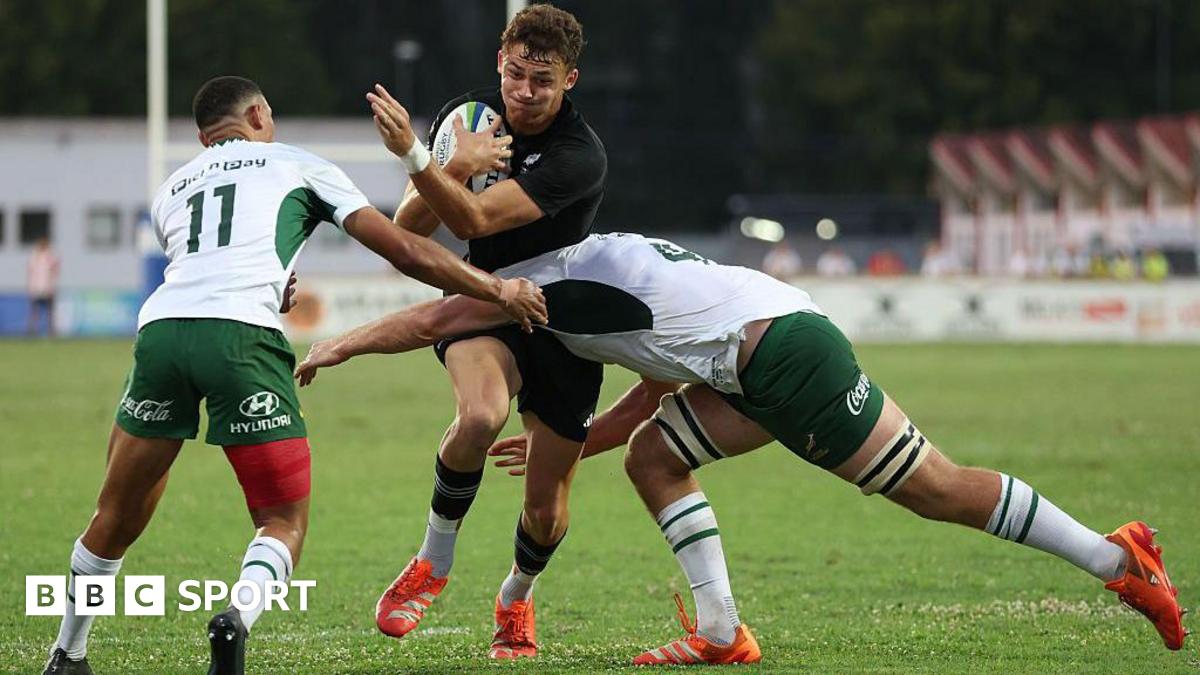
Why the Under-20 World Championship Is the Perfect Testing Ground
The World Under-20 Championship is the elite pathway for future internationals. Many of today’s Test stars — from Antoine Dupont to Ardie Savea — first announced themselves at this level. By introducing a sternum‑height tackle limit here, World Rugby is trialing high‑impact law changes on a stage that mirrors the tactical and physical demands of the senior game.
The move follows community‑level experiments in multiple unions, where reduced tackle height laws have already shown promising trends in lowering head‑contact incidents without collapsing defensive integrity. Bringing those ideas to the U20s is the clearest signal yet that a universal change at the professional level is firmly on the horizon.
- Global reach: Top age‑grade squads from major rugby nations.
- Elite intensity: Professional coaching, S&C programs, and advanced systems.
- Data rich: Centralized medical, disciplinary, and GPS tracking for analysis.
What the New Sternum-Height Tackle Law Actually Means
Under the new framework for the 2026 U20 Championship, any tackle above the sternum — roughly the middle of the chest — will be considered illegal. The emphasis is on getting defenders to “tackle lower, earlier” to reduce head‑to‑head and head‑to‑shoulder collisions.
Crucially, the law focuses on the initial point of contact. A tackler who aims low and rides up because of ball‑carrier movement will be treated differently from a defender who sets high and makes clear contact above the sternum.
| Aspect | Previous Law (Elite) | 2026 U20 Sternum Law |
|---|---|---|
| Maximum legal height | Line of the shoulders | Sternum (mid‑chest) |
| Primary objective | Prevent dangerous high shots | Reduce head‑contact frequency and force |
| Coaching emphasis | “Hit high, wrap, dominate collision” | “Target ribs and waist, strong leg drive” |
| Risk profile | Greater risk of head‑to‑head or head‑shoulder contact | More torso/leg contact, lower head exposure |
“We want to keep rugby physical, confrontational and recognisably itself, but we have a responsibility to make it safer. Lowering the tackle height is a key part of that mission.”
Player Safety First: What the Early Data Shows
The sternum‑height law does not appear in a vacuum. Several unions — including France, England, and New Zealand at community level — have already trialed similar frameworks. The early data from these trials has been closely watched by World Rugby’s medical and performance departments.

| Metric | Before Trials | After Lower Tackle Height |
|---|---|---|
| Head‑contact incidents | Baseline (100%) | Reported reductions of ~20–30% |
| Yellow/red cards for high tackles | Higher, with frequent sanctions | Initially increased, then stabilised as players adapted |
| Total tackles per game | Standard volume | Largely unchanged; technique, not intensity, shifted |
While methodologies differ between competitions, the broad pattern is consistent: lower legal tackle height correlates with fewer high‑force head contacts without drastically reducing the volume of collisions that give rugby its edge.
Independent experts, including neurologists and sports scientists, have pushed hard for this kind of systemic change given ongoing concerns around long‑term brain health and concussion management in contact sports.
Tactical Shake-Up: How Defenses Will Need to Adapt
For coaches and players, the sternum rule is not just a tweak — it’s a rewrite of defensive fundamentals. Systems built around high, dominant hits and upright double‑tackles must evolve, especially in transition and scramble defense.

- Lower body focus: Tacklers will aim for the ribs and waist, using leg drive to stop momentum.
- Two‑man tackles reimagined: Expect more “chop‑and‑jackal” combinations — one low, one over the ball.
- Line speed recalibrated: Defenders must stay balanced; a mistimed high shot is no longer a card risk but an automatic penalty.
- Ball‑carriers adjust: Carriers may adopt even lower body positions, forcing tacklers to be technically sharp, not just brave.
“We’ll still tackle hard, but now it’s about winning the collision with our shoulders in safe zones. Dominance comes from technique and timing, not just height.”
Will Lower Tackles Supercharge Attacking Rugby?
One of the most intriguing side‑effects of lower tackle laws is the potential boost to attacking play. If defenders are consistently aiming lower, ball‑carriers may enjoy more freedom to offload and play through contact.

- More offloads as hands stay free above the hit zone.
- Faster ruck ball if defenders “chop” and release quickly.
- Increased line breaks when tacklers mis‑time their body height.
But there’s a counterpoint: if defenders master low, dominant tackles, the gain‑line could become even harder to breach. The 2026 U20s may offer the first true glimpse of which way the balance tilts at elite pace.
Debate and Dissent: Tradition vs Player Welfare
Not everyone is convinced. Traditionalists argue that yet another adjustment to tackle laws risks confusing fans and over‑sanctioning players, especially in a high‑stakes international tournament.

Some coaches worry that, in the short term, the law could produce a spike in penalties and cards as players relearn their instincts under pressure, potentially deciding knockout matches in the referee’s office rather than on the gain‑line.
“The intention is right, but implementation is everything. If communication and consistency aren’t there, we’re going to see chaos in the first few rounds.”
On the other side, player welfare advocates counter that the game has no choice. With legal actions, long‑term health studies, and public scrutiny increasing, contact sports are under pressure to show they are proactively reducing avoidable risk.
Young Athletes, Big Stakes: The Human Side of a Law Change
For the players heading to Georgia in 2026, this isn’t just a law tweak — it’s the lens through which scouts, national selectors, and future clubs will judge their defensive credentials. How they adapt could accelerate or stall a professional career.
- Defensive specialists will need to prove they can dominate low without leaking penalties.
- Jackals and back‑rowers must sync their timing with chop tacklers to avoid offside and seal‑off calls.
- Playmakers will probe edges and short sides where lower tackles can be exploited by sharp footwork.
Families, agents, and unions all have a stake here too. The promise is clear: a safer game with fewer head knocks for teenagers carrying heavy playing loads. The challenge is making sure that promise translates from policy to practice on the field.
What This Means for the Future of Elite Rugby
The 2026 World Under-20 Championship is more than a tournament; it’s a stress test for where rugby goes next. If the sternum‑height law delivers on safety metrics without stripping the sport of its physical identity, pressure will mount for the same framework to be adopted at senior Test and professional club level.
Expect World Rugby to track:
- Concussion and head‑injury rates compared with previous U20 editions.
- Penalty counts for tackle‑related offences over the pool and knockout stages.
- Attacking metrics such as line breaks, offloads, and points per game.
The key question isn’t whether rugby will look slightly different — it will. The real question is whether fans, players, and coaches feel that the new balance between safety and physical drama still feels authentically like rugby.
By the time a new generation of stars emerges from Georgia, the sport may already be committed to a lower‑tackle future at every level of the game.
Want to dig deeper into the evolving laws and safety data? Explore the latest information and official updates at World Rugby and check competition details via the World Rugby U20 Championship page.
