
Stealth Wealth at Home: How Quiet Luxury Streetwear Is Sneaking Into Your Decor
When Your Hoodie Has Better Taste Than Your Sofa
Somewhere between your third “quiet luxury” TikTok and your twentieth “old money streetwear” moodboard, something wild happened: your wardrobe started looking more polished than your living room. Your hoodie is cashmere, but your couch still looks like a freshman-year Craigslist gamble. Let’s fix that.
Today’s big mood in both fashion and interiors is stealth wealth—think understated, high-quality pieces that whisper “I’m expensive” instead of yelling “LOOK AT MY LOGO.” The same way heavyweight hoodies in stone, navy, or charcoal are replacing big, shouty branding, our homes are shifting toward minimalist, quietly luxurious decor that’s all about fabric, form, and feel.
Consider this your style translation guide: we’re taking the rules of quiet luxury streetwear—premium basics, muted palettes, IYKYK details—and applying them directly to your home decor, so your space looks like it belongs in a coffee-table book, not a lost-and-found bin.
Quiet Luxury, But Make It Home
Imagine your living room dressed like your favorite perfectly-cut T-shirt: simple, flattering, and secretly very high quality. That’s the goal.
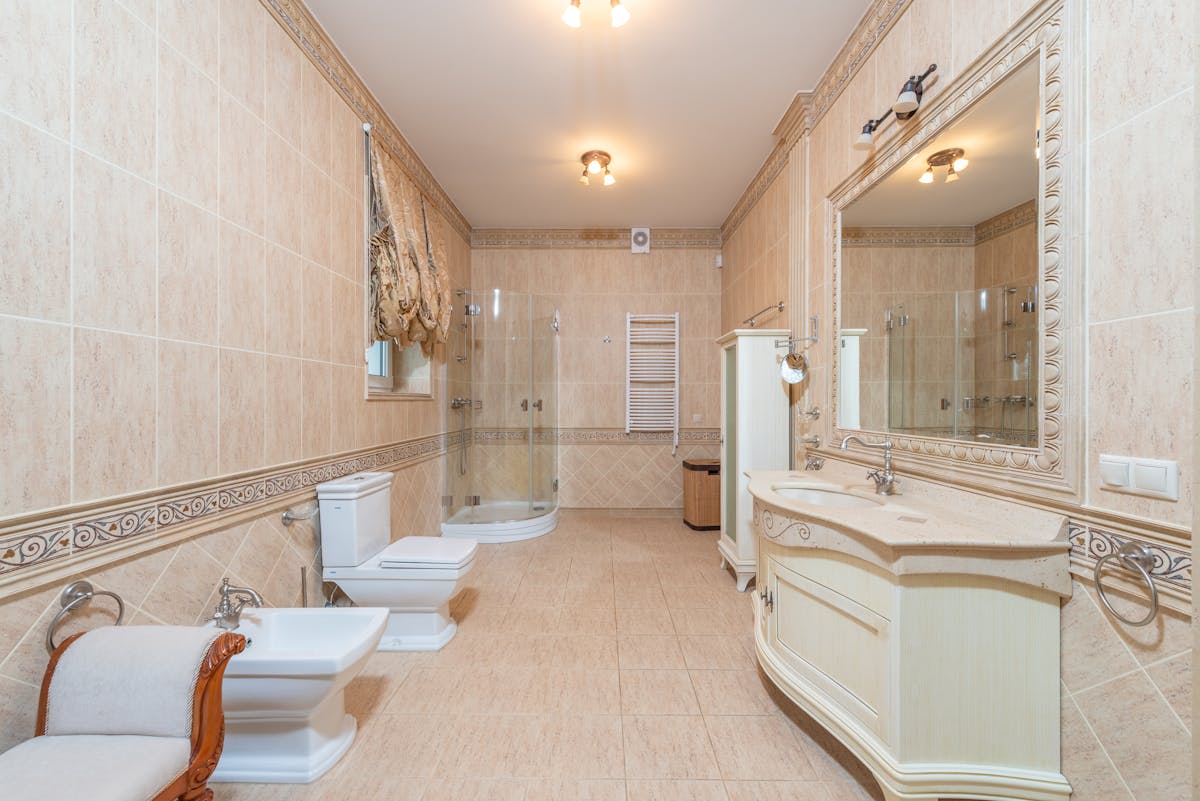
Now, let’s break down how the latest quiet luxury streetwear trends can actively guide your home decor choices—without requiring a black card or a live-in stylist.
1. Your Color Palette: From Hoodie Drawer to Home
Quiet luxury streetwear loves a muted palette: stone, taupe, navy, charcoal, creamy off-whites. Good news—you can copy‑paste those shades straight onto your walls and furniture.
- The “Stone Hoodie” Sofa: Choose a sofa in stone, greige, or warm beige. It’s forgiving with stains, flattering for every throw pillow, and eternally in style.
- The “Charcoal Overshirt” Accent Chair: Add one deeper piece (charcoal, espresso, deep navy) to ground the room like a good jacket grounds an outfit.
- The “White Tee” Walls: Opt for off‑white or soft ivory instead of stark gallery white. It reads softer, richer, and more lived‑in-luxurious.
Think of your home like a capsule wardrobe: a tight core palette that everything fits into. If it wouldn’t vibe with your favorite hoodie and sneakers combo, it probably won’t vibe in your living room either.
Style tip: Pick 3–4 “hero” colors for the whole home (e.g., stone, oat, charcoal, ink blue) and let everything else politely fit around them.
2. Fabric First: If You’d Wear It, You’ll Want to Sit on It
In quiet luxury fashion, the flex isn’t the logo, it’s the fabric: cashmere, merino, Japanese denim, organic cotton fleece. Your home can play the same game.
Translate your favorite wardrobe textures into decor:
- Cashmere Crewneck → Throws: Look for wool, cashmere blends, or high‑quality cotton throws in solid, muted tones. Fold them neatly; the orderliness is part of the luxury.
- Heavyweight Hoodie → Sofa Fabric: Choose tight‑weave cotton, wool blends, or performance fabric that feels substantial, not flimsy.
- Selvedge Denim → Upholstery: Deep indigo or washed denim‑look upholstery on stools or accent chairs gives that rugged, refined edge.
- Leather Sneakers → Details: Slim-profile leather trays, coasters, or ottomans in smooth, vegetable‑tanned leather add low‑key richness.
When shopping, touch everything. If a cushion feels like a bargain bin T‑shirt, your guests will know the moment they sit down.
3. Build a Home Capsule, Not a Decor Wardrobe Crisis
Capsule wardrobes are huge in the quiet luxury world: fewer pieces, better quality, worn a lot. Your home deserves the same sanity.
Create a home capsule collection:
- Anchor Pieces (the “investment coat”): Sofa, dining table, bed frame, one great rug. Go neutral, timeless, and sturdy.
- Everyday Basics (the “perfect tee”): Plain curtains, simple lamps, solid bedding in quality fabrics.
- Rotating Accents (the “fun accessories”): Cushions, throws, small art, books, ceramics. These are seasonal, experimental, and relatively affordable.
If you keep your big pieces minimal and well‑made, you can change the whole vibe of a room the way you’d swap sneakers and a cap—without replacing the metaphorical jeans every season.
4. Ditch the Logos, Keep the Flex
Stealth wealth streetwear is violently allergic to giant logos. Your home can be too.
That means:
- No huge brand names on cushions, throws, or wall art.
- Skip decor that screams “FARMHOUSE” or “KITCHEN” in 42‑point cursive.
- Avoid over‑the‑top statement pieces that feel viral-first, livable-second.
Instead, flex with:
- Craftsmanship: Visible wood grain, hand‑thrown ceramics, stitched leather handles, solid joinery.
- Proportions: Just like a perfectly boxy T‑shirt, a good coffee table has the right height, width, and breathing room.
- Subtle Details: Slim contrast piping, hidden storage, tone‑on‑tone patterns that reveal themselves up close.
The rule: if your decor piece would feel at home on a quiet luxury IG feed, you’re good. If it belongs on a novelty gift site, release it back into the wild.
5. Old Money Streetwear, But for Your Living Room
“Old money streetwear” mixes polished tailoring with comfy basics: think wool baseball caps, sleek sneakers, and trousers instead of joggers. Your decor can mirror that high/low magic.
Try these outfit‑to‑interior translations:
- Tailored Trousers → Structured Furniture: Swap saggy, overstuffed pieces for sofas and chairs with clean lines and defined silhouettes.
- Wool Baseball Cap → Cozy Accents: Add wool or felt storage baskets, soft upholstered headboards, and fabric bulletin boards.
- Clean Sneakers → Sleek Lighting: Minimal, streamlined lamps, slim floor lamps, or track lighting that feels fresh but not futuristic.
The vibe: your home just came from a very chic meeting, but it’s still totally down to watch a six‑hour Netflix marathon.
6. Buy Less, Buy Better: The Ethical Flex
Quiet luxury isn’t just an aesthetic; it’s a mindset. In fashion, that means cost per wear, proper care, and avoiding disposable trends. At home, it’s the same logic with cushions instead of cardigans.
Stealth-wealth home rules:
- Upgrade Slowly: Replace one weak link at a time—first the lumpy sofa, then the harsh lighting, then the “I came free with the apartment” rug.
- Thrift Like a Pro: Hunt for solid wood furniture, vintage rugs, and older, subtly branded designer pieces that already embody quiet luxury.
- Care for What You Own: Use coasters, rotate cushions, clean fabrics according to their care labels, and oil your wood occasionally. Maintenance is very “old money.”
The sustainable win: buying better, fewer things means less waste—and a home that looks thoughtfully curated instead of algorithmically panic‑bought.
7. Accessories: The Caps, Hoodies, and Minimalist Logos of Decor
In fashion, accessories make the outfit. In decor, they turn “nice room” into “whose Pinterest board is this and can I move in.”
Think of these as your home’s hoodies, caps, and low‑key flex pieces:
- Ceramic “Sneakers”: White or neutral ceramic vases and bowls that are clean, versatile, and go with everything.
- Art as Minimal Logo: Simple line drawings, monochrome photography, or abstract prints in muted tones that say “taste,” not “trend spiral.”
- Textured Cushions: Swap busy prints for interesting weaves—bouclé, ribbed knits, subtle stripes, tone‑on‑tone patterns.
- Books as Streetwear References: Design, fashion, architecture, or photography books stacked neatly: quiet intellectual flex achieved.
Edit ruthlessly. The same way you don’t wear every accessory you own at once, your coffee table does not need fourteen trinkets and a succulent army.
8. Room-by-Room: Stealth Wealth Styling Cheats
To make this extra practical, here’s a fast styling playbook you can apply today:
- Living Room:
• Neutral sofa, single hero rug, 2–3 textured cushions, 1 throw.
• Limit visible decor on the coffee table to 3 items: book stack, candle, small bowl/vase. - Bedroom:
• Solid duvet cover in a calm tone (oat, stone, ink).
• Two big pillows, two smaller shams, one throw at the foot of the bed.
• Nightstands mostly clear: lamp + book + one personal object. - Entryway:
• Slim console, tray for keys, one small lamp or vase, and a mirror with clean lines.
• Hooks or a minimal rail instead of a coat explosion on a chair.
If a space feels chaotic, use the quiet luxury question: “If this room were an outfit, would I wear it?” If the answer is “absolutely not,” start editing.
9. Your Home, But With Main-Character Energy
Quiet luxury in decor isn’t about being rich; it’s about being intentional. It’s the difference between “I bought this because it was on sale” and “I chose this because it will still look good in five years, thank you very much.”
By borrowing from stealth wealth streetwear—muted palettes, quality fabrics, thoughtful tailoring, and minimal branding—you can build a home that feels calm, elevated, and uniquely you. No shouting logos. No decor drama. Just pure, low‑volume, high‑impact style.
So the next time you’re tempted by a trending neon sign or a slogan pillow, ask yourself: Would quiet luxury me approve? If not, step away slowly, go home, fluff your stone‑colored sofa, fold your cashmere‑ish throw, and enjoy the sweetest flex of all: a space that looks quietly expensive—and feels entirely yours.
