
Small-Space Smart Makeovers: Tiny Homes, Giant Personality (and Seriously Clever Furniture)
Your home may be small, but its potential is enormous—like a chihuahua that thinks it’s a Great Dane. With the rise of studio living, micro-apartments, and housing prices that make us say “I’ll just live in the pantry, thanks,” small-space smart makeovers are having a massive moment. Social feeds are overflowing with tiny living room transformations, studio layout hacks, and multifunctional furniture glow-ups that prove square footage is just a number, not a destiny.
Today we’re diving into small-space smart makeovers: how to use multifunctional furniture, clever storage, and layout tricks to turn even the tiniest apartment into a highly efficient, stylish, and deeply livable space. Think less “cramped shoebox,” more “compact Swiss Army loft.”
We’ll talk sofa beds that moonlight as guest rooms, vertical storage that climbs your walls like a very organized vine, room dividers that create zones without starting a turf war, and renter-friendly decor that your landlord will never know existed. Let’s make every piece of furniture earn its rent.
The Big Trend: Small Spaces, Big Intentions
As more people move into compact apartments, studios, and smaller homes, the mantra of the moment is: Every item must have a job—or two.
The internet is obsessed with:
- Multifunctional furniture – sofa beds, Murphy beds, nesting coffee tables, and extendable dining tables.
- Vertical storage – ceiling-height shelving, tall cabinets, and wall-mounted everything.
- Intentional layouts – instead of pushing everything against the walls and hoping for the best.
- Renter-friendly solutions – peel-and-stick wallpaper, Command-hook galleries, and tension-rod magic tricks.
On TikTok and YouTube, searches for phrases like “small apartment makeover,” “studio layout ideas,” “tiny bedroom transformation,” and “small living room furniture hacks” are exploding. These aren’t just aesthetic tours; they’re highly optimized strategy sessions disguised as vibe checks.
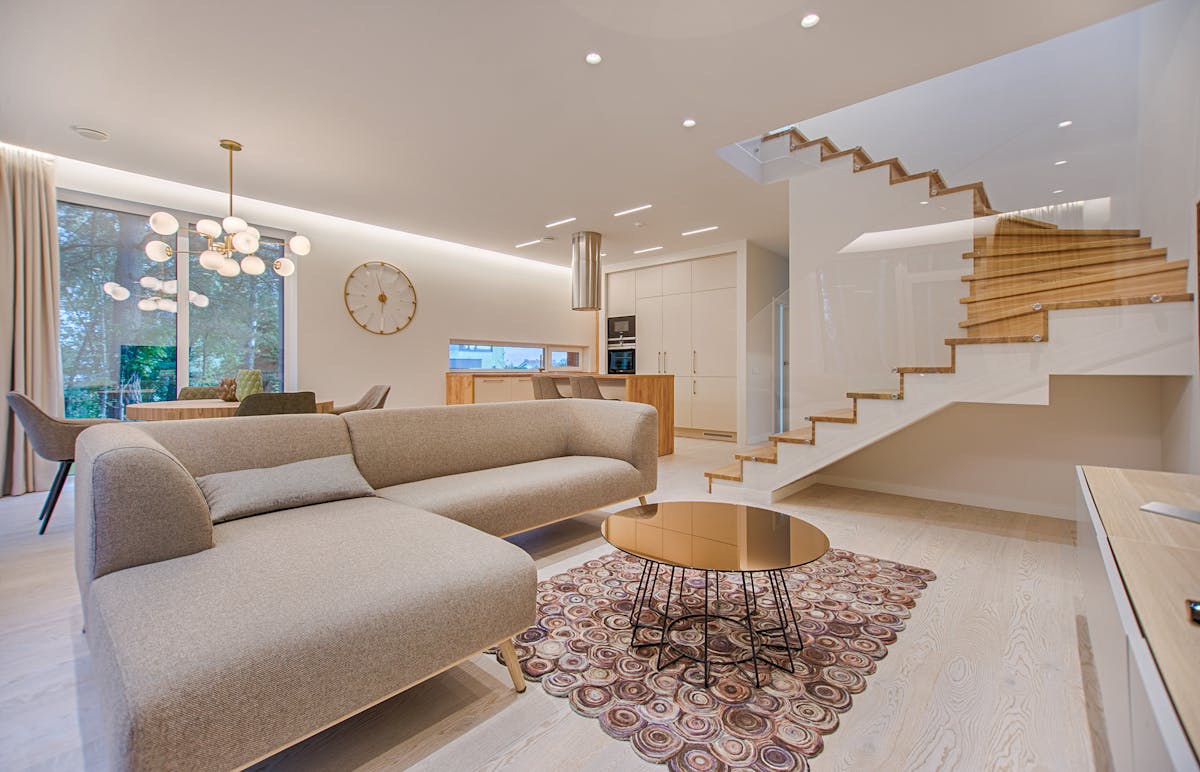
Living Room Sorcery: Furniture That Works a Double Shift
In a small living room, furniture can’t just sit there looking pretty. It needs at least two side hustles. Here’s how to turn your living area into a multitasking legend:
- Sofa beds and daybeds: Your couch shouldn’t only binge-watch with you; it should also host guests. A sofa bed or daybed with trundle lets your living room transform into a guest room at night—no air mattress wrestling required.
- Nesting coffee tables: They’re like Russian dolls, but for adults who pay bills. Pull them out when friends come over, tuck them in when you need floor space for yoga or existential pacing.
- Storage coffee tables and ottomans: Remote controls, blankets, board games, and the things you absolutely swear you’ll “sort later” all live here. Choose pieces with hidden compartments to keep visual clutter down.
- Slim console = secret home office: A narrow console table behind the sofa or along a wall can double as a desk. Add a stylish chair that tucks fully underneath, and congratulations: you now have a “home office” without a dedicated room.
- Wall-mounted TV + floating media unit: Ditch the bulky TV stand. A wall-mounted TV paired with a low, floating shelf or cabinet keeps floor space visually open and makes vacuuming less of a contact sport.
Layout note: In small living rooms, pull furniture slightly away from the walls. A few inches can make seating feel more intentional and less like you panicked and shoved everything to the perimeter.
Color, Light, and Other Optical Illusions
Your paintbrush is basically a wand. Want a bigger-feeling room? Cast these spells:
- Light, neutral base: Whites, creams, soft greys, and light beiges bounce light around and make rooms feel airy. They’re the background singers that let your decor do the solo.
- Go tone-on-tone: Use similar shades for walls, curtains, and large furniture. This reduces visual chop and makes everything blend into a calm, expansive backdrop.
- Add depth with darker accents: A charcoal pillow, navy throw, or black lamp grounds the room so it doesn’t float away into minimalism heaven.
- Strategic mirrors: Place a mirror opposite a window or light source to reflect brightness and visually double the space. It’s like giving your room a clone.
Pro tip: Stick to a limited palette in small spaces. Too many colors and patterns and your room can quickly go from “curated Paris apartment” to “lost inside a fabric store.”
Bedroom Tetris: Storage Beds, Loft Life, and Closet Hacks
Bedrooms in small apartments are where dreams go to… share square footage with your wardrobe, your work laptop, and that set of dumbbells you definitely still use. Here’s how to make it all coexist peacefully:
- Under-bed storage is non-negotiable: Choose a platform bed with drawers, a lift-up storage base, or at minimum, tall enough clearance for rolling bins. Off-season clothes, spare bedding, and extra towels can all sleep under your bed.
- Wall-mounted nightstands: Free up floor space and make the room feel more open by using floating shelves or small wall-mounted units instead of chunky tables.
- Lofted or Murphy beds: In micro-apartments, lifting the bed off the floor (or into the wall) literally doubles your usable space. Lofted beds create room beneath for a desk, reading nook, or wardrobe. Murphy beds fold up to reveal shelving or a sofa.
- Closet, but make it strategic: Add extra hanging rods, slim velvet hangers, over-the-door racks, and labeled baskets. Consider a modular closet system or an IKEA hack that uses kitchen cabinets to mimic built-ins.
Think of your bedroom as a storage ninja: quiet, efficient, and capable of hiding an alarming amount of stuff without leaving a trace.
Renter-Friendly Personality: Decor Without the Damage
Your landlord’s motto: Thou shalt not drill.
Your motto: Challenge accepted.
Thankfully, renter-safe decor is having a major moment.
- Peel-and-stick wallpaper & panels: Use these for accent walls, backsplashes, or to fake architectural details. When you move out, they peel off like a sticker instead of a life regret.
- Command-hook gallery walls: Hang frames, art, and even small shelves with adhesive hooks and strips. Curate a gallery wall above your sofa or bed for instant personality.
- Tension-rod magic: Create makeshift closets, room dividers, or curtain “doors” with tension rods and fabric panels. No drilling; just vibes.
- Leaning everything: Lean full-length mirrors, art, or ladder shelves against the wall for a casual, no-commitment look that’s 0% landlord confrontation.
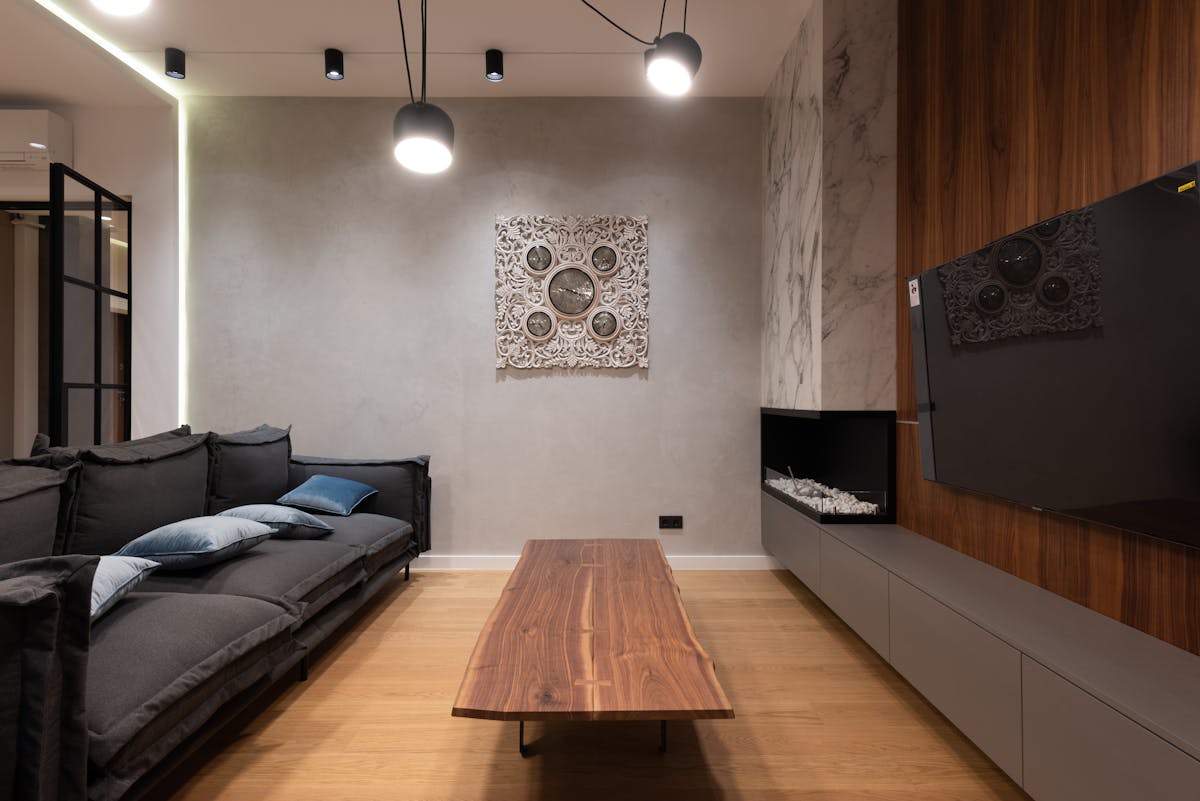
Zoning Out (In a Good Way): Dividers, Layouts, and Vertical Space
One room, many jobs—that’s the small-space way. To keep your home from feeling like an open-plan identity crisis, you need zones.
Create Zones Without Building Walls
- Open shelving units: Use a double-sided shelf as a room divider in studios. It separates spaces while letting light pass through, and it gives you storage on both sides.
- Curtains and folding screens: Define a sleeping area, hide a messy desk, or create a dressing nook with fabric or a foldable screen. When guests arrive, just swish—instant transformation.
- Rugs as “area labels”: Use one rug under your seating arrangement, another under your dining table, and a third (if space allows) under your bed. Each rug says, “This is my zone. I have boundaries.”
Go Vertical or Go Home (Well, You’re Already Home)
- Ceiling-height shelves and cabinets: Storage that stops a foot below the ceiling is just giving up too soon. Extend shelving to the top and use attractive bins or boxes on the highest shelves for rarely used items.
- Wall-mounted desks and fold-down tables: A floating desk or fold-down dining table gives you work or eating space when needed and freedom when you don’t.
- Hooks, rails, and pegboards: Get things off the floor and onto the walls—especially in kitchens and entryways. Pegboards can hold utensils, mugs, tools, or crafting supplies.
Remember: floor space is prime real estate; wall space is the affordable suburb you should absolutely be developing.
Kitchen & Dining: Expandable Everything
Small kitchens and dining corners can still live large with a few clever moves:
- Drop-leaf or extendable tables: Keep the table small for everyday meals, then expand when guests come over. Some wall-mounted versions fold completely flat when not in use.
- Stackable or folding chairs: Bring them out for gatherings, tuck them away or hang them on the wall afterward.
- Rolling islands and carts: Use them for extra prep space, bar setups, or appliance storage. Roll them out when you’re cooking; park them against a wall when you’re not.
- Magnetic and rail storage: Knife strips, spice racks, and rail systems for utensils or pots free up precious counter and cabinet space.

The Micro Home Office: Work Where You Live (But Stylishly)
Remote and hybrid work aren’t going anywhere, but your giant corporate desk probably should. In a small space, a home office is less about a “room” and more about a well-defined nook.
- Corners are your coworkers: Turn an unused corner into a mini office with a corner desk or a slim rectangular desk plus a floating shelf above it.
- Fold-down options: A wall-mounted drop desk that folds away after hours helps you switch from “work mode” to “I live here and I relax now” mode.
- Visual separation: Use a small rug, a different wall color, or a curtain to signal that this is the “work zone,” even if it’s just three feet from your sofa.
- Cable control: Cord clips, under-desk trays, and cable sleeves keep your tiny office from looking like the aftermath of a charging-cable explosion.
Mindset Shift: Curate, Don’t Cram
The most important small-space hack isn’t a piece of furniture—it’s a mindset. The most beautiful compact homes online all share one thing: intentionality.
- Audit your stuff: Ask, “Does this earn its space?” If not, donate, sell, or repurpose.
- Measure before you buy: Use painter’s tape to mark out furniture footprints on the floor before committing.
- Prioritize comfort + function: Choose fewer, better pieces that do multiple jobs, rather than many single-purpose items.
- Leave breathing room: Empty space is not wasted space—it’s what makes your home feel calm instead of chaotic.
Your small home doesn’t have to be a compromise. With multifunctional furniture, clever storage, and smart layouts, it can be a high-performance, personality-packed space that works as hard as you do—and looks fabulous doing it.
Consider this your invitation to give your tiny home a big makeover: edit ruthlessly, plan intentionally, and then sit back on your hardworking sofa-bed-storage-guest-nap-throne and admire just how mighty your “little” place can be.
