
Soft Boho, Big Zen: How to Nail the Boho-Meets-Japandi Look Without Moving to Scandinavia
Boho Grew Up and Discovered Meditation: Meet Boho Japandi
Remember when boho decor was basically “what if your living room was a music festival?” Macramé forests, rainbow kilim rugs, and 47 plants all competing for the spotlight? Well, boho just took a deep breath, did some yoga, and moved in with Japandi.
The result: a calm, collected fusion style often called Boho Japandi or Soft Boho—currently ruling TikTok, Pinterest, and every “minimal but cozy” moodboard under hashtags like #bohodecor, #japandi, #bedroomdecor, and #livingroomdecor. Think: neutral, airy rooms with just enough texture and personality to say, “I meditate,” but also, “I still have a personality, thanks.”
In this guide, we’ll walk through how to bring this look into your living room and bedroom—with practical tips, easy DIYs, budget-friendly ideas, and a healthy side of decorating drama (the good kind).
What Exactly Is Boho Japandi (And Why Is It Everywhere)?
Boho Japandi is the love child of:
- Boho: warm, textured, collected, a little “I bought this in a tiny shop on vacation” energy.
- Japandi: a hybrid of Japanese and Scandinavian design—minimal, functional, calm, with lots of negative space.
Instead of bright boho jewel tones, the palette goes muted and earthy: sand, oat, caramel, clay, terracotta, olive, soft charcoal. Instead of walls jammed with decor, you get a few intentional pieces, lots of breathing room, and furniture with clean, low lines.
Boho Japandi is for people who want their home to feel like a boutique hotel that also lets you wear fuzzy socks.
Search data and content tools show consistent climbs in phrases like “boho minimal bedroom,” “Japandi living room,” and “neutral boho decor”. Creators are using these terms in titles because they’re pulling views—and honestly, because this style fits modern life: calm enough for your brain, cozy enough for your soul, and renter-friendly enough for your lease.
Step 1: Build the Calm Base (Then Boho It Up)
Start with the Japandi skeleton, then dress it in boho layers. Otherwise you’re just doing boho with better PR.
Your go-to base ingredients:
- Walls: Off‑white, warm white, or very light beige. Think “oat milk,” not “printer paper.”
- Floors: Light wood, pale laminate, or a neutral large rug if you’re stuck with something chaotic.
- Furniture: Simple silhouettes: low sofas, boxy or gently rounded armchairs, straightforward wood or black metal frames.
- Layout: Uncluttered, with space between pieces. If it feels like furniture Tetris, you’ve gone too far.
Once that minimal base is set, layer in boho:
- Rattan chairs, cane cabinets, or woven benches
- Jute, wool, or Moroccan-inspired rugs in faded tones
- Textured pillows, throws, and linens
- Subtle macramé or woven wall art (think “statement,” not “knotted invasion”)
Rule of thumb: if you’re unsure whether to add something, remove one other thing first. Japandi loves editing; boho loves collecting. You’re the mediator.
Living Room: From Chaos Couch to Calm Sanctuary
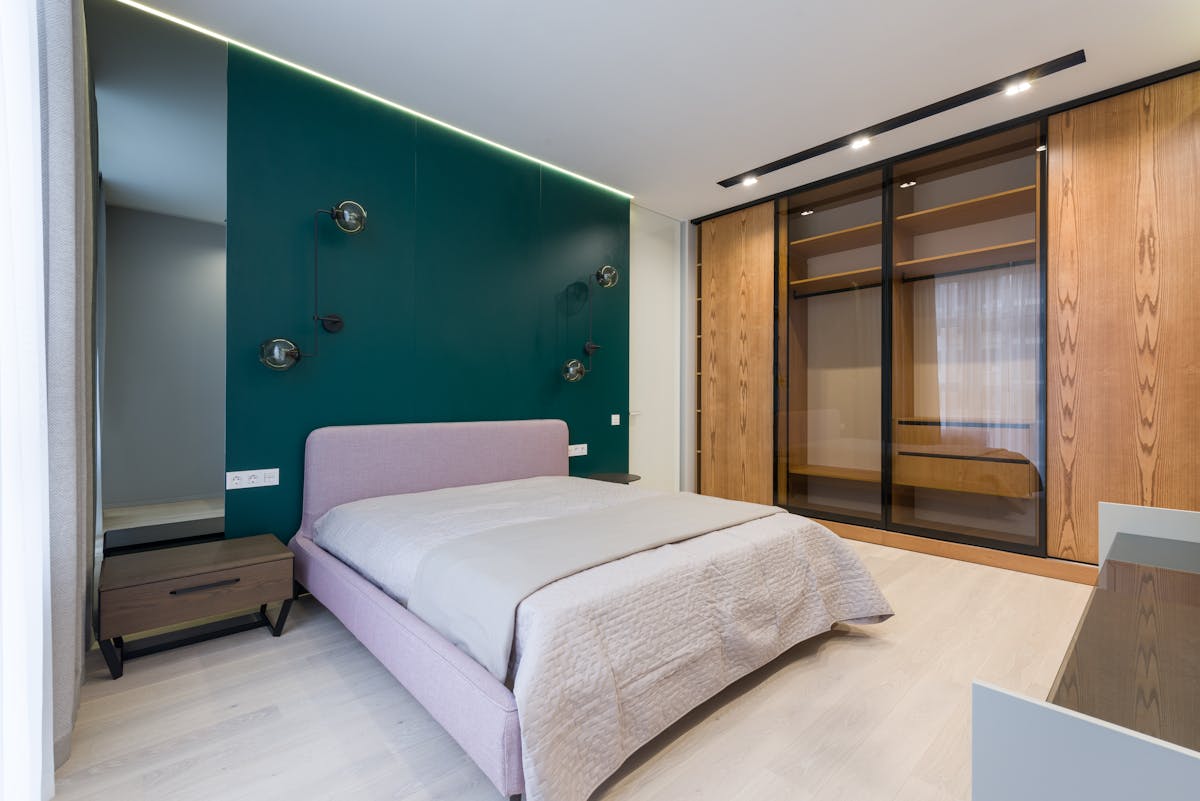
Think of your living room as the place where your brain and your throw blankets both go to relax. The Boho Japandi formula:
1. Start with a low, neutral sofa
Look for:
- Color: beige, warm gray, taupe, or soft greige
- Shape: low profile, simple arms, maybe a gentle curve
- Fabric: linen, cotton, or textured weaves (bouclé if you don’t own a lot of spaghetti)
2. Add one or two boho “soloists”
Instead of a room full of scene-stealers, pick one or two stars:
- A sculptural rattan or cane accent chair
- A faded Moroccan-style or kilim-inspired rug in terracotta and sand
- A carved wood or live-edge coffee table
Everything else should support, not compete. Your decor is an ensemble cast, not a reality show.
3. Keep walls quiet but intentional
Ditch the wall clutter and curate:
- One or two large, simple line drawings in black or sepia
- A calm gallery wall with neutral prints and lots of white space
- A single woven wall hanging or slim macramé piece
If you’re asking, “Should I add one more frame?” the answer is “Save it for another wall.”
4. Plant styling: from jungle to curated greenhouse
Boho Japandi keeps plants but edits ruthlessly:
- Swap 15 tiny plants for 3–5 larger ones: a fiddle leaf, olive tree, rubber plant, or monstera.
- Choose simple terracotta, white, or stone pots with clean lines.
- Group in odd numbers and vary height for a sculptural look.
Your goal is less “urban jungle,” more “calm conservatory that knows its angles.”
Bedroom: Soft Boho, Big Zen Energy
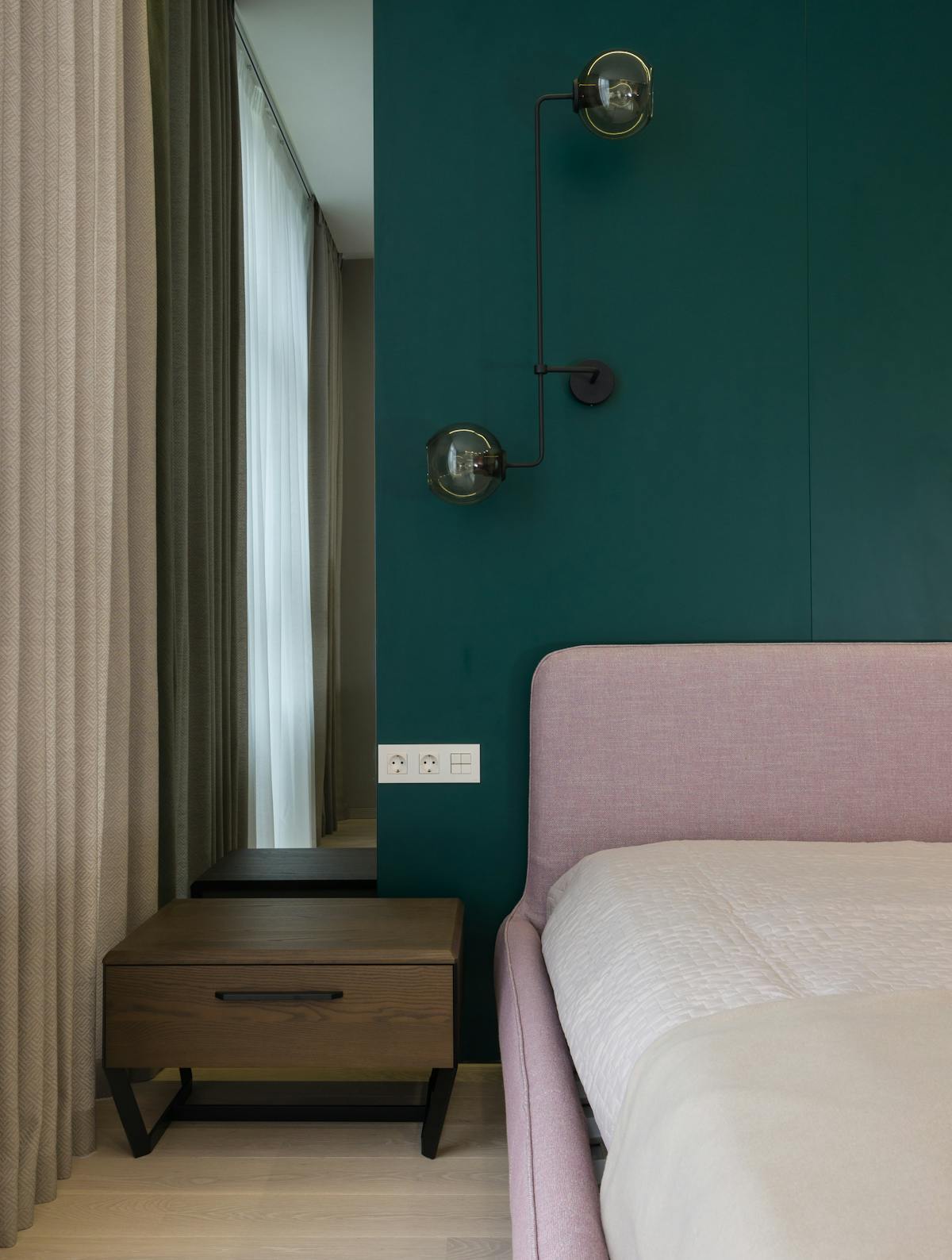
This style is having a major moment in bedroom decor because it photographs beautifully and feels like a real-life sleep filter.
1. Go low with the bed
Choose a platform or low wooden bed—light oak, pine, or walnut. If you’re on a budget:
- Use a simple metal frame and add a DIY plywood or slatted wood headboard.
- Keep bedding overhang long enough to visually “ground” the frame.
2. Layer neutrals, not drama
The bed should look like a cloud that knows about interior design:
- Base: white or oatmeal cotton sheets
- Middle: duvet in warm beige, stone, or clay
- Top: throw blanket in a chunky knit or gauzy cotton
- Accents: 2–3 pillows in muted terracotta, olive, or charcoal
More than 3 decorative pillows and you risk crossing into “pillow management job” territory.
3. Add airy, not heavy, softness
Canopies and drapes are still welcome—just keep them light:
- Sheer, gauzy curtains in off‑white or sand
- A simple canopy ring with sheer fabric (not a full medieval tent)
- Paper lantern pendants or simple fabric drum shades
The goal is “soft and floaty,” not “my bed is in a permanent costume.”
4. Earthy accents, kept minimal
A few key pieces bring in boho texture:
- A woven bench or stool at the foot of the bed
- A terracotta pot with a single leafy plant
- A small cane or rattan nightstand
Limit yourself: one accent per surface is plenty. Your nightstand should hold a lamp, a book, maybe a candle—not your entire personality.
The Boho Japandi Color Cheat Sheet
If classic boho was a box of crayons, Boho Japandi is the earth tone set your art teacher really loved.
Base tones (70%)
- Warm white, ivory, cream
- Light beige, oat, sand
- Soft greige (gray‑beige)
Support tones (20%)
- Caramel, camel, light tan leather
- Mushroom taupe, stone gray
- Pale terracotta or clay
Accent tones (10%)
- Terracotta and rust (muted, not neon)
- Olive, sage, or eucalyptus green
- Charcoal or soft black for grounding
A quick test: if your color looks like it could be found in nature or on a ceramic mug in a fancy coffee shop, you’re probably in the right range.
DIY & Budget Hacks: Champagne Style, Oat‑Milk Budget
No need to refinance your soul for this trend. Some of the most shared TikToks and Reels right now are DIY Boho Japandi hacks that start with basic pieces and add texture and warmth.
1. IKEA + cane = instant Japandi‑boho
- Add cane webbing to plain cabinet doors or the fronts of nightstands.
- Swap legs on basic TV units or dressers for slimmer wood or black metal legs.
- Change hardware to small wood, leather, or black knobs for a minimalist finish.
2. DIY slatted or plywood headboard
A simple weekend project:
- Cut thin pine or oak boards to your desired height.
- Attach vertically to a plywood backing (or directly to the wall with a French cleat).
- Lightly sand and seal with a clear matte finish.
Congratulations, your bed now looks 200% more expensive.
3. Tea & coffee dye for soft vintage textiles
Trending heavily in DIY circles: tea or coffee dyeing plain textiles for warm, lived‑in tones.
- Use on: white curtains, pillowcases, table runners, or napkins.
- Result: gentle beige or caramel tint that fits perfectly with the palette.
- Bonus: your home smells faintly like a café while you work.
4. DIY organic wall art
You do not need to be “an artist”; you just need shapes:
- Cut organic blobs and arches from colored paper in terracotta, beige, and charcoal.
- Glue on white cardstock, pop in a simple frame.
- Or paint large abstract shapes directly on canvas with leftover wall paint.
The more imperfect the shapes, the more effortlessly curated it looks. Funny how that works.
Common Mistakes (And How to Avoid a Style Identity Crisis)
Boho Japandi walks a fine line. Step too far either way and you end up with “bare beige office” or “boho explosion.” Keep an eye out for:
- Too much color: If more than 10–15% of the room is bright or saturated, pull back. Keep bold color to small accents.
- Over‑accessorizing: When every surface is layered, the Japandi calm disappears. Leave some empty space; it’s part of the design.
- Clashing woods: Aim for 1–2 wood tones per room. If you have five, stain or paint something to simplify.
- Too many patterns: Limit yourself to 1 “loud” pattern (rug or pillows), with everything else solid or very subtle.
If you’re unsure, take a photo of the room. It’s easier to spot clutter and color overload on your screen than in real life.
Your Home, But Softer: Bringing It All Together
Boho Japandi isn’t about following rigid rules; it’s about feeling. Does your space feel calm but not cold? Cozy but not chaotic? Personal but not cluttered? Then you’re on the right track.
Start small:
- Edit one room—clear surfaces, remove extra decor.
- Pick a simple neutral base and add 2–3 textural pieces.
- Swap lots of little things for a few bigger, grounded elements.
Your home doesn’t have to be a perfect Pinterest board; it just has to make you exhale when you walk in. If it also happens to photograph beautifully under #bohodecor and #japandi? That’s just a very stylish bonus.
