
Snow Crisis at Milan-Cortina 2026? Why Livigno’s Winter Olympic Slopes Are Under the Microscope
Winter Olympics 2026: Snow Doubts Put Livigno’s Slopes Under Pressure
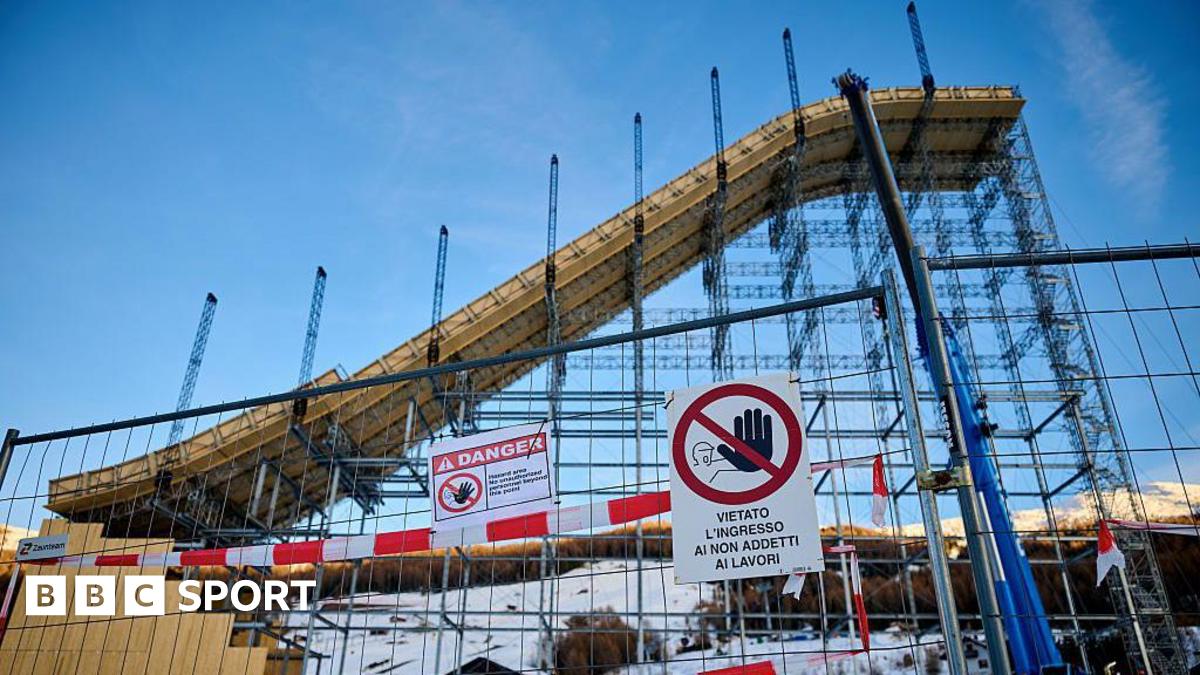
With just months to go before the Milan-Cortina 2026 Winter Olympics, fresh concerns from the International Ski Federation (FIS) about snow levels in Livigno have pushed climate risk and venue readiness to the center of the Olympic conversation. The picturesque Italian resort, slated to host freestyle skiing and snowboarding, now faces intense scrutiny over whether it can guarantee enough quality snow for the sport’s biggest stage.
FIS president Johan Eliasch has publicly underlined the challenges of relying on marginal natural snowfall and heavy artificial snowmaking in an era of rising temperatures. His comments have intensified debate over how sustainable traditional Winter Olympic venues really are—and what that means for elite skiers, snowboarders, organizers, and fans heading into 2026.
Why Livigno Matters in the Milan-Cortina 2026 Plan
Milan-Cortina 2026 is a multi-venue Winter Olympics that stretches across northern Italy, combining the urban energy of Milan with the alpine heritage of Cortina d’Ampezzo, Bormio, Val di Fiemme, and Livigno. While Cortina and Bormio carry the downhill racing prestige, Livigno is designed as the freestyle and snowboard showpiece—home to:
- Snowboard slopestyle and big air
- Freestyle skiing slopestyle and big air
- Snowboard cross (SBX) and mixed team events
- Potential training bases for park and pipe specialists
The resort has invested heavily in terrain parks, lift infrastructure, and accommodations to be Olympic-ready. But none of that matters if the weather doesn’t cooperate. That’s where Eliasch’s warnings hit hardest: modern snow sports rely on stable winter conditions that Europe’s mid-altitude resorts can no longer take for granted.
FIS President Johan Eliasch Sounds the Alarm on Snow Reliability
In recent comments reported by European media, FIS president Johan Eliasch voiced clear concern about the snow outlook for Livigno’s Olympic program, highlighting both recent winters and long-term climate trends. While he stopped short of calling for a venue change, his tone was unmistakably cautious.
“We have to be honest about what we’re seeing. Some venues are increasingly exposed to warm spells and inconsistent snowfall. For the athletes and for the integrity of the competitions, we need to be absolutely sure conditions are safe and fair.”
— Johan Eliasch, FIS President
Eliasch’s stance reflects a growing willingness from international federations to confront climate realities head-on. His message to organizers is straightforward: the global audience expects a pinnacle event, and that starts with reliable snow on the field of play.
Behind closed doors, that means detailed contingency planning, from snow storage and backup snowmaking to schedule flexibility and even potential course adjustments.
Climate Reality in the Alps: What the Numbers Say
Livigno sits at roughly 1,800 m above sea level, higher than many European resorts, but still exposed to warming trends that have reshaped winters across the Alps. Recent research on Alpine snowpack and temperature shows a clear pattern:
| Metric | Approx. 1961–1990 Baseline | Recent Decades (1991–2020) | Trend Impact on Winter Sports |
|---|---|---|---|
| Mean winter temperature (1,500–2,000 m) | Around -3 °C | Warmer by roughly +1 to +2 °C | More frequent rain-on-snow events and mid-winter thaws |
| Snow season length | Full coverage often November–April | Shortened by 2–4 weeks on average | More pressure on January–February windows for events |
| Natural snow depth at mid-elevation | Regular deep base in peak winter | Greater year-to-year volatility | Higher reliance on artificial snow for consistent surfaces |
These regional figures don’t single out Livigno, but they frame the challenge: building an Olympic schedule around a winter that is statistically shorter, warmer, and less predictable than in past decades.
Artificial Snow, Storage & Course Management in Livigno
Snowmaking is no longer a supplement at major competitions—it’s the backbone. For Milan-Cortina 2026, Livigno’s organizers are expected to lean heavily on:
- High-efficiency snowmaking systems designed to operate in marginal temperatures.
- Snow farming and storage, where snow is stockpiled under insulating covers and redistributed onto competition courses.
- Course design tweaks that reduce low-snow choke points and protect shaded aspects of the slope.
- Flexible grooming strategies tailored to different phases—training, qualifying, and finals.
The key is not just quantity but quality. Freestyle skiers and snowboarders demand a precise surface: hard enough to hold shape for big features, but not so icy that landings become dangerous. When warm spells hit, building and maintaining safe jumps and landings becomes a race against time.
What Skiers and Snowboarders Are Saying
For the athletes, snow quality is more than a competitive variable—it’s a safety issue. Double corks, triple flips, and massive rail features all depend on predictable takeoffs and forgiving landings. Even subtle changes in snow density can impact risk.
“On TV it just looks like snow, but we feel every difference. If the landing is too hard or breaks apart too easily, you’re putting your body on the line every run.”
— World Cup freestyle skier on variable snow conditions
Many top riders accept that artificial snow is part of the modern game. Their main concerns for Livigno revolve around:
- Consistency of snow texture across the course
- Landing zone maintenance between runs and heats
- Clear communication from organizers about schedule changes
- Backup plans if high winds or warm snaps destabilize features
Organizers’ Response: Reassurances, Planning & Pressure
Italian organizers and local authorities in Livigno have consistently emphasized that they can deliver world-class conditions in 2026. They point to their existing track record hosting FIS World Cup events and international snowboarding competitions, as well as major investments in infrastructure ahead of the Games.
Although official statements remain optimistic, Eliasch’s comments increase the pressure to demonstrate concrete readiness:
- Clear snowmaking capacity plans, including water and energy management
- Detailed course construction timelines built around historical weather windows
- Environmental safeguards to minimize the ecological footprint of snow production
- Transparent communication with FIS technical experts and national teams
The balancing act is delicate: protect the image of the Games, respect environmental concerns, and still convince athletes that the Olympic stage in Livigno will be worthy of their biggest tricks.
Debate: Should Future Winter Olympics Move Higher—or Indoors?
Livigno’s challenges feed into a broader, sometimes heated, debate about the future of the Winter Olympics in a warming world. Stakeholders are increasingly split on how aggressively to adapt.
Key perspectives in the debate:
- Climate-focused advocates argue that the IOC should limit host cities to a small pool of high-altitude, snow-secure regions to ensure long-term viability.
- Traditionalists want to preserve the cultural and geographic diversity of the Games, even if that requires more artificial snow and creative scheduling.
- Environmental groups worry about the water and energy demands of large-scale snowmaking and the impact on fragile alpine ecosystems.
- Event operators see opportunity in partially indoor or hybrid venues—think big air ramps in stadiums—where weather risk is reduced.
Milan-Cortina 2026 will not answer all these questions, but Livigno’s experience could shape bidding rules, venue selection criteria, and sustainability standards for future Winter Games.
Looking Ahead: What to Expect on the Road to 2026
From a sports perspective, the most likely scenario is that Livigno will host the freestyle skiing and snowboarding events as planned—but with every shred of snow management expertise brought to bear. The run-up to 2026 will be defined by test events, weather monitoring, and fine-tuning of operations.
Key checkpoints for fans and analysts to watch:
- FIS inspection reports in the seasons leading up to the Games, particularly after test competitions.
- Early-season snowfall patterns in the winters of 2024–25 and 2025–26 around Livigno.
- Any schedule or venue tweaks announced by Milan-Cortina 2026 organizers.
- Athlete feedback on course quality and safety after official training blocks.
For now, the story is not one of panic but of urgency. The world’s best skiers and snowboarders are preparing for the moment of their careers. Whether they drop in on perfect, crisp landings or fight through soft, unpredictable snow will depend on decisions being made in Livigno and Lausanne right now.
When the Olympic flame finally reaches Italy, the question won’t just be who lands the biggest trick—it will be whether Livigno’s slopes can prove that top-tier winter sport still belongs in the open mountains, even in an age of climate uncertainty.
For official updates and detailed competition schedules as the Games approach, visit the Milan-Cortina 2026 Olympic Games page and the International Ski Federation (FIS) website.
