
Remembering Tom Hicks: The Powerful, Polarizing Owner Who Changed Texas Sports Forever
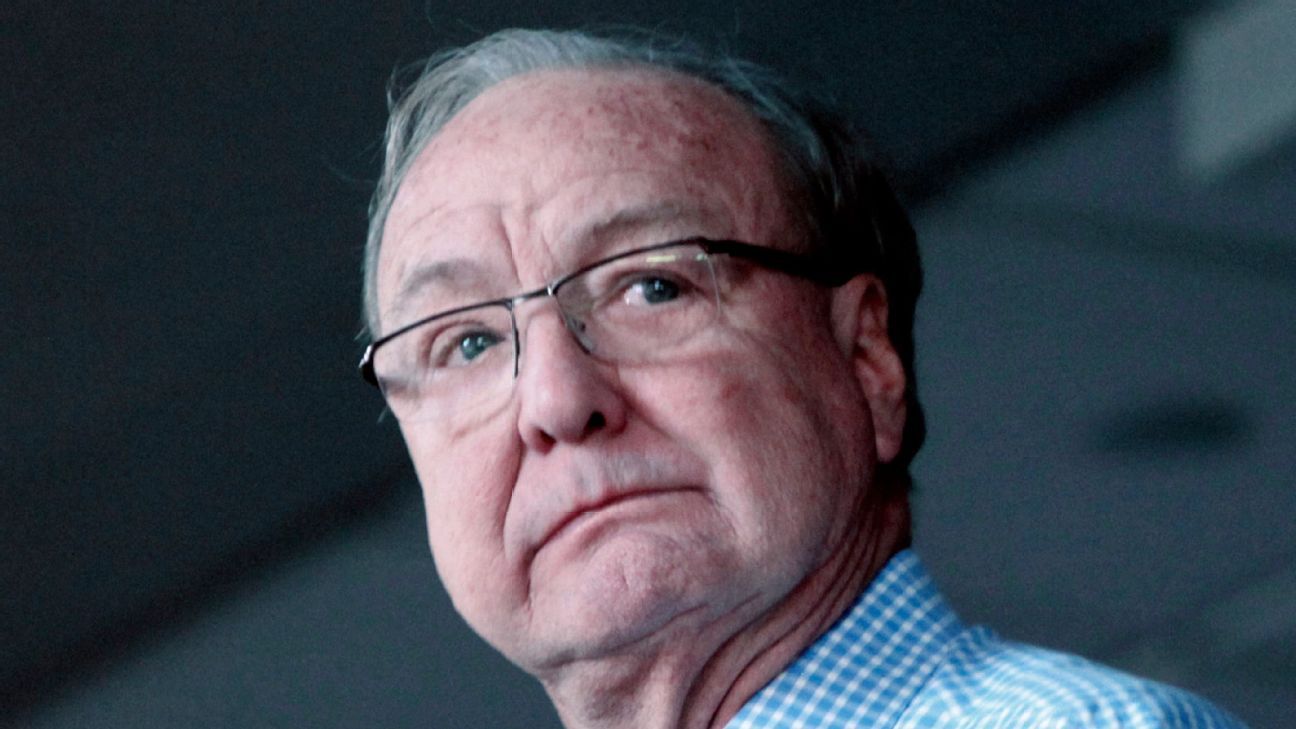
Tom Hicks, the former owner of the Texas Rangers, Dallas Stars and Liverpool, has died at 79, leaving behind a complex but undeniable legacy that reshaped the sports landscape in Dallas and far beyond. His tenure delivered championships, superstar talent and bold financial moves that still impact franchises today, even as his ownership style sparked debate among fans and executives.
A Power Broker in the Texas Sports Boom
In the 1990s and 2000s, few figures loomed larger over Dallas-Fort Worth sports than Tom Hicks. A Dallas-based private-equity magnate turned sports mogul, Hicks became synonymous with ambitious deals, aggressive roster moves and the belief that Texas could be a year-round, multi-sport powerhouse.
Hicks bought the Dallas Stars in 1995, the Texas Rangers in 1998 and later became co-owner of English giant Liverpool FC in 2007. His franchise portfolio placed him squarely in the global sports conversation and helped turn Dallas into one of the country’s most competitive, media-relevant markets.
- NHL presence: Stabilized and elevated the Stars after their move from Minnesota.
- MLB footprint: Oversaw the Rangers’ evolution into a big-bat, big-market contender.
- Global reach: Extended Texas ownership influence into the Premier League with Liverpool.
Ownership Timeline: Stars, Rangers and Liverpool
Hicks’ tenure across three major clubs spanned nearly two decades and intersected with some of the most pivotal moments in franchise history.
| Team | League | Ownership Years | Notable Highs | Key Lows / Challenges |
|---|---|---|---|---|
| Dallas Stars | NHL | 1995–2011 | 1999 Stanley Cup, multiple Western Conference powers | Bankruptcy issues, late-2000s decline |
| Texas Rangers | MLB | 1998–2010 | Early foundation for 2010–11 pennant era, marquee signings | Financial strain, 2010 bankruptcy sale |
| Liverpool FC (co-owner) | Premier League | 2007–2010 | 2007–08 title challenge, global brand expansion | Debt concerns, fan unrest, forced sale |
The pattern is consistent: Hicks entered aggressively, spent to compete and pushed franchises toward the upper tier of their leagues, but the heavy leverage and complex financing occasionally left organizations vulnerable when the economy turned.
Dallas Stars: Building a Stanley Cup Champion
The purest on-ice success of Hicks’ career came with the Dallas Stars. When he purchased the team in 1995, the franchise was still solidifying its identity in North Texas after relocating from Minnesota. Within four years, the Stars were hoisting the 1999 Stanley Cup.

With a roster built around Mike Modano, Ed Belfour, Brett Hull and a deep defensive core, Dallas became a staple of late-spring hockey. Under Hicks’ ownership, the Stars:
- Won the 1999 Stanley Cup.
- Reached the 2000 Stanley Cup Final.
- Recorded multiple 100-point seasons and packed what was then Reunion Arena and later American Airlines Center.
“Tom gave us the resources to compete with anyone in the league. He wanted Dallas to be a destination for elite players, and we felt that every year.”
— Former Stars executive, reflecting on the 1999 title run
Late in his tenure, however, the Stars’ finances tightened. Payroll shrank, the roster turned over and Dallas slipped from perennial contender to bubble team, eventually leading to a sale out of bankruptcy in 2011.
Texas Rangers: Big Bats, Big Checks and a Tumultuous Exit
If the Stars chapter delivered hardware, the Texas Rangers tenure delivered headlines. Hicks acquired the Rangers in 1998 from a group that included future U.S. President George W. Bush, signaling a new era in Arlington.

The defining moment came in December 2000, when Hicks authorized a then-record 10-year, $252 million contract for shortstop Alex Rodriguez. The deal stunned MLB and instantly shifted expectations for the Rangers.
| Year | Key Move | Impact |
|---|---|---|
| 2000 | Signs Alex Rodriguez to 10-year, $252M deal | Sets free agency record, raises Rangers’ national profile |
| 2004 | Trades A-Rod to Yankees | Resets payroll, adds depth pieces, shifts strategy |
| 2007–2009 | Invests in farm system and scouting | Helps set stage for 2010–11 World Series trips under new ownership |
“There’s no question we wouldn’t have become a destination for elite offensive players without Tom’s willingness to spend. The challenge was always sustaining that level in a volatile business.”
— Longtime Rangers front-office staffer
Despite the spending, postseason success eluded the Rangers under Hicks. Mounting debt tied to both the Rangers and Stars eventually forced the club into bankruptcy in 2010. A high-profile auction, backed by MLB, transferred ownership to a group led by Nolan Ryan and Chuck Greenberg, just months before Texas made its first-ever World Series appearance.
Liverpool FC: Global Ambition, Local Backlash
Hicks’ foray into global soccer with Liverpool FC might be the most polarizing chapter of his sports portfolio. Alongside business partner George Gillett, Hicks purchased the Premier League giant in 2007, promising a new stadium and the financial muscle to keep pace with Europe’s elite.
On the pitch, Liverpool challenged for the Premier League title in 2008 and remained competitive in Europe. Off the pitch, though, heavy debt and stalled stadium plans fueled intense supporter unrest. “Yanks Out” banners became a regular presence at Anfield.
“They treated Liverpool like another asset on a balance sheet. For supporters, this club is a way of life. That clash was never going to end quietly.”
— Liverpool supporter-group spokesperson during the ownership battle
By 2010, legal and financial pressure forced a sale to Fenway Sports Group. The exit underscored the risks of highly leveraged takeovers in global football and remains a case study in how quickly supporter sentiment can turn when ambition is not matched by sustainable planning.
Beyond the Box Score: Philanthropy and Local Impact
Away from the negotiating table, Hicks was a prominent philanthropist in Dallas. Through both personal giving and his family foundation, he supported local universities, medical initiatives and community programs.

- Contributions to local universities, including athletic and academic programs.
- Support for youth sports facilities in the greater Dallas area.
- Backed community and health organizations tied to the teams he owned.
For many in North Texas, their most direct connection to Hicks’ legacy isn’t a championship banner, but a youth rink, a baseball field or a scholarship bearing his name.
A Mixed Legacy: Visionary, Risk-Taker, Lightning Rod
Evaluating Tom Hicks’ place in sports history requires holding conflicting truths at once. He was a visionary spender who believed Dallas could compete with New York, Los Angeles and London, and he put his money behind that belief. He was also a highly leveraged investor, whose financial strategies sometimes pushed teams into crisis.
- For supporters of his approach: Hicks brought star power, invested heavily in talent and helped elevate franchise brands.
- For critics: His debt-driven model exposed clubs to unnecessary risk and left successors to clean up the balance sheet.

Current and future owners in all three leagues continue to navigate questions his tenure raised: How far should private equity push into team ownership? What’s the right balance between competitive spending and long-term solvency? And how central should fan sentiment be in boardroom decisions?
By the Numbers: Hicks’ Competitive Footprint
Even with financial turbulence, Hicks’ teams were often in the competitive mix. Looking at team performance before and during his ownership offers a quick snapshot of his impact on the field and ice.
| Team | Era | Playoff Appearances | Finals / Titles |
|---|---|---|---|
| Dallas Stars | 1995–2011 | Frequent (multiple division titles) | 1999 Stanley Cup, 2000 Stanley Cup Final |
| Texas Rangers | 1998–2010 | A handful of postseason berths, especially late 2000s | No World Series under Hicks (first appearance came months after sale) |
| Liverpool FC | 2007–2010 | Regular Champions League qualification early in tenure | No Premier League titles; title race in 2007–08 |
The numbers underscore the central tension of the Hicks era: competitive ambition was real, but staying power at the very top tier proved harder to sustain than the early surges suggested.
What Hicks’ Era Means for the Future of Sports Ownership
With Tom Hicks’ passing, the franchises he once controlled are in very different places. The Texas Rangers have captured their first World Series title, the Dallas Stars are back among the NHL’s elite and Liverpool FC has claimed both Premier League and Champions League trophies under new stewardship.

Yet traces of Hicks’ tenure remain visible in all three organizations — in the facilities fans walk through, in the global brands they now are, and in the financial guardrails that newer ownership groups have put in place.
As leagues continue to welcome deep-pocketed investors and private equity groups, Hicks’ story will serve as both an inspiration and a cautionary tale. Can owners chase championships with aggressive spending without over-leveraging clubs? How do franchises honor ambitious eras that also brought turbulence? And where should fans draw the line between gratitude for contention and concern for long-term stability?
Those questions will outlive any single owner. But in Texas — where winter nights still echo with memories of the Stars’ Stanley Cup run and summers are colored by Rangers fans packing the ballpark — Tom Hicks’ imprint on the games people love is likely to endure.
For more historical team and ownership data, visit the official sites for the Texas Rangers, Dallas Stars, and Liverpool FC, as well as league resources like MLB.com, NHL.com and PremierLeague.com.
