
Ashes Shockwaves: Player Ratings That Could Reshape England and Australia’s Second Test Plans
The second Ashes Test in Brisbane delivered a brutal reality check for both Australia and England, with momentum swings, key dropped chances, and decisive spells that are now under the microscope as player ratings reveal who stood up and who fell short. This breakdown looks at individual performances, turning points, and what they mean for the rest of the series.
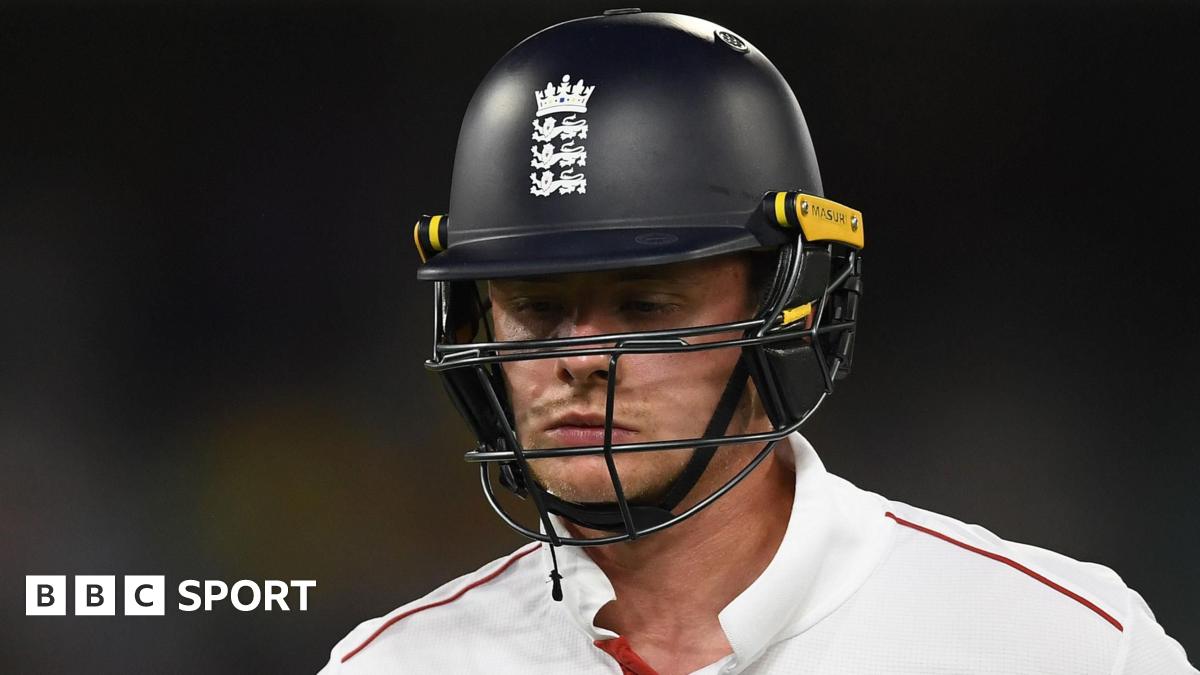
Brisbane has long been Australia’s fortress, and this second Test only reinforced that narrative. England arrived searching for a foothold in the Ashes series; Australia were intent on tightening their grip. From Ben Duckett’s nightmare start to Australia’s relentless pace attack, every session felt like a mini-battle in a larger war of attrition.
Below, we break down individual player ratings for both Australia and England, blending statistics, context, and game situations to assess who influenced the match – and who will leave Brisbane with questions hanging over their place.
Match Context: Why This Brisbane Test Mattered So Much
The second Ashes Test often sets the tone for the rest of the series. With Australia historically dominant at the Gabba, England’s challenge was as much psychological as it was technical. Lose heavily, and the tour can unravel quickly. Compete hard or steal a result, and the entire dynamic shifts.
For England, selection boldness – including aggressive batting roles and a varied bowling attack – came under scrutiny. For Australia, the focus was on whether their established core could maintain their high standards while integrating depth options like Scott Boland in key spells.
“In Brisbane you’re not just playing the opposition, you’re playing history, the pitch, and the expectation that Australia simply don’t lose here.” – Former Ashes analyst on the Gabba factor
That backdrop makes every dropped catch, every misjudged leave, and every spell with the new ball more consequential. Which brings us to the ratings.
England Player Ratings: Pressure, Missed Chances, and Isolated Brilliance
England’s performance oscillated between grit and fragility. Some players showed the temperament and technique required in Australian conditions, while others looked exposed against relentless pace and clever field placements.

| Player | Role | Rating /10 | Key Notes |
|---|---|---|---|
| Ben Duckett | Opener | 2 | First-ball dismissal in the first innings, then undone by a low grubber from Scott Boland in the second. Crucial drop of Alex Carey in the first innings magnified the pressure and altered the match narrative. |
| Zak Crawley | Opener | 5 | Looked fluent in patches, driving and pulling with authority, but failed to convert starts into a statement innings England so badly needed at the top. |
| Joe Root | Middle order | 7 | England’s most secure batter again, rotating strike and resisting Australia’s quicks. Lack of a big hundred in these conditions, however, continues to cast a long shadow over England’s hopes. |
| Ben Stokes | All-rounder / Captain | 6 | Tactical boldness with field settings and bowling changes, but with the bat he could not quite drag England into a dominant position. His overs were wholehearted but lacked the decisive breakthrough spells of previous tours. |
| Jonny Bairstow | Wicketkeeper-batter | 4 | A few counter-attacking strokes but no defining innings. Glove work tidy in patches, yet England’s overall fielding standard needs a step up to match Australia’s ruthlessness. |
| Mark Wood | Fast bowler | 7 | Consistently high pace and hostile spells that unsettled Australia’s middle order. Deserved more wickets than figures suggest, with chances going down and edges falling short. |
Duckett’s rating of 2 underlines how punishing Test cricket can be for an opener. A first-baller can happen to anyone, especially against high-quality pace under lights, but the dropped catch of Alex Carey was the kind of moment that shifts an Ashes Test. Instead of Australia being pegged back, they surged.
- England’s top three combined for fewer than the runs expected on typical Brisbane surfaces.
- Only one batter looked genuinely in control across both innings.
- The bowling unit created opportunities but could not sustain pressure long enough.
“In these conditions, you just can’t afford to spill chances. Australia make you pay, and England found that out again here.” – Former England Test opener
Australia Player Ratings: Ruthless, Disciplined, and Clinical Under Pressure
Australia were not flawless, but they were far more efficient in key moments. Their experienced core once again led the way, while their support cast – including Scott Boland – maintained the relentless pressure that defines elite Test attacks.

| Player | Role | Rating /10 | Key Notes |
|---|---|---|---|
| Usman Khawaja | Top order | 8 | Set the platform with composed batting, leaving well and punishing anything overpitched. His time at the crease blunted England’s new-ball hope. |
| Marnus Labuschagne | Top order | 7 | Edgy early but battled through, again underlining why he’s so difficult to dislodge in home conditions. |
| Steve Smith | Middle order / Leader | 7 | Not at his absolute peak but still orchestrated partnerships and manoeuvred the field with trademark game awareness. |
| Travis Head | Middle order | 8 | Momentum-shifting aggression once again; counter-attacked when England sensed an opening, flipping the pressure back on the visitors. |
| Alex Carey | Wicketkeeper-batter | 7 | Benefited from Duckett’s drop but capitalised superbly, adding vital lower-order runs and keeping with assurance. |
| Pat Cummins | Captain / Fast bowler | 8 | Led with precision, rotating his quicks intelligently and striking early with the new ball. Maintained attacking fields that forced England’s batters into mistakes. |
| Scott Boland | Fast bowler | 8 | Produced the brutal grubber that removed Duckett in the second innings and was relentlessly accurate throughout. Not express pace, but relentless discipline and seam movement. |
- Australia’s top six all contributed, reducing the risk of a collapse.
- The pace attack shared the wickets, with each bowler playing a defined role.
- Fielding, particularly in the cordon, remained a key edge over England.
“What separates Australia at home is not just skill – it’s the refusal to release the pressure. Every over asks a new question.” – International cricket commentator
Key Moments and Turning Points in the Second Test
A handful of sessions and single moments defined the Brisbane Test. Ratings are ultimately shaped by when players performed, not just how many runs or wickets they collected.
- Duckett’s first-ball dismissal: Set the tone for England’s fragile start. An early breakthrough energised Australia and their home crowd.
- The dropped chance of Alex Carey: Duckett’s miss allowed Carey to rebuild Australia’s innings. Rather than exposing the tail early, England were forced to chase the game.
- Boland’s second-innings spell: The grubber that removed Duckett symbolised a pitch starting to misbehave and a bowler hitting the perfect length. From there, England’s chase always looked stretched.
- Head’s counter-attack: Each time England sniffed an opening, Head’s positive strokeplay broke the pressure and changed the field.
- Root and Stokes unable to convert starts: Both looked set at various stages. Without a big century from either, England never quite threatened to post a series-shaping total.
These moments feed directly into ratings: clutch catches are worth runs; resilient spells with the ball are worth more than flattering figures in dead time. Brisbane once again rewarded those who seized the big occasions.
Statistical Snapshot: How the Numbers Back Up the Ratings
While full scorecards tell the broader story, a few key statistical trends illuminate why Australia edged ahead and why England’s player ratings tilt towards the lower side.

| Metric | Australia | England |
|---|---|---|
| Top 4 average (runs per wicket) | Significantly higher, anchored by Khawaja & Labuschagne | Hit by Duckett’s failures and inconsistent support for Root |
| Catches taken vs. missed | Close to flawless in the cordon and outfield | A handful of drops, including Carey, proved costly |
| Economy rate (seamers) | Tighter, consistently squeezing run rate below 3 an over in key spells | More release balls and boundary options for Australia’s middle order |
| Lower-order runs (positions 7–11) | Vital runs from Carey and the tail changed the shape of the match | Short contributions, unable to wag long enough to flip pressure |
For more detailed scorecards and session-by-session data, readers can refer to official resources such as the ICC, ESPNcricinfo, and Cricket Australia websites.
Human Stories Behind the Numbers: Resilience, Pressure, and Selection Questions
Ashes cricket is as emotional as it is technical. For players like Ben Duckett, Brisbane will sting: a Test defined by the fine margins of a first-ball duck and a dropped catch. For bowlers such as Scott Boland, this match adds another chapter to an already remarkable late-career surge.

England’s dressing room now has to manage confidence as much as technique. Duckett’s attacking instincts are central to the way this side wants to play, but repeated early dismissals and high-profile drops can quickly become a narrative that follows a player through a tour.
On the Australian side, the story is one of depth and continuity. Carey’s recovery after being dropped, Head’s assertive style, and Boland’s precision all reinforce a culture where players know their roles and trust the system.
“It’s about how you respond. Brisbane is gone now – what matters is whether the next opportunity, the next chance in the cordon, is taken.” – Current Ashes squad member on bouncing back
What These Ratings Mean for the Rest of the Ashes
Player ratings are more than just numbers; they are indicators of form, confidence, and selection pressure. For England, the Brisbane Test suggests a few key questions:
- Do they persist with Duckett’s aggression at the top, trusting that the method will pay off, or consider a reshuffle?
- Can Root or Stokes deliver the massive, match-defining innings that have so far eluded them in tough Australian conditions?
- How do they balance express pace with control in their seam attack for the next venue?
For Australia, the conversation is more about consolidation than change:
- Managing fast-bowling workloads to keep Cummins, Boland, and the supporting quicks fresh.
- Maximising the form of Khawaja and Head while shoring up any brief wobble phases against the new ball.
- Continuing to squeeze England with discipline in the field and catching standards that offer nothing for free.

As the series rolls into its next venue, the core question remains: can England convert competitive passages into dominance, or will Australia’s experience at home continue to dictate terms? These Brisbane player ratings suggest that while England are not far off in individual talent, Australia still hold the edge in execution when it matters most.
The next Test will not just test technique – it will test how quickly individuals can learn, adapt, and respond to the story Brisbane has already written.
