
Plant-Forward Power: How Flexitarian Eating Is Beating the Vegan vs. Carnivore Wars
Plant‑Forward, Flexitarian Eating: Protein Diversity Beyond the Meat vs. Vegan Wars
While social media loves the shock value of carnivore plates piled high with steak and ultra‑strict raw vegan challenges, the way most people are actually choosing to eat in 2025 is far quieter and much more practical: a plant‑forward, flexitarian style. This approach keeps the spotlight on vegetables, fruits, legumes, whole grains, nuts, and seeds, but leaves room for thoughtfully chosen animal foods like fish, eggs, and fermented dairy. Instead of arguing about labels, plant‑forward eaters care about flavor, flexibility, and long‑term health.
In this guide, you’ll learn what plant‑forward flexitarian eating really looks like today, how it supports protein needs without extremes, and how to build deeply satisfying meals that feel good in your body and fit into real life.
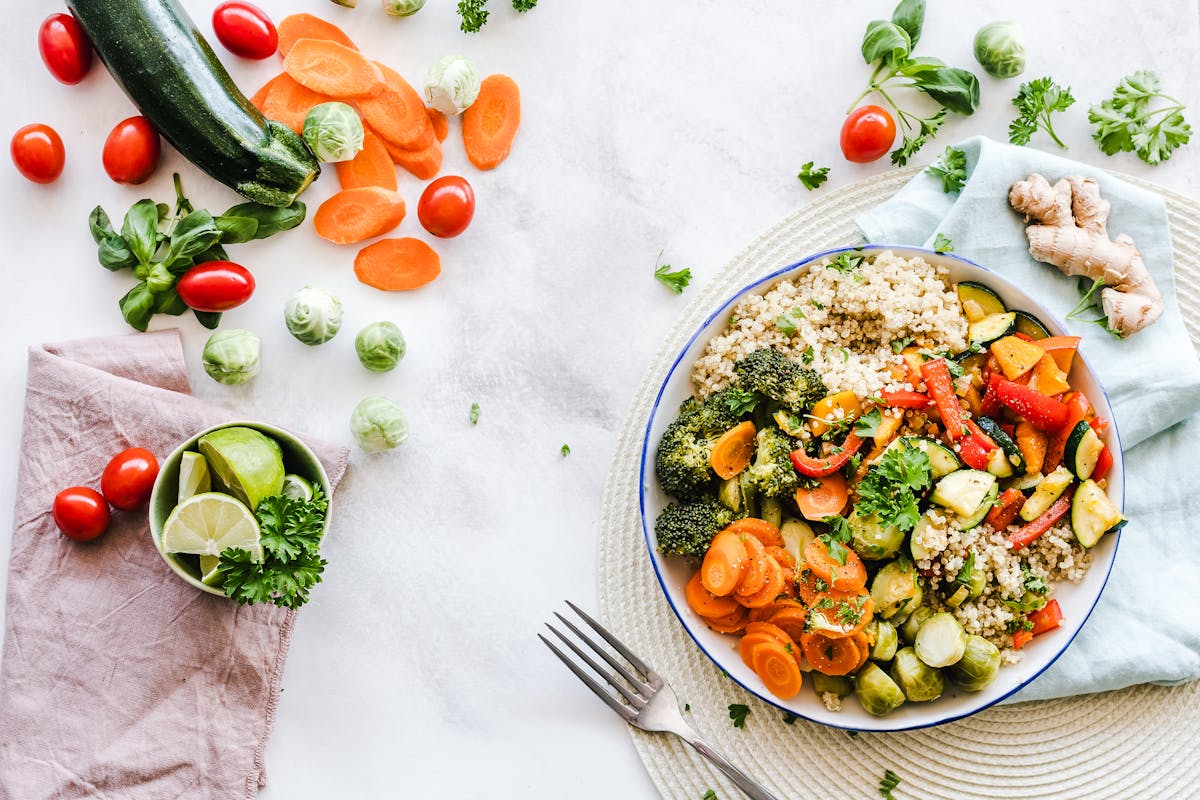
Imagine a bowl that’s half roasted vegetables, a scoop of nutty quinoa, a tumble of spiced chickpeas, a few slices of avocado, and a generous spoonful of garlicky yogurt‑tahini sauce. Maybe you top it with a soft‑boiled egg or a few pieces of grilled salmon. That’s the heart of plant‑forward flexitarian eating—plants in the lead role, with animal foods as flavorful, optional supporting characters.
The Rise of Plant‑Forward Flexitarian Eating
Over the past few years, search terms like plant‑forward
, flexitarian diet
, Mediterranean‑style high‑protein
, and plant‑based but not vegan
have grown steadily. On TikTok and YouTube, creators share:
- High‑protein plant‑forward meal prep routines.
- Mediterranean flexitarian “day of eating” vlogs.
- Budget‑friendly plant‑rich recipes for students and families.
- Simple, fish‑forward dinners that sit on a mountain of plants.
Underneath the trends is a simple desire: people want the health and environmental benefits of eating more plants, without the social friction or rigidity of strict veganism. They also care more than ever about getting enough protein, especially for muscle, satiety, and healthy aging.
The Nutrition Logic: Why Plant‑Forward Just Makes Sense
Large studies and clinical trials over the last decade keep pointing to the same big picture: diets that are rich in plants and moderate in animal foods—like the Mediterranean and many traditional Asian patterns—tend to reduce cardiovascular risk, support metabolic health, and may promote longevity.
Plant‑forward flexitarian diets typically emphasize three pillars:
- High nutrient density
Colorful vegetables and fruits, legumes, and whole grains deliver fiber, vitamins, minerals, and phytonutrients that support everything from gut health to brain function. - Protein diversity and adequacy
Instead of relying on a single protein (just chicken, just tofu, or just whey), plant‑forward eaters mix beans, lentils, tofu, tempeh, edamame, nuts, seeds, eggs, dairy, and fish. This makes it easier to hit protein targets and cover all essential amino acids. - Healthy fats
Extra‑virgin olive oil, nuts, seeds, avocados, and fatty fish like salmon or sardines provide unsaturated fats and omega‑3s that support heart and brain health.
Protein Diversity Beyond the Vegan vs. Meat Wars
A big shift in 2025 is that more people have moved past the idea that protein has to be either all animal or all plant. Instead, they’re asking:
“How can I build meals that are mostly plants, but still give me enough satisfying, high‑quality protein?”
Flexitarian eaters often blend:
- Plant proteins – beans, lentils, chickpeas, tofu, tempeh, edamame, peas, nuts, seeds, and minimally processed seitan.
- Selective animal proteins – especially fish, eggs, and cultured dairy like yogurt or kefir, used in moderate portions.
This mix supports:
- Excellent amino acid coverage without obsessive planning.
- Better satiety and easier weight management for many people.
- Lower environmental impact than heavy meat‑based diets.
Why Flexitarian Eating Fits Real Life
Food is never just nutrients—it’s culture, family, travel, and celebration. Many people bump into the limits of strict vegan or carnivore diets when they:
- Share meals with relatives who cook traditional dishes.
- Travel and can’t always find options that fit a rigid rule set.
- Juggle different preferences within the same household.
Flexitarian eating answers this reality by focusing on a simple idea:
“Most of my meals are plant‑based, but I still enjoy meat or fish a few times per week.”
This sweet spot tends to be more sustainable long term—and sustainability of habit is what truly shapes health outcomes.
What Plant‑Forward Flexitarian Meals Look Like
On social feeds and at home tables, plant‑forward meals tend to be colorful, textured, and deeply comforting. Here are some classics that keep showing up:
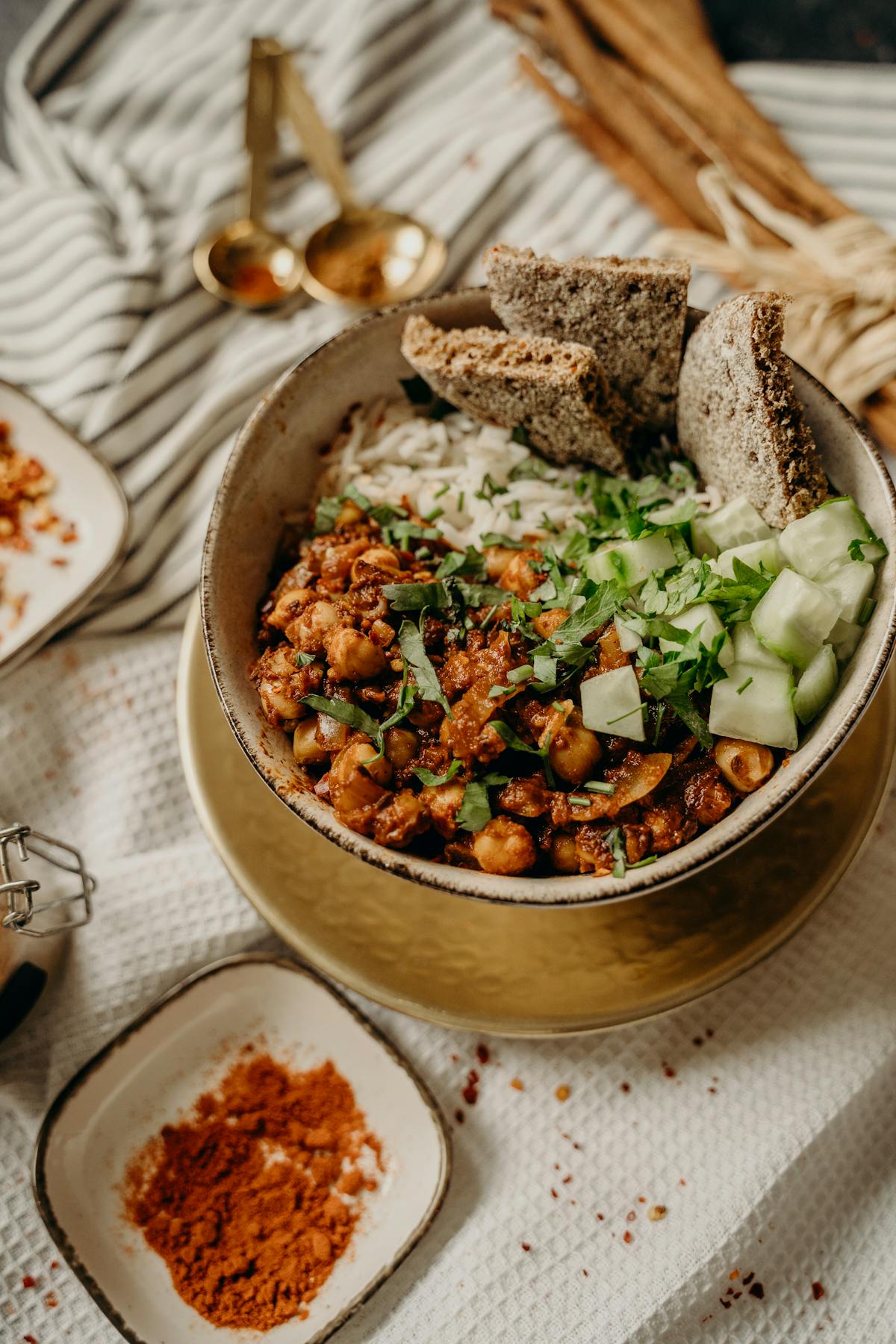
- Bean‑based stews and curries – smoky black bean chili, tomato‑rich chickpea stew, or coconut lentil curry, sometimes finished with yogurt or a sprinkle of feta.
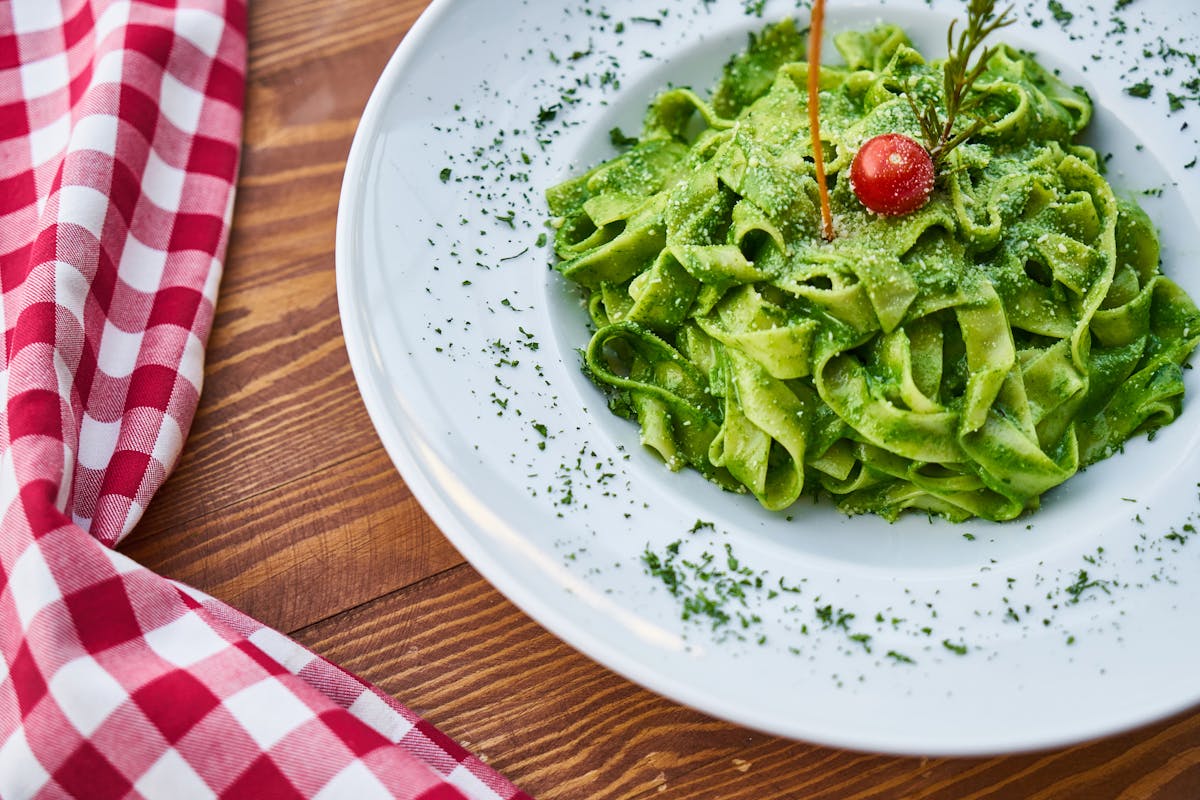
- Lentil or chickpea pasta – tossed with roasted vegetables, olives, herbs, and a drizzle of extra‑virgin olive oil or a spoonful of pesto.
- Grain‑legume bowls – quinoa or farro with roasted vegetables, crispy chickpeas, and tahini or yogurt‑tahini sauces.
- Fish‑forward plates – salmon over lentil salad, sardines on whole‑grain toast with a big side salad, or grilled mackerel with beans and greens.

Recipe: High‑Protein Mediterranean Plant‑Forward Bowl (Flexitarian)
Prep time:
Cook time:
Total time:
Servings: 4 bowls
Difficulty: Easy – great for weeknights and meal prep
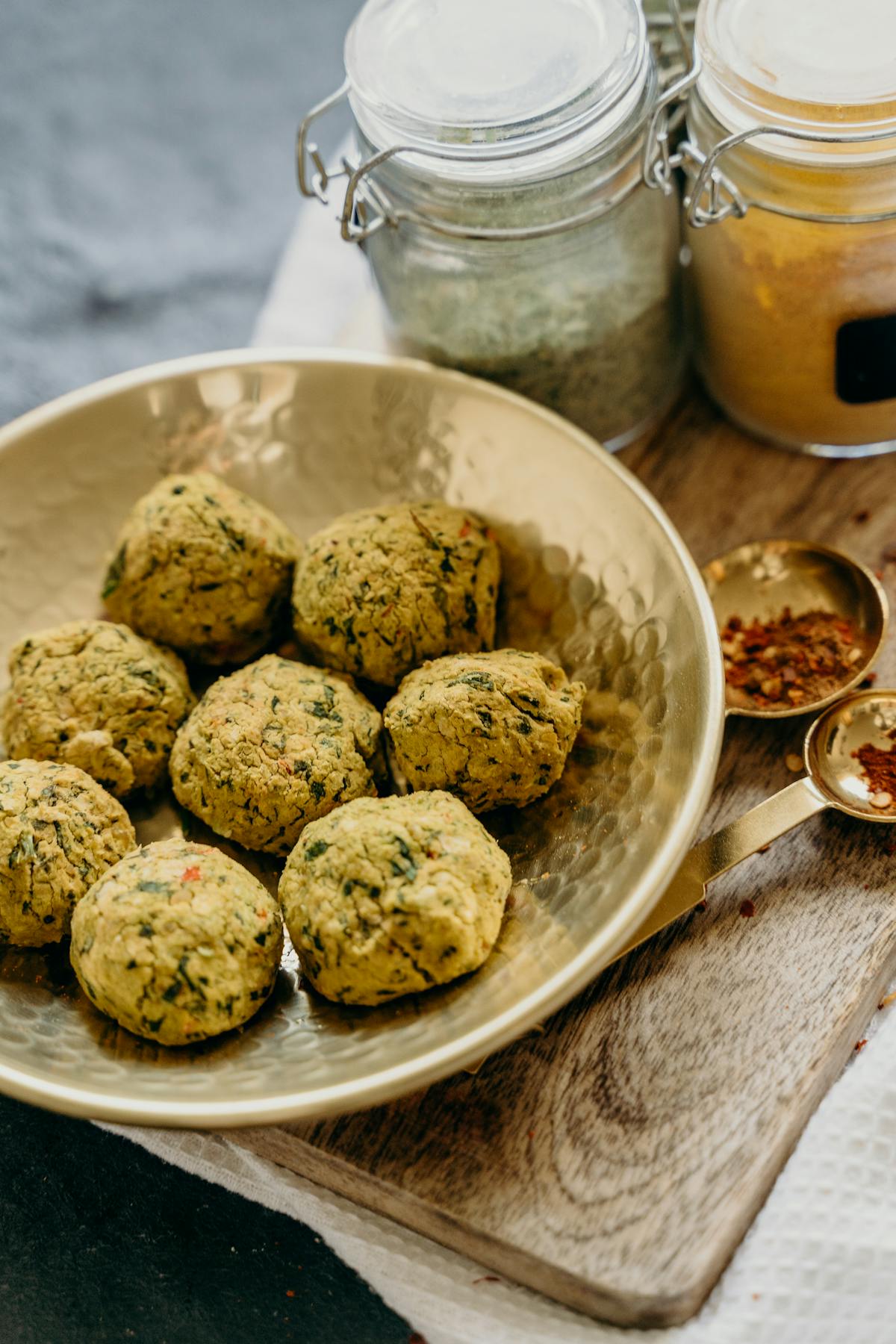
This Mediterranean‑style plant‑forward bowl layers warm whole grains, spiced chickpeas, and roasted vegetables under a tangy yogurt‑tahini sauce. It’s naturally high in fiber and plant protein, with optional eggs or salmon for extra protein and that flexitarian flair.
Equipment You’ll Need
- Baking sheet (tray) for roasting vegetables and chickpeas
- Medium saucepan with lid (for grains)
- Small bowl and whisk (for sauce)
- Knife and cutting board
- Measuring cups and spoons
- Optional: nonstick pan (for eggs or salmon)
Ingredients
For the grain base
- 1 cup (185 g) uncooked quinoa, farro, or brown rice
- 2 cups (480 ml) water or low‑sodium vegetable broth
- 1/2 teaspoon fine sea salt
For the roasted vegetables & chickpeas
- 1 can (15 oz / 400 g) chickpeas, drained and rinsed
- 1 medium red onion, cut into wedges
- 1 red bell pepper, sliced into strips
- 1 small zucchini, sliced into half‑moons
- 1 cup (about 150 g) cherry tomatoes
- 2 tablespoons extra‑virgin olive oil
- 1 teaspoon ground cumin
- 1 teaspoon smoked paprika
- 1/2 teaspoon dried oregano
- 1/2 teaspoon garlic powder
- 1/2 teaspoon fine sea salt, plus more to taste
- Freshly ground black pepper, to taste
For the yogurt‑tahini sauce
- 3/4 cup (180 g) plain Greek yogurt (or thick plant‑based yogurt)
- 2 tablespoons tahini (sesame paste)
- 1 tablespoon fresh lemon juice
- 1 small garlic clove, finely grated or minced
- 2–3 tablespoons water, to thin as needed
- Pinch of sea salt
For serving & garnish
- 1 small cucumber, diced
- 1/4 cup (30 g) pitted olives, sliced
- 1/4 cup (10 g) fresh parsley or mint, chopped
- 1 ripe avocado, sliced (optional but delicious)
- Lemon wedges, for squeezing
Flexitarian protein add‑ons (optional)
- 4 soft‑boiled or fried eggs or
- 2 small salmon fillets (about 4 oz / 115 g each), grilled or pan‑seared
Step‑by‑Step Instructions
- Cook the grains.
Rinse your chosen grain under cold water. In a medium saucepan, combine the grain, water or broth, and 1/2 teaspoon salt. Bring to a boil, then reduce heat to low, cover, and simmer until tender (about 15 minutes for quinoa, 25–30 for brown rice or farro). Turn off the heat and let it steam with the lid on for 5 minutes, then fluff with a fork. - Prep the oven and vegetables.
Preheat your oven to 400°F (200°C). On a large baking sheet, spread out the chickpeas, onion wedges, bell pepper strips, zucchini, and cherry tomatoes. - Season and roast.
Drizzle the vegetables and chickpeas with olive oil. Sprinkle over the cumin, smoked paprika, oregano, garlic powder, salt, and pepper. Toss well with your hands or a spatula so everything is evenly coated. Roast for 20–25 minutes, stirring once halfway, until the vegetables are tender and lightly caramelized and the chickpeas are golden at the edges. - Make the yogurt‑tahini sauce.
In a small bowl, whisk together the yogurt, tahini, lemon juice, and garlic. Add water, 1 tablespoon at a time, until the sauce is creamy and drizzle‑able. Season with a pinch of salt and adjust lemon to taste. The sauce should be tangy, nutty, and silky. - Prepare optional eggs or salmon.
If using eggs, cook them to your liking (soft‑boiled, jammy, or fried in a bit of olive oil). If using salmon, season with salt, pepper, and a drizzle of olive oil, then pan‑sear over medium‑high heat for about 3–4 minutes per side, or until just cooked through and flaky. - Assemble the bowls.
Divide the warm grains between four bowls. Top each with a generous scoop of roasted vegetables and chickpeas. Add diced cucumber, olives, and avocado slices. Drizzle with yogurt‑tahini sauce and sprinkle with chopped herbs. - Finish with flexitarian flair.
If you’re including eggs or salmon, place them on top of each bowl. Serve with lemon wedges for squeezing and extra sauce on the side. Taste and add a pinch more salt or a drizzle of olive oil if you like.
Storage, Meal Prep, and Reheating
This recipe is tailor‑made for plant‑forward meal prep. With a little planning, you can have vibrant, protein‑rich bowls ready for busy days.
- Fridge: Store grains, roasted vegetables/chickpeas, sauce, and add‑ons in separate airtight containers for up to 4 days.
- Reheat: Warm grains and roasted vegetables gently in the microwave or a skillet with a splash of water. Keep the sauce and fresh toppings (cucumber, herbs, avocado) cold for contrast.
- Eggs & salmon: Cook these fresh when possible. If you must store salmon, cool quickly and eat within 2 days.
- Freezer: The cooked grains and roasted chickpeas/veg can be frozen for up to 2 months. Thaw in the fridge overnight and refresh with a squeeze of lemon and drizzle of olive oil.
Serving Ideas & Complementary Dishes
You can build a full plant‑forward flexitarian spread around this bowl with:
- A crisp side salad of leafy greens, radishes, and citrus vinaigrette.
- Warm whole‑grain pita or sourdough for dipping into extra sauce.
- A small plate of marinated beans or lentil salad for even more protein diversity.
- Fresh fruit with a dollop of yogurt and nuts for dessert.
Making Plant‑Forward Flexitarian Eating Your Own
You don’t have to pick a side in the vegan vs. carnivore debate to eat in a way that feels vibrant, ethical, and satisfying. By putting plants first, choosing diverse protein sources, and keeping your rules flexible instead of rigid, you can create a way of eating that truly fits your life.
Start small: add one extra plant‑forward, high‑protein meal to your week—like the Mediterranean bowl above. Notice how it tastes and how you feel afterward. Then build from there, one colorful, nourishing plate at a time.
