
Gut Health 2.0: A Colorful, Microbiome‑Friendly Bowl Bursting with Ferments & Polyphenols
Microbiome-Friendly Rainbow Grain Bowl with Kimchi, Kefir Dressing & Crunchy Seeds
This microbiome-friendly rainbow grain bowl is Gut Health 2.0 on a plate: tangy fermented foods, luscious polyphenol-rich plants, and plenty of prebiotic fiber, all wrapped up in a weeknight-friendly recipe. Think warm nutty grains, cool creamy kefir-herb dressing, crunchy seeds, and a bright hit of kimchi that wakes up every taste bud.
Inspired by the latest gut health research that celebrates diverse plant foods, daily ferments, and extra-virgin olive oil, this bowl is equal parts comforting and energizing. It’s a flexible template rather than a rigid rulebook—perfect if you’re just beginning your gut health journey or you’re already brewing kombucha and feeding a sourdough starter on your counter.
Quick Recipe Snapshot
Prep time: 20 minutes
Cook time: 25 minutes
Total time: ~45 minutes
Servings: 4 bowls
Difficulty: Easy
Diet: Gut-friendly, vegetarian option, easily gluten-free
Each bowl layers whole grains, beans, colorful veggies, and live-culture toppings to help you edge closer to that popular “30 different plant foods per week” goal seen across gut health podcasts and social media.
Ingredients
For the Grain & Bean Base
- 1 cup (190 g) dry short-grain brown rice or quinoa (gluten-free option)
- 2 cups (480 ml) water or low-sodium vegetable broth
- 1 cup (170 g) cooked mixed beans (e.g., chickpeas, black beans, lentils), drained and rinsed
- 1 tablespoon extra-virgin olive oil
- 1 small garlic clove, finely minced (prebiotic)
- Sea salt and freshly ground black pepper, to taste
For the Gut-Friendly Veggie Toppings
- 1 small red onion, very thinly sliced (prebiotic)
- 1 cup (about 100 g) shredded red cabbage
- 1 medium carrot, julienned or grated
- 1 small cucumber, diced
- 1 ripe avocado, sliced or cubed
- 1 cup (about 70 g) mixed leafy greens (spinach, arugula, or lettuce)
- 1/2 cup (75 g) berries (blueberries or raspberries) for a polyphenol boost
- 2 tablespoons chopped fresh herbs (parsley, cilantro, or mint)
Fermented & Crunchy Toppings
- 1 cup (about 150 g) kimchi or sauerkraut with live cultures
- 1/2 cup (120 g) plain yogurt with live active cultures (or unsweetened coconut yogurt for dairy-free)
- 2 tablespoons pumpkin seeds (pepitas)
- 2 tablespoons sunflower seeds or hemp hearts
- Freshly ground black pepper and chili flakes, to taste
For the Creamy Kefir-Herb Dressing
- 1/2 cup (120 ml) plain kefir (or more yogurt thinned with water for a milder option)
- 2 tablespoons extra-virgin olive oil
- 1 tablespoon freshly squeezed lemon juice or apple cider vinegar
- 1 teaspoon Dijon mustard
- 1 teaspoon honey or maple syrup (optional, for balance)
- 2 tablespoons finely chopped fresh dill or parsley
- 1 small garlic clove, finely grated or pressed
- 1/4 teaspoon fine sea salt, plus more to taste
Equipment You’ll Need
- Medium saucepan with lid (for cooking grains)
- Cutting board and sharp chef’s knife
- Large mixing bowl
- Small jar or bowl for dressing
- Whisk or fork
- Measuring cups and spoons
- Serving bowls (wide and shallow work beautifully)
Step-by-Step Instructions
- Cook the grains.
Rinse the brown rice or quinoa under cold water. In a medium saucepan, combine the grains with the water or broth and a pinch of salt. Bring to a boil, then reduce the heat to low, cover, and simmer until tender (about 20–25 minutes for brown rice, 15 minutes for quinoa). Turn off the heat and let it sit, covered, for 5 minutes, then fluff with a fork. - Warm the beans with aromatics.
While the grains cook, heat 1 tablespoon olive oil in a small pan over medium heat. Add the minced garlic and cook just until fragrant, 30–45 seconds. Stir in the cooked mixed beans, a pinch of salt, and pepper. Warm through for 2–3 minutes, then set aside. - Prep the veggies and herbs.
Thinly slice the red onion, shred the red cabbage, julienne or grate the carrot, dice the cucumber, slice the avocado, and roughly chop the herbs. Rinse and dry the leafy greens. Set everything in small piles or bowls so assembly is easy. - Mix the kefir-herb dressing.
In a small bowl or jar, whisk together kefir, olive oil, lemon juice or vinegar, Dijon mustard, honey or maple syrup (if using), chopped herbs, grated garlic, and salt. Taste and adjust with more lemon, salt, or herbs as you like. The dressing should be tangy, lightly creamy, and pourable. - Lightly marinate the cabbage and onion (optional but recommended).
To soften their bite and add extra flavor, toss the shredded cabbage and sliced onion with a tablespoon of the dressing and a pinch of salt in a small bowl. Let sit for 5–10 minutes while you assemble the rest. - Assemble the bowls.
Divide the warm grains between 4 bowls. Spoon the warm garlicky beans over one section of each bowl. Arrange piles of greens, cabbage-onion mixture, carrot, cucumber, avocado, and berries around the bowl so you see lots of color. Add generous spoonfuls of kimchi or sauerkraut to each bowl. - Add fermented dairy and crunchy toppings.
Dollop or drizzle plain yogurt around the bowl. Sprinkle with pumpkin seeds, sunflower seeds or hemp hearts, and a crack of black pepper. If you enjoy a little heat, finish with chili flakes. - Dress and serve.
Drizzle each bowl with the kefir-herb dressing just before serving. Taste and add a final pinch of salt, a squeeze of lemon, or a splash of olive oil if you like. Enjoy warm grains against cool toppings, creamy dressing, bright acidity, and that satisfying kimchi crunch.

Gut Health 2.0 Tips, Variations & Substitutions
Make It Vegan or Dairy-Free
- Swap kefir and yogurt for unsweetened, live-culture coconut or soy yogurt.
- Thin the yogurt with a tablespoon or two of water or oat milk to reach a dressing-like consistency.
- Check that your kimchi is made without fish sauce if you’re fully plant-based.
Boost the Polyphenols
- Use a peppery extra-virgin olive oil as your main fat.
- Add a spoonful of cocoa nibs or a dusting of unsweetened cocoa to the dressing for a subtle chocolate note.
- Top with more herbs (mint, basil, cilantro) and a sprinkle of turmeric and black pepper.
Low-FODMAP Adaptations (for Sensitive Guts)
If you’re following a low-FODMAP protocol with a clinician:
- Reduce or omit garlic and onion; use garlic-infused olive oil instead.
- Choose low-FODMAP beans in small portions (e.g., canned lentils well rinsed) or swap beans for grilled tofu or tempeh if tolerated.
- Limit cabbage and adjust kimchi portions to what feels comfortable.
Change Up the Grains & Proteins
- Try barley, farro, or sorghum for extra chew and beta-glucan fiber (if you’re not gluten-free).
- Use tempeh, grilled salmon, or soft-boiled eggs for additional protein.
- Fold a spoonful of white miso paste into the warm beans after cooking (off the heat) for extra umami and live cultures.

Storage, Meal Prep & Reheating
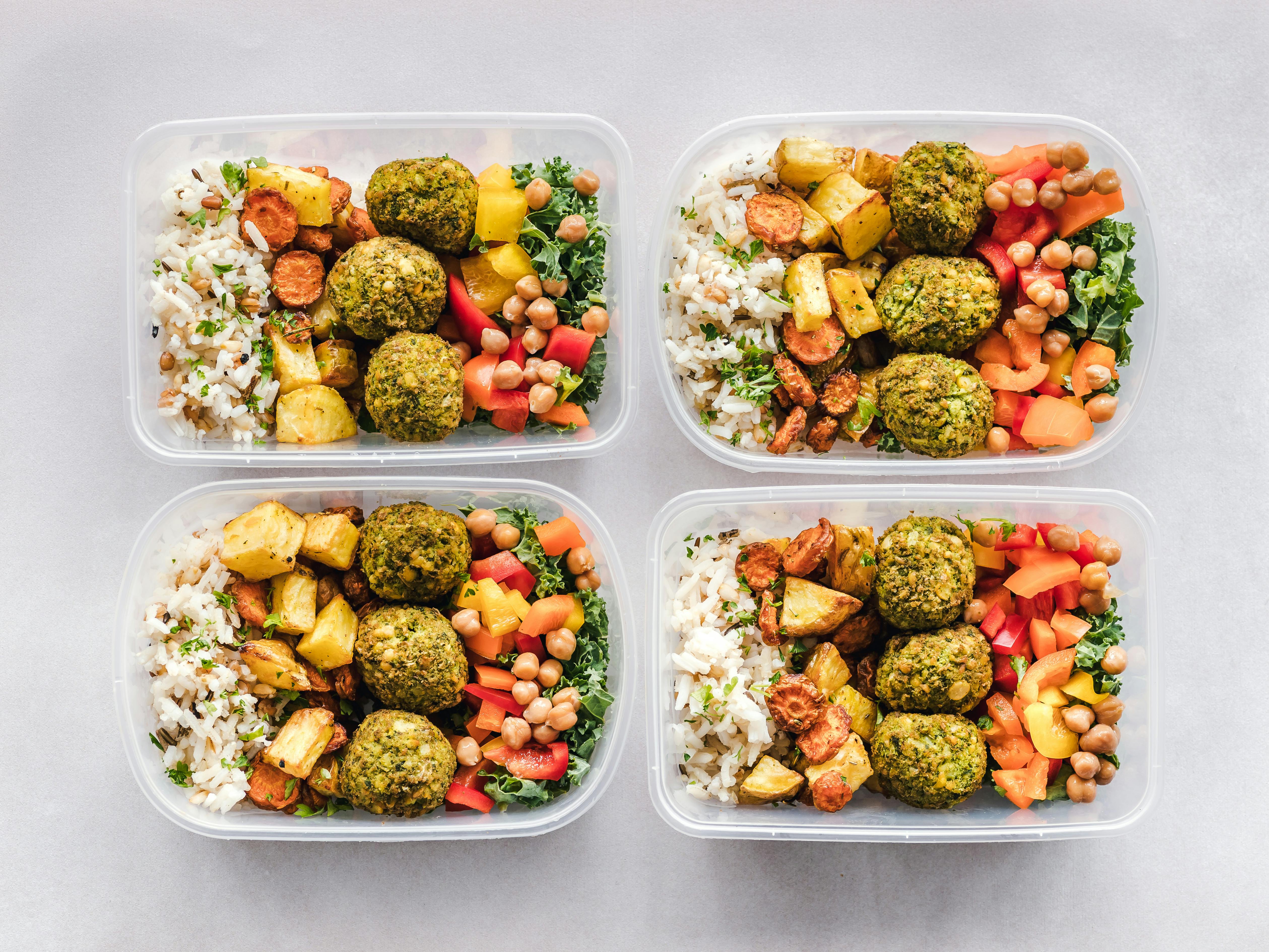
This rainbow grain bowl is ideal for meal prep, especially if you keep the fermented foods and dressing separate until serving.
How to Store
- Cooked grains & beans: Store together in an airtight container in the fridge for up to 4 days.
- Chopped veggies & herbs: Keep in a separate container, lined with a paper towel, for 3–4 days.
- Dressing: Refrigerate in a jar with a lid for up to 4 days. Shake before using.
- Kimchi / sauerkraut / yogurt: Store in their original containers; add to bowls just before eating.
Reheating Guidelines
- Reheat only the grains and beans (microwave or stovetop) with a splash of water to keep them moist.
- Keep kimchi, sauerkraut, and kefir dressing cold to preserve their live cultures and bright flavors.
Let the bowl cool slightly before adding ferments—think warm, not steaming—so your hardworking microbes stay alive and well.
Serving Suggestions & Complementary Dishes
This gut-friendly grain bowl is a complete meal, but you can easily turn it into a full “microbiome menu” by pairing it with:
- A small glass of unsweetened kombucha or sparkling water with a splash of kefir for extra live cultures.
- A side of toasted sourdough with olive oil and fresh tomatoes for more fermented grains and polyphenols.
- A simple berry and dark chocolate square dessert for a gentle, polyphenol-rich sweet finish.
- Green or herbal tea after the meal to extend the polyphenol party for your gut microbes.
However you serve it, remember the bigger picture of Gut Health 2.0: more plants, more ferments, fewer ultra-processed foods, and enjoyment at every step. Your microbiome—and your taste buds—will thank you.
Recipe Metadata
The following structured data helps search engines understand this gut health recipe:
