
Ultra‑Processed Foods Under Fire: How ‘Food Noise’ Sparked a Whole‑Food Cooking Revival
Ultra‑Processed Foods Under Fire: From “Food Noise” to Food Quality
Ultra‑processed foods are having a moment—and not the flattering kind. Around kitchen tables, in podcasts, and across TikTok and YouTube, more people are asking, “How processed is this?” and “Is this making me hungrier?” This rising concern is fueling a delicious counter‑movement toward simple, minimally processed, nutrient‑dense eating that feels satisfying instead of chaotic.
From new research and documentaries to real‑world stories about “food noise” and GLP‑1 medications, ultra‑processed foods (UPFs) are being linked to appetite dysregulation and chronic disease. At the same time, home cooks and health professionals are celebrating whole foods, traditional recipes, and realistic swaps that fit busy, budget‑conscious lives.

What Are Ultra‑Processed Foods, Really?
In nutrition research, ultra‑processed foods are more than just “junk food.” They’re industrial formulations built from refined starches, isolated proteins, added sugars, cheap fats, and a cocktail of additives that rarely exist in home kitchens. Think of foods with long ingredient lists full of emulsifiers, colorings, flavorings, and stabilizers.
These products are engineered to be hyper‑palatable—crunchy, creamy, salty‑sweet, and almost impossible to stop eating. They’re also designed for maximum shelf life and profit, not for nourishing your body or keeping your appetite steady.
- Low in fiber, micronutrients, and high‑quality protein.
- High in refined carbs, added sugars, and industrial seed or tropical oils.
- Packaged with multiple additives—emulsifiers, artificial flavors, and colorings.
- Marketed as “convenient,” “fun,” or “healthy” even when nutrition is poor.
If the ingredient list reads like a chemistry set—or you couldn’t remake it in your own kitchen—it’s probably ultra‑processed.
What the Latest Research Says About Ultra‑Processed Foods
Large cohort studies and carefully controlled trials are painting a consistent picture: people who eat a lot of ultra‑processed foods tend to gain more weight and have higher risks of cardiovascular disease, type 2 diabetes, and depression—even when overall calories and macronutrients look similar on paper.
One influential trial found that participants given ultra‑processed meals ate hundreds more calories per day and gained weight, compared with those eating minimally processed meals that were matched for calories, sugar, fat, and protein. The difference? Food structure, speed of eating, and how those foods interacted with appetite signals.
- Cardiometabolic risk: Higher rates of heart disease, stroke, and diabetes.
- Weight gain: Tendency to overeat and gain body fat over time.
- Mental health: Associations with higher rates of depression and anxiety.
- Appetite regulation: Disrupted hunger and fullness cues, often described as “food noise.”
From GLP‑1 Drugs to “Food Noise”: Why Appetite Feels So Loud
As GLP‑1 medications became more common, people began describing a dramatic quieting of “food noise”—those relentless thoughts about the next snack, the next drive‑thru stop, the next sweet bite. That conversation has prompted a deeper question: how much of this noise is driven by the foods themselves?
Ultra‑processed foods combine rapid‑digesting starches, added sugars, and fats in ways that spike blood sugar, light up the brain’s reward circuits, and then crash quickly—leaving you hungry again. Their soft textures and intense flavors make them easy to eat quickly, which blunts your body’s natural “I’m full” signals.
- Fast digestion → quick spikes and dips in blood sugar.
- Strong reward response → cravings and compulsive snacking.
- Low fiber & protein → less physical fullness and satisfaction.
Not All Processed Foods Are Bad: The Nuance We Need
“Processed” has become a scary word, but in reality almost everything we eat is processed in some way—washed, chopped, frozen, fermented, or canned. The key is degree and purpose of processing.
Helpful processing:
- Canned beans and tomatoes (with minimal additives)
- Frozen fruits and vegetables
- Plain yogurt, kefir, and cheese
- Whole‑grain bread with simple ingredients
Concerning ultra‑processing:
- Packaged pastries and cookies with long ingredient lists
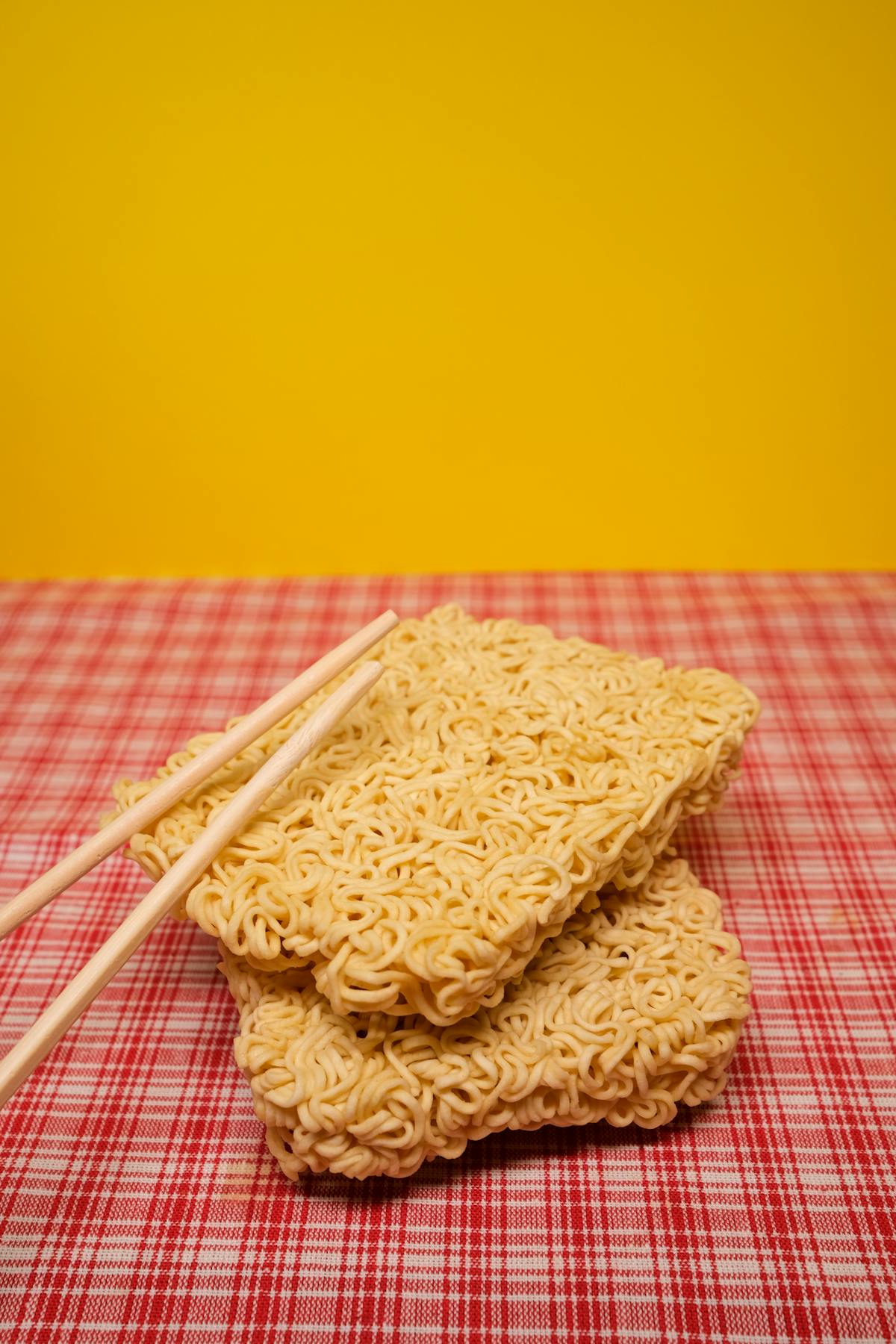
- Instant noodles and flavored rice or pasta packets
- Sweetened breakfast cereals and cereal bars
- Sugary drinks and many flavored coffee beverages
Why Ultra‑Processed Foods Are Trending in Media and Social Feeds
The surge in interest around ultra‑processed foods isn’t accidental. It’s being propelled by a perfect storm of scientific publications, documentaries, podcasts, and viral explainers that peel back the curtain on how our food is made—and marketed.
- New research: Large, long‑term studies and trials linking UPFs to chronic disease.
- Documentaries: Deep dives into food industry practices and aggressive marketing to kids.
- Podcasts and creators: Dietitians, doctors, and food nerds breaking down labels on TikTok, YouTube, and X.
- GLP‑1 conversation: People sharing how medications changed their appetite—and questioning the role of UPFs.
In many ways, this is a cultural wake‑up call. Instead of only counting carbs or calories, more people are looking at the quality of those calories—and realizing that whole, traditional foods often leave them calmer, fuller, and more energized.

Simple Whole‑Food Swaps That Calm Food Noise
The most exciting part of this trend is that it’s not about rigid restriction. Creators, dietitians, and home cooks are sharing realistic swaps that feel abundant and indulgent, not punishing. You still get comfort; you just build it from real, satisfying ingredients.
Breakfast: From Sugary Crunch to Satisfying Creaminess
Instead of a rainbow‑colored cereal that leaves you hungry an hour later, imagine a bowl that’s creamy, crunchy, and naturally sweet:
- Swap sugary cereal → rolled oats or steel‑cut oats
- Add a scoop of Greek yogurt for protein and tang
- Top with nuts for crunch and healthy fats
- Finish with fresh or frozen fruit for color and natural sweetness
The result? A bowl that smells warm and toasty, feels luxuriously creamy, and actually keeps you full through the morning.
Snacks: From Crinkly Bags to Real Crunch
Swapping packaged snacks for simple whole‑food options can smooth out your energy and cut down on mindless munching:
- Salted nuts or seeds
- Hummus with crunchy carrots, cucumbers, or bell peppers
- Boiled eggs with a sprinkle of salt and pepper
- Plain yogurt with a drizzle of honey and a handful of berries
Comfort Classics: Home‑Cooked vs. Drive‑Thru
Burgers, pizza, and dessert absolutely have a place in a nourishing life. The trick is shifting from ultra‑processed versions to simple, home‑cooked ones:
- Burgers: Use ground beef or turkey, salt, pepper, and herbs; serve on a simple bun with real cheese and veggies.
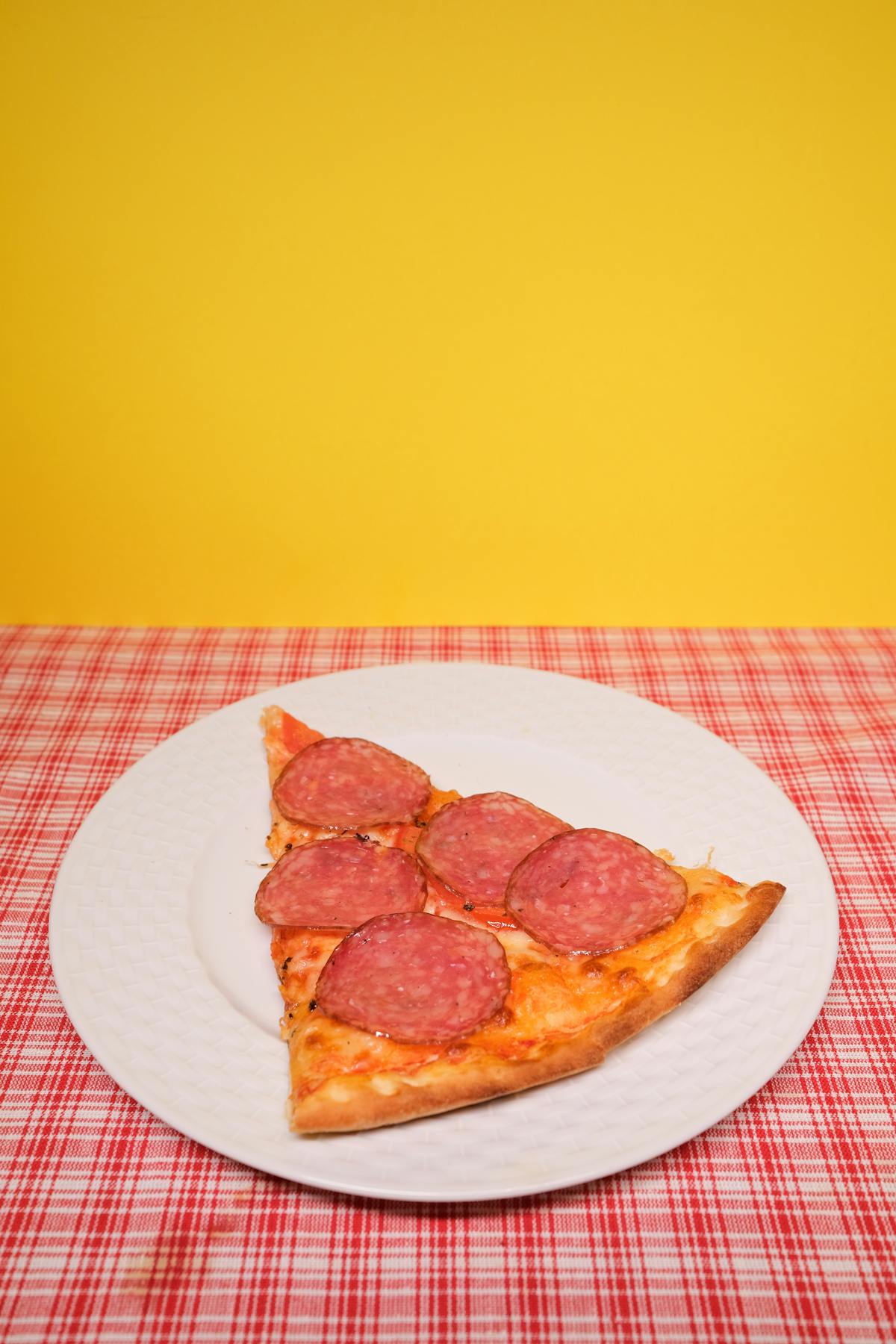
- Pizza: Top a whole‑grain base or flatbread with tomato sauce, mozzarella, and plenty of vegetables.
- Dessert: Opt for home‑baked brownies, fruit crisps, or dark chocolate instead of ultra‑processed candy.

Affordability, Access, and Food Policy: The Bigger Picture
It’s important to acknowledge that ultra‑processed foods often dominate not because people don’t care, but because they’re cheaper, heavily advertised, and more available—especially in food deserts where fresh produce is scarce and time is limited.
That’s why many advocates are pushing for changes beyond individual choice: smarter subsidies, better school meals, and corporate responsibility in how foods are formulated and marketed. At the same time, creators are highlighting budget‑friendly, minimally processed meals that can be made quickly at home.
- Using dried or canned beans as affordable protein.
- Relying on frozen vegetables, which are often cheaper and just as nutritious.
- Buying whole grains in bulk (oats, rice, barley) for hearty bases.
- Batch‑cooking simple stews, soups, and curries.
Food Quality and Dietary Pattern: A New Way to Think About Eating
Instead of arguing over carbs vs. fats, many dietitians and physicians are reframing the conversation around food quality and overall dietary patterns. The emphasis is simple but powerful:
- Build most meals from whole or minimally processed foods.
- Use ultra‑processed foods strategically—for occasional convenience, not as daily staples.
- Read ingredient lists to spot ultra‑processed products with multiple additives.
- Focus on patterns over perfection; what you do most of the time matters more than one snack or one weekend.
If you zoom out and your weekly meals are mostly built from vegetables, fruits, beans, whole grains, nuts, seeds, eggs, fish, and simple dairy, then the occasional ultra‑processed treat is just that—a treat, not a lifestyle.
Ultra‑Processed‑Free Comfort: One‑Pot Tomato Garlic White Bean Stew
To make this trend feel deliciously practical, here’s a cozy, budget‑friendly recipe built entirely from minimally processed pantry staples. It’s rich with tomato and garlic aroma, silky from olive oil, and packed with tender beans that keep you full and grounded—perfect for replacing a packaged convenience meal on a busy night.
Prep time: 10 minutes
Cook time: 25 minutes
Total time: 35 minutes
Servings: 4
Difficulty: Easy
Diet: Vegetarian, high‑fiber, minimally processed

Ingredients
- 2 tablespoons extra‑virgin olive oil
- 1 medium yellow onion, finely chopped
- 3–4 cloves garlic, minced
- 1 medium carrot, diced (optional but adds sweetness)
- 1 teaspoon dried oregano or Italian herb blend
- 1/2 teaspoon smoked or sweet paprika
- 1/4 teaspoon red pepper flakes (optional, for gentle heat)
- 1 can (14–15 oz / 400 g) crushed or diced tomatoes, no added sugar
- 2 cans (14–15 oz / 400 g each) white beans (cannellini or great northern), drained and rinsed
- 2–3 cups (480–720 ml) low‑sodium vegetable broth or water
- 1 bay leaf (optional)
- Salt and freshly ground black pepper, to taste
- 1–2 handfuls fresh spinach or chopped kale (optional, for greens)
- Juice of 1/2 lemon (for brightness)
- Fresh parsley or basil, chopped, for serving
Equipment
- Large saucepan or Dutch oven with lid
- Cutting board and knife
- Wooden spoon or heat‑safe spatula
- Ladle for serving
Step‑by‑Step Instructions
Warm the olive oil.
Set a large pot over medium heat and add the olive oil. When it shimmers and releases a gentle fruity aroma, it’s ready for the vegetables.
Sauté onion, garlic, and carrot.
Add the chopped onion and diced carrot. Cook, stirring occasionally, for 5–7 minutes until the onion turns translucent and sweet‑smelling. Add the minced garlic and cook 30–60 seconds more, just until fragrant.
Bloom the spices.
Sprinkle in the oregano, paprika, and red pepper flakes (if using). Stir for about 30 seconds to awaken their aroma—this step gives you a deeper, rounder flavor without any packaged seasoning mix.
Add tomatoes and beans.
Pour in the canned tomatoes and stir to combine, scraping up any browned bits from the bottom. Add the rinsed white beans and bay leaf. The mixture should look thick and rustic, with lots of texture.
Pour in broth and simmer.
Add 2 cups of vegetable broth or water to start. Bring the stew to a gentle simmer, then reduce the heat to low and cook, partially covered, for 15–20 minutes. Add more broth if you prefer it soupier.
Finish with greens and lemon.
Stir in the spinach or kale, if using, and cook for 2–3 minutes until just wilted and bright green. Remove the bay leaf. Squeeze in the lemon juice, then taste and season with salt and pepper until the flavors pop.
Serve and enjoy.
Ladle the stew into bowls and finish with a drizzle of good olive oil and a shower of fresh herbs. Serve with crusty whole‑grain bread, a simple salad, or spooned over cooked brown rice or barley.
Storage & Reheating
Let the stew cool to room temperature, then transfer to an airtight container.
- Fridge: Keeps well for up to 4 days.
- Freezer: Freeze for up to 3 months; thaw overnight in the fridge.
- Reheat: Warm gently on the stove over low heat, adding a splash of water or broth if it’s too thick, or microwave in short bursts, stirring in between.
Serving Suggestions
- With a slice of toasted whole‑grain or sourdough bread
- Over a bed of brown rice, farro, or barley
- Alongside a crunchy salad of greens, olive oil, and lemon
Bringing It Home: A Calmer, More Nourishing Way to Eat
The cultural shift away from ultra‑processed foods isn’t about fear; it’s about discovering how deeply satisfying simple, minimally processed meals can be. When your plate is full of beans, vegetables, whole grains, and good fats, “food noise” often softens into a quieter, kinder hunger that’s easier to honor.
You don’t need a perfect pantry or hours of cooking skill to start. Choose one realistic swap, one home‑cooked meal, or one new whole‑food recipe this week. Let the aromas in your kitchen, the warmth of a simmering pot, and the steady fullness afterward remind you: food can be both joyful and genuinely nourishing—without leaning on ultra‑processed shortcuts.
