
Ozempic-Friendly Eating: How GLP‑1 ‘Skinny Jabs’ Are Reshaping Diet Culture
Ozempic, Wegovy & the Rise of GLP‑1 ‘Skinny Jab’ Diet Culture
How appetite-suppressing GLP‑1 medications are changing the way we eat, cook, and talk about bodies.
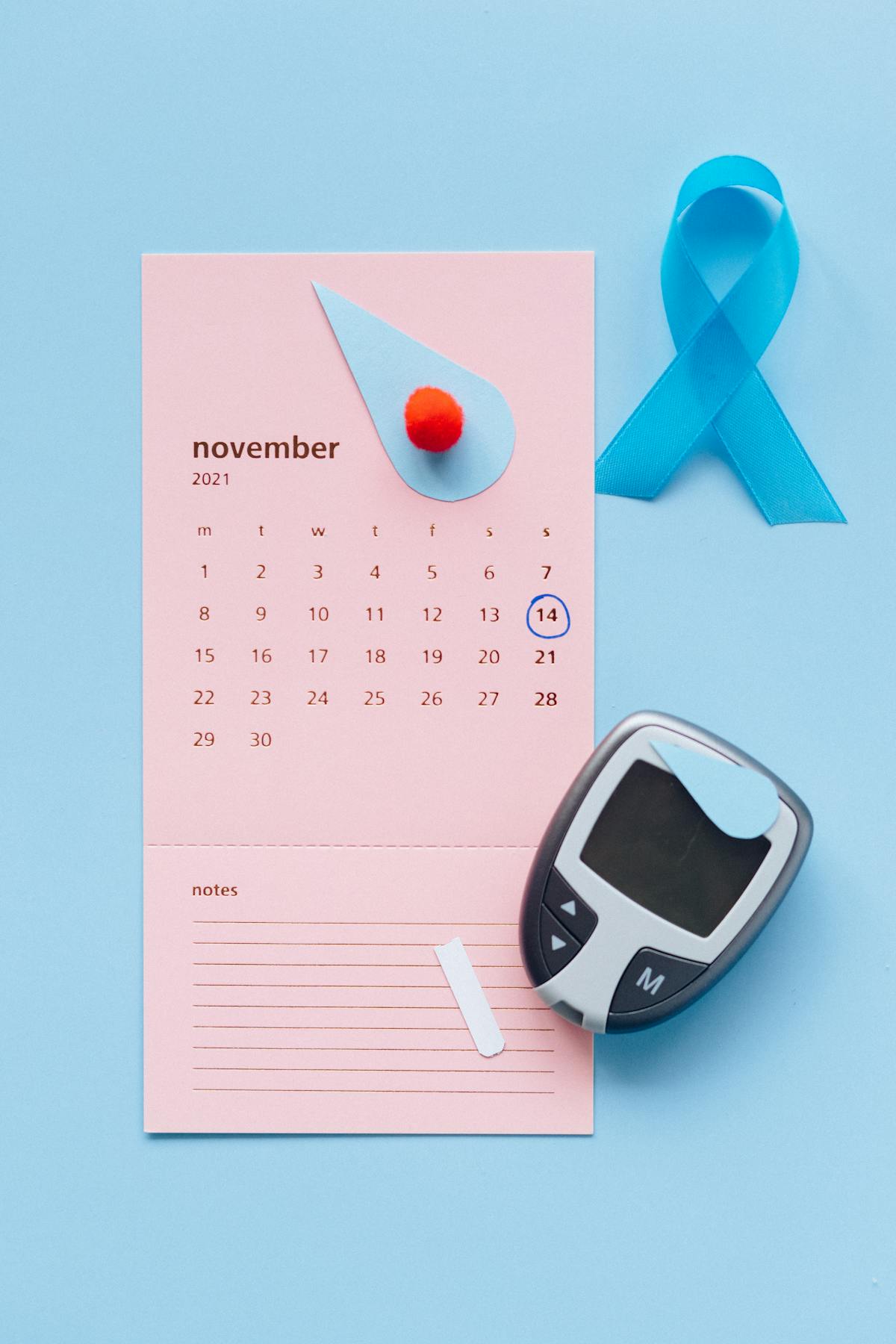
Prescription GLP‑1 weight‑loss drugs like Ozempic and Wegovy have exploded in popularity, fueling a new wave of diet culture, body image debate, and “Ozempic‑friendly” recipe content across social media. Over the last 18–24 months these medications have moved from a medical niche to mainstream pop culture, raising questions about nutrition, body image, and how to eat well with a reduced appetite.
This guide walks through what GLP‑1 medications do, how they’re shaping online food trends, and—most importantly—how to nourish yourself safely and deliciously if you’re taking them under medical supervision. You will also find an accessible, high‑protein, Ozempic‑friendly recipe designed to be gentle on the stomach yet full of flavor.
What Are GLP‑1 Medications Like Ozempic and Wegovy?
GLP‑1 agonists—such as Ozempic and Wegovy (semaglutide) and Mounjaro/Zepbound (tirzepatide)—were originally created to help manage type 2 diabetes. They mimic a gut hormone called glucagon‑like peptide‑1, which:
- Helps the pancreas release insulin when blood sugar rises
- Slows stomach emptying, so food stays in your stomach longer
- Signals the brain that you are fuller, earlier
The result for many people: much less appetite, smaller portions, and often significant weight loss. In the last two years, this has turned GLP‑1s into a cultural phenomenon well beyond the clinic.
From Clinic to TikTok: GLP‑1s and the New Diet Culture
On TikTok, YouTube, Instagram Reels, and X/Twitter, hashtags like #Ozempic, #Wegovy, and #GLP1 gather millions of views. People share:
- Before‑and‑after transformation photos
- “What I eat in a day on Ozempic” videos
- “Ozempic‑friendly” high‑protein, low‑volume meal plans
- Side‑effect diaries and weekly check‑ins

At the same time, celebrity speculation—“who’s on Ozempic?”—has normalized the idea of using injections as a fast‑track weight‑management tool. This fuels a complex mix of hope, pressure, curiosity, and fear.
Many clinicians see GLP‑1s as a breakthrough for people facing serious health risks from obesity, while others worry that mass, appearance‑driven use deepens weight stigma and distracts from long‑term, compassionate self‑care.
Search trends reflect the obsession: queries like “Ozempic diet plan,” “Ozempic foods to avoid,” and “Ozempic alternatives” have stayed high globally, highlighting how hungry people are—literally and figuratively—for guidance.
How GLP‑1s Change the Way You Eat
When your appetite suddenly shrinks, your whole relationship with food can feel different. Many people on Ozempic or Wegovy report:
- Getting full after just a few bites
- Forgetting to eat until late in the day
- Strong aversions to rich, greasy, or very sweet foods
- Nausea, reflux, or constipation—especially early in treatment

That’s why many dietitians emphasize quality over quantity. If you are eating less overall, each mouthful should pull its weight in:
- Protein to help protect lean muscle mass
- Fiber for gut health and to ease constipation
- Fluids and electrolytes to support hydration
- Vitamins and minerals from colorful plants and fortified foods
Body Image, Ethics & the Shadow Side of GLP‑1 Diet Culture
The rise of GLP‑1 “skinny jab” culture sits at the crossroads of medicine, beauty standards, and social media. Key concerns many ethicists and patient advocates raise include:
- Weight stigma: Rapid‑loss posts can imply thinner is always better, reinforcing harmful ideas about larger bodies.
- Medicalization of body diversity: There is a risk that normal body shapes are increasingly framed as problems to “fix.”
- Access and equity: High costs and supply shortages can leave people with diabetes or severe obesity without medication, while elective use is glamorized.
- Environmental and supply impacts: Mass uptake stresses manufacturing, distribution, and healthcare systems.
Some people feel empowered and relieved on GLP‑1s; others feel pressured, judged, or scared they will never be accepted without pharmaceutical help. Both experiences are valid. A compassionate approach honors health at every size, informed consent, and mental wellbeing alongside physical markers.
How Dietitians Recommend Eating on Ozempic & Wegovy
Nutrition professionals around the world are sharing practical guidelines to help people feel better—and lose less muscle—while on GLP‑1s. Common themes include:
- Prioritize protein (especially breakfast and post‑workout).
- Add fiber gradually to support regular digestion without worsening bloating.
- Eat slowly and stop at the first signs of fullness to avoid nausea.
- Spread intake across 3–5 small meals and snacks instead of 1–2 huge meals.
- Limit alcohol and ultra‑greasy foods, which can be poorly tolerated.
- Incorporate resistance training (as approved by a clinician) to help maintain lean mass.
It’s important to remember that side effects vary. Some people tolerate most foods; others need very soft, bland choices, especially during dose increases. A registered dietitian or healthcare provider can help tailor an eating plan to your needs and culture.
Ozempic‑Friendly Recipe: High‑Protein Lemon Herb Chicken & Quinoa Bowl
When your appetite is low, food has to work harder for you. This lemon herb chicken & quinoa bowl is designed with GLP‑1 users in mind: small in volume but rich in protein, gentle textures, bright flavors, and plenty of fiber.
Juicy marinated chicken, fluffy quinoa, and tender vegetables come together in a bowl that’s soothing on the stomach yet genuinely satisfying. Feel free to eat half now and half later—this dish reheats beautifully.
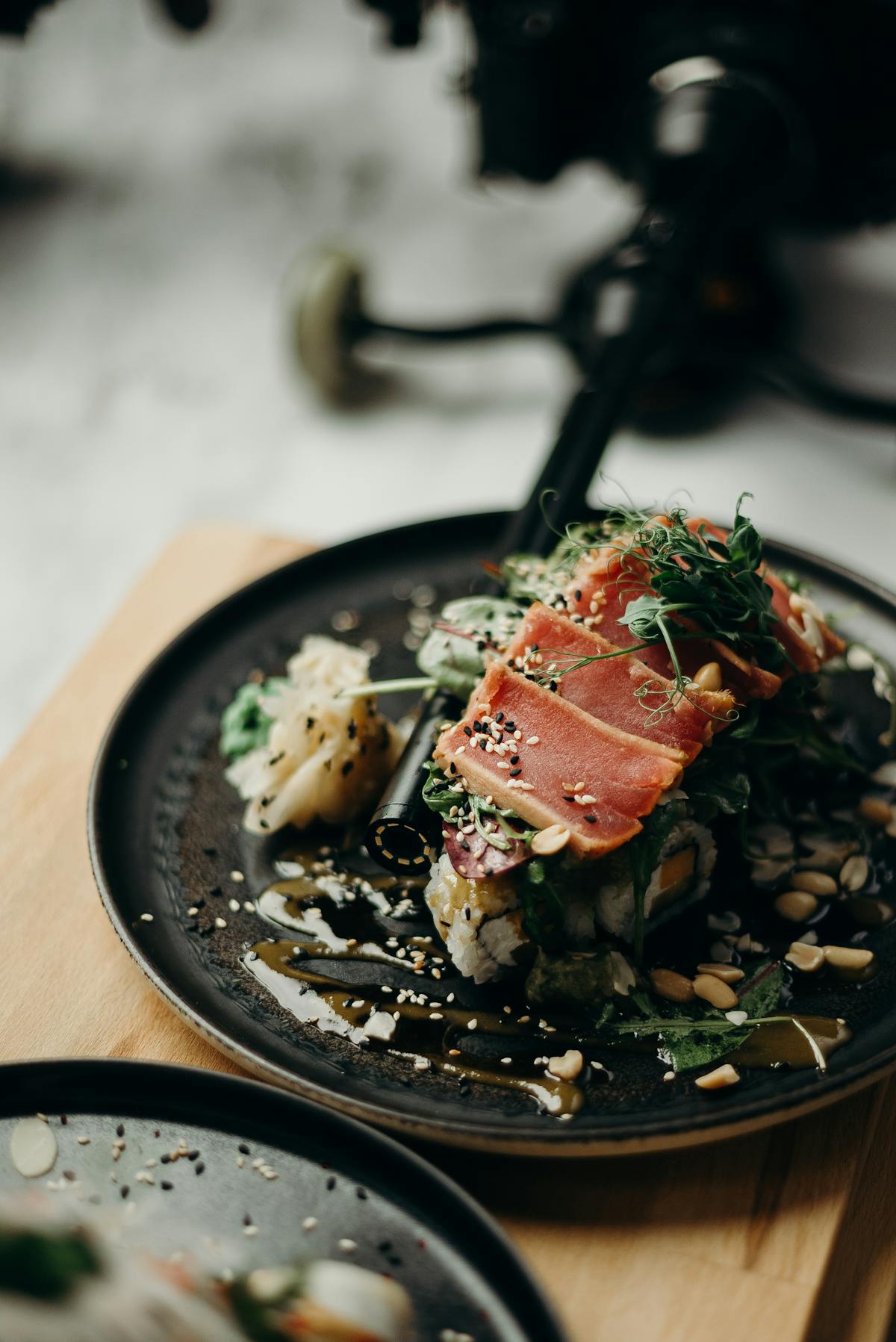
Quick Recipe Summary
Prep time:
Cook time:
Total time:
Servings: 4 small bowls (or 2–3 larger bowls)
Difficulty: Easy
Diet: High protein, gluten‑free (if using certified GF quinoa and stock)
Equipment You’ll Need
- Sharp knife and cutting board
- Medium saucepan with lid (for quinoa)
- Large non‑stick skillet or grill pan
- Mixing bowl for marinade
- Measuring cups and spoons
Ingredients
For the lemon herb chicken
- 450 g (1 lb) boneless, skinless chicken breasts or thighs, cut into bite‑size pieces
- 2 tbsp extra‑virgin olive oil
- 2 tbsp freshly squeezed lemon juice
- 1 tsp finely grated lemon zest (optional but brightens flavor)
- 2 cloves garlic, finely minced (or 1 tsp garlic powder for milder flavor)
- 1 tsp dried oregano
- 1 tsp dried thyme or Italian seasoning
- 1/2 tsp fine sea salt (or to taste)
- 1/4 tsp freshly ground black pepper
For the quinoa base
- 1 cup (185 g) uncooked quinoa, rinsed
- 2 cups (480 ml) low‑sodium chicken or vegetable stock (or water)
- 1/4 tsp fine sea salt, or to taste
For the vegetables & finishing
- 1 cup (120 g) small broccoli florets (fresh or frozen)
- 1 small carrot, peeled and sliced into thin rounds
- 1/2 cup (75 g) frozen peas (no need to thaw)
- 2 tbsp chopped fresh parsley or dill (optional, for freshness)
- Extra lemon wedges for serving
- 2–4 tbsp plain Greek yogurt or thick skyr (optional creamy topping, adds protein)
Step‑by‑Step Instructions
- Marinate the chicken.
In a mixing bowl, whisk together olive oil, lemon juice, lemon zest, garlic, oregano, thyme, salt, and pepper. Add the chicken pieces and toss to coat well. Let sit while you start the quinoa (10–15 minutes). If you have more time, cover and refrigerate for up to 2 hours for deeper flavor. - Cook the quinoa.
Rinse the quinoa under cold water in a fine‑mesh strainer to remove any bitterness.
In a medium saucepan, combine rinsed quinoa, stock (or water), and salt. Bring to a gentle boil over medium heat, then reduce to low, cover, and simmer for about 15 minutes, until the liquid is absorbed and the grains are tender.
Remove from heat and let stand, covered, for 5 minutes, then fluff with a fork. - Steam the vegetables.
While the quinoa cooks, steam or lightly simmer the broccoli, carrot, and peas until tender but still bright (about 5–7 minutes). You can:- Add them to a steamer basket over simmering water, or
- Microwave with a splash of water in a covered, microwave‑safe bowl for 3–5 minutes.
- Cook the chicken.
Heat a non‑stick skillet or grill pan over medium heat. Add the marinated chicken (and any remaining marinade). Cook for about 6–8 minutes, stirring occasionally, until the pieces are lightly golden and cooked through (internal temperature 74 °C / 165 °F).
If the pan looks dry, add 1–2 tbsp water or stock to keep the chicken moist and create a light, lemony glaze. - Assemble the bowls.
Divide the quinoa among 4 small bowls (or 2–3 larger portions). Top each with steamed vegetables and a portion of lemon herb chicken.
Spoon any pan juices over the top. Finish with chopped fresh herbs, a dollop of Greek yogurt if using, and a squeeze of fresh lemon. - Taste and adjust.
Taste a bite of everything together. If it feels flat, add a pinch more salt or another squeeze of lemon. If your stomach is sensitive, keep the flavors mild and skip extra acidity or spice.
Making This Recipe GLP‑1 & Tummy‑Friendly
Ingredient Swaps & Dietary Adaptations
- For a vegetarian / pescatarian version: Replace chicken with grilled tofu, tempeh, or baked salmon. Keep the same lemon‑herb marinade.
- For a lactose‑free bowl: Skip the Greek yogurt or use a lactose‑free or plant‑based yogurt.
- For softer textures: Swap quinoa for mashed potatoes, soft polenta, or well‑cooked rice, and cook vegetables until very tender.
- To reduce fiber (if your gut is very sensitive): Use peeled zucchini or green beans instead of broccoli and carrots; choose white rice instead of quinoa.
- To increase fiber gradually: Add a few tablespoons of cooked lentils to the quinoa base, or sprinkle with ground flaxseed just before serving.
Storage & Reheating
- Fridge: Store leftovers in an airtight container for up to 3 days. You can portion into single‑serve bowls to make gentle, grab‑and‑go meals.
- Reheating: Reheat gently in the microwave on medium power, 60–90 seconds at a time, stirring and checking until just warm. Add a splash of water or stock to keep things moist.
- Freezer: The chicken and quinoa freeze reasonably well for up to 2 months, though the vegetables may soften. Cool completely before freezing and thaw in the fridge overnight.
Serving Suggestions & Complementary Dishes
To round out an Ozempic‑friendly meal plan, you might pair this bowl with:
- A small side of sliced cucumber and tomato dressed with olive oil and a pinch of salt
- A simple blended vegetable soup (easier to tolerate if chewing feels like too much)
- A high‑protein snack later in the day, such as Greek yogurt, cottage cheese, or a soft boiled egg
Beyond the Plate: Movement, Muscle & Long‑Term Health
One of the most important (and least glamorous) conversations around GLP‑1 medications is muscle preservation. Rapid, appetite‑driven weight loss can reduce both fat and lean mass. To support long‑term health, experts often encourage:
- Including protein at every meal and snack
- Incorporating resistance training (bands, weights, bodyweight) 2–3 times per week, if medically safe
- Staying hydrated before, during, and after movement

Movement does not have to mean intense gym sessions. Short walks, light resistance bands, or chair exercises can all be powerful when paired with consistent, protein‑forward eating.
Eating Well on GLP‑1s: Compassion First, Recipes Second
GLP‑1 medications like Ozempic and Wegovy are reshaping body narratives, diet culture, and even the kinds of recipes that go viral. Amid all the noise, what matters most is that you feel:
- Medically supported by a clinician who knows your history
- Nourished with enough protein, fiber, and micronutrients
- Emotionally cared for in a culture still learning to respect body diversity
Use “Ozempic‑friendly” recipes like the lemon herb chicken & quinoa bowl as gentle tools, not strict rules. Listen closely to your own body—its cravings, its limits, its changing appetite—and let that wisdom guide you alongside evidence‑based care.
If you can, consider partnering with a registered dietitian, therapist, or support group familiar with GLP‑1s. You deserve a relationship with food that feels nourishing, sustainable, and kind, no matter where you are on your health journey.
